On this day in history….5th May 1985

On this day in history : 5th May 1985 – The death of engineer Donald Bailey, who invented the Bailey Bridge – without which, according to Field Marshal Montgomery, we would not have won the War….
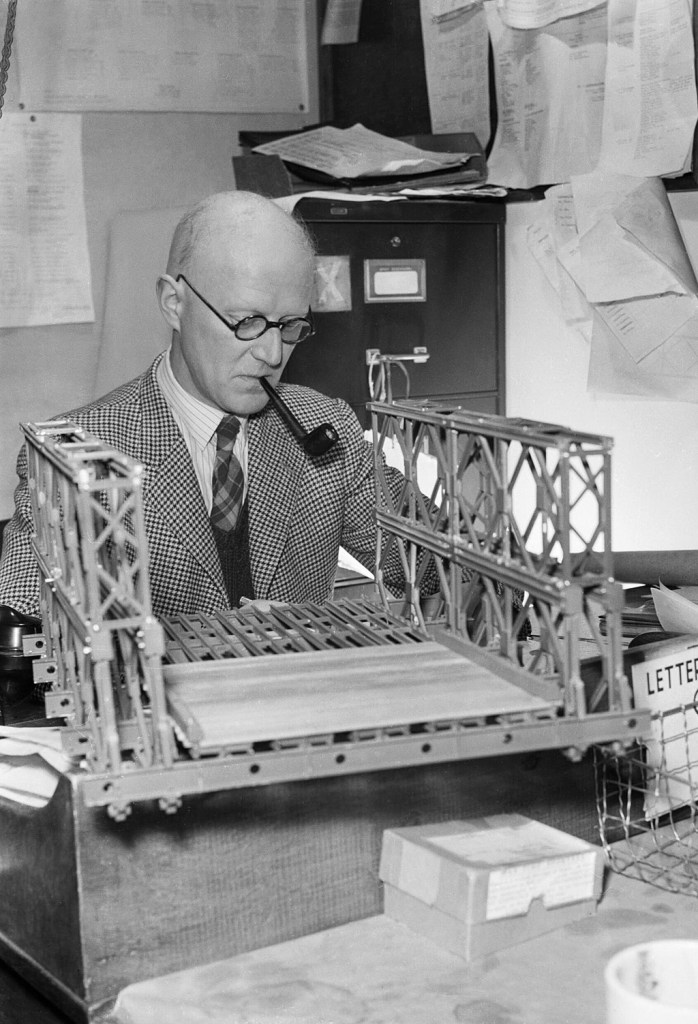
Bailey with model of section of his bridge – Ministry of Information Photo Division – Public domain

Bailey was born in Rotherham, Yorkshire on the 15th of September 1901…. He attended Rotherham Grammar School and the Leys School, Cambridge, before graduating from Sheffield University in 1923….

As a hobby Bailey liked to construct model bridges…. He submitted a prototype for the Bailey Bridge in 1936 – but his idea was not taken up…. It was as a civil servant, working in the War Office, that he roughly drew the plans on the back of an envelope…. On the 14th of February 1941 the Ministry of Supply asked for a full-size prototype – to be ready by the 1st of May! The design was then tested in Christchurch, Hampshire at the Experimental Bridging Establishment…. Early tests involved the bridge being constructed two feet above ground in a field – several tanks packed with pig iron were then stacked upon it….
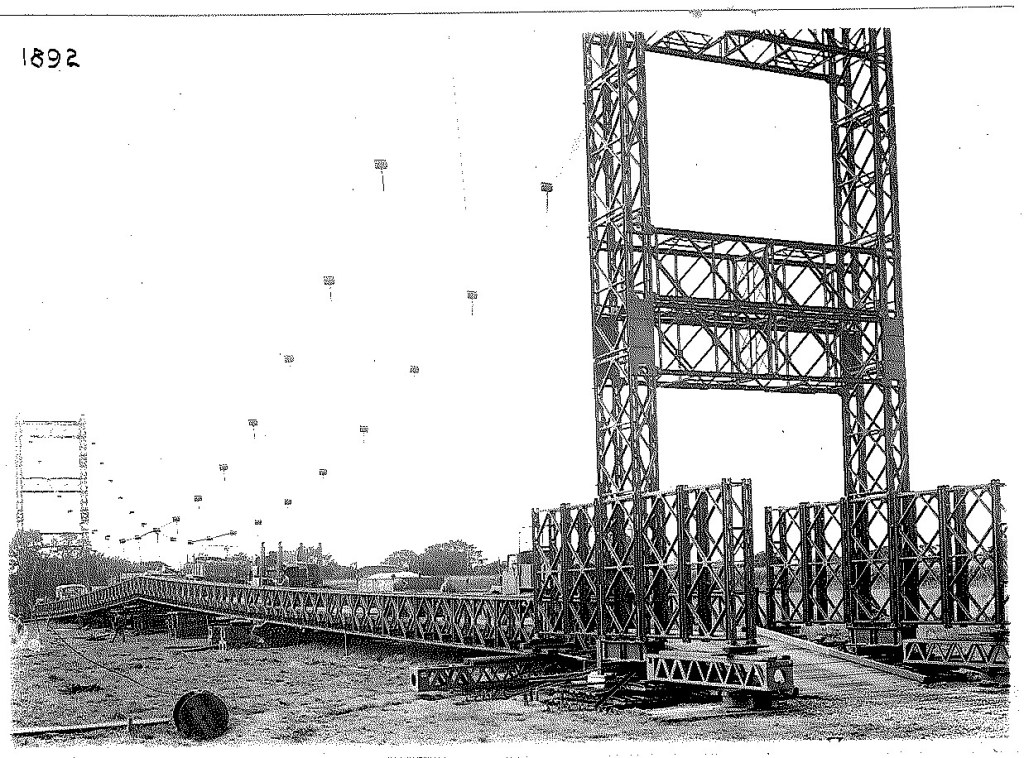
Bailey Bridge trials Christchurch – Photo credit J.B.Herbert CC BY-SA 3.0

The success of the bridge was its simplicity….the basic bridge being made up of three main parts…. Its modular components meaning no heavy equipment being needed to construct it…. Previous designs for military bridges required cranes to lift pre-assembled bridges into place…. Bailey Bridge components could easily be carried by a small group of men – a portable pre-fabricated truss bridge, its modular design meaning bridges could be built as long or short and as strong as required…. The design violated the patent of another bridge, the Callender-Hamilton – but the Bailey was deemed as being easier to construct, even if not quite so portable….

The first operational Bailey Bridge during World War 2 was built by 237 Field Company over the Medjerda River, near to Medjez el Bab, Tunisia, on the night of the 26th of November 1942…. The Americans were quick to realise its usefulness, calling it the ‘Portable Panel Bridge’….

The Bailey came into its own when replacing bridges that had been destroyed by retreating German and Italian troops…. By the end of the War the British and Americans had built some 3,000 Bailey Bridges in Italy alone…. One spanned a length of 1,126ft (343m), whilst another in Burma spanned 1,154ft (352m)…. But the longest Bailey ever constructed was over the Rhine at Rees, Germany in 1945 by Royal Canadian engineers…. At 1,814ft (558m) long it was nicknamed the ‘Blackfriars Bridge’….
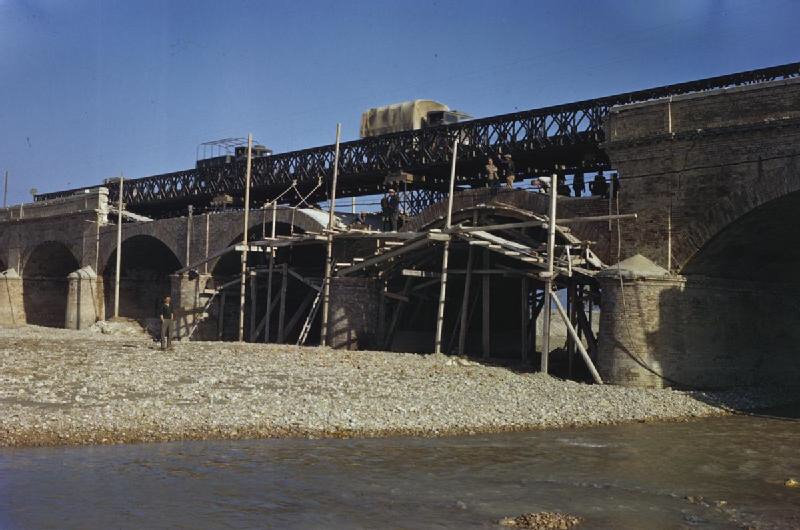
Allied military traffic crossing Bailey Bridge spanning damaged arch bridge in Italy, 1944 – War Office – Public domain

“Bailey Bridge made an immense contribution towards ending World War II. As far as my own operations were concerned, with the eighth Army in Italy and with the 21 Army Group in North West Europe, I could never have maintained the speed and tempo of forward movement without large supplies of Bailey Bridging”.… – Field Marshal Montgomery

In 1943 Donald Bailey was awarded an OBE and in 1946 he received a Knighthood for his bridge design….
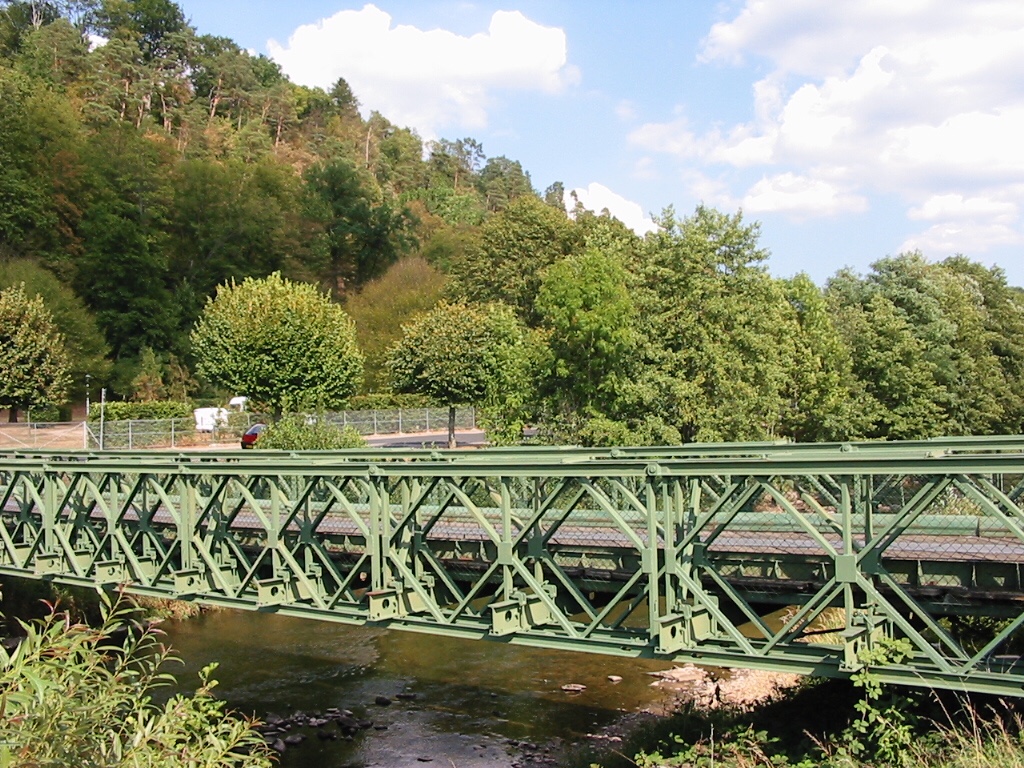
Bailey Bridge over the Meurthe River, France CC BY-2.5

On this day in history….4th May 1852

On this day in history : 4th May 1852 – The birth of Alice Liddell – thought by some to be the inspiration behind Lewis Carroll’s ‘Alice’s Adventures in Wonderland’….

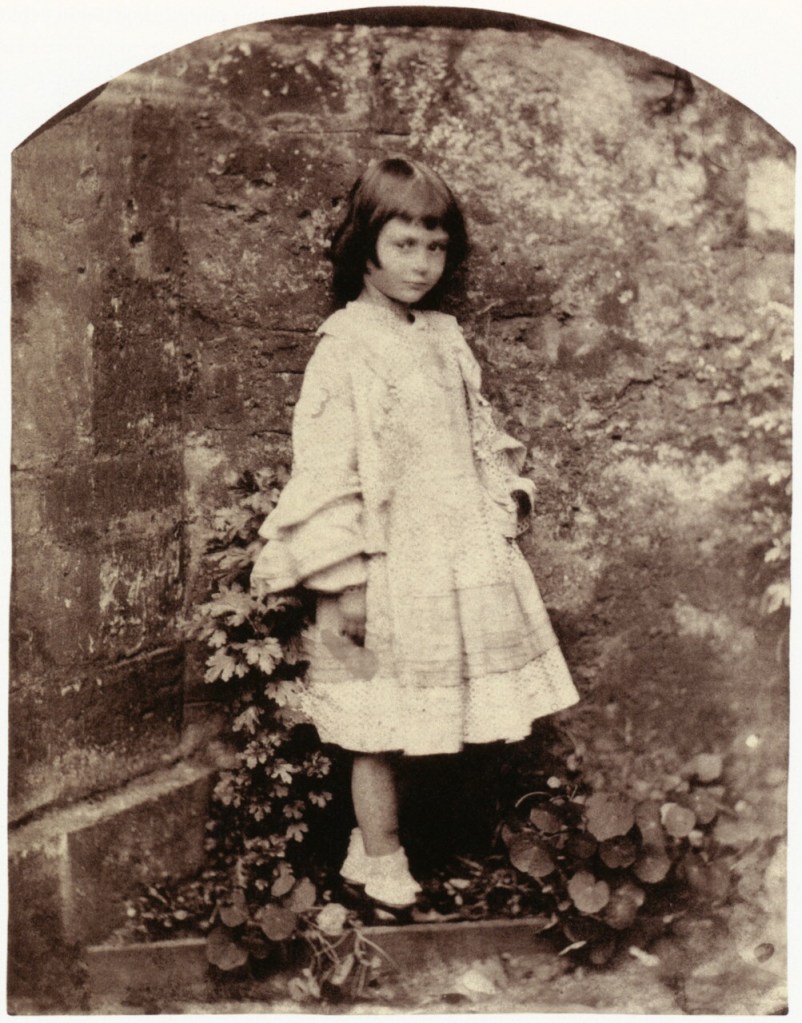
Alice dressed in her best outfit, 1858 – Charles Lutwidge Dodgson – Public domain

Alice Pleasance Liddell was the fourth child and second daughter of George Henry Liddell, Dean of Christ Church, Oxford and Lorina Liddell….

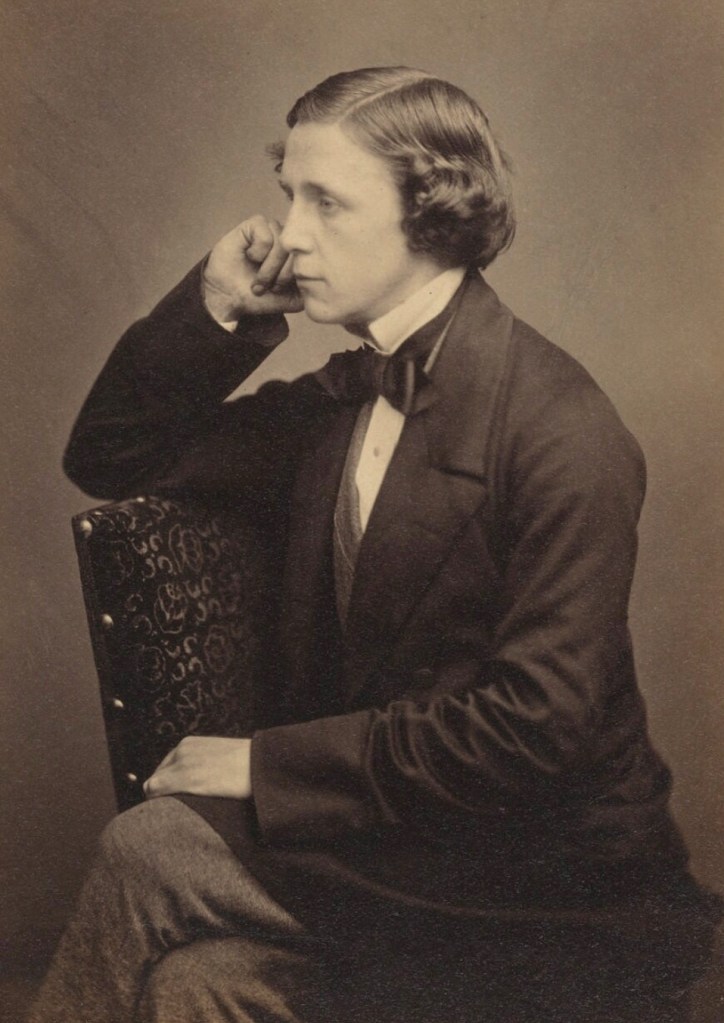
On the 25th of February 1856, as newly appointed Dean of Christ Church, Henry moved his family into the Deanery…. At the time the sub-librarian of the college was one Charles Dodgson – who was to use the pen name of Lewis Carroll…. The window of his room overlooked the garden of the Deanery and he would watch the Liddell children play….

Lewis Carroll in 1855 – Public domain

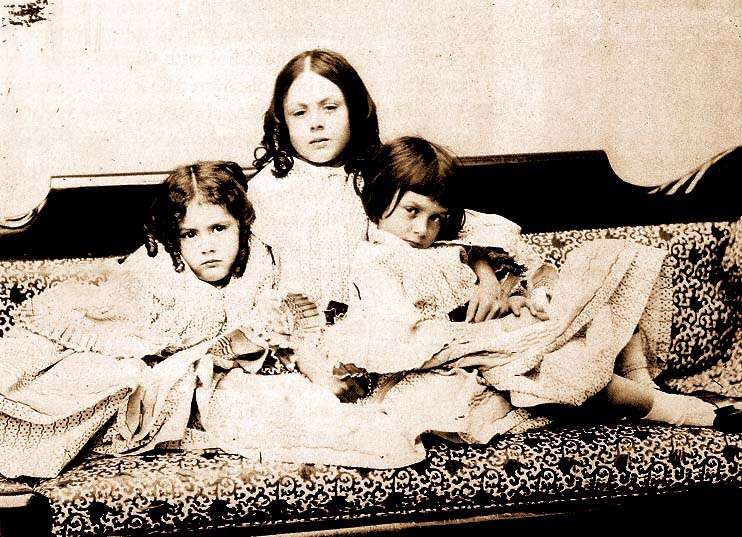
By early summer Dodgson had made the acquaintance of the family and as a keen photographer on the 3rd of June 1856 he photographed Alice, her elder sister, Lorina and younger sister, Edith…. After that the three girls would often go to visit him and a strong friendship was formed…. However, this was not something the girls’ parents were particularly comfortable with – eventually their mother was to ask Dodgson not to take any more photographs…. Which he understood, acknowledging that perhaps he had been intruding too much….

Alice (right) with her sisters c.1859 – Lewis Carroll – Public domain

Henry and Lorina Liddell were to go away for a while and left the children in the care of their governess, Miss Prickett…. Some believe she and Dodgson were romantically involved – she certainly let him see the children and he would entertain them with some wonderful tales….

It was on the 4th of July 1862, whilst on a summer picnic and in a boat being rowed by the Reverend Robinson Duckworth, that Alice asked Dodgson to tell them a story…. He told them the fantastic tale of a little girl called Alice and of her adventures after falling down a rabbit hole…. Alice loved it so much that she begged him to write it down for her…. He eventually got around to doing so a couple of years later and gave her the manuscript ’Alice’s Adventures Under Ground’ in November 1864….

Alice Liddell – published on last page of original manuscript of ‘Alice’s Adventures Underground’ – Lewis Carroll – Public domain

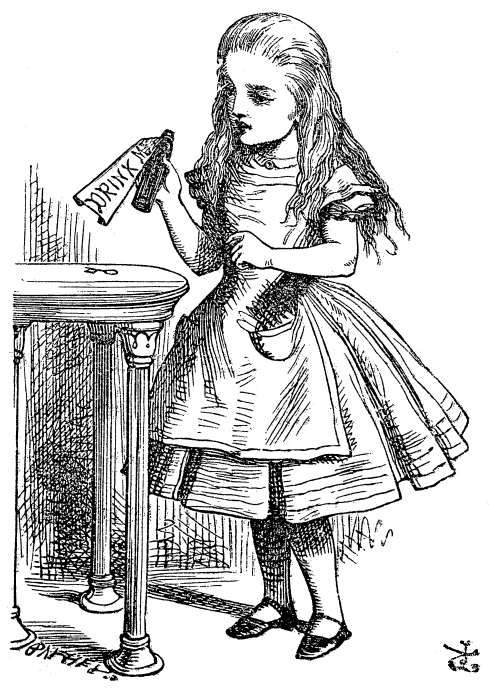
Dodgson was to rewrite the story under the name of Lewis Carroll and in 1865 it was published as ‘Alice’s Adventures in Wonderland’ – with illustrations by John Tenniel…. ‘Through the Looking-Glass and What Alice Found There’ followed in 1871….

Alice’s Adventures in Wonderland – John Tenniel – Public domain

For some reason Dodgson and the family completely broke all ties in June 1863 – there is no record as to why and it remains controversial…. Some think it was because he was becoming too close to Lorina, Alice’s older sister, or even Alice herself…. It is widely assumed Alice was the inspiration behind his writing but literary experts disagree to what extent the character is based on her…. Indeed Dodgson himself later said Alice was purely a fictional character….

Photograph of Alice Liddell by Dodgson, 1858 – Public domain

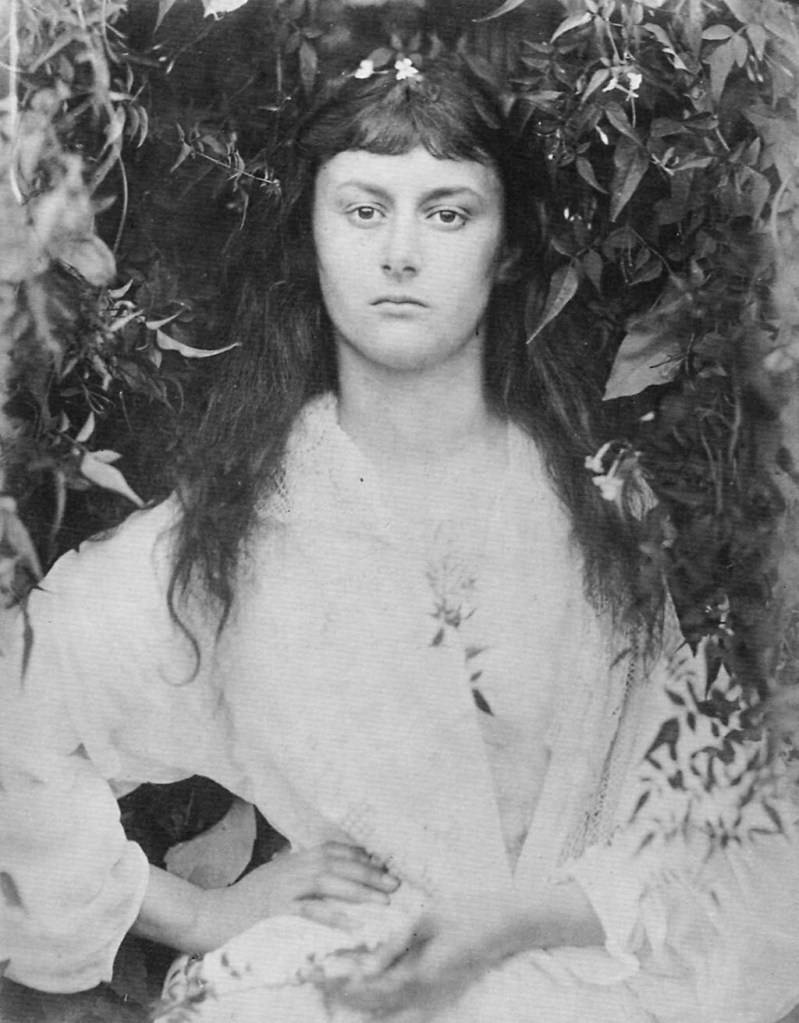
As for Alice Liddell herself…. When she was around 20-years-old Prince Leopold, the youngest son of Queen Victoria arrived at Christ Church as an undergraduate…. It is rumoured that he and Alice were involved in a romance – but as she was a commoner marriage would never have been allowed…. Instead, in 1880, she married Reginald Hargreaves…. Dodgson did not attend the wedding but he did send a gift…. She was to go on to have three sons, two of whom were to die during World War One…. She maintained a friendship with Prince Leopold – naming her first born Leopold and indeed the Prince was godfather to him…. In turn Prince Leopold named his daughter Alice….

Alice Liddell, aged 20 – photo by Julia Margaret Cameron – Public domain

In 1928 Alice sold her manuscript as she needed to raise money in order to pay death duties…. A reserve of £4K was put on it by Sotheby’s but it actually fetched over £15K – an awful lot of money in the day….

Alice lived most of her adult life in and around Lyndhurst in the New Forest…. She died on the 16th of November 1934 and was cremated at Golders Green Crematorium…. Her ashes were buried at St. Michael and All Angels, Lyndhurst….

Alice Hargreaves, 1932 aged 80 – Public domain

On this day in history….3rd May 1830

On this day in history : 3rd May 1830 – The opening of the Canterbury and Whitstable Railway – also known as The Crab and Winkle Line….

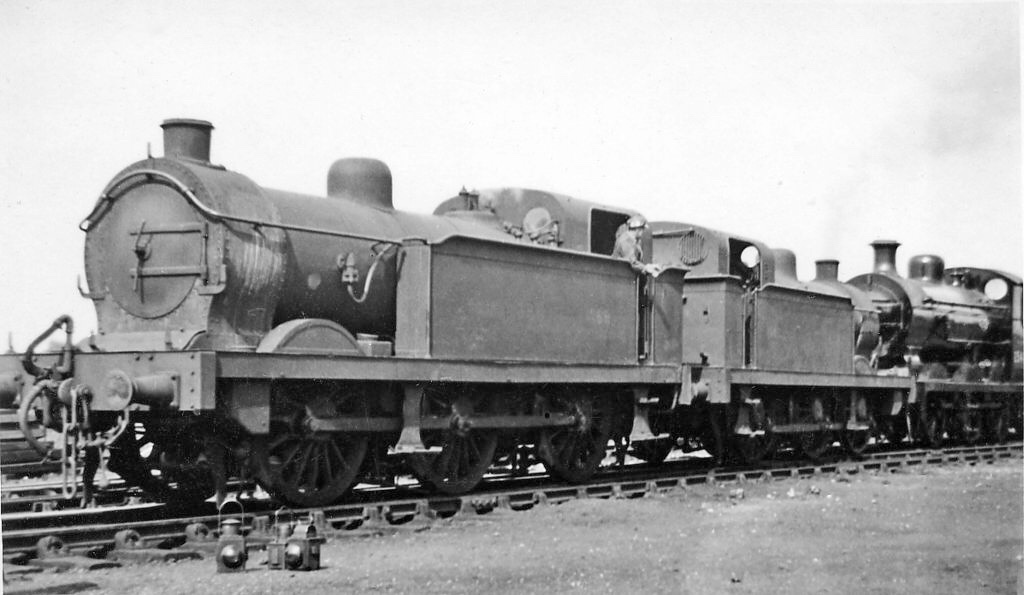
Two specially cut down SER locomotives for Tyler Hill Tunnel – Photo credit : Ben Brooksbank CC BY-SA 2.0

Up until the early 1800s goods had been transported from the Canterbury area via the River Stour…. However, the river was constantly silting up and the cost of dredging it became untenable….

In 1823 pioneer promoter of rail transport, William James, visited Canterbury and it was he who suggested a rail link between Canterbury and the Thames Estuary…. An initial Act of Parliament for the construction of a line to Whitstable – which was just a small fishing port at the time – was passed on the 10th of June 1825….

William James c.1800 – Engraving by W.Rolfe – Public domain

Plans for Whitstable were ambitious and included a whole new harbour…. James surveyed the area and decided the best route was the most direct, despite it involving three steep gradients and an 828 yard long tunnel…. Unfortunately James was not around to personally oversee the plans – as he had over-stretched himself in his financial commitments and found himself in debtor’s prison…. However, work continued without him with construction beginning soon after the Act had been passed….

Whistable Harbour map, 1938 – Public domain

George Stephenson was the appointed engineer – but in all fairness it was his deputy, John Dixon, who did the bulk of the work…. It did not take long before the ambitious scheme began to run out of money and in April 1827 a second Act of Parliament released another £19K…. The Tyler Hill Tunnel proved to be tricky, making progress a slow and difficult task…. A third Act of Parliament was required to secure another £21K….

In 1830 the line had reached Whitstable and freight transportation along with hourly passenger services began on the 3rd of May…. It took another two years for the link to the harbour to be completed….

By 1844 the line was facing bankruptcy and was taken over by the newly formed South Eastern Railway…. It was never to be a prosperous line and faced a further set back in 1860 with the opening of the London, Chatham and Dover Railway – which offered a faster passenger service between Whitstable and London….

In 1923 the line became part of Southern Railway – and on the 1st of January 1931 passenger services ceased – although the line continued to carry freight such as grain, coal, stone and during WW2 munitions…. The final freight train departed with its load on the 29th of November 1952 and the line finally closed on the 1st of December…. Almost immediately the lines were lifted and the infrastructure removed….

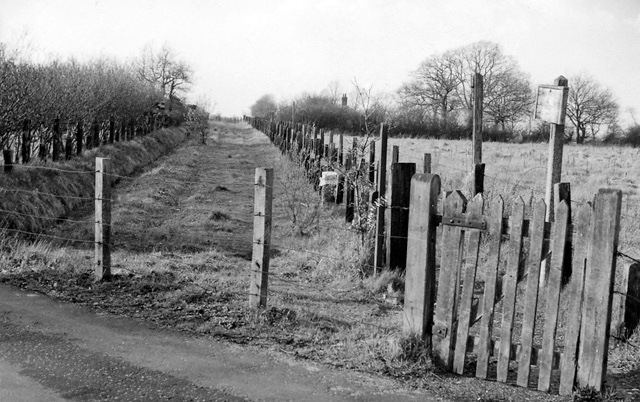
Site of Blean and Tyler Hill Halt, 1963 – Photo credit : Ben Brooksbank CC BY-SA 2.0

In 1997 a charity named The Crab and Winkle Line Trust formed to reopen the route as a footpath and cycleway…. In 1999 a seven mile long section running along part of the original track route was opened….

On this day in history….2nd May 1969

On this day in history : 2nd May 1969 – The British ocean liner Queen Elizabeth 2 departs Southampton to embark on her maiden voyage to New York….

QE2 at Southampton Docks, 1976 – Image credit : Adrian Pingstone – Public domain

The QE2 had been launched by Her Majesty Queen Elizabeth II on the 20th of September 1967…. Sea trials began in the Irish Sea on the 26th of November 1968 and proved to be disastrous…. Serious problems arose with the turbine engines and the QE2 had to return to the shipyard – with Cunard refusing to take delivery until the problems had been rectified…. As a result the original maiden voyage, which had been scheduled for January 1969 had to be cancelled….

When the liner did eventually leave Southampton thousands lined the quayside to wave her off and wish her bon voyage…. Equally as many were there to greet her on her arrival in New York on May the 7th…. It was a voyage that had taken 4 days, 16 hours and 35 minutes….

Image credit : Murgatroyd49 – own work – CC BY-SA 4.0

In her 35 years service as Cunard’s flag ship she carried some 2.5 million passengers – including The Queen and Nelson Mandella…. She was renowned for her elegant style and luxury…. However, on the 12th of May 1982 she set off for the Falkland Islands; all of her luxury fittings had been stripped out, lounges were turned into dormitories and three helicopter pads had been built…. She was carrying 3,000 troops to the South Atlantic…. She was to arrive back safely in Southampton on the 11th of June 1982….

The QE2 was involved in her fair share of adventures…. On the 8th of January 1971 she was called on to rescue passengers from the Antilles, which had run aground…. On the 7th of August 1992 she hit uncharted rocks near Cuttyhunk Island, Martha’s Vineyard and on the 11th of September 1995 she was caught in Hurricane Luis in the westbound Atlantic – and was hit by a 95 foot wave….

In October 1986 work began to convert the QE2’s engines from steam to diesel…. By January 1996 she had clocked up 4 million miles….by the end of August 2002 this had reached a staggering 5 million miles….

QE2 being fitted with new engines, Bremerhaven, November 1986 – Image credit : Dashers – own work – CC BY 3.0

She was becoming a tired old lady – albeit a majestic one…. On the 27th of November 2008 she was permanently berthed in Dubai – to await her fate….

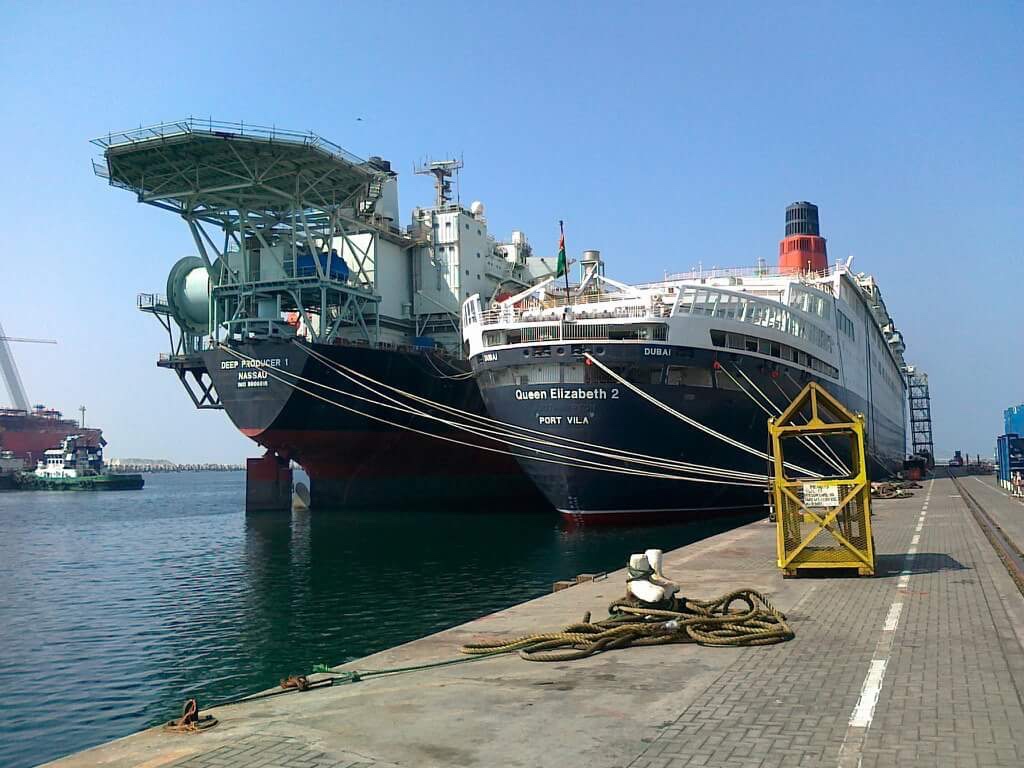
QE2 in Port Rashid, Dubai, late October 2015 – Image credit : Jidhin George CC BY-SA 4.0

On the 18th of April 2018 the QE2 finally opened as a luxury hotel – with 224 rooms and suites, 6 restaurants and nightlife venues, a spa, theatre, swimming pool, gym and meeting and conference rooms among the facilities….

Image credit : Gerpsych at English Wikipedia CC BY-SA 3.0

On this day in history….1st May 1759

On this day in history: 1st May 1759 – English potter and entrepreneur Josiah Wedgwood founds the Wedgwood pottery company – quickly becoming one of the leading manufacturers of Staffordshire pottery….

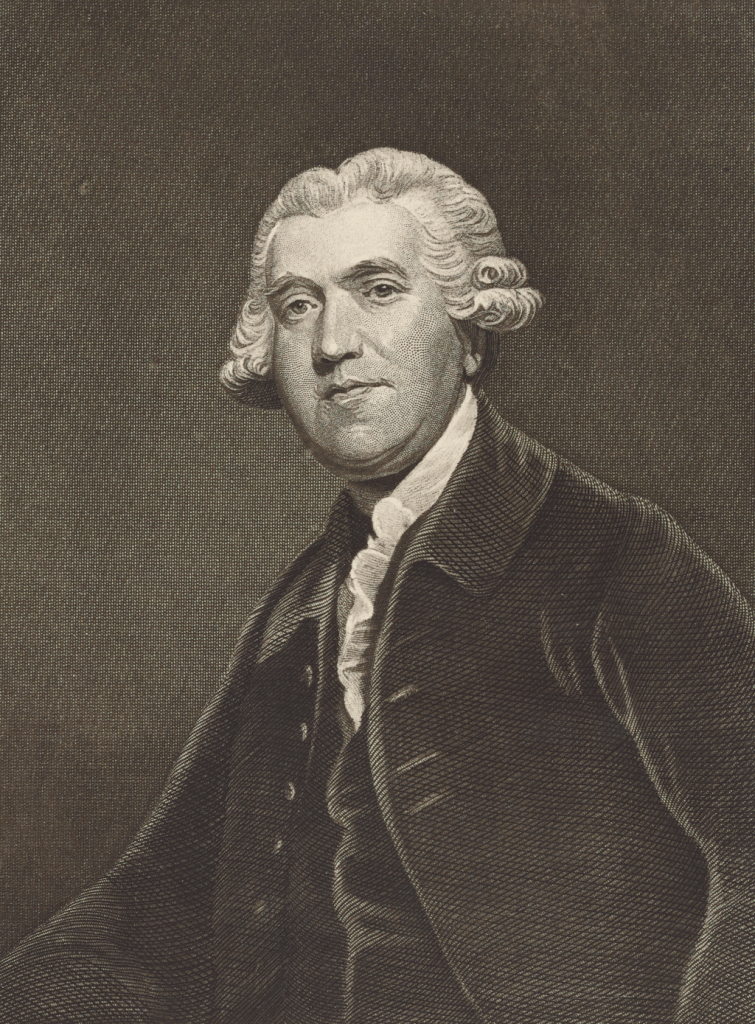
Josiah Wedgwood by Joseph Priestley – Public domain

Josiah, often described as ‘the Father of English Potters’, was born in 1730 the youngest of eleven children, in Burslem, Staffordshire – the heart of English pottery country…. He served an apprenticeship under his brother Thomas – but after suffering smallpox he was left with an extremely weak knee, making it nigh-on impossible for him to operate a potter’s wheel effectively…. Matters were not helped when his brother denied him a partnership in the business….

Undeterred, at the age of 29 Josiah set up his own business, initially renting the Ivy House works, Burslem, from his cousins John and Thomas Wedgwood…. He began to experiment in different techniques with clay….

In 1762 he met Thomas Bentley, a Liverpool merchant who had travelled extensively across the continent and had a vast knowledge of classical and Renaissance art…. A partnership was formed, one that would last until Bentley’s death in 1780….

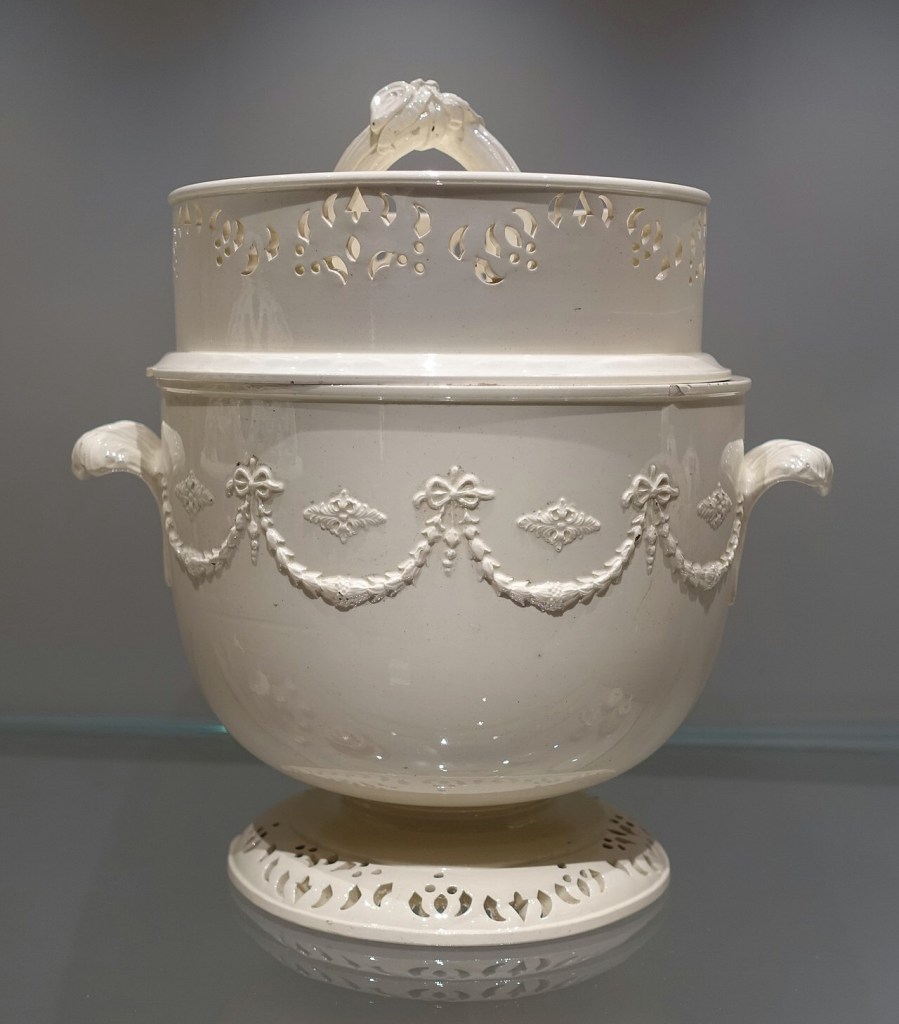
Wedgwood ice bucket circa 1770 Queen’s Ware – Daderot own work – Public domain

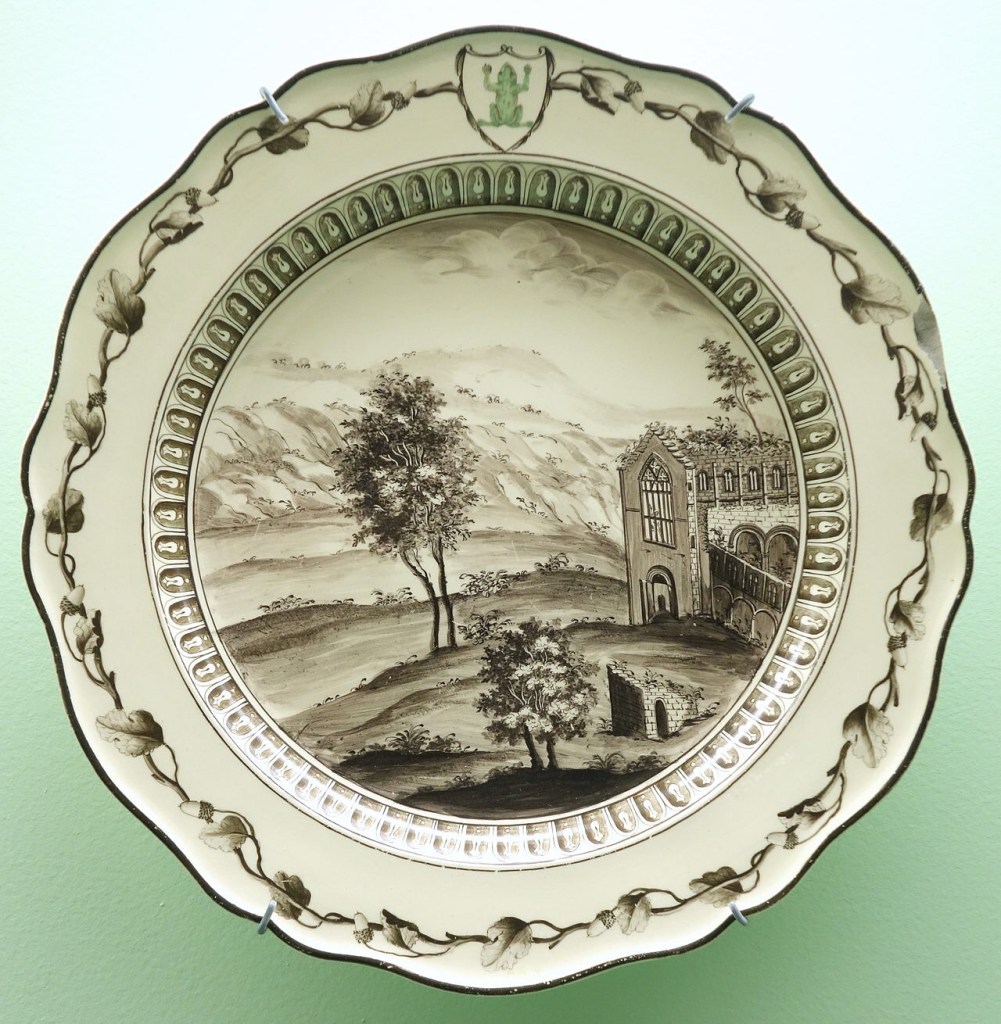
It was also in 1762 that Josiah was called on to produce a tea and coffee service for Queen Charlotte – the wife of King George III…. She permitted him to call this new cream coloured fine china he had produced ‘Queen’s Ware’…. A few years later the Empress Catherine the Great of Russia commissioned 50 place settings comprising of 952 pieces – all hand-painted with English scenery…. Wedgwood would go on to grace the tables of royalty and heads of state across the world….

Plate from service for Catherine II of Russia – Public domain

Josiah purchased the Ridge House Estate, 350 acres of land with a factory upon it…. This led to the opening in 1769 of the new Wedgwood factory at Etruria near Stoke-on-Trent…. Attached to the factory was a village which provided homes for the workers and their families – it was ensured that they had a good standard of living….

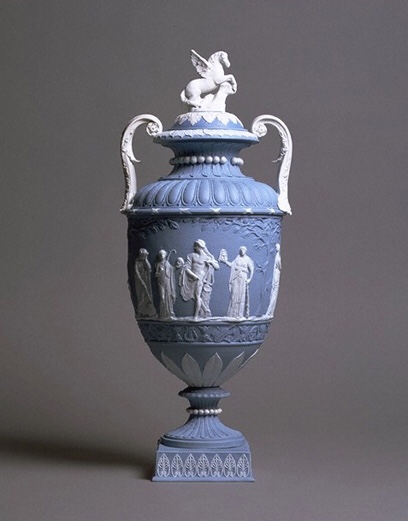
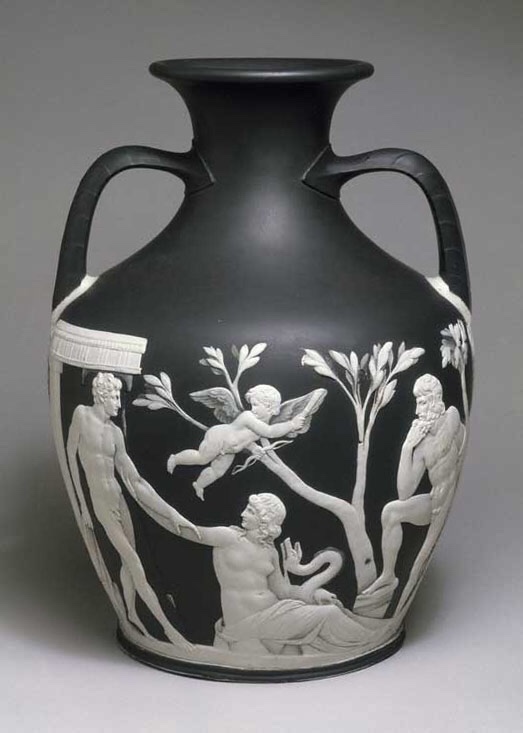
Another of Josiah’s well-known inventions is Jasperware…. After years of experimentation with Barium Sulphate the unglazed vitreous stoneware appeared in 1774…. It is instantly recognisable, with its delicate, moulded, relief-work set on a background of blue, green, yellow, lilac, black or white….

Josiah made everyday pottery into an art form…. In 1783 he was elected to The Royal Society….

After Bentley’s death Josiah was to go into another successful partnership, this time with his friend Erasmus Darwin…. The two families were to become even more entwined when Erasmus Darwin’s son married Josiah’s daughter – and they became parents to none other than evolution theorist Charles Darwin….

Josiah died in 1795; management of the business passed to company partners Josiah II (his son) and Thomas Byerley….