On this day in history….22nd December 1909

On this day in history : 22nd December 1909 – The birth of BAFTA award winning actress Patricia Hayes – who appeared in so many much loved radio and television comedy shows….

Fair use

Patricia was born in Streatham, London…. Her father, George Frederick Hayes, was a civil service clerk and her mother, Florence Alice, was a school teacher…. After attending school in Hammersmith Patricia joined the Royal Academy of Dramatic Art at the age of 18 – having already made her stage debut when she was just 12 years old…. After her training she was to spend the next ten years in the repertory theatre….

She married actor Valentine Brooke in 1939 and they were to have three children, two daughters and a son, the actor Richard O’Callaghan…. Patricia and her husband were to divorce in 1951, she never remarried….

During the 1940s she appeared in numerous films, including Went the Day Well? in 1942 and Nicholas Nickleby in 1947 – but during the 1950s it was radio and TV comedy that she was to become well-known for…. Her work included Hancock’s Half Hour, The Benny Hill Show, The Arthur Askey Show and Till Death Us Do Part…. She was frequently cast in the roles of Cockney characters…. She would still occasionally undertake film work, appearing in films such as The Bargee in 1964, The NeverEnding Story in 1984, A Fish Called Wanda in 1988 and Willow in 1988….

Theatrical release poster for The NeverEnding Story

But it was in 1971 that Patricia took on a very different role to her usual comedy characters, when she stared in Jeremy Sandford’s Play for Today Edna, the Inebriate Woman…. Her powerful portrayal of the drunk and troubled Edna won her a BAFTA…. After this it would have been easy to alter the path of her career to follow a route of more serious roles – but Patricia chose to return to the comedy she did so well….

She was awarded with an OBE in 1987…. She continued acting well into the 1990s with appearances in ITV’s The Bill and the BBC’s Lovejoy…. Patricia died on the 19th of September 1998 in the Surrey village of Puttenham and is buried in Watts Cemetery, Compton…. Her last film Crime and Punishment was released posthumously in 2002….
On this day in history….21st December 1846

On this day in history : 21st December 1846 – Scottish surgeon Robert Liston uses ether as an anaesthetic for the first time in a British operation – to perform the amputation of a leg….

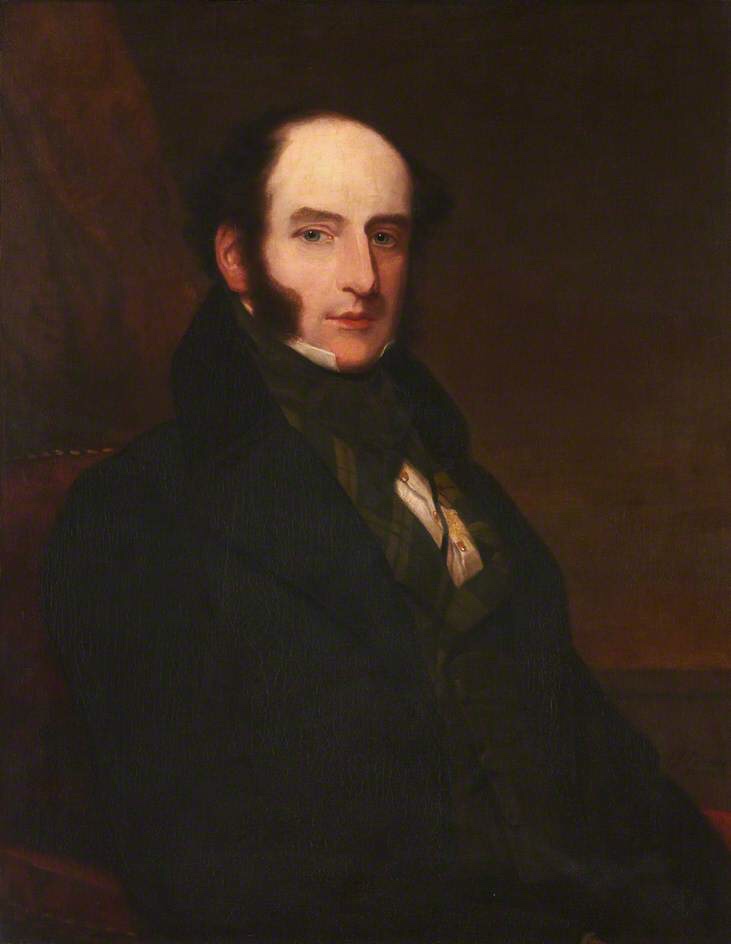
Robert Liston, 1847 – Portrait by Samuel John Stump – Public domain

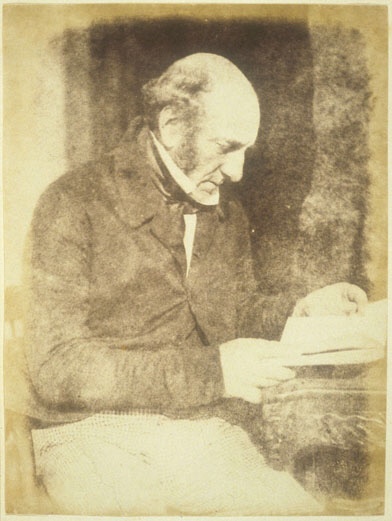
Liston had become the first Professor of Clinical Surgery at the University College Hospital in London in 1835…. He was known as ‘the fastest knife in the West End’, as he could amputate a leg in two and a half minutes….

At 6 foot 2 inches he was an imposing figure…. He would remove his frock coat and operate in his Wellington boots…. After his patient had been strapped down he would call out to his students “Time me gentlemen, time me”…. Then with a whirling of his knife and saw he would cut through the flesh and bone of the offending limb…. He once, in addition to his patient’s leg, severed two fingers belonging to his assistant…. Both patient and assistant later died of sepsis…. Another time he amputated a leg but inadvertently cut off his patient’s testicles as well….

This may all appear rather barbaric – but at the time speed was of the essence, to reduce the period of intense pain and to improve the chances of survival…. Between 1835 and 1840 Liston carried out 66 amputations and only 10 of his patients actually died…. (Oh and the occasional assistant of course)….

Photograph of Robert Liston c.1845 – Public domain

On the 21st of December 1846 Frederick Churchill was the first patient in Europe to have surgery under anaesthetic…. The first operation using ether had been carried out on the 16th of October 1846 by Surgeon William T.G. Morton in Massachusetts…. When performing the amputation of Frederick Churchill’s leg Liston commented “This Yankee dodge beats mesmerism hollow”….

On this day in history….20th December 1979

On this day in history : 20th December 1979 – More than five million council tenants in Britain are to be given the right to buy their homes as The Housing Bill is published….

The right-to-buy scheme gave council tenants, who had lived in their homes for up to three years, a 33% discount on the market value of the property…. This discount increased the longer they had lived there, up to 50% for those who had been resident for twenty years or more…. Additional help was offered in the way of a 100% mortgage from the local authority….

Margaret Thatcher’s Conservative Government believed a property owning population would be a more socially responsible one and that the social structure of Britain would change for the better…. Michael Heseltine, the then Secretary of State for the Environment, stated “This Bill lays the foundations for one of the most important social revolutions of this century”….

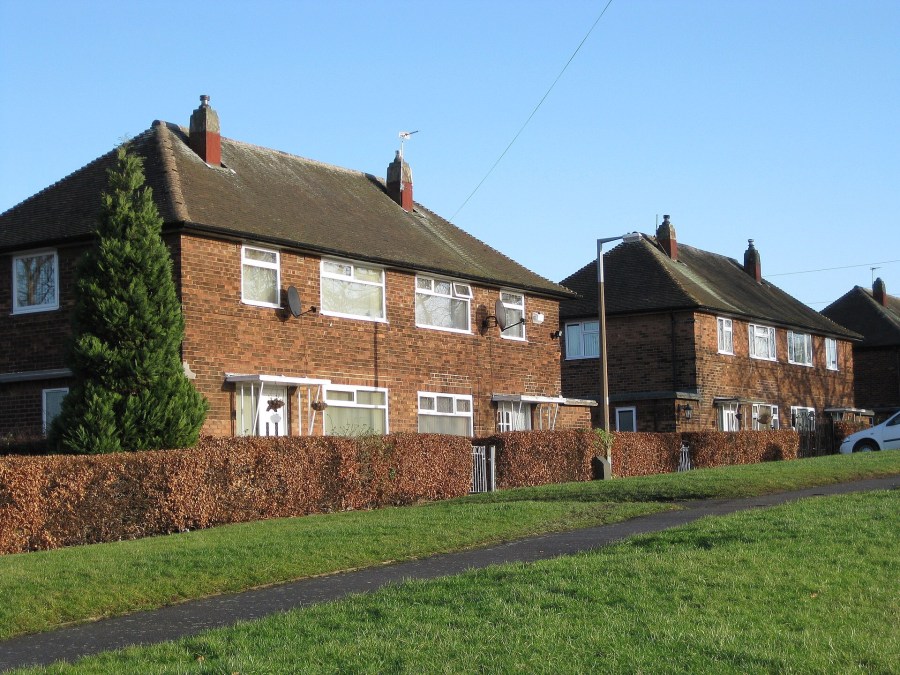
Semi-detached council homes, Seacroft, Leeds – typical of the many now privately owned – Image credit : Chemical Engineer – Public domain

The scheme was strongly oppose by Labour – but nevertheless The Housing Act came into force on the 3rd of October 1980…. By November 1982 more than 400,000 households had bought their homes and the scheme extended to leasehold property tenants…. By 2003 it is estimated some 1.5 million council homes had been sold….

There is now a shortage of social housing across the UK….

On this day in history….19th December 1981

On this day in history : 19th December 1981 – The eight volunteer crew of the Penlee Lifeboat lose their lives attempting to rescue those onboard the Union Star, off the coast of Cornwall…. In all sixteen people perish….

Memorial garden at Penlee – Image credit : Chris Wood – own work CC BY-SA 4.0

The MV Union Star had been launched a few days before in Denmark…. It was a mini-bulk carrier, registered in Ireland and was making its maiden voyage having collected a cargo of fertiliser from Holland to be delivered to Arklow, Ireland…. Onboard were five crew and the wife and two teenage daughters of Captain Henry Morton….

As the Union Star reached the south coast of Cornwall, approximately 8 miles east of Wolf Rock, the ship’s engines failed…. The crew attempted to restart them but unsuccessfully – a salvage tug offered assistance but this was refused as the crew believed at the time that the issue could be sorted….

However, the weather deteriorated and soon force 12 winds were whipping up 60ft waves – and the Union Star was being pushed towards the rocks of Boscawen Point close to Lamorna Cove…. A Sea King helicopter was scrambled by the coastguard – but on arriving it was unable to get a line to the Union Star…. There was no alternative but to call out the lifeboat….

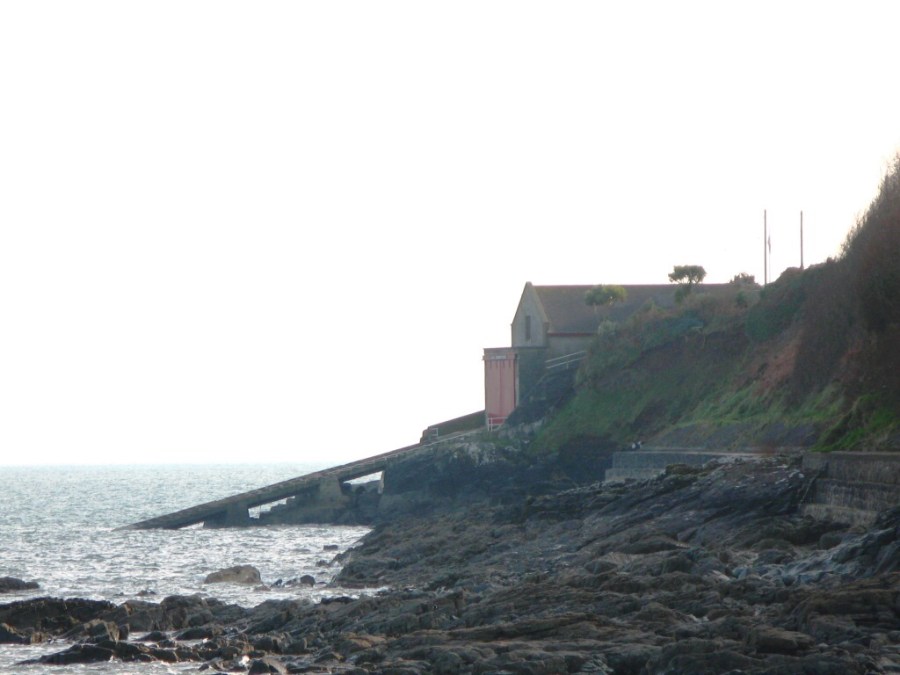
Original Penlee Lifeboat Station, where Solomon Browne was launched from – Image credit : Geof Sheppard – own work CC BY-SA 4.0

It was the Penlee (near to Mousehole) Lifeboat that responded…. The Solomon Browne was a 47ft wooden Watson Class motorised lifeboat, which had been built in 1960…. It was launched to embark on its rescue mission at 8.12pm and once it reached the Union Star was successful in managing to take 4 people off the stricken ship…. It then made a further attempt to go back alongside to rescue those still onboard – but at that point all radio contact with the two vessels was lost…. It is unclear exactly what happened next – but ten minutes later the lights of the lifeboat had disappeared….

Wreckage from the lifeboat was later found along the shore and the Union Star lay capsized on the rocks west of the Tater Du Lighthouse…. There were no survivors and only some of the sixteen bodies were ever recovered….

Tater Du Lighthouse – Image credit : Tom Corser CC BY-SA 3.0

An inquiry determined that the Union Star’s engines had failed due to contamination of the fuel by sea water…. The severity of the storm had made the rescue operation intensely difficult and had resulted in the loss of the Solomon Browne…. Tribute was paid to the crew….

“In consequence of the persistent and heroic endeavours by the coxswain and his crew to save the lives of all from the Union Star. Such heroism enhances the highest traditions by the Royal National Lifeboat Institution in whose service they gave their lives”….

Coxswain William Trevelyan Richards was posthumously awarded the RNLI’s gold medal and the remainder of the crew – Stephen Madron, Nigel Brockham, John Blewitt, Charlie Greenhaugh, Kevin Smith, Barrie Torrie and Gary Wallis – were each awarded the bronze medal….

Within a day of the disaster there were enough volunteers from Mousehole to form a new lifeboat crew….

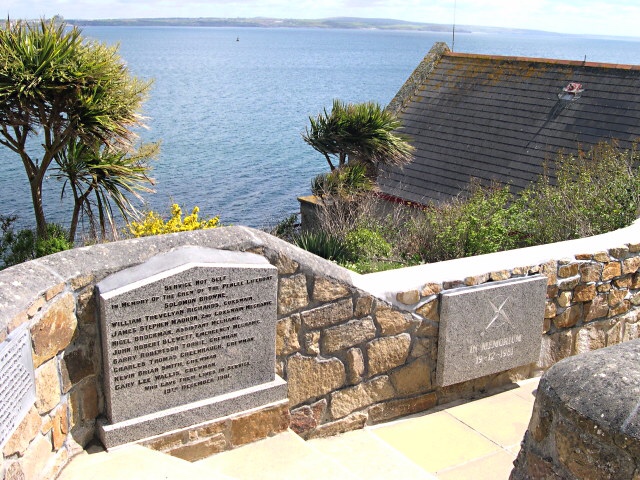
Penlee Lifeboat Memorial – Image credit : Tony Atkin CC BY-SA 2.0

On this day in history….18th December 1985

On this day in history : 18th December 1985 – British born Kevin Barlow and Australian Brian Chambers face the death penalty in Malaysia after their appeal against conviction for drug smuggling is rejected….

The pair, who were both 28 years old and residents of Australia, were arrested in the November of 1983 at Penang International Airport with 180 grams of heroin in their possession…. Each blamed the other and pleaded innocence – however, at their trial in the following July both were found guilty….

The two men appealed the decision…. Barlow’s aunt, back in Britain, appealed directly to Prime Minister Margaret Thatcher and to the Foreign Office to intervene and seek clemency on their behalf…. But it was the Australian authorities who took the lead – headed by Bill Hayden, the Australian Minister for Foreign Affairs and who was firmly against the death penalty…. However, the Supreme Court of Malaysia refused any leniency and upheld the ruling that they should be executed….

The Honourable Bill Hayden – Image credit : Ali Kazak 9 – CC BY-SA 3.0

Despite a last minute plea for a stay of execution from Australian Prime Minster Robert Hawke both men were hanged in Pudu Prison on the 7th of July 1986…. A law had been introduced in Malaysia in 1983 that if anyone was caught with more than 15g of heroin it carried a mandatory death penalty…. Barlow, a welder from Perth and Chambers, a building contractor from Sydney, were the first non-Malaysians to be hanged under the country’s strict drug laws…. In Australia a similar offence would have received a sentence of three years imprisonment…. After the executions relations between Australia and Malaysia soured….