Blog

On this day in history….22nd September 1914

On this day in history : 22nd September 1914 – Three Royal Navy cruisers are sunk after being torpedoed by one single German U-Boat….

img_3887
Illustration by Hans Bohrdt depicting the sinking of HMS Cressy, HMS Aboukir and HMS Hogue – Public domain

The incident was a wake up call to both the British and Germans; it had not yet been realised the full potential of the new submarines…. Some in authority had been dismissive of their usefulness – but this heralded the dawning of a new era….

img_3885
U-9 – Public domain

The three Royal Navy cruisers, HMS Hogue, HMS Aboukir and HMS Cressy, were making their way across the North Sea and were a few miles off the coast of the Netherlands…. They had been sailing abreast at a distance of a couple of miles apart – no precautions against submarines, such as ‘zig-zagging’, were undertaken as the sea conditions were rough and considered as to be too unsuitable for the operation of submarines….

img_3882
HMS Cressy, lead ship of the squadron – UK Government, public domain

The three cruisers had been built in the late 1800s/early 1900s and the general view was that they were unreliable and verging on becoming obsolete…. The crews were inexperienced, mostly recruited reservists and many were young, even including naval college cadets younger than 15-years-old…. They were part of a squadron who’s job was to patrol the North Sea – such was their inadequacy they were known as the ‘Livebait Squadron’…. Some high ranking authorities – admirals, commodores and even the First Lord of the Admiralty himself, Winston Churchill – had raised concerns at such an inexperienced squadron performing this role…. However, those in direct charge insisted the squadron in its current capacity remain in service and continue their duties until the time came that they could be replaced by the new Arethusa Class cruisers – which were awaiting completion…. So the events of the 22nd of September would most likely have caused considerable embarrassment to the immediate senior officers – they had completely underestimated the capabilities of the German U-Boat….
img_3883
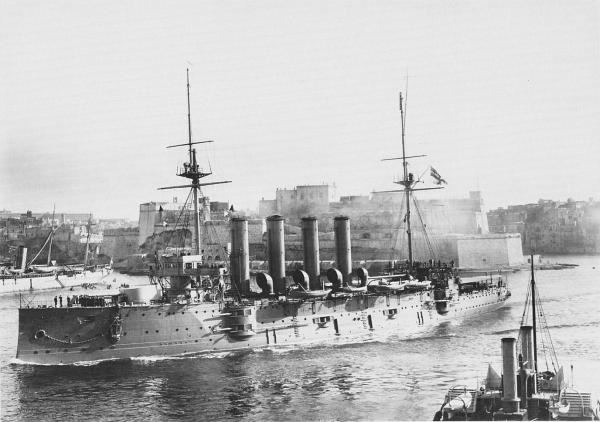
HMS Aboukir – UK Government, public domain

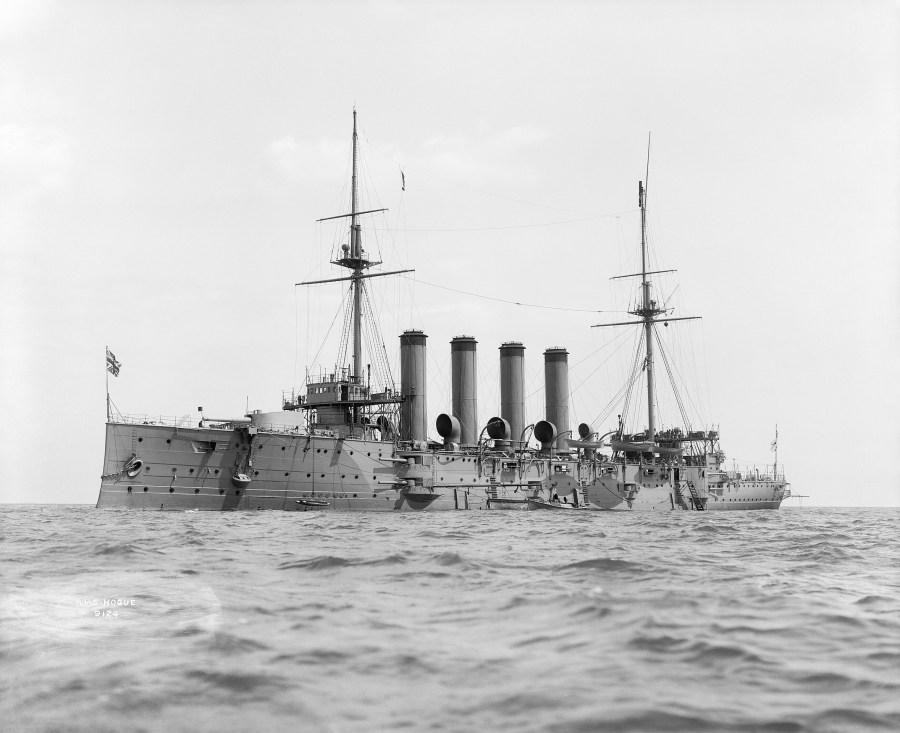
Kapitanleutnan Otto Weddigen was in charge of the Tyne U9 U-Boat that was to first strike at 6.30 am…. He had been patrolling these waters, on the hunt – and the three cruisers were sitting ducks…. The first torpedo struck HMS Aboukir – the captain, John Drummond, thought they had hit a mine and called the other two ships for assistance…. A massive explosion sent the Aboukir down at 6.55am – just as she was disappearing beneath the surface HMS Hogue arrived to pick up any survivors….only to be hit by a torpedo herself…. Next on the scene was HMS Cressy – to meet the same fate….
img_3884
HMS Hogue – Symonds & Co, public domain

In total 1,459 men lost their lives; Britain was horrified and outraged – but such was the propaganda that the news reported that the squadron had been hit by six German U-Boats – but in truth senior officers faced reprimands…. A valuable lesson was learned….albeit a very expensive one in the respect of the unnecessary loss of lives….

As for Kapitanleutnan Weddigen – he was hailed a national hero and awarded the Iron Cross First Class….and his crew received the Iron Cross Second Class….

img_3886
Otto Eduard Weddigen – Public domain

On this day in history….21st September 1915

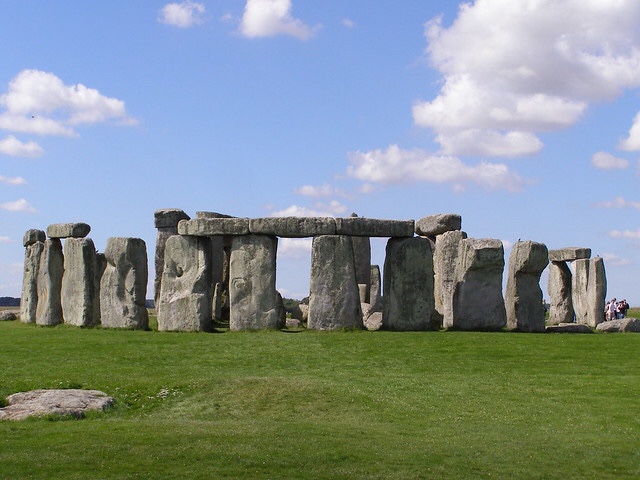
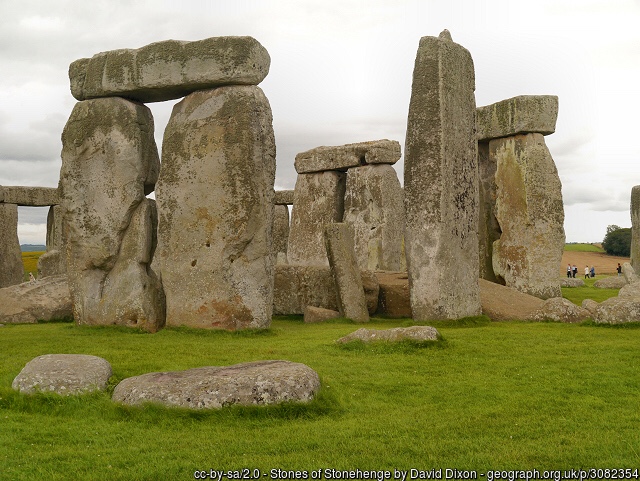
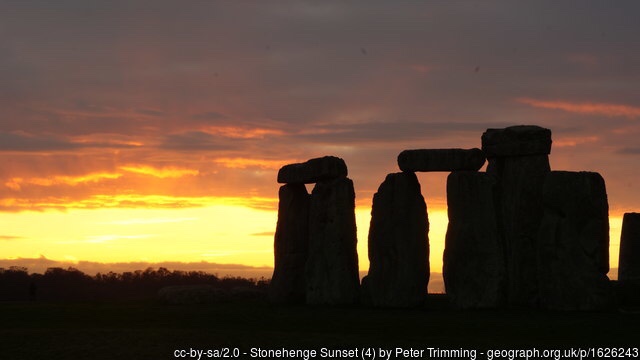
On this day in history : 21st September 1915 – Stonehenge is sold at public auction….to a Mr Chubb – who bought it as a surprise gift for his wife, at a cost of £6,600….

img_3875
Image credit : Momentum Dash via Flickr

It is hard to think that one of our most treasured national monuments was, only just over 100 years ago, actually put up for auction…. The then neglected stone circle was sold at Salisbury’s Palace Theatre; it featured as Lot No.15 in the sale’s published catalogue….

OLYMPUS DIGITAL CAMERA
Image credit : thegarethwiscombe via Flickr

Cecil Chubb came from a very ordinary background; his father was a saddle and harness maker in Shrewton, a village near to Stonehenge…. Cecil was obviously a bright child, he earned a place at grammar school and later went on to Cambridge University – enabling him to eventually train as a barrister, which he was very successful at and became comfortably wealthy….

img_3879
Sir Cecil Chubb, May 1926 – Bain News Service (publisher) – Public domain

It is rumoured Cecil’s wife sent him to the auction in order to purchase a set of dining chairs….and was none too impressed by her husband’s romantic gesture of bestowing upon her a pile of mouldy old stones…. However, it is more likely that Cecil was keen to see a piece of British history remain part of the Country’s heritage – his fear being that Stonehenge may be bought by purchasers from overseas…. In his words – “I thought a Salisbury man ought to buy it, and that is how it was done”…. Three years later he gifted the 4,500-year-old monument to the Nation – his condition being the public should not have to ever pay more than a shilling to visit it – and local people should have access for free….img_3877

Stonehenge is now a UNESCO World Heritage Site, managed by English Heritage…. Over one million visitors visit the stones every year; an adult entrance ticket currently costs £19.50 (£17.50 if pre-booked), which is a bit more than a shilling – although some 30,000 local people are still entitled to visit for free….img_3878

On this day in history….20th September 1967

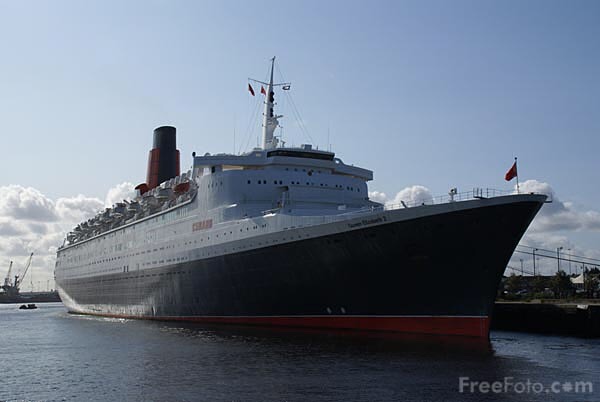
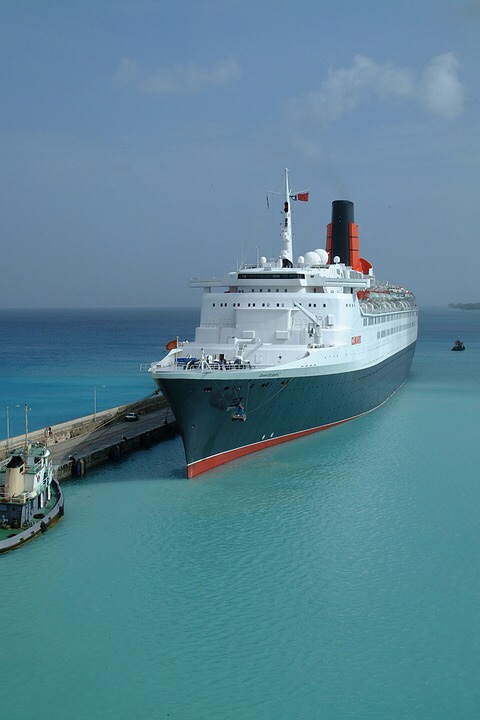
On this day in history : 20th September 1967 – The 58,000 ton Cunard cruise liner, The QE2, is launched at Clydebank, Scotland by Her Majesty Queen Elizabeth II….img_3874-1

Thousands on onlookers watched as the Queen, accompanied by Prince Philip and Princess Margaret, pronounced “I name this ship Queen Elizabeth the Second. May God bless her and all who sail in her”…. She then pressed a button and a bottle of Champagne was released to shatter against the side of the ship…. The cruise liner slowly began its backward descent down its launching ramp towards the water, gradually gaining speed as it went – reaching 22mph as it entered the water, sending a two-foot high wave across the Clyde….

Picture of the famous cruise liner QE2 Queen Elizabeth 2 on its last visit to Tyneside

img_3873

On this day in history….19th September 1879

On this day in history : 19th September 1879 – The very first Blackpool Illuminations, called ‘Artificial Sunshine’, bathe the Promenade in light, a whole month before electricity becomes generally available in London….

img_3869
Image credit : Karen Fletcher via flickr

Blackpool was already an established seaside resort and was lit by gas lamps…. The council decided to invest £5,000 in experimenting with the concept of electric street lighting…. So, on the 19th of September 1879, eight Siemen’s dynamo-electric machines powered by sixteen Robey engines were used to power eight arc lamps, spaced 320 yards apart, along the Promenade…..giving a light equivalent to that of 48,000 candles…. Between 70,000 and 100,000 people travelled from across the Country to witness it….img_3870

The first form of the modern day display came about in May 1912 with a royal visit by Princess Louise to open a new section of Promenade – an electrical engineer was employed to create a display…. About 10,000 bulbs were used and the result was so impressive that the council were persuaded to repeat the performance as an after season event in the following September…. Once again, in 1913, the lights shone – but with the outbreak of WW1 darkness reigned…. It was in 1925 that the illuminations were reinstated, this time on an even more ambitious scale and their popularity grew – continuing to do so until the Second World War…. Even after the war ended rationing prevented the lights from being switched back on again – it wasn’t until 1949, after special permission from the Government to burn so much electricity, that the lights returned in all their glory….and have entertained the crowds every autumn ever since….

img_3871-1
Image credit : Mjobling, Wikipedia project – Public domain

On this day in history….18th September 1970

On this day in history : 18th September 1970 – American musician, Jimi Hendrix, dies in London of an accidental drug overdose….

img_3858
Hendrix performing on Dutch TV show ‘Hoepia’ in 1967 – A.Vente CC BY SA 3.0 nl

Born Johnny Allen Hendrix in Seattle, Washington, on the 27th of November 1942, Jimi began to play the guitar at the age of 15…. He joined the US Army in 1961 and trained as a paratrooper; after being given an honourable discharge he moved to Clarksville, Tennessee…. It was here that his music career began….playing in the bands of some of the greats of the time, including Little Richard and the Isley Brothers….

img_3859
Hendrix in the US Army, 1961 – Unknown US Army Personnel photographer – Public domain

Upon being discovered by Linda Keith, who had strong connections with the ‘Swinging London’ scene, Jimi relocated across the Atlantic to London…. It did not take long for him – with his ‘The Jimi Hendrix Experience’ – to achieve three top ten positions in the UK charts, with ‘Hey Joe’, ‘Purple Haze’ and ‘The Wind Cries Mary’…. Soon after he also accomplished fame in the US – after his performance at the Monterey Pop Festival in 1967…. In 1969 he headlined at Woodstock – and by this time was the world’s most highly paid music artist…. His last festival performance was on the Isle of Wight in 1970….

img_3860
The Experience, 1968 – Warner/Reprise Records – Public domain

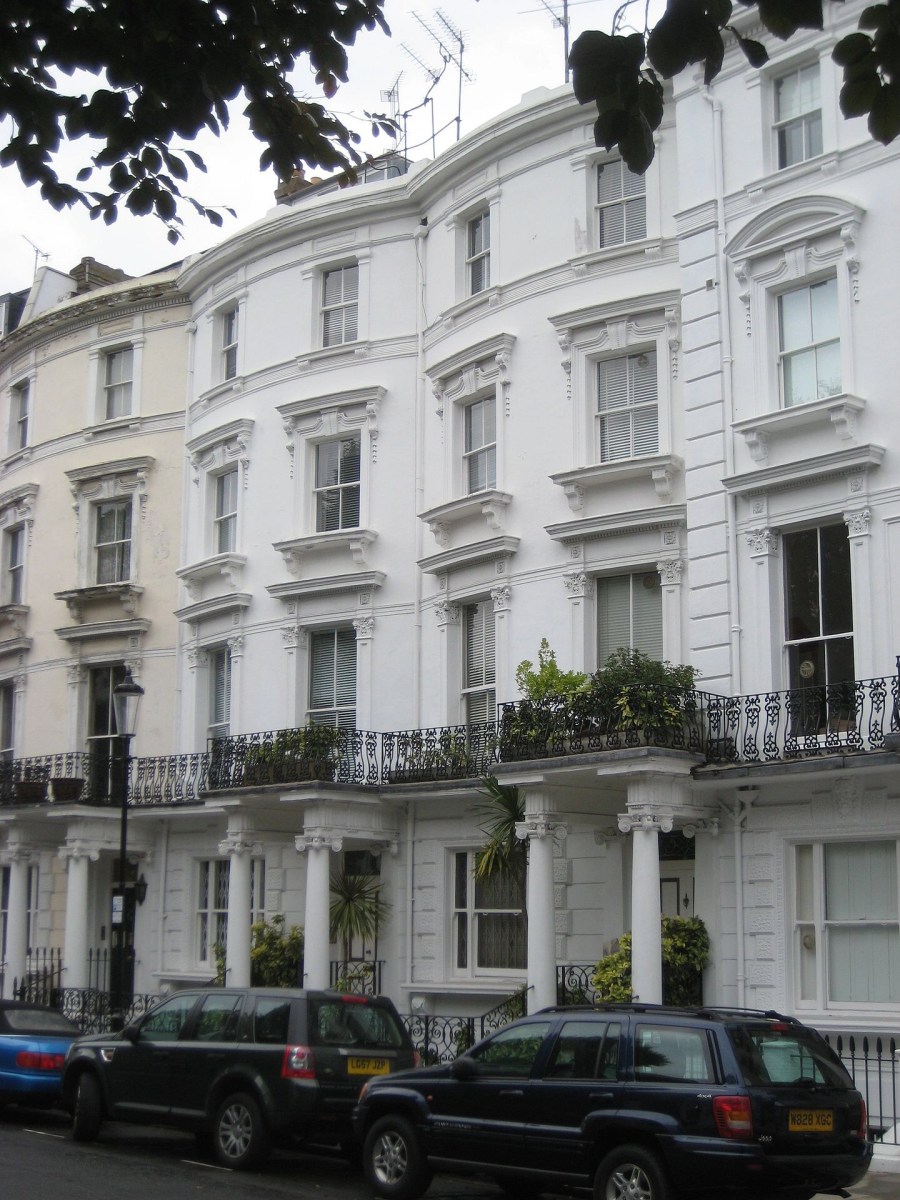
The last person to see Jimi alive was his German artist girlfriend, Monika Dannemann…. She had collected him in the early hours of September 18th from a party he was attending – she then drove him back to her apartment at the Samarkand Hotel in Nottinghill, West London…. Jimi had been feeling unwell for the previous few days – he had been suffering ‘flu symptoms, was not sleeping properly and was under strain from being overworked….

img_3861
The Samarkand Hotel – Image credit : TEL-Brough – Public domain

It was later, after a few hours sleep, that Monika awoke to find Jimi sleeping peacefully beside her – so she took the opportunity to slip out of the apartment to go and buy some cigarettes…. On her return Jimi was still in bed, he was breathing but unconscious…. An ambulance arrived at 11.27am and Jimi was taken to St. Mary Abbot’s Hospital, Kensington; at 12.45pm he was pronounced dead…. A post mortem revealed he had died of asphyxiation after choking on his own vomit whilst being intoxicated with sleeping pills….

img_3868
Image credit : mirjoran via Flickr