It was whilst foraging in the garden the other day, looking for wild strawberry leaves to tempt a poorly rabbit that I am caring for, that I came across a white spider…. My instinctive reaction was to recoil in horror – not because I have any fear of spiders, they don’t usually bother me – but because of something my mother always says….
I don’t think I have ever actually seen a pure white spider before…. I have come across some very pale ones which I thought to be white but this little fella was unmistakable….
A bit of detective work (good old Google) meant I was able to identify the arachnid as a crab spider (misumena vatia). Apparently, it is quite a common chap here in the South of England and can often be found between April and September. Usually they prefer yellow or white flowers, which are good camouflage, so they can pounce on unsuspecting flies and bugs, trapping them in their crab-like front legs. The interesting thing about these particular crab spiders, is their ability to change colour to match their surroundings. This can take a few days but they are able to appear white, yellow or green….
So, now you are probably wondering what all the fuss was about…. Why my horror at finding what is fundamentally a harmless little creature just minding its own business? Well, ever since I can remember my mum has always told me that to come across a white spider means a death is soon to occur, either within the family or someone closely connected to it….
Being of a superstitious nature, it wasn’t just the identification of this small soul I was Googling, I wanted to see if I could find any reference to the old wives tale…. I discovered all kinds of beliefs surrounding our eight legged friends; money spiders bringing wealth, how seeing a spider weave its web in the morning is a bad omen, killing a spider means extreme bad luck and having cobwebs in the house is seen as lucky – but nowhere could I find anything about the impending doom and gloom a white spider is supposed to bring….in fact all my searching revealed quite the opposite. To find a pure white spider is a sign that changes for the better are due to arrive and an increase in wealth could well be in store….
So, where did Mum’s belief stem from? When I asked her, she told me it was something her granny always used to say…. This got me thinking about how such tales and folklores vary from region to region and from family to family. Superstitions are often a family ‘thing’, passed from generation to generation, it gives a sense of belonging. Most of these beliefs involve luck, whether the bringing of good fortune or keeping misfortune at bay…. Many require some kind of ritual; an action we repeat which is symbolic – to give us security and comfort…. A vast majority of the superstitions we know today can be traced back to the Middle Ages or even before….
During Mediaeval times, the World was both a wondrous and terrifying place; due to the lack of scientific understanding, general illiteracy and yet a need for an explanation of the unknown, people turned to other sources for answers – namely magic, evil spirits, witches and demons…. The World became obsessed with witchcraft, it is estimated some 200,000 people were executed after being accused of practising it…. I have already touched on some of the ways people protected their homes from witches in a previous blog (Within these walls…) – but there are so many other superstitions and their associated customs and rituals that also originate from this time….
Throwing spilt salt over the left shoulder is something I for one have done on occasion but never really knowing why. Back in the Middle Ages, salt was an extremely expensive commodity, certainly not to be wasted. Rather than just discard spoiled salt, why not try to get some use from it….by chucking it over the shoulder, into the eyes of any evil spirit that might just happen to be lurking behind….
Keeping evil out of the house was a priority. Placing rosemary by the door was thought to deter the likes of witches; growing ivy on outside walls was also meant to protect a property. An iron horseshoe above the door made a witch hesitate before entering a building. It had to be the correct way up to prevent the luck from escaping and it had to have come off of the horse naturally rather than being purposely removed….
Sometimes evil spirits could sneak into the home unnoticed – they could hide in things brought indoors, such as between the leaves of certain vegetables, like cabbages and lettuces. Do you cut a cross into the bottom of your Brussel sprouts whilst preparing them for the pot? Contrary to belief, doing so doesn’t help them to cook any better – it comes from an old belief that tiny demons hide inside them. If these demons happen to be swallowed, they can enter the body….
Occasionally accidents happen, such as the breaking of a mirror. In the Middle Ages it was commonly believed that the reflected image was actually the soul of the person looking into the mirror; so if it were to break, it meant the fracturing of the soul…. To counteract the predicted forthcoming ill-luck, it was necessary to wait for seven hours before clearing up the broken shards and then disposal required burying them outside, under the light of the moon….
Great pains were taken to avoid tempting ill-fate, something we often do unconsciously today. How many times have you stepped off the pavement in order to divert from walking under a ladder? When a ladder is in position, for example leaning against a wall, it forms the shape of a triangle. The triangle is the sign of the Holy Trinity; it was once thought to be seriously unlucky to break the triangle by walking through it….
Thirteen, for some, is an extremely unpopular number. The number of people at the Last Supper equalled thirteen, the thirteenth guest being Judas – he who betrayed Jesus. The Crucifixion occurred on a Friday – thus explaining the superstitions surrounding Friday the 13th…. For centuries people avoided having thirteen diners around the table….in fact having thirteen at a gathering could warrant being accused of witchcraft….
The term ‘bless you’ comes from times of the plague. It was at this time that people began to cover their mouths and noses when sneezing, to stop the spread of germs. Saying ‘bless you’ was thought to stop the Devil from entering the body during the sneeze….
Of course, there were lots of ways to entice good luck, many of which have stayed with us. Crossed fingers for instance, making the sign of the cross, to protect from bad luck and evil spirits – we all do it when willing something positive to happen…. (or perhaps when making a promise we don’t intend to keep)…! Touching wood is another; this comes from the old belief that sacred trees, oak, ash and hawthorn, had spirits that protected from evil and demons….
Tossing a coin into a wishing well stems from the idea that certain wells and pools were the home to water spirits – coins were thrown in as offerings….hoping a wish would come true…. Of course, nowadays many a charity may benefit from our wishful thinking….
Then there are occasions that require good luck blessing rituals….such as weddings. Bridal clothes were considered to be especially luck – there was once a time when a bride could expect to have the clothes she wore physically ripped from her….gradually, the focus moved on to the garter, which represented sexuality and fertility. Batchelors would fight to obtain the garter as the belief was that he who gained it would be delivered of a beautiful, fertile wife….
Still today, we follow so many wedding traditions that have been with us for centuries. The same can be said for so many other areas of our lives, all those little quirks that have stayed with us…. So, whatever superstitions you observe, be it black cats, avoiding the cracks in the pavement, not putting you umbrella up indoors, saying ‘white rabbit’ on the first day of a new month or looking for four-leaf clover…. Be lucky X ….
Oh look! I’ve just spotted a pair of magpies outside….
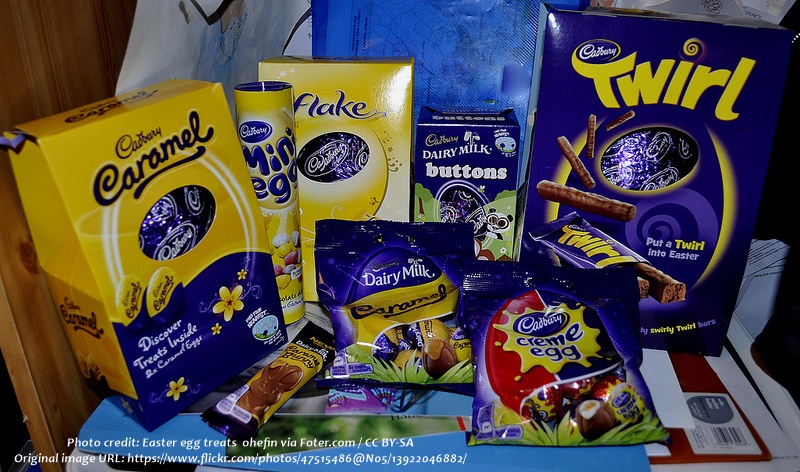
Well, I for one am feeling quite proud of myself – there’s a whole stash of Easter eggs hidden at the bottom of the wardrobe, ready for this coming weekend – and they’ve been there for a whole week! Temptation has been resisted….
Come on, be honest….who’s already dipped in – safe in the knowledge they can easily be replaced next time a visit to the supermarket is required? Let’s face it, Easter eggs are so readily available and affordable these days, (many supermarkets regard them as lost leaders)….but this wasn’t always the case….
Early chocolate Easter eggs were an extravagant gift given by wealthier members of Victorian society – the mass commercialised eggs we know now didn’t appear until the 1950s….
To understand our love affair with chocolate we perhaps need to go back to its origins….it was certainly in a very different format to what we are familiar with today….
It was some 3,000 years ago, when Aztecs living in what is now present day Mexico, started to cultivate cacao plants, found growing in the tropical rainforests of Central America. The Aztecs were actually attempting to produce a form of beer; the cacao beans were fermented, roasted and ground – they were then mixed with water, honey, vanilla, chilli and other spices to make a hot, frothy, alcoholic chocolate drink – which was believed to have spiritual powers….
As the Aztecs began to dominate Mesoamerica in the 14th Century, they took their craving for cacao with them. So precious became the beans that they actually formed a currency; in the 1500s a hen could be purchased for 100 beans….
It was during the 1500s that the Spaniards set off to the Americas for the purpose of trading with the Aztecs for their silver and gold – but on returning home to Spain, they also carried with them the sacred chocolate drink. Cacao became a rare and precious commodity, a symbol of wealth and power, enjoyed mainly in the Spanish Royal Courts. The Spaniards sweetened the beverage with sugar and added cinnamon for flavour to suit their own palates; they managed to keep their chocolatey indulgence a secret for nearly a century. It was when the daughter of Spanish King Phillip III married French King Louis XIII, taking her love of chocolate with her, that France became privy to the secret – but soon it spread to other European Royal households too….
Such was the demand, that plantations were established in the equatorial regions to grow cacao and sugar. Disastrously, native Aztec workers were wiped out by diseases brought over by the Europeans; it was then African slaves were imported to work the plantations….
Chocolate remained a luxury only to be enjoyed by the aristocracy until 1828; which is when a Dutch chemist, by the name of Coenraad Johannes van Houten, invented the cocoa press. The press enabled the fatty cocoa butter to be squeezed from the roasted cacao beans, leaving behind dry ‘cakes’ which could then be ground – to give cocoa powder. This powder could then be mixed with liquids and other ingredients to make an edible chocolate….
It was J S Fry of Bristol that made the UK’s first chocolate bar in 1847. Early chocolate contained 50% fat, making it hard to digest. Starch and other ingredients were added to make it taste better but it was still bitter and had a gritty consistency….
It is probably the French and Germans who can be attributed for producing the very first chocolate Easter eggs, in the early 1800s. They would have been solid, as this first chocolate would have been too difficult to mould….
Eggs have always been associated with Easter, being symbolic with fertility, rebirth and the beginning; the Church adopted the egg to represent the Resurrection. With the rise of Christianity, many existing Pagan customs were adopted; eggs had long been used in Spring celebrations, with their connection to new life….
The ancient Greeks, Romans, Persians and Egyptians all dyed eggs as part of their festivities, a tradition that was set to continue, right up until today. In the Middle Ages chicken, duck and goose eggs were all dyed and painted; the Victorians had cardboard eggs that were sometimes covered with satin and decorated, whilst Carl Fabergé made the famous jewelled creations for the Russian Tsar and Tsarina….
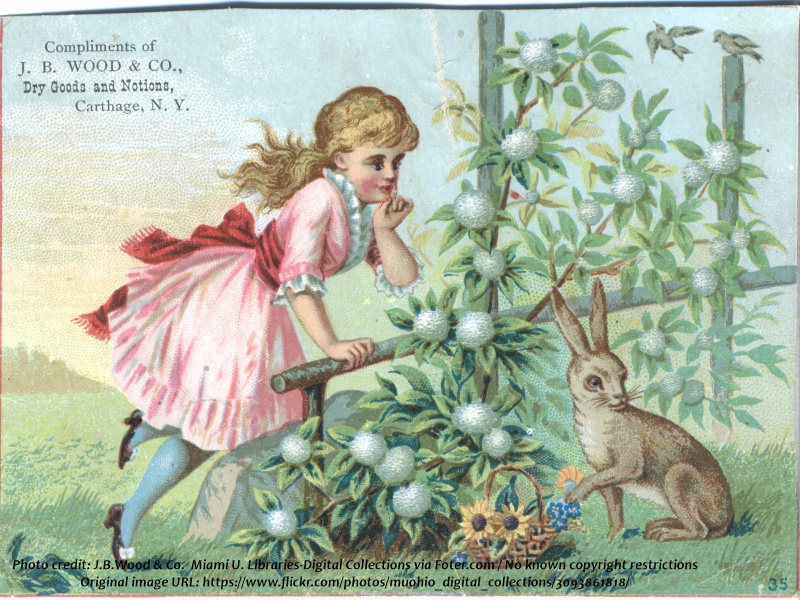
The Easter bunny was also popularised in the 19th Century, once again probably stemming from Pagan origins; Eostre, the goddess of fertility, was often depicted as a bunny. Children were (and many still are) led to believe that the Easter bunny decorated the eggs and hid them for the traditional Easter egg hunt. Some countries have their own variations of the ‘bunny’ – in Switzerland it is a cuckoo and in parts of Germany a fox, that has responsibility for Easter egg duties….
Early Easter eggs would have been highly decorated to suit Victorian tastes; adorned with large marzipan flowers and elaborate piped icing techniques, these frivolous gifts were just for the rich….
In 1866, the Birmingham chocolate makers Cadbury, imported a brand new type of cocoa press, enabling a method of halving the fat content of the chocolate; making it better tasting and smoother – so it could be more easily moulded. In 1873, Frys produced the first moulded chocolate eggs at their Union Street factory in Bristol. Cadbury followed two years later and soon others copied. Business began to boom and the custom spread to the USA. It was in 1879 that Rodolphe Lindt invented a conching machine that enabled a chocolate with a luxurious, velvety texture to be made. By 1893 Cadbury had nineteen different patents (a lot for those days) – their first eggs were filled with sugared almonds; the chocolate confectionery business was coming on in leaps and bounds. Further advancements in techniques heralded the introduction of milk chocolate; 1905 saw the arrival of Cadbury’s Diary Milk chocolate bar and with it the first milk chocolate eggs…. Frys and Cadburys merged in 1919….
Photo credit: Image taken from page 166 of ‘The Baby’s Museum: or, Rhymes, jingles and ditties, newly arranged by Uncle Charlie’. The British Library via Foter.com / No known copyright restrictions Original image URL: https//www.flickr.com/photos/britishlibrary/11156885235/
Rationing of chocolate during World War 2 meant it was the 1950s before Cadbury introduced eggs aimed at children. At this point in time chocolate eggs were still an expensive luxury and a child would have been lucky to receive one. Since then the market has exploded, now most kids can expect to receive several eggs….
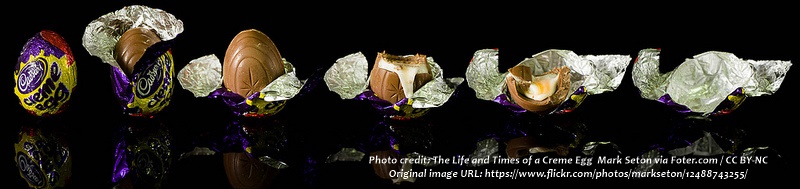
I must admit, I have always been partial to a Cadbury’s Creme egg….but did you know it was launched in 1963 as Fry’s Creme egg? Clever chap, that Mr Fry….I wonder what he would have thought of the chocolate market today…? Worldwide, we spend over £60 billion annually on the sweet confectionery….
Happy Easter and I do hope the Easter bunny hops down your way….
Please…. If you have read this post through to the end – then I assume you have found it of interest and I hope you’ve enjoyed it…. If you have found this via Facebook, a little ‘like’ for the Cottage Capers’ page would be very much appreciated – a like and a follow would be even better…. I’m not trying to sell you anything – I’m simply a blogger trying to establish myself…. Many thanX….
Constance Penswick-Smith was born in 1878, the daughter of an Anglican Clergyman and one of seven children. The family moved to Coddington, Nottinghamshire, when Constance was twelve years old, where her father remained the vicar until his death in 1922; her four brothers were all ordained by the Anglican Church. Constance worked as a governess in Germany at the end of the 19th Century and upon her return to England was employed as a dispenser of medicines at Nottingham’s Hospital for Skin Diseases….
It was in 1913 that Constance read a newspaper article about Anna Jarvis, who was campaigning to establish Mother’s Day in the United States. The American was hoping to bring her ideas across the Atlantic to Britain. This inspired Constance but being of religious nature, she felt a celebration leaning more in the direction of sentiment was, although similar, not close enough to the Mothering Sunday she aspired to, which had its roots in the Christian Church. Mothering Sunday had died out in Britain some fifty years earlier, so Constance decided to push to have it reinstated….
Working with her friend, Ellen Porter – Superintendent of the Girls Friendly Society Hostel in Nottingham – Constance founded ‘The Society for the observance of Mothering Sunday’…. The pair set up their headquarters in Nottingham during 1920 and it was here that Constance wrote plays to promote Mothering Sunday, made a collection of hymns for the day and designed greetings cards for children to give to their mothers. In 1921 she wrote a book about old, traditional Mothering Sunday customs from across the World….
In the beginning the Church was unenthusiastic about her ambitions but in time they gradually began to come around to the idea, seeing it as a way to strengthen families. Similarly, women’s organisations that she approached rejected the concept as they considered the tradition had been dead for too long….
Constance was persistent and with the support of her four brothers, themselves all Anglican priests, she continued to promote her cause. Gradually her campaign gained momentum, helped by the fact that Queen Alexandra of Denmark, the wife of King Edward VII took a keen interest in the Mother’s Day Movement. By 1936 the Movement had really begun to establish itself and by the time Constance died in 1938, she had been rewarded by being able to see the fruits of her labour…. She is buried in Coddington Church, where there is a memorial to her; ironically she never became a mother herself as she never married….
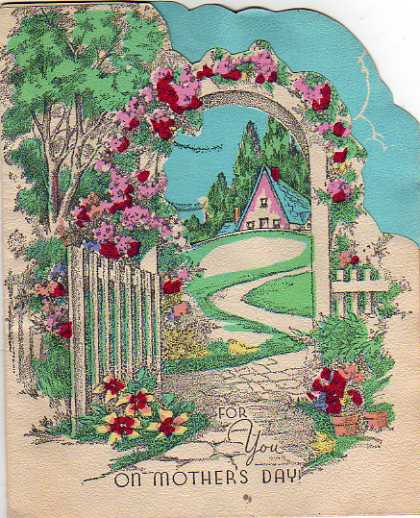
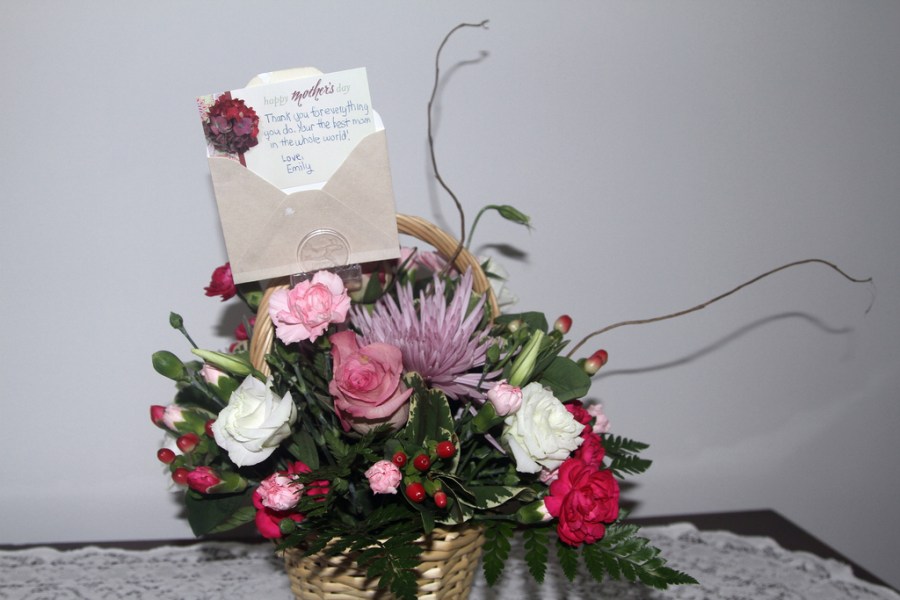
It took some thirty years for Mothering Sunday to be successfully revived…. During World War 2 Britain began to adopt the imported traditions of Americans and Canadians stationed here…. Scouts and Guides had begun marking the day and eventually every Parish across Britain acknowledged it. It was during the 1950s that Mothering Sunday really became commercialised, with businesses realising money could be made…. Nowadays, we are all familiar with the family day it has evolved in to; spending time with mums, grandmas and other maternal figures – the giving of cards, gifts and flowers – often sharing a meal to celebrate….
The real origins of Mothering Sunday can be traced right back to Ancient Roman times….to a religious celebration known as the Hilaria Festival. This is believed to pre-date the birth of Christ by some 250 years. Held at the time of the Spring Equinox, it was a time of feasting, dancing and singing to honour Cybele – Mother of the Gods….
By the 16th Century, Christianity had become established, Hilaria celebrations became part of Laetare Sunday. Laetare is the name given to the fourth Sunday in Lent – the forty day period of fasting and penance before Easter. Laetare literally translates as ‘rejoice’. The Laetare service is more relaxed than the usual Lent services, flowers may be used to decorate the Altar, the organ might be played a little louder and possibly the priest will wear a rose coloured vestment, representing a sign of joy. This may stem from the ancient ‘blessing of golden roses’, which were sent to Catholic heads of state on the fourth Sunday of Lent. Laetare Sunday is meant to give hope and encouragement – half way through Lent, Easter is in sight…. The fasting, just for the day, is relaxed alittle….to reflect the feeding of the five thousand….
Laetare is also to honour the Virgin Mary, the mother of Christ and of the Church…. It became the day for people to return to their own local church, the one where they were baptised, the church attended by their family….their ‘mother church’. In the 1600s the Church began to include real mothers into the celebration, it became a day to honour all mothers….
In the days of people being ‘in service’, it was very often the only day of the year servants were granted a full day off….to visit their families and go to their own church to observe Laetare…. Younger domestic servants would pick posies of flowers on the way home, primroses and violets, to give to their mothers as a gift…. They would reunite with their families and all attend the church service together – a term that became known as to go ‘a-mothering’…. This is most likely how the name Mothering Sunday came about – and how it happens to always be the fourth Sunday in Lent and three weeks before Easter that it is celebrated….
Those in service would sometimes have been allowed to bake a cake to take home with them, traditionally a Simnel cake; a fruit cake, covered with marzipan. It would then be decorated with eleven or twelve balls of marzipan; these to represent the eleven disciples and sometimes one for Jesus. (Legend says, the cake was named after Lambert Simnel, who worked in the kitchens of King Henry VII, circa 1500). Due to the fact it was the Lent period and such a cake was considered a little too indulgent, even though the rules had been relaxed for the day, the Simnel cake would have been kept for the Easter celebrations….
I’ll to thee a Simnell bring
‘Gainst thou go’st mothering,
So that, when she blesseth thee,
Half that blessing thou’lt give to me’…. Robert Herrick 1648
After the service the family may have joined in with an old, fun tradition called ‘Clipping the church’…. The congregation would gather outside, form a ring around the church by holding hands – ’embracing’ it….
Then, eager to make the most of every minute of this annual family get-together, the rest of Laetare Sunday was spent enjoying quality time together….
Other names, Laetare Sunday was known by, were Mid Lent Sunday and Refreshment Sunday…. Here in Surrey, Laetare was known as ‘Pudding Pie Sunday’…. May be Simnel cake was off limits but there were other less ‘guilty’ ways to enjoy a little indulgence… Pudding Pie – (custard tart to you and I). Traditionally, this tart involves sherry soaked raisons and custard, here’s a recipe if you fancy trying it for yourself….
Rub the butter into the flour until it resembles bread crumbs. Add sugar, egg and milk. Bring together to form a dough.
On a lightly floured surface, roll out pastry and use to line a greased 20cm pie tin. Leave 2cm of pastry hanging over the edge. Chill for 30 minutes.
Heat oven to 180C/fan 160C/gas 4. Line pastry case with baking beans, blind bake for 20 minutes. Remove beans, cook for a further 20 minutes. Remove from oven, reduce heat to 140C/120C/gas 1.
To make the custard:
Beat egg yolks and sugar together until pale. Into a saucepan put cream, milk, vanilla pod and pinch of nutmeg, bring to the boil. Pour the hot milk mixture over the beaten eggs, beating as you do. Strain custard into a jug and allow to settle for a few minutes, skim off any froth.
Put sherry soaked raisons on to base of pastry case. Pour custard mixture over, evenly and carefully. Sprinkle a little more nutmeg over the top. Bake for approx. 40 minutes, or until it has just the slightest ‘wobble’ at the centre. Remove from oven, trim excess pastry from rim of tin. Leave to cool completely – serve in slices….
Which ever way you choose to celebrate Mothering Sunday – with a custard tart or not….
As Mother’s Day approaches in the UK, it seems every shop on the high street is vying for our custom. Having been in the gift trade myself, I understand only too well how important this period is to the retailer, as in terms of lucrativeness it is second only to Christmas….
There are those who would argue Mother’s Day has become far too commercialised, a fair point when the true meaning and its origins are considered. All around the World, it is celebrated in varying ways and at different times of the year but the under-lying message remains the same, to show appreciation and gratitude to the maternal figures in our lives….and in many cultures, to celebrate womankind in general….
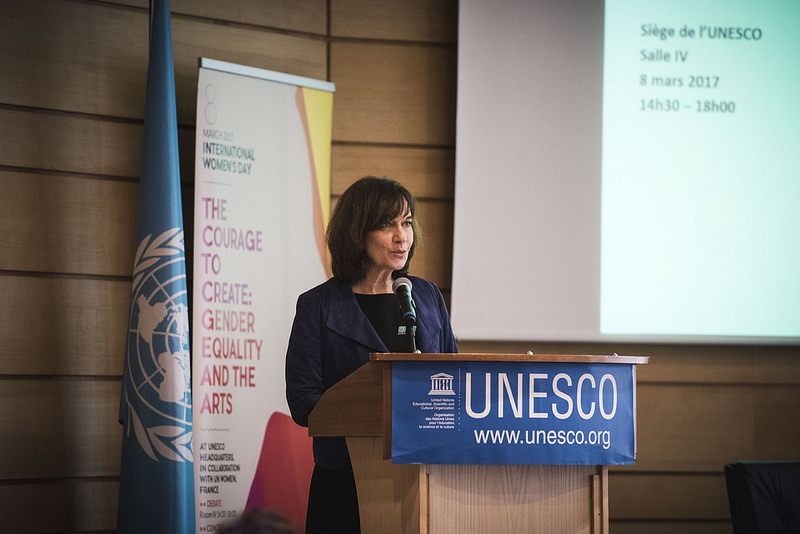
For some countries, such as Romania and Bulgaria, Mother’s Day is combined with International Women’s Day, which falls on the 8th of March every year, globally. International Women’s Day celebrates the achievements of women all over the World, be it in politics, leadership, business or peace-making….it also calls for equality between the genders. Events held around the World bring together governments, charities, corporations and women’s organisations; conferences, talks, rallies and marches are held to raise awareness of women and their rights….
The earliest such gathering was held on 28th February 1909, in New York and was organised by the Socialist Party of America. The following year Clara Zetkin, leader of the Women’s Office for the Social Democratic Party in Germany, came up with the idea for International Women’s Day. Her aim was that every country should celebrate women on one day every year, striving for their demands. In 1911 International Women’s Day was marked for the first time, by over a million people in Germany, Austria, Denmark and Switzerland – demanding equal rights and the vote for women….
Russia held its first International Women’s Day in 1913. Four years later, on 8th March 1917, a demonstration of female textile workers in Petrograd, (the then capital of the Russian Empire), helped spark the beginning of the Russian Revolution. This resulted in the abdication of Nicholas II and the collapse of the government. The Provisional Government was established and women were granted the right to vote; March the 8th was declared an official holiday (although still remained a working day until 1965). Until 1975, when it became adopted by the United Nations, International Women’s Day remained mainly only observed in Communist countries. China began to acknowledge it from 1922, with Chinese women being given a half day holiday. In 1977 the United Nations General Assembly invited its member states to declare March 8th as the UN day for women’s rights and World peace….
The original aim, to achieve full gender equality for all women of the World, is still far from being realised; a persisting pay gap and a female minority in business and politics continues. Globally, education and health still lags behind that of men and violence towards women is still prevalent. If things continue the way they are today, it is predicted the gender gap will not close until 2186…. International Women’s Day raises awareness and forces the World to look at these issues, at the same time it celebrates the achievements of women of the World….
Each year the United Nations comes up with a theme to focus on. This year has just seen the 106th International Women’s Day, the theme was ‘Women in the changing World of work’. The UN Secretary General called for change “by empowering women at all levels, enabling their voices to be heard and giving them control over their own lives and over the future of our World” – as a way of combating the widening economic gap between the genders and to address the balance between men and women in leadership positions….
2011 saw the 100th anniversary of International Women’s Day, more than 100 countries held events to mark it. In the USA, President Obama declared March as ‘Women’s History Month’ – Australia issued a new commemorative 20 cent coin…. However, not everywhere experienced such positive celebrations on the day…. In Egypt women came out to march for their rights, on arriving at Cairo’s Central Tahrir Square, they were chased away by crowds of angry men, not in agreement with the women’s demands for equality….
This only highlights the fact there is still a long way to go before women’s rights are recognised globally – but women’s determination is unabated…. In Pakistan, for example, despite cultural and religious opposition, women celebrate International Women’s Day as part of an ongoing struggle to gain equal rights….
In many countries International Women’s Day is an official holiday, in others – although not an actual public holiday – it is widely observed. Some countries celebrate by the menfolk giving the women in their lives, be it wives, mothers, daughters, even friends and work colleagues, gifts and flowers. In Italy it is the custom to give mimosa, the symbol chosen in 1946 for International Women’s Day by Teresa Mattei (an Italian partisan and politician), as the usual symbols of violets and lily-of-the-valley were too scarce and expensive in Italy. Mimosa, (along with chocolate), is now often favoured in Russia…. Italy and Portugal are among some of the countries where women often come together on the evening of the 8th to celebrate at all female dinners and parties….
In 2005 there was a call for the day to become a public holiday in Britain but to date this has not yet happened. However, each year events and rallies are held in London and around the Country….
**********
For much of the World, Mother’s Day is a completely separate event to International Women’s Day, for some it is combined with it and there are those who do not recognise Mother’s Day at all…. For the Western World the theme is pretty much the same all over – families get together to share some quality time, Mum is spoilt and pampered (hopefully), often receiving cards, flowers and gifts…. Being a special time of celebration it is surprising to learn there have been governments in the past (and quite possibly still some today) who have tried to use Mother’s Day to enforce their own ideals and policies in order to control women….
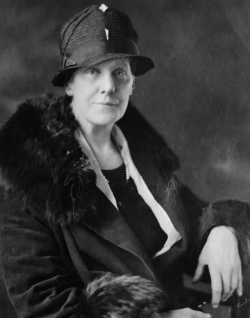
Mother’s Day, as we know it now, is a relatively new celebration in the scheme of things….it only really first came about, in any significance, during the 1920s. Many countries choose to mark the day by following the date set by the United States, the second Sunday in May. Anna Jarvis (1864-1948) was a social activist and she lobbied the American Government to set a date in May to celebrate the occasion, (May being the month of her own mother’s death). President Wilson formalised the date and as time went on it became more popular and thus more commercialised, much to the dismay of Jarvis – “I wanted it to be a day of sentiment, not profit” ~ “a poor excuse for the letter you are too lazy to write”, was her response to the cards and gifts people opted to give….
Photo credit: Anna Jarvis By Olairian (Own work) [Public domain]. via Wikimedia Commons Original image URL: https://commons.wikimedia.org/wiki/File%3AAnna_jarvis.jpgSome of the 40+ countries who also observe Mother’s Day on the second Sunday in May include:-
Australia: whose own tradition was started by Janet Heyden in 1924, after visiting a patient in a state home for women. There she came across many lonely, forgotten mothers; wanting to do something to acknowledge these women, she persuaded local businesses and school children to visit them, taking along gifts. The idea spread and Mother’s Day became adopted; chrysanthemums, (‘mum’ being an affectionate, abbreviated term for mother), are traditionally given, as May is Autumn in Australia and these blooms are in season; men often wear chrysanthemums in their lapels in honour of their mothers….
Belgium: children often make presents at school; traditionally the father will serve the mother breakfast in bed, usually croissants or similar and she is given the day off from the usual chores and gets to be pampered…. However, there are those, particularly around the Antwerp area, who celebrate the day on the 15th of August, to them the ‘classic’ Mother’s Day; they consider the May date to have been invented purely for commercial reasons….
Brazil: although not an official holiday, Mother’s Day is widely observed, by giving gifts and spending time with Mum. As with so many countries nowadays, the consumerism is second only to Christmas….
Canada: again, not an official holiday but celebrated much the same as the majority of the Western World, with cards, gifts and flowers being given to mothers, grandmothers and all important maternal female figures within the family….
China: Mother’s Day is becoming increasingly popular. In 1997 it started to be promoted as a way of helping poorer mothers in more rural areas, such as the western region. The Chinese welcome the day as it ties in well with their high regard and respect for the elderly….
Japan: The Japanese also adopted the second Sunday in May as the official day, recognising it by giving mothers flowers, particularly red carnations or roses….
Maldives: traditionally girls give their mothers cards and handmade gifts, while boys give gifts and flowers….
Germany: In the 1920s, Germany had the lowest birthrate in Europe, due to women working. In 1923 ‘Muttertag’ was imported from the States. It became a holiday to promote motherhood but in a different sense to most other countries. The German government of the time used it to encourage women to have more children and there was a wish to eliminate the rights of the working woman. ‘Die Frau’ – the newspaper of the federation of German Women’s Associations, rejected the holiday…. During the 1933-45 period, under the Nazi Party, there was an emphasis on women giving Germany healthy children, of pure ‘Aryan’ race. Mothers were told the death of a son was the ‘highest embodiment of patriotic motherhood’. The Nazis declared Mother’s Day an official holiday; in 1938 the ‘Mother’s Cross’ was issued by the government – it was awarded on Mother’s Day to those who had four children or more….
The Bolivian government passed a law in 1927 stating the date of 27th of May was to acknowledge Mother’s Day. It commemorates the Battle of Coronilla which happened 27th May 1812 during the Bolivian War of Independence; women fighting for Bolivia’s independence were slaughtered by the Spanish army. It is not a public holiday but schools hold activities throughout the day…
Spain and Portugal both celebrate Mother’s Day on the first Sunday in May. It is a family day, with gifts often made at school by the children. In Spain especially, it is also a religious day, as the month of May is dedicated to the Virgin Mary. Hungary has also celebrated on this day since 1925. Romania originally only celebrated International Women’s Day but since 2010 has adopted this day and it is an official holiday….
Mexico celebrates as a family day on May the 10th. Time is spent with Mother, with the family bringing gifts of food to share together, or maybe they will visit a restaurant. Initially, from 1922, the day was marked on the second Sunday, the same as the States; the then government used it to try to promote a more conservative role in the family for women. A change of government then tried introducing new morals to Mexican women, reducing the influence of the Church. Despite efforts to promote the holiday as an important time to lay down foundations for the development of the nation, the people still saw it as a religious observance; eventually the government gave up their ideals….
France celebrates its Mother’s Day on the last Sunday in May. Attempts in 1896 and 1904 were made to create a national celebration, honouring the mothers of large families because of the worrying issue of France’s low birthrate. During World War 1, American soldiers stationed in France, brought with them the tradition of America’s Mothering Sunday, making it popular in France. So much mail was sent home by US soldiers a special postcard was made for the occasion. The French adopted this date but once again aimed it at mothers of larger families, the government made the date official in 1920. In the 1950s it became commercialised; nowadays, at a family dinner, mothers are often presented with a cake, resembling a bouquet of flowers….
Sweden first celebrated Mother’s Day in 1919, when it was initiated by the author Cecilia Baath-Holmberg. It took several decades for it to become fully recognised, as generally the Swedish people disliked the commercialism that accompanies it. The later date of the last Sunday in May was chosen as it meant plenty of flowers would be in bloom, ready to be picked. Norway, on the other hand, celebrates the second Sunday in February; the day has been embraced since 1919. Although originally recognised as a religious day , over the years it has become family orientated and more commercialised. Some children do still make gifts at school but typically mothers are served breakfast in bed and are given cards and presents….
Thailand acknowledges the day on the 12th of August, the birthday of Queen Sirikit. It was first celebrated in the 1980s as part of a campaign by Prime Minister Prem Tinsulanonda to promote the Royal Family….
In North Korea, Mother’s Day has been a public holiday since 2015; it is held on the 16th of November. A significant date, as in 1961 it was the day of the first National Meeting of Mothers, when Kim II-Sung published ‘The Duty of Mothers in the Education of Children’….
Indonesia celebrates on the 22nd of December and has done so since it was made an official holiday in 1953 by President Soekarno. Originally it celebrated the spirit of Indonesian women and was aimed at improving the condition of the nation. Then, during President Suharto’s New Order (1965-98), the government used Mother’s Day to try to instill the idea that women should stay at home and act in a docile manner. Its propaganda aimed at the feminist groups, inspired by Indonesian heroines of the 19th Century, who had been active in the country since 1912….
In India Mother’s Day is not observed by the majority, although in some urban areas it is becoming popular but not as a religious event. Ethiopia celebrates in mid fall, at the end of the rainy season, for a whole 3 days! A feast, ‘Antrosht’, is prepared, where a traditional hash dish is served; the children bring the ingredients, the girls supplying spices, cheese, butter and vegetables; whilst the boys bring the meat, either lamb or beef. After feasting, the mother and girls cover their faces and chests with butter and the menfolk sing….
Iran celebrates on 20 Jumada al-thani, which is the sixth month in the Islamic calendar. Generally, Mother’s Day is celebrated at the time of the Spring Equinox in the Arab World. It was first introduced to Egypt in 1956 by Mustafa Amin, a writer and journalist and has since been adopted by many Arab countries….
This is just a small sample of some of the varying celebrations and traditions held by the different cultures and countries of the World, to recognise their womenfolk. Of course, it would be impossible to mention them all here…. Somewhere in the World, nearly all year round, there are those preparing to honour their mothers…. In the UK, it is our turn this coming Sunday…. I for one, as a mum, am looking forward to a day of rest and pampering but above all, a little peace and quiet, (I should be so lucky)! Right now though, my appetite has been whetted …. I’m off to learn more about the origins of our own Mother’s Day, here in the UK….
It was during a family day out to the Portsmouth Historic Dockyard, that we acquired a new cat…. Not a real one, I hasten to add – but a replica of Able Seaman Simon…. We thought he would be an amusing addition to No.3, as being so realistic he would be bound to catch a few unsuspecting visitors out – and he has, he’s given us a few laughs….
Whilst researching for my last blog post – “A black cat called ‘Lucky’….”-I kept stumbling across references to the real Simon and intrigued, I realised I had to know more….
Ships have had cats since ancient times…. The Ancient Egyptians carried them on their Nile boats. The Vikings are known to have had them as far back as the 8th Century…. It was Phoenician* cargo ships that first brought cats to Europe, approximately 900BC…
*An ancient civilisation on the Eastern Mediterranean coastal region : now known to us as Lebanon, Israel, Jordan, Gaza and Syria.
Ship’s cats are thought to have spread cats across the World…. Moggies on ‘shore leave’ had ‘romances’, genes spread, as kittens grew and had families of their own, so the kitties we know today came to be….
Cats were an important part of the crew of ships in days gone by; trading, exploration and naval ships all employed their services to control rodents….
Photo credit: The HMAS AUSTRALIA [11] STORY, ca 1950, and other animal stories – Argus Collection, SLV, Courtesy Geoff Eastwood Kookaburra2011 via Foter.com / CC BY-NC-SA Original image URL: https://www.flickr.com/photos/41311545@N05/14114943580/It wasn’t just the cargo that needed protecting from vermin. Rats and mice are notorious gnawers; ropes and wood were chewed and in time and with progression they happily munched their way into electrical wiring too…. Then the ship’s supplies had to be taken care of, a crew of hungry men away at sea for months, maybe years at a time, needed sustenance…. Plus rats and mice carry disease. What better way to deal with this, than with a mouser? Cats also gave comfort to these men….away from home for long periods of time, they provided a link to the life left behind….and then there was superstition….
The ship’s cat was also thought of as a mascot, it brought luck. It was believed the resident moggy could protect against the elements of the weather. There was also a belief storms could start from the magic stored within their tails…. If a cat fell or was thrown overboard a terrible storm would ensue…. If the ship managed to survive this, then it would have to endure nine years of bad luck…. The cat’s behaviour also gave signs to the sailors. If when grooming, it licked its fur against the grain – a hail storm was coming. If it sneezed, rain was on its way, if it started to act in a frisky manner, the wind was going to get up…. There is some truth in all this…. A cat’s inner ear is very sensitive, (this is what allows it to land in an upright position when falling) – this sensitive inner ear is able to detect changes in the weather…. low atmospheric pressure can often make our own domestic cats nervous and restless….
Black cats were the preferred choice, as they were thought to be extra lucky. Polydactyl cats were also very popular. Polydactylism is a congenital physical anomaly, which results in there being more toes than usual on one or more paws. Normally a cat has a total of 18 toes, 4 on each hind paw and 5 on the front ones. Polydactyls can have as many as 8! They were favoured by sailors because of their extraordinary climbing and hunting abilities….
Many ships still have cats onboard today, although the Royal Navy banned all animals in 1975 for hygiene reasons. There have been many notable feline voyagers, such as Jenny, the Titanic’s cat. She survived the sinking of the Titanic on that disastrous maiden voyage and was transferred to Titanic’s sister ship, Olympic, where she lived in the ship’s galley, along with her kittens…. Tiddles served on a number of Royal Naval aircraft carriers; born on HMS Argus and then spending time on vessels such as HMS Victorious, Tiddles clocked up over 30,000 miles on his travels…. Or, what about Blackie? The little cat Churchill found so endearing. Blackie resided on HMS Prince of Wales during World War 2. The ship carried Churchill to meet Franklin D Roosevelt to agree the Atlantic Charter. On leaving the ship, Churchill stopped to say ‘good-bye’ to Blackie. Caught on camera, the resulting photograph went the equivalent of today’s ‘viral’…. Blackie was renamed Churchill and went on to survive the sinking of HMS Prince of Wales…. Then, there was Emmy – of RMS Empress of Ireland. Emmy was an orange tabby who never missed a voyage, until May 28th 1914, when she darted off and refused to be coaxed back. Reluctantly, the ship had to leave without her; not having their lucky mascot was a bad omen for the crew. The following morning, in thick fog, RMS Empress collided with SS Storstad at the mouth of the St. Lawrence River. Over 1,000 lives were lost…. Did Emmy have a premonition? But of course, the ship’s cat I’m here to talk about is Able Seacat Simon….
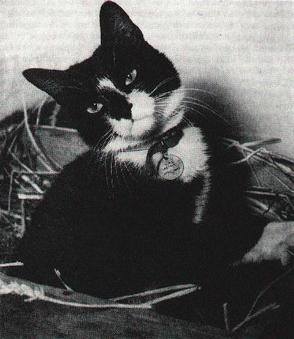
Simon’s story, as a sea cat, starts in March 1948, when he was found wandering the dockyards of Hong Kong, by 17 year old Ordinary Seaman George Hickinbottom. The cat was then about a year old and in a bad way, he was starving and unwell. George, obviously being a bit of a softy, smuggled the puss back onboard the ship he was serving on, HMS Amethyst – a Royal Naval modified Black Swan-class sloop, modified after World War 2 and re-designated a frigate….
Simon quickly became a favourite amongst the officers and crew alike. He earned his keep by catching the rats which were a problem on the lower decks of the ship. He was a cheeky little chap, who liked to leave presents in the beds of his fellow crew mates, in the form of dead rodents….and one of his most favoured sleeping places was in the Captain’s cap….
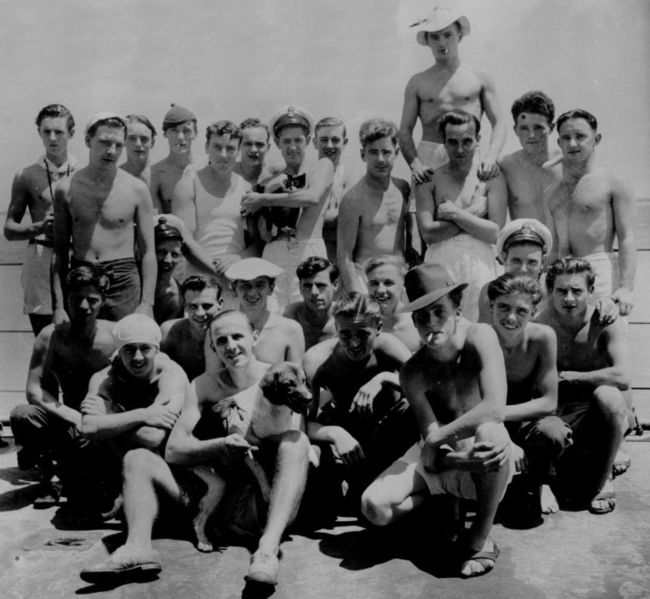
“By Lt. Commander K. Stewart Hett, M.B.E., R.N. Ret [Public domain], via Wikimedia Commons=” “https://commons.wikimedia.org/wiki/File%3ACrewmen_of_HMS_Amethyst_F-116.jpg”The ship changed command. The new Captain, Lieutenant Commander Bernard Skinner, instantly fell in love with Simon. Skinner’s first mission, in command of HMS Amethyst, was to replace HMS Consort as guard ship to the British Embassy in China…. Sadly, it was to be his first and last….
April 20th 1949 – HMS Amethyst was steaming up the Yangtse River, between Shanghai and Nanking (Nanjing), when it was fired upon by the People’s Liberation Army, the armed forces division of the Communist Party of China; what was to unfold was the Amethyst Incident or better known as the Yangtse Incident…. The ship was about to become trapped on the Yangtse River for three months, during the Chinese Civil War….
It was 8.30am and a burst of small arms fire from the PLA suddenly erupted from a field gun battery situated on the North side of the river. It fell well short of Amethyst and the crew assumed its intended target had been the south bank; so, unfurling their large Union flags and increasing speed, they carried on their way….
An hour later, further up river at Kiangyin (Jiangyin) they came under fire again, this time it was more than obvious that it was intended for them. The first shell passed overhead but then in quick succession the wheel house, bridge and power room were all hit. Commander Skinner was in his cabin at the time, along with Simon…. A shell tore through, severely wounding Skinner, who died of his injuries soon after…. Simon was also badly hurt and fled into the depths of the ship….
All personnel on the bridge had been injured; out of control, Amethyst turned violently to the left and grounded on a bank. Unable to defend herself, as the firing circuits to her guns had been disabled when the power room was hit, the ship was helpless….
First Lieutenant Geoffrey L. Weston assumed command, even though he himself had been injured too. Still the PLA shells continued, exploding in the sick bay, port engine room and finally the generator. The last transmission made from Weston stated : ‘Under heavy fire. Am aground in approx. position 31.10′ North 119.50′ East. Large number of casualties’. These co-ordinates were actually incorrect, the ship was 32.20′ North, not as stated; it is unknown how this error was made, it could have been Weston himself, the signal operator or recorded wrongly in the log books….but it just shows how chaotic the situation must have been at the time….
The order was given to fire the ship’s guns in local control but as Amethyst was positioned in such a way and totally disabled, the guns could not be turned on the PLA batteries. Only the stern turret was operational but was soon hit. Still the PLA kept on firing….causing more and more casualties on Amethyst….
At some time between 10 and 10.30am, Weston ordered anyone who could be spared to leave the ship and get ashore. A small boat was launched and some crew members swam, immediately the PLA’s attention was turned on them….evacuation had to be aborted. In total 59 crew and 4 Chinese mess boys successfully made it to shore. (The following day, with help from Chinese Nationalists and a sampan, the wounded from Amethyst were got to shore and then taken to hospital. That left 60 unwounded men and Simon onboard). At 11am the shelling stopped but movement was restricted for fear of attracting PLA sniper fire…. 22 men had been killed and 31 injured….
At 3pm HMS Consort arrived, having been summonsed to Amethyst’s aid – Consort was flying 3 Union flags and 7 white ensigns; she was immediately fired upon and had to pass the stricken Amethyst at speed. Two miles down river, she turned and headed back to try again, once more heavy fire meant she had to abandon the attempt (but not without using her full armament on the PLA). Consort herself had now sustained serious damage, 10 men had been killed and 23 injured….
HMS Amethyst was refloated at just after midnight on the 21st of April. A message came through to say HM Ships London and Black Swan were on their way to escort the damaged Amethyst – and to be ready…. When they arrived, they too were heavily shelled and had no choice but to retreat : 3 were killed and 14 wounded….
On April 22nd, The Assistant British Naval Attaché, Lieutenant Commander John Kerans, came aboard and took command. Over the next few days, Amethyst attempted to move several times but was unable to make much progress as each time she came under fire. Eventually, she was forced to anchor off of Fu Te Wei….
Five days after his retreat to the depths of the ship, hunger forced a badly injured Simon up on to the deck. Immediately he was taken to the medical bay. His face was severely burnt, he had lost all of his whiskers and he had to have 4 pieces of shrapnel removed. His heart had been seriously weakened, he was not expected to survive the night….
Against all the odds, Simon did make it through to the following morning and slowly he made a recovery. He spent his time in the sick bay snuggling up with and comforting the injured seamen….
On April 30th, the PLA demanded that Britain, France and the US immediately withdraw all their troops from China. They also wanted an admission that it was HMS Amethyst that had fired first and that she was unlawfully in Chinese waters. The PLA did not recognise any treaties made by the previous Chinese Government and Britain. Kerans refused to accept the demands and Amethyst stayed under PLA siege for 10 weeks; vital supplies were prevented from being taken onboard, the Communists determined to make conditions as difficult as possible…. It wasn’t until 1988 that the PLA Commander, Ye Fei, finally admitted the Communists had fired first….
During these weeks of imprisonment, Simon made himself useful. Over the weeks, anchored in the river, Amethyst had become over-run with rats; the little black and white cat made it his mission to get rid of them, including the notorious, hard to catch, king-rat, ‘Mao Tse-tung’ – so named by the crew…. The affectionate little soul raised the morale of the marooned sailors and managed to bring a little cheer….
On July 30th 1949, under cover of darkness, HMS Amethyst slipped her chain and heading down river, made a mad dash for freedom. She followed closely in the wake of a passenger ship, Kiang Ling Liberation, in the hope of confusing the PLA. It worked….the Communists turned their fire on the passenger ship, as a result, sinking it with heavy civilian casualties…. Amethyst was able to make her escape….
At 5am on July 31st, HMS Amethyst approached the PLA forts at Par Shan (Baoshan) and Woosung (Wusong) for a pre-planned rendezvous with the destroyer HMS Concord, who had been ordered to be ready with full gun support. Luckily, Amethyst went undetected by the PLA batteries and the famous signal was sent : ‘Have rejoined the fleet south of Woosung. No damage. No casualties. God save the King’. The two ships managed to make it down river, clear the river mouth and eventually at midday they arrived at the Saddle Islands. After a brief stop, HMS Concord lent HMS Amethyst sailors to form a functional crew and both ships sailed to Hong Kong. If the mad dash for freedom had not of worked, then the intention of the Captain was to blow the ship up….
A film was made of the Yangtse Incident, with Amethyst being brought out of storage to play herself…. Her engines were no longer operational and her sister ship ‘Magpie’ was used for any movement scenes…. Amethyst was scrapped soon after the film was made….
Simon became famous, the World’s press taking his story to heart. He was awarded the Dickin Medal, (the animal equivalent to the Victoria Cross), initially instituted in 1943 to honour the working animals in World War 2. He was also awarded a Blue Cross Medal, the Amethyst Campaign Medal and given the rank of ‘Able Seaman’. Lt. Stewart Hett was appointed ‘Cat Officer’ to deal with the thousands of letters sent to Simon by well-wishers and on Amethyst’s return to Plymouth there was a huge welcome for him….
The Nation loved him – but like all animals entering the UK, Simon had to go into quarantine. He was sent to an animal centre in Surrey; he hated it and was thoroughly miserable. Whilst in quarantine, Simon contracted a virus…. Although everything possible was done for him, due to complications from his war injuries, Simon passed away on November 28th 1949; four days before actually receiving his Dickin Medal, which had to be awarded posthumously….
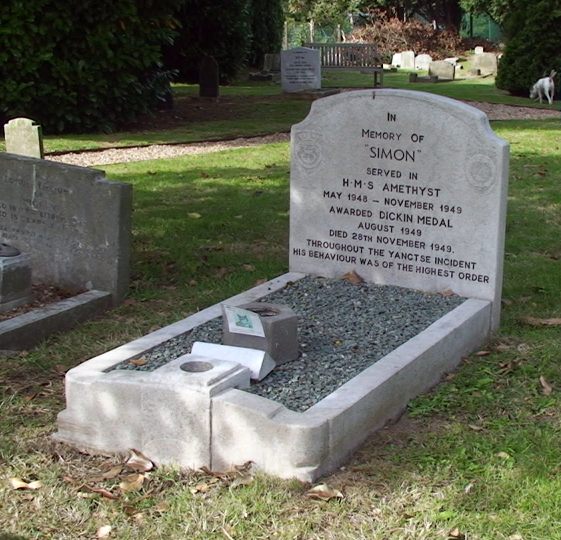
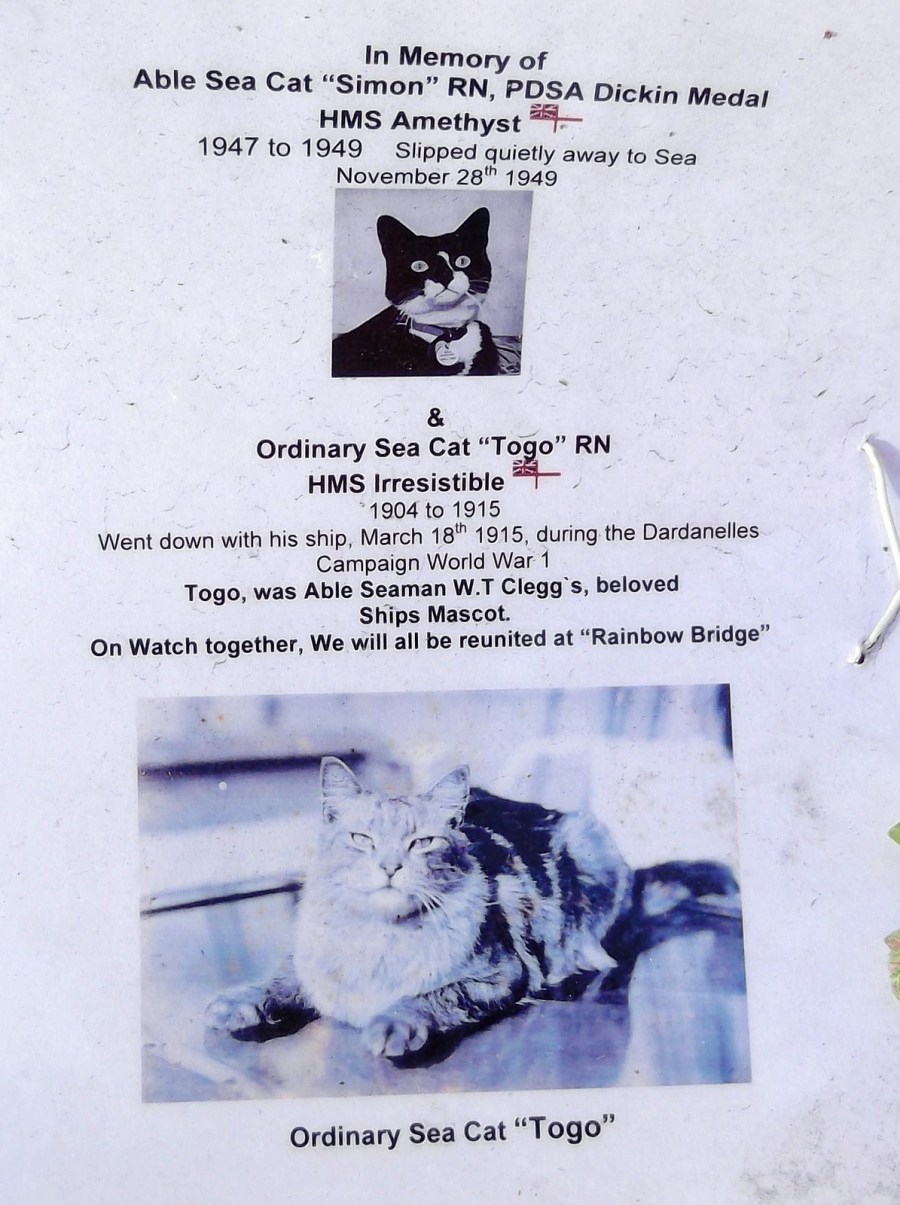
Simon was buried at the PDSA Ilford Animal Cemetery in East London. Hundreds of people, including the crew of Amethyst attended his funeral…. Simon was just two years old….


























 Cottage Capers

.jpg)

