A black cat called ‘Lucky’….

On my wedding day, my mother handed me a good luck mascot in the form of a black cat – a tradition that originates to the Midlands. Mum, being from that part of the Country (well, Worcestershire to be precise – but it’s in the same region) has always held that particular custom close to her heart, after receiving one on her own wedding day…. Now, some of you may be exclaiming in horror – ‘a black cat on a wedding day – and given by the bride’s own mother!’ To many, a black cat does not symbolise good luck, quite the opposite in fact – it really depends on where in the World you come from….

The Black Cat
Photo credit: ‘The Black Cat’ @Doug88888 via Foter.com / CC BY-NC-SA Original image URL: https://www.flickr.com/doug88888/4521073052/

Generally, in the UK, a black cat is seen as a good omen, there are many black moggies to be found answering to the name of ‘Lucky’….In Scotland, it is thought if a strange black cat arrives at the house, it will bring with it prosperity…. However, there are those who believe if a black cat crosses their path, this will bring bad luck; the same if one is walking towards them, where as a black puss walking away signals good fortune…. This possibly goes back to pirates in the 19th Century who held the same beliefs….

lucky 5
Photo credit: ‘Frankie the pirate’ the1pony via Foter.com / CC BY-ND Original image URL: https://www.flickr.com/photos/the1pony/535438833/

The connection with black cats and the sea is deep-rooted. Sailors always wanted their ship’s cats to be black as they were thought to bring good luck. A black kitty strolling on to a ship was good – but if it turned its back and walked off again, this meant the ship was going to sink…. Fishermen’s wives kept black cats, believing in doing so, they would keep their menfolk safe whilst at sea….

SONY DSC
Photo credit: ‘Oh Danny Boy’ hehaden via Foter.com / CC BY-NC Original image URL: https://www.flickr.com/photos/hellie55/6840498861

Most of Europe views the black cat as a sign of bad luck. However, in Germany it is believed if a black kitty passes from left to right, this is a bad omen but if it passes from right to left, there are favourable times ahead. French peasants once held the belief that if such a cat was released at a cross roads, where five roads intersected, the moggy would choose the road that led to treasure…. The South of France has a superstition that black cats are Magician cats ~ ‘Matagot’ ~ a spirit in the form of an animal. Tradition says a Magician cat must be lured with plump chicken and then be carried home without its new human owner looking back. If treated with respect in its new home, by being well fed with the first mouthful at every meal, the Matagot will reward with a gold coin each morning. So, if you happen to find yourself in the South of France and a black cat decides to grace you with its company, make sure it has plenty to eat and a cosy bed to sleep in and you never know, wealth and good fortune may come your way….

lucky 4
Photo credit: ‘Odd-Eyed Black Cat fourbyfourblazer via Foter.com / CC BY Original image URL: https://www.flickr.com/photos/chrisyarzab/2847360874/

It is considered that if a black cat is in the audience on the opening night of a play, then the play will have a long and successful run…. In Japan it is said that if a lady owns a black cat she will find herself with many suitors – and if one crosses your path in Japan, this heralds good luck. Black cats are thought to be lucky throughout much of Asia….

In the USA, things are very different, black cats are deemed as being very unlucky. So much so, that American animal shelters sometimes have a difficult time finding new homes for such moggies. The myth still remains that they are evil. Some shelters even halt the adoption of them around Hallowe’en time in the fear they will be used as seasonal ‘props’ and then be left abandoned once again…. August 17th has become ‘Black Cat Appreciation Day’ in the States to attempt to raise the profile of and get rid of the bad image these poor, unfortunate mousers have undeservedly acquired….

lucky 1
Photo courtesy: George W Bush Presidential Library ‘India peeks around a plant at the White House’ July 10, 2001 http://www.presidentialpetmuseum.com/pets/india,

So, where does this belief that black cats are unlucky and evil stem from? With their association to Hallowe’en and the witch, with her stereotypical familiar, it does appear we have to look back to times when the World was gripped in the fear of witchcraft….

lucky 13
Photo credit: ‘Hallowe’en’ New York Public Library via Foter.com / No known copyright restrictions Original image URL: https://www.flickr.com/photos/nypl/4056410832/

The Ancient Egyptians worshipped cats, literally. Bast (or Bastet) was the cat goddess. She represented protection, family, music, dance and joy. Originally she was portrayed as a lioness, fiercely protective and warlike; but over time, her image softened and she became seen more like a domestic cat, graceful, affectionate, playful, cunning…. Egyptian households believed by keeping a black cat they would gain favour with Bast….

lucky 9
Photo credit: ‘bust of goddess Bast’ JimmyMac210 – just returned home from hospital via Foter.com / CC BY-NC Original image URL: https://www.flickr.com/photos/silveraquarius/12631394604/

In Norse Mythology, felines had their place ‘up there’ with the gods too….Freya was the goddess associated with beauty, love, sex and fertility. She wore a cloak of falcon feathers, kept a boar named Hildisvini at her side and she rode a chariot pulled by two magical black cats. Farmers would leave bowls of milk for these cats, to bring good fortune for the coming harvest. Freya was also the goddess of war, she represented death and the afterlife….and she practiced witchcraft….

During the Middle Ages, cats, especially black ones, fell out of favour. It is often thought all cats were hated during this time but that is untrue. They were still highly useful to have around as they caught mice and other vermin. The Church was especially fond of them, nuns and priests kept them as pets, presumably to catch rodents. In the 15th Century, Exeter Cathedral even had a cat on its payroll! Its salary was a penny a week. Still today a small cat door can be seen in the south tower of the cathedral…. A hermit was allowed 3 acres of land and a cow but the only companion seen as fitting for an anchoress, was a cat….

lucky 11
Photo credit: ‘Evil Eye’ Chucknado via Foter.com / CC BY Original image URL: https://www.flickr.com/photos/chucknado/4991524418/

So, to say all cats were viewed as evil in the Middle Ages is incorrect; it is a myth. It could hardly be true when those giving up their lives for solitude and prayer allowed a feline presence. However, as much as members of the Church appeared to love their kitties, it could be said it was also the Church that was responsible for the bad reputation the cat, particularly the black cat, was to gain….

lucky 8
Photo credit: ‘Stray Mog’ paulmcdee via Foter.com / CC BY-NC-ND Original image URL: https://www.flickr.com/photos/paulmcdee/2744779182/

Muslims in Mediaeval times were very fond of cats (and of course, many still are). There are accounts that say Prophet Muhammed  especially liked cats, he treated them well; perhaps it was their cleanliness he found appealing. Middle Eastern street cats were often looked after by charities…. One European pilgrim, on returning home from his travels in the Middle East, remarked that the difference between Christians and Muslims was that ‘Christians like dogs and Muslims like cats’….

Christians in the Middle Ages thought all animals were made by God to serve and be ruled by humans. Dogs showed obedience and complied. Cats, on the other hand, even when domesticated, kept their independence and wilful ways…. Edward, Duke of York, said the cat had the spirit of the Devil in it….
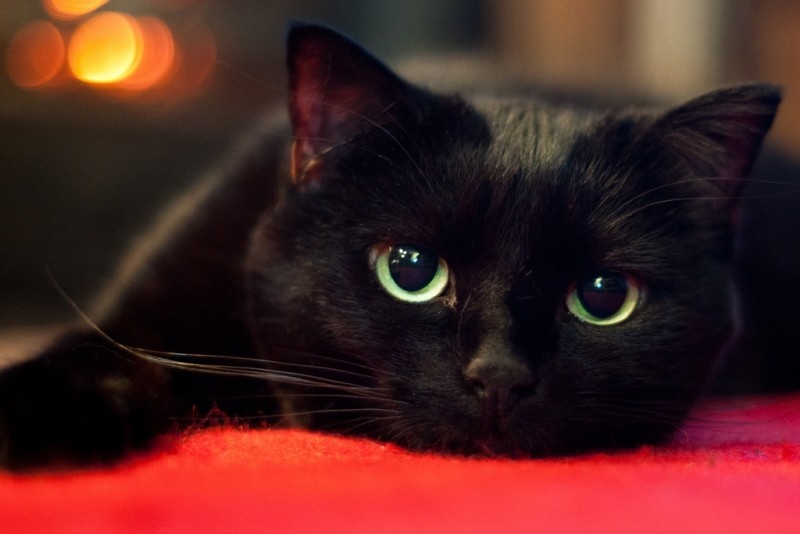
lucky 6
Photo credit: ‘Buzzy the cat’ Mark McLaughlin via Foter.com / CC BY-NC-SA Original image URL: https://www.flickr.com/photos/clocky/4198381496/

Writers began to portray cats in a bad light; they compared the way they caught their prey and tormented it to the way the Devil catches souls. William Caxton wrote: ‘the devil playeth ofte with the synnar, lyke as the catte doth with the mous’….

It became widely believed that the Devil could manifest as a black cat. Christianity saw things very much in black and white. White representing goodness and purity; black, evil, danger and corruption. Black cats became associated with witches and heretics. Heretical religious groups, such as the Cathars and Waldensians were accused by the Catholic Church of worshipping cats….

lucky 2
Photo credit: ‘Purring in the Dark’ Tria-Media_Sven via Foter.com / CC BY-NC-ND Original image URL: https://www.flickr.com/photos/tria-media/24356576463/

1022 saw the first burning at the stake of the Cathars in France, when heretical Canons of Orleans perished upon the orders of the King. At the time there was no law to say heretics were to be executed in this way – was it that Robert the Pious was influenced by the Germanic custom of burning witches at the stake? Whatever his reasons, this became the form of execution for the so-called ‘heresy crimes’ of the Cathars….

Emperor Frederick II sanctioned the practice in anti-heresy laws in 1224 and 1232 but only when the Church authorities demanded the extreme sentence. It was believed that heresy was contagious, rather like leprosy or the Plague – many thought the only way to be rid of the disease was through ‘cleansing’ with fire. It was also the Christian belief that reducing to ashes would condemn to eternal damnation, depriving bodily resurrection on Judgement Day….

Witches burned at the stake
Photo credit: ‘Witches burned at the stake’ ancientartpodcast.org via Foter.com / CC BY Original image URL: https://www.flickr.com/photos/ancientartpodcast/12760822893/

Burning witches at the stake was a method of execution used across Europe and the UK (no witches were burnt in the English colonies of North America). It was commonly believed both in Europe, the UK and Salem, USA, that witches shape-shifted into the form of black cats in order to roam the streets unobserved…. The streets were dangerous places at night, no lighting meant darkness provided cover for all kinds of villains and evils….Cats, being nocturnal and their ability to see in the dark, made them the obvious choice for a witch’s familiar….

lucky 15
Photo credit: Image from page 105 of ‘Our domestic animals, their habits, intelligence and usefulness;’ (1907) Internet Archive Book Images / No known copyright restrictions Original image URL: https://www.flickr.com/photos/internetarchivebookimages/14763591474/

A Lincolnshire folktale from the 1560s, tells that a father and son were travelling on a moonless night; suddenly, a black cat ran across their path. Fearing bad luck, they started to hurl rocks at it. Terrified and injured, the cat fled to the house of an old woman who had recently been accused of witchcraft. The next day the father and son saw the old woman, she was bruised and limping…. Well, you can imagine the conclusions they drew….

Old women in Mediaeval times often cared for street cats. As the witchcraft hysteria took hold, it was so often that these were the women accused. In Europe there was a large scale massacre of black cats, many of them burnt…. Pope Innocent VIII, in 1484, declared the cat was the Devil’s favourite animal and the idol of all witches….

lucky 12
Photo credit: ‘This is the season of the witch’ sammydavisdog via Foter.com / CC BY-NC-SA Original image URL: https://www.flickr.com/photos/25559122@N06/5030536735/

Whether these deep seated superstitions have any truth in them, I really don’t know…. Charles I obviously believed in the powers of the cat; when his beloved puss died, he claimed his luck would run out. It certainly did, the next day he was charged with high treason….

Throughout history, the black cat has had an extremely raw deal, considering their only crimes are being nocturnal and they take pleasure from torturing their prey….the same as any other cat does…. Once a year or so, I get to make a fuss of a ‘Matagot’ in the South of France. He is gentle, loving, playful and affectionate, he’s right up there with the best of feline kind; just like the other two black cats I have had the privilege of sharing my life with in the past – and yes! One of them was called Lucky….


Bring back the stocks…I say!!

There have been a few times in the past, when I have jokingly remarked it would be fun to see a set of stocks on the village green…. I may not have been saying that if I had lived in this house a couple of hundred years ago, even less so if I had been one of its first occupants….

stocks-1
Photo credit: ‘Punishment in 18th century Bristol by John Latimer’ brizzle born and bred via Foter.com / CC BY-ND Original image URL: https://www.flickr.com/photos/brizzlebornandbred/10242020225/

Wind back to when No.3 was first built – England would still have been governed under the Feudal System. Feudalism was introduced when William I took control after the Norman Conquest in the 11th Century; it was to become the way of Mediaeval life. As William was still also the Duke of Normandy he had to divide his time between England and France, so was absent for many weeks at a time. Therefore, he needed people he could trust to run things for him in his absence. In order to do this, he divided the country up into large chunks, similar to the counties we know today. These plots of land were ‘given’ to those he considered the most trustworthy, namely those that had fought with him and were prepared to die for him. The land was not ‘given’ to them unconditionally, they had to swear an oath of loyalty and collect taxes for the King. The noblemen (barons, earls and dukes) were the most important men in their allotted portion of land, they were known as ‘tenants-in-chief’. They in turn divided the land further into smaller pieces, called Manors, which were entrusted to Norman knights, who had also served well in battle. Each also had to swear an oath and it was his duty, as Lord of the Manor, to manage the land and its occupants. He had to collect taxes on behalf of the tenant-in-chief and provide soldiers from amongst the men living within his Manor to fight when ever needed. It was also the lord’s responsibility to ensure law and order was upheld….

stocks-6
Photo credit: Image taken from page 210 of ‘The History of England from the earliest dawn of authentic record…Embellished with…engravings.’ The British Library via Foter.com / No known copyright restrictions Original image URL: https://www.flickr.com/photos/britishlibrary/10999381745/

The Manorial Court dealt with crimes that were of a less serious nature. Courts were held at regular intervals throughout the year and all villagers were required to attend, or face a fine. Trial was by jury, which consisted of twelve men, selected by the villagers. A steward, chosen by the lord, was in charge of the Court. The  community was divided into groups, called tithings, each tithing represented by ten adult (over the age of 12) men, who were then responsible for each other’s behaviour. If one member (or part of his household) broke the law or behaved in an inappropriate way, it was the duty of the other nine tithe members to bring them before the Court.

More serious crimes were referred to the King’s Court; these included murder, treason, heresy and witchcraft. Trial by jury did not come to the King’s Court until 1275. Before this time, trial was by ‘ordeal’; it was believed God would decide whether a person was innocent of the crime he or she had been accused of. There were three types of ordeal used to determine a person’s fate:-

Ordeal by fire: The accused was made to walk a distance of approximately 9 foot holding a red-hot iron bar, (or similarly, picking up a stone from a boiling cauldron of water). The hands would be bandaged. Three days later the bandages would be removed, if the wounds showed no signs of healing, the person would have been pronounced ‘guilty’….

Ordeal by water: The accused would have been thrown into water with their hands and feet bound together; if they floated, they were declared ‘guilty’….

Ordeal by combat: Reserved for noblemen. The accused would fight with his accuser, usually to the death; the victor being considered the one in the ‘right’….

In 1215 the Pope made a ruling that priests must not help with enforcing ordeals (as it was his belief they were wasting too much of God’s time) – as a result the King’s Court also became trial by jury. This was actually not popular with the people, some thought those with a grudge against them may use the system to their own advantage. In 1275 a law was introduced permitting the use of torture if trial by jury was refused. Torture was also used to extract confessions or to get the names of accomplices and other information about the crime in question….

Punishments were issued to fit the crime and reflect the social standing of the person who had been found guilty. The worse the crime, the harsher the punishment. For serious crimes, death was usually inevitable; as well as murder, treason and witchcraft, highway robbery and the stealing of livestock carried death sentences….

Although prisons existed, they were used as a holding place for people awaiting trial rather than as a punishment. They were squalid places, lack of food and disease often meant prisoners died before even coming before the Court. Prison sentences were usually not an option as the money to keep long-term prisoners was not available; it was cheaper to either execute or mutilate them….

Most towns had a gibbet. People were hung on them and their bodies left to rot to act as a deterrent to others. Witches were strangled or in severe cases, burnt. Sometimes beheading was used as a form of execution. Serious theft could result in hands being cut off, branding may have been used, along with other barbaric punishments, such as the poking out of eyes. Punishments and executions were always in public….

stocks-15
Photo credit: ‘Gallows’ Jaime Perez via Foter.com / CC BY-NC Original image URL: https://www.flickr.com/photos/jaimeperez/452796686/

Courts were often biased, the poor discriminated against and judgement would often have been known before the case even came to trial. If somebody did not turn up to attend the Court they were automatically considered to be an outlaw; their possessions would have been seized, becoming the property of the King. Outlaws would often band together and live in hiding; of course, one of the most famous being Robin Hood….

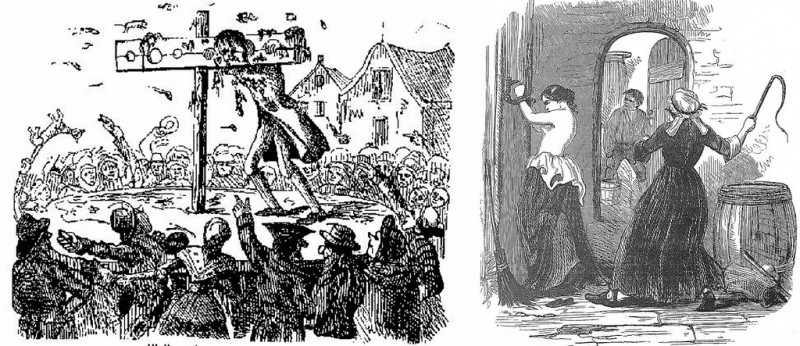
Lesser crimes were dealt with within the community and it was up to the Lord of the Manor to decide a fitting punishment. The Middle Ages had a tendency to use ridicule to punish petty crimes, public humiliation was common practice. Anything from being forced to wear an animal mask to being publicly flogged…. Not working hard enough, cheating on a spouse, blasphemy, not observing the Sabbath and being drunk and disorderly were all punishable crimes in Mediaeval England….

Petty theft could result in being given extra, unpaid work and/or a fine. Slacking at work would warrant a flogging….

Women who nagged, scolded and gossiped could find themselves the centre of the utmost ridicule….by being forced to wear a ‘scold’s’ bridle. Although it looked like a torture contraption it was not really designed as such, more for humiliation. It consisted of a metal bridle that strapped about the head and had ‘bits’ that went into the mouth. Sometimes the bits had spikes to prevent the woman from talking. She would then be paraded through the streets for up to twelve hours; some bridles even had bells attached to them, to add to the indignation….

Another punishment used for women who found themselves fallen from grace was the ducking-stool, popular especially in the 16th and 17th centuries. The offending woman was strapped into a chair on the end of a long pole; she was then repeatedly dropped into a river or lake…. The last recorded ducking in England was in the Herefordshire town of Leominster. Jenny Pipes was a notorious scold and was dunked in 1809. In 1817, Sarah Leeke was found guilty of the same crime; fortunately for her, the water in the ducking pond was too low, instead she was wheeled around the town strapped in the ducking chair, to receive the ridicule of the townsfolk….

stocks-11
Photo credit: ‘The Ducking Stool at Leominster’ copyright John Phillips and licensed for reuse under creative commons license CC SA Wikicommons

Another variation of this was the cucking-stool, in which the guilty person was made to sit, to endure being paraded through the streets….

To us now, the  ducking-stool may conjure up quite a comical image…. However, it was a terrible ordeal for the woman concerned. Deaths did occur, either through drowning or shock. In more severe cases, for example a person accused of witchcraft, the chair would be held under the water for several minutes, repeatedly. If the accused survived it would be assumed they were guilty. If they drowned, the only consolation would be their name was cleared….

stocks-10
Photo credit: Image from page 90 of ‘Essentials of United States history’ (1911) Internet Archive Book Images / No known copyright restrictions Original image URL: https://www.flickr.com/photos/internetarchivebookimages/14756866006

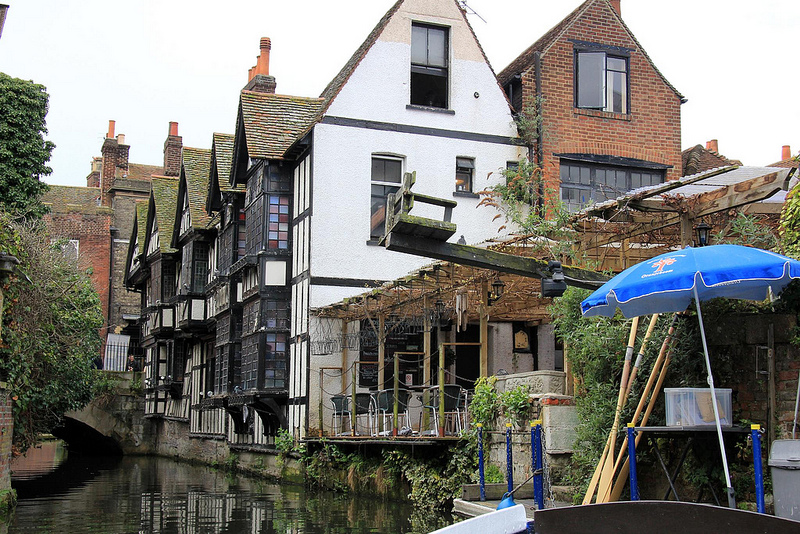
In the City of Canterbury, Kent, the original ducking chair can still be seen in its place at the back of the Weavers House Pub on the banks of the River Stour….

stocks-9
Photo credit: ‘Canterbury Historic River Tours’ Karen Roe via Foter.com / CC BY Original image URL: https://www.flickr.com/photos/karen_roe/7217331258/

Of course, one form of punishment we commonly associate with days gone by is that which got me on to this subject in the first place….the stocks; (and we must also contemplate their cousin, the pillory, too)….

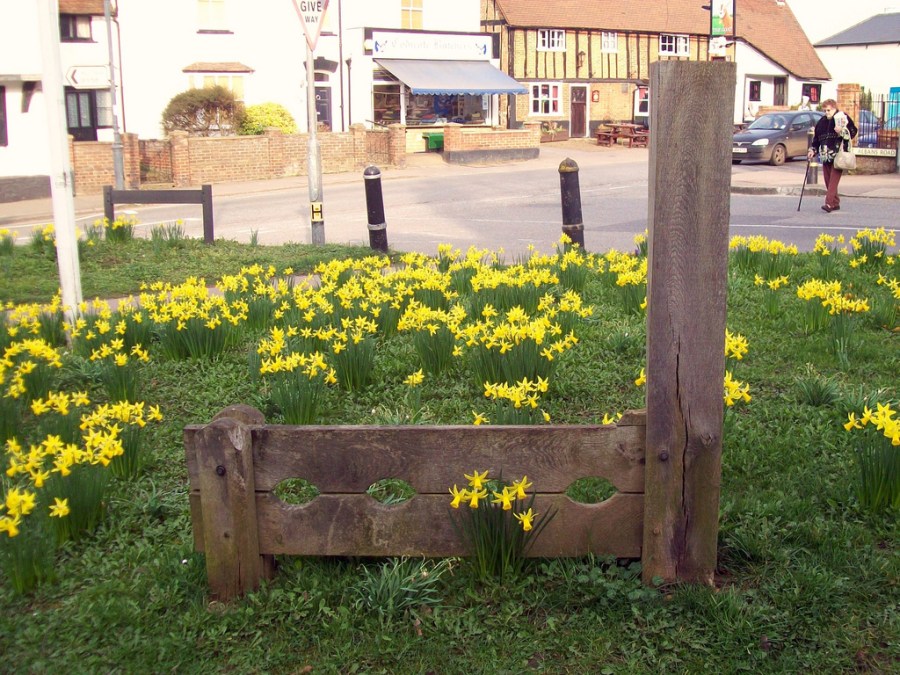
The stocks go back to at least Anglo-Saxon times…. A wooden construction, where the convicted person would sit and have their ankles trapped in holes within the structure and sometimes their hands too.  Occasionally, although not commonplace, even the neck would be entrapped. Most stocks were capable of holding at least two prisoners at one time….

stocks-13
Photo credit: ‘Stocks’ Kasper Veste via Foter.com / CC BY-SA Original image URL: https://www.flickr.com/photos/kasper_veste/4443518243/

In 1351 the parliament of King Edward III passed a law prohibiting labourers from leaving their home Manor to look for better paid work. After the Black Death there was a desperate shortage of labour – workers were in a situation where they could demand better conditions and wage increases…. To curb this the Statute of Labourers was instated….all upstarts were sentenced to the stocks. In 1405 it was made law that every town and village in England should have them….

stocks-4
Photo credit: ‘St Leonard’s Church Shoreditch’ Alan Denney via Foter.com / CC BY-NC-SA Original image URL: https://www.flickr.com/photos/alandenney/14633649205/

A spell in the stocks could last anything from a few hours, to days, even weeks! A part from the obvious discomfort of being pelted with rotten fruit, vegetables, eggs and possibly even worse, the fact the prisoner was unable to shift position in all that time, has to be taken into consideration; that and our great British weather….!!

stocks-14
Photo credit: ‘Stocks, Codicote’ Peter O’Connor aka anemone projectors via Foter.com / CC BY-SA Original image URL: https://www.flickr.com/photos/anemoneprojectors/5545843719/

Stocks and pillories were always positioned in the most prominent place in the town or village….be it the market square, near to the church or on the village green….

The pillory tended to be used for slightly more serious offences. Similar to the stocks but this time the person was in a standing position with their head and wrists entrapped. A term in the pillory was usually shorter, not normally more than a day. Additional punishments may have been administered, depending on the crime. Sometimes the victim’s ears might be nailed to the pillory, to stop movement of the head. Often, the prisoner’s ears would be ripped off through their struggles; if the ears were still intact at the end of the ordeal, they were more than likely to have been cut off at the time of opening the pillory anyway. Branding the face of the criminal, nose slitting and even boring through the tongue with a red-hot iron were all punishments some prisoners of the pillory had to endure….

stocks-2
Photo credit: ‘laurel & hardy’ pinch of salt via Foter.com / CC BY-NC-ND Original image URL: https://www.flickr.com/photos/pinchofsalt/1623455610/

Being drunk and disorderly, cheating, blaspheming, not observing the Sabbath, or simply being a vagrant could result in a spell in the stocks or pillory. However, it was possible, if a person was well liked in a town or village, that no real hardship was suffered. Some places stipulated only soft missiles could be thrown, to prevent stoning….

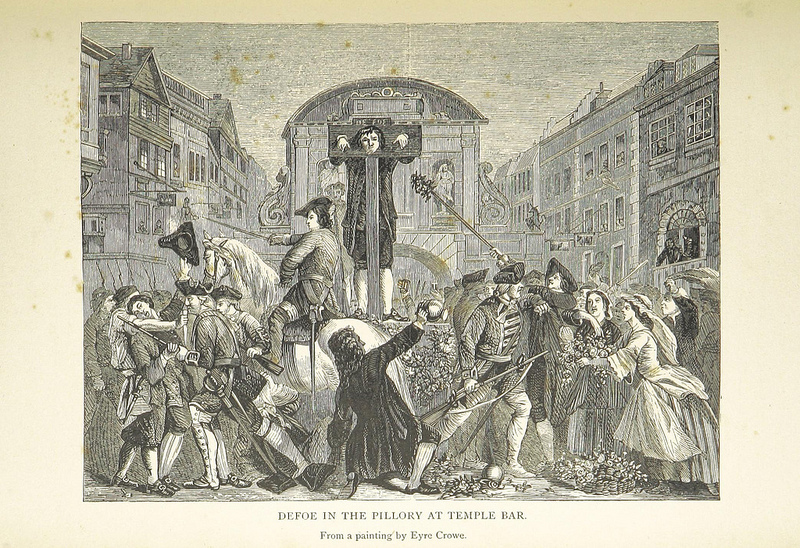
In 1703, Daniel Defoe, a popular writer of the time, was sentenced to the pillory because his work ‘The Shortest Way with the Dissenters’ was considered seditious libel (criticising and discrediting the King and Church). In the July of 1703 he was taken on three consecutive days to some of the busiest parts of London; The Royal Exchange in Cornhill, Cheapside and finally Fleet Street, to spend an hour each time in the pillory. Huge crowds were expected to turn out and mock him and hurl whatever they deemed fitting; however, all that was thrown at Defoe were flowers, whilst his friends read extracts of his work to onlookers….

stocks-5
Photo credit: Image taken from page 146 of ‘Daniel Defoe : his life and recently discovered writings : extending from 1716 to 129. [With plates, including a portrait.]’ The British Library via Foter.com / No known copyright restrictions Original image URL: https://www.flickr.com/photos/britishlibrary/11090698076/
The pillory was abolished in 1837. The stocks, although never officially abolished, began to die out in England in the early 19th Century. The last recorded case of them being used was in Rugby, Warwickshire in 1865.

Most stocks were made of wood (although there have been examples made of iron), so many of the original stocks deteriorated and rotted over time. However, many villages, proud of their old stocks, have managed to preserve them as a reminder of the ‘olden days’. Several villages local to Dunsfold still have theirs, including Chiddingfold and Alfold. Dunfold’s have long gone – and after learning all this, I am not quite so sure now that I would like to see a new set on the green after all….

stocks-12
Photo credit: clare_and_ben via Foter.com / CC BY-NC-ND Original image URL: https://www.flickr.com/photos/benandclare/3710415485/
stocks-3
Photo credit: ‘Pillory’ balaji shankar via Foter.com / CC BY-NC Original image URL: https://www.flickr.com/photos/balaji_shankar/584749163/

Us Brits – we’re a bunch of tossers….

Who doesn’t love a pancake…? Whether with simple lemon and sugar or filled with something more elaborate, like salmon and hollandaise sauce; they are a favourite….

pc-2
Photo credit: ‘Pancakes’ Sean MacEntee via Foter.com / CC BY Original image URL: https://www.flickr.com/photos/smemon/21036796708/

Traditionally eaten on Shrove Tuesday, they are seen as an ideal way of using up perishable foods before the onset of the fasting period of Lent. Shrove Tuesday always falls 47 days before Easter Sunday and is the day before Ash Wednesday, the first day of Lent; a time in the Christian calendar for prayer and penance. It represents the 40 days that Jesus Christ spent in the wilderness before his crucifixion. Nowadays, for most of us, if we do give something up for Lent, it tends to be a ‘guilty pleasure’, such as chocolate or wine….

Shrove Tuesday originated in the Middle Ages. People would attend Church to be ‘shriven’; confess their sins and be absolved. A bell would call them to confession; the bell, known as the ‘Pancake Bell’, is still rung today….

pc-24
Photo credit: ‘Pancake restaurant’ hans s via Foter.com / CC BY-ND Original image URL: https://www.flickr.com/photos/archeon/1655189816/

We British have some pretty wacky customs, none more so than pancake racing…. A gathering of people, often in fancy dress, running a race whilst carrying a frying pan, tossing a pancake all the way to the finishing line…. How on Earth did all this come about….?

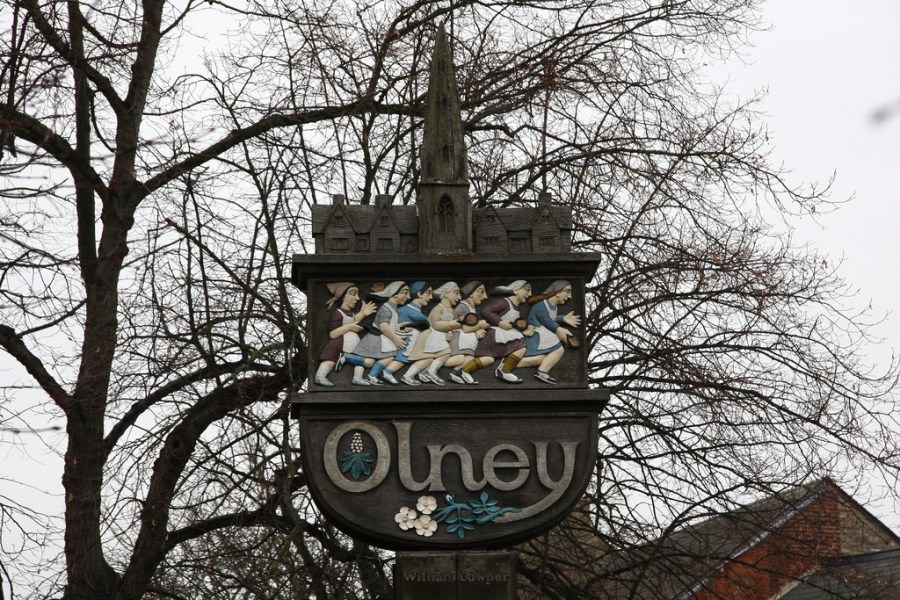
Well….tradition says it originated in the Buckinghamshire town of Olney. In 1445, a woman heard the Shriving bell while she was making pancakes. Still in her apron and clutching the pan she ran to the church….

pc-6
Photo credit: ‘Olney Pancake Race 2009’ robinmyerscough via Foter.com / CC BY Original image URL: https://www.flickr.com/photos/rssupport/3307747992/

The Olney Pancake Race is famous. In order to qualify the competitors have to dress as housewives, in an apron, hat or scarf. The pancake has to be tossed three times during the race, which ends at the church. The winner is the first one to arrive, receive a kiss from the bell-ringer and serve him the hot pancake….

Many towns hold their own pancake races on Shrove Tuesday but there are some that have other traditions to celebrate the day….

Westminster School has its ‘Pancake Greaze’. The Verger from Westminster Abbey leads a procession of school boys to a hall, where the school’s cook is waiting to toss a large pancake over a five metre bar. The boys run and scrabble to grab a piece of the pancake, the one who manages to get hold of the largest piece, (this is determined by weight), wins a prize of cash from the Dean….

In Scarborough, North Yorkshire, people meet on the Promenade, to skip. Nobody knows the true origins of this but it is thought that it could date back to the Middle Ages. Skipping was then associated with fertility, as in the sowing and sprouting of seeds. The skipping that takes place in Scarborough entails using very long ropes; very often, as many as a dozen people can be skipping to each at the same time….

pc-8
Photo credit: ‘Skipping’ Abdulrahman BinSlman via Foter.com / CC BY-NC-SA Original image URL: https://www.flickr.com/photos/sOmpho/2252613928/

In days gone by many towns throughout England would hold mob football matches, a Mediaeval form of football dating back to the 12th Century. In the Middle Ages, the match would have taken place between two neighbouring towns; the idea was to carry an inflated pigskin ball to a goal at the other side of the opponent’s town. As many men as possible would make up a team and any method of getting the ball to the goal was permissible, other than murder or manslaughter! Although this practice has all but died out now (due to the 1835 Highways Act, banning the playing of football on public highways) there are still a few towns that continue the tradition….

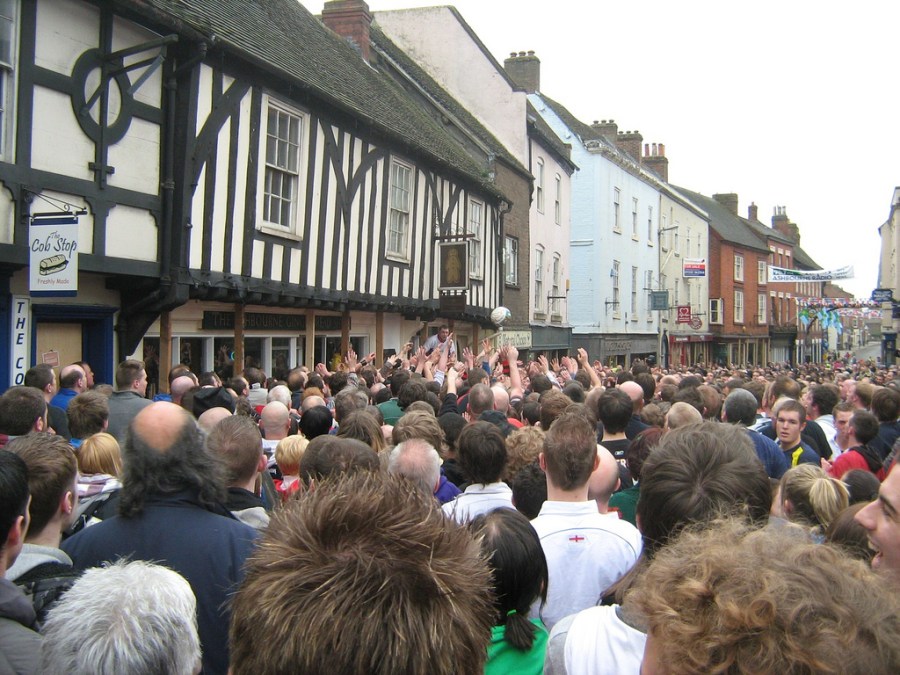
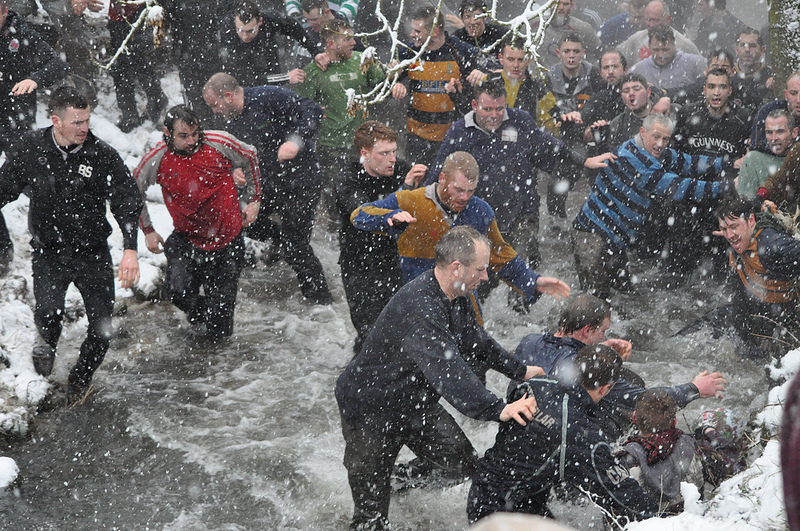
One very famous ‘football’ match, that is held annually, is the Royal Shrovetide Football Match in the Derbyshire town of Ashbourne. It is held every Shrove Tuesday and Ash Wednesday over two eight-hour periods, starting at 2pm and ending at 10pm. The goals are three miles a part and if a goal is scored before 5pm, a new ball is issued and the game continues; if a goal is scored after 5pm play stops for the day. A special ball is used, bigger than a normal football and it is filled with cork, to help it float – as it usually ends up in the river at some point in the game…. The ball is hand-painted by local artists and when a goal is scored the scorer’s name is added and it is presented to him to keep….

pc-18
Photo credit: Jason Crellin via Foter.com / CC BY-NC-SA Original image URL: https://www.flickr.com/photos/jasoncrellin/15950559504/

The teams are made up with as many men as possible; those from the north side of ‘Henmore Brook’, who are known as ‘Up’ards’, oppose those from the south side, the ‘Down’ards’. The game resembles more of a rugby match than a football match, the ball is moved about in giant scrums (called ‘hugs’), sometimes involving hundreds of people. Shop windows are boarded up in advance to protect them….

pc-12
Photo credit: ‘Ashbourne Shrovetide Football 2009’ Paul The Archivist via Foter.com / CC BY-SA Original image URL: https://www.flickr.com/photos/paularchivist/3386246084/

The match takes place in the streets, surrounding fields, in the river, where ever it ends up! Although it is perfectly legal to kick or carry the ball it usually just gets bundled through the crowds….

pc-17
Photo credit: Jason Crellin via Foter.com / CC BY-NC-SA Original image URL: https://www.flickr.com/photos/jasoncrellin/1654722543/

To score a goal, the ball has to be knocked three times against the ‘Millstone’ by a player who has been pre-elected by the team. The rules are few; no car or other motorised vehicle can be used, the ball must not be hidden in a bag/up a jumper etc., churchyards are out-of-bounds and of course, murder is not allowed….

No one knows exactly how long the Royal Shrovetide Football Match has been played (due to the town’s records being destroyed in a fire in the 1890s) but it is known to go back to at least 1667.

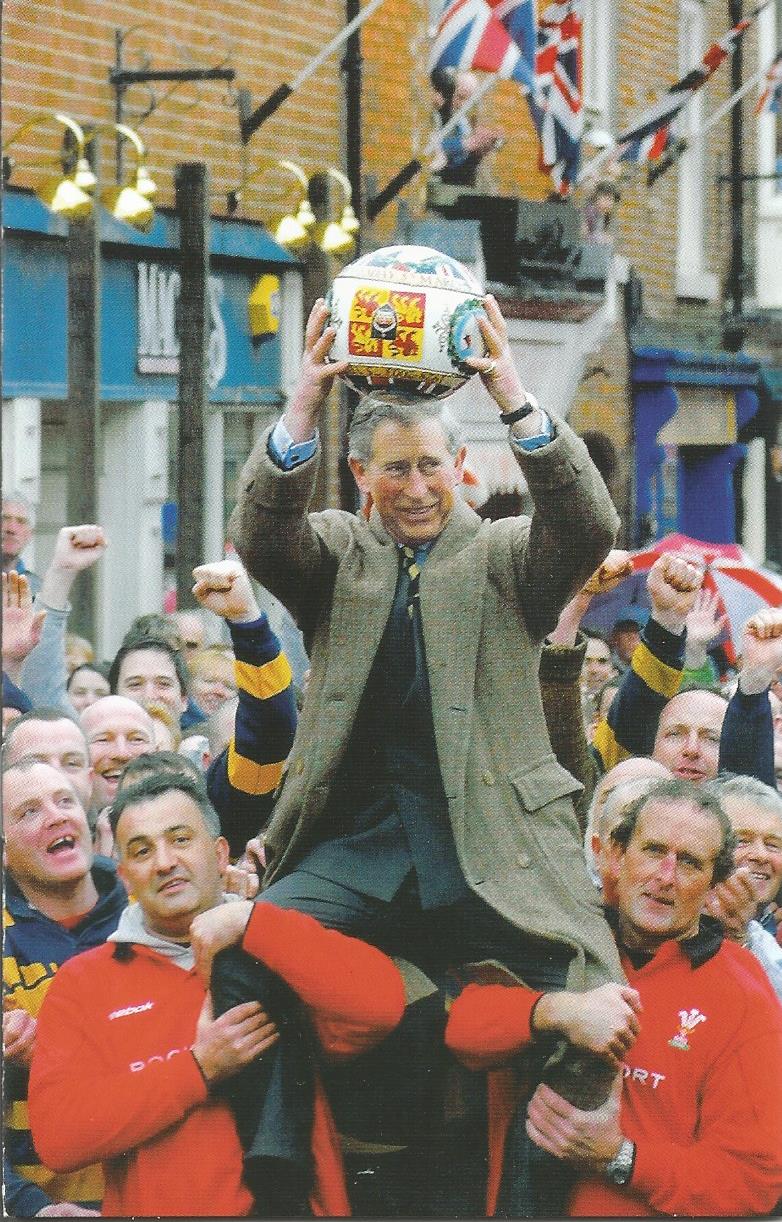
It is called ‘Royal’ because the ball was ‘turned up’ (the term used for starting the game) by Edward III, when he was still the Prince of Wales in the 1920s. Once again, in 2003, Royalty was involved, when Prince Charles started the game.

pc-20
Photo credit: ‘Ashbourne Shrovetide Football 2003 – HRH The Prince of Wales turns up the ball’ Diego Sideburns via Foter.com / CC BY-NC-ND Original image URL: https://www.flickr.com/photos/diego_sideburns/28957545202/

Starting the game entails throwing the ball into the waiting crowd of ‘footballers’, from a specially erected plinth….

This is a massive event for the people of Ashbourne, they often refer to it as their ‘Christmas’, as families and friends who don’t  see each other at any other time of the year come together to meet and socialise….

pc-19
Photo credit: ‘River Games’ ARKpics via Foter.com / CC BY-NC-SA Original image URL: https://www.flickr.com/photos/arkpic/8471046783/

Pancakes have been featured in cookery books dating back to 1439. Four of the main ingredients are thought to have symbolic meanings: Eggs – for creation;  Flour – the staff of life;  Salt – wholesomeness;  Milk  – for purity….  Tossing the pancake seems to go back almost as far: Pasquil’s Palin 1619 ~ “And every man and maide doe take their turne. And tosse their pancakes up for feare they burne”….

pc-21
Photo credit: Oswestry Wesley Guild’s ‘pancake special’ LIGC~NLW via Foter.com / No known copyright restrictions Original image URL: https://www.flickr.com/photos/ligc/12900492524/

In Britain, pancakes are a thin, flat ‘cake’, made from batter and fried in a pan.

pc-1
Photo credit: ‘Pancakes’ olduvai via Foter.com / CC BY-NC-SA Original image URL: https//www.flickr.com/photos/olduvai/401786380/

The rest of the World has its own variations, following are but just a few examples:

Australia; ‘Pikelets’. Traditionally served with afternoon tea, with jam, butter and whipped cream.
Thailand; ‘Roti’. A sweet, rolled up pancake, served drizzled with sweetened condensed milk and sometimes caramelised bananas. Often sold by street vendors.
France; ‘Crepes’. A very thin pancake that can be sweet or savoury.
Germany; ‘Pfannkuchen’. Very much like the French crepe.
USA; ‘Buttermilk pancakes’. Fluffy and sweet, usually topped with syrup.
Mexico; ‘Hotcakes’. Similar to those of the USA but made using cornmeal.
Poland; ‘Nalesniki’. A version of the crepe, again sweet or savoury (for example, fried chicken).
Austria; ‘Kaiserschmarm’. The pancake is broken into pieces and caramelised. It is then topped with fruit and nuts.
Holland; ‘Pannenkoeken'(or ‘Dutch pancake’). Cooked with pieces in the mixture, such as bacon and cheese for savoury versions, or apple and raisins for sweet.
Finland; ‘Pannukakku’. Baked rather than fried, used as a dessert.
Russia; ‘Buckwheat Blini’. Served with butter, sour cream, caviar or fruit preserves.
India; ‘Malapua’. A dessert or snack food. There are many variations but may include mashed bananas and cardamom.
Malaysia; ‘Apam Balik’. Griddle cakes served with butter, ground roasted peanuts and sweetcorn. Nowadays, they are also often strawberry or chocolate flavoured.
Somalia; ‘Anjerno’. A chewy, spongy type of sour dough pancake, with a sweet and sour flavour. Ethiopia has a similar one which is slightly larger.

However you eat yours, enjoy…. I will leave you now, with a traditional English recipe:

Pancakes

200g plain flour
3 1/2 teaspoons baking powder
1 teaspoon salt
1 tablespoon castor sugar
300ml milk
1 egg
50g melted butter

In a large bowl, sift flour, baking powder, salt and sugar. Make a well in the centre, pour in milk, egg and melted butter, mix until smooth.

Heat a lightly oiled frying pan over a medium to high heat. Pour in enough batter to thinly cover pan, (roughly 60ml – or 4 tablespoons per pancake). Brown on both sides…. Serve hot with topping or filling of choice….

pc-26
Photo credit: ‘1946 Pannenkoeken bakken’ Herman van den Bossche via Foter.com / CC BY-NC-SA Original image URL: https://www.flickr.com/photos/herman_van_den_bossche/6661105429/
pc-7
Photo credit: Image from page 70 of ‘Larkin housewives’ cook book; good things to eat and how to prepare them’. (1915) Internet Archive Book Images via Foter.com / No known copyright restrictions Original image URL: https://ww.flickr.com/photos/internetarchivebookimages/14761322721/

Dost thou know thy Tussie-Mussie from thy Nosegay…?

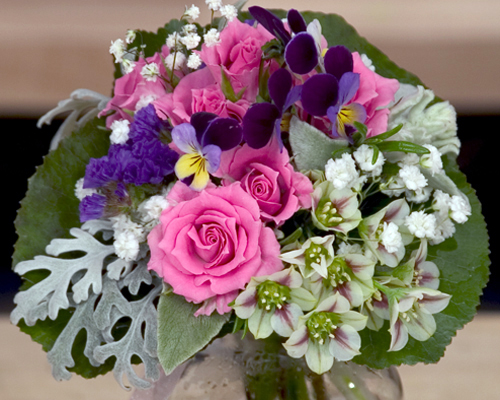
When I hear the words ‘Tussie-Mussie’, for me it conjures up a nostalgic, whimsical image of Victorian times…. A young suitor handing his intended a dainty posy of flowers, waiting to see if she would clutch it to her heart – for if she did, he would have known his love was requited…. Maybe they were secret sweethearts and his gift of flowers conveyed a covert message to her…. Each bloom, individually selected for its meaning, combined together to tell a story…. The language of flowers….

tm-1
Photo credit: ‘Tussie-Mussie’ Leanne & David Kesler, Floral Design Institute, Inc., in Portland, Ore. Flower Factor via Foter.com / CC BY-NC Original image URL: https://www.flickr.com/photos/flowerfactor/8261820014/

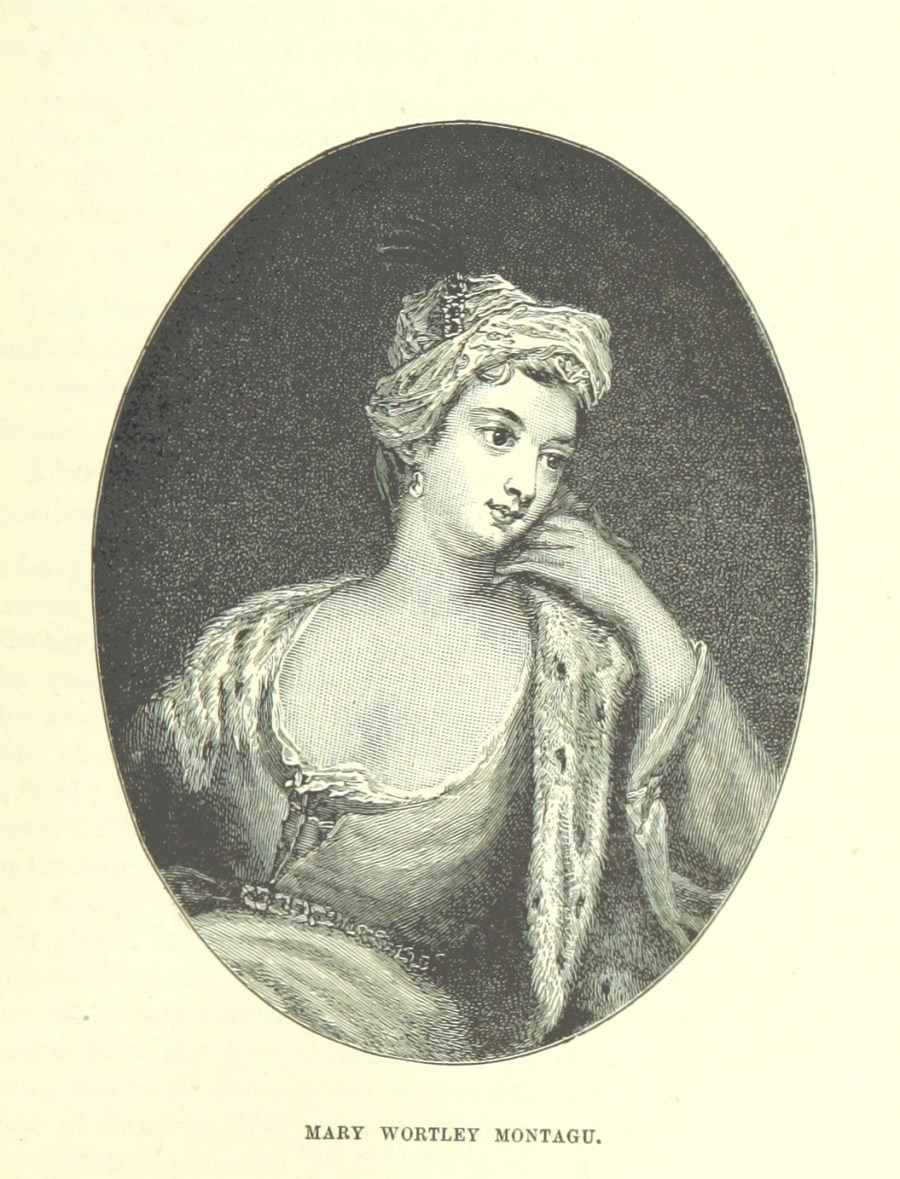
Floriography, the term used for the communication of a message through flowers, was a trend introduced to Europe in the 1700s. Lady Mary Wortley Montagu brought it to England in 1717; wife of the then Ambassador to Turkey, she is better known for her writing, poetry and upon her return from Turkey, for the introduction of the smallpox inoculation to Britain….

tm-13
Photo credit: Image taken from page 333 of ‘Literary Landmarks of London…Eighth edition, revised and enlarged, etc’ The British Library via Foter.com / No known copyright restrictions Original image URL: https://www.flickr.com/photos/britishlibrary/11301275333/

As Floriography gained in popularity throughout Europe and Britain, publications began to appear listing plants, trees and flowers with their meanings. The very first dictionary is thought to be Joseph Hammer-Purgstall’s Dictionnaire du Language des Fleurs’ in 1809. The craze continued throughout the Victorian era and dictionaries were produced in several countries; France, England, the USA, Belgium, Germany and South America. A well-known publication was ‘Le Language des Fleurs’ by Louise Cortambert writing as Madame Charlotte de la Tour, in 1819. Its equivalent in England was by the Clergyman, Robert Tyas and entitled ‘The Sentiment of Flowers; or, Language of Flora’, written in 1836. Other notable works were Henry Phillips’ ‘Floral Emblems’ in 1825 and Frederic Shoberl’s ‘Language of Flowers’ in 1834….

Perhaps though, the one we may be most familiar with and which is still printed today, is the one written by English, children’s book illustrator, Kate Greenaway. Her book, ‘The Language of Flowers’, which was first printed in 1884, lists over 500 flowers and plants, along with illustrations and the meanings and messages they convey. Many of the images are now reproduced as fine art prints, greetings cards and note paper….

tm-3
Photo credit: ‘Queen Victoria’s jubilee garland’ (1887) Toronto Public Library Special Collections via Foter.com / CC BY-SA Original image URL: https://www.flickr.com/photos/43021516@N06/8045542813/

Because so many different publications were available there became many variations of the lists. Certain flowers and plants acquired more than one meaning, sometimes contradictory, often varying from country to country. For example, the herb Basil; in Italy, it represented ‘best wishes’, in Greece it conveyed ‘hatred’, whereas in India it meant ‘sacred’….

There are so many plants and flowers that have meanings, far too many to list here but following are a few of the more familiar ones:

Primrose: Inconstancy, changeability
Sweetpea: Departure, good-bye
Anemone: Forsaken
Bluebell: Humility
Daffodil: Unrequited love
Chrysanthemum: Friendship, cheerfulness
Dandelion: Faithfulness, happiness
Violet: Modesty
Iris: Hope, wisdom, valour
Ivy: Fidelity
Fern: Fascination
Passion Flower: Faith
Honeysuckle: Love (sweet and secret)
Golden Rod: Caution, encouragement
Forget-me-not: True love, forget me not
Lily of the Valley: Return of happiness
Rose: Love
Pansy: Thoughts
Daisy: Innocence, purity
Orchid: Beauty
Peony: Shame
Poppy: Oblivion
Rosemary: Remembrance
Purple Heather: Admiration
White Heather: For wishes to come true
Magnolia: Nobility
Forsythia: Anticipation
Petunia: Resentment, anger
Larkspur: Fickleness
Marigold: Jealousy
Elderberry: Sympathy
Aster: Daintiness….

In Victorian times, the Tussie-Mussie  became something of a fashion accessory. They would have been carried to social occasions, or maybe worn on the wrist, or as a brooch…. If carried, very often a lace doily would have been wrapped around the stems; or perhaps they would have been contained in a small silver vase that could be pinned to a lapel….

Flowers were the most commonly exchanged gift in the Victorian era; much thought went into the meaning of each bloom that made up the display. A Tussie-Mussie traditionally has one single central flower, which is then surrounded by smaller flowers, herbs, foliage and grasses. Each individual piece playing its part, in conveying the message the person giving the gift wishes the recipient to receive…. Every posy is unique, individual and personal… In Victorian times young ladies were taught how to make them as part of their social up-bringing…. The craze eventually ended with the outbreak of World War 1….

Nowadays, Tussie-Mussies are still occasionally given as gifts; when they are, it is common place to include a note, explaining the meaning….

The name, ‘Tussie-Mussie’, was first mentioned in 1440, as ‘Tusemose’. Tuse – meaning a knot of flowers; mose – refers to the damp moss wrapped around the stems to stop them from drying out. During Mediaeval times, small posies of flowers were more commonly known as ‘Nosegays’; ‘gay’ meaning ornament. The name quite literally means ‘an ornament appealing to the nose’….

A Nosegay could have come in several forms; a small scented posy, or sachet of highly aromatic herbs or maybe even an orange studded with cloves. They would have been used by both sexes, carried, pinned to lapels, worn on the wrist or perhaps around the head – anywhere convenient and easily accessible, to mask bad odours and rancid smells….

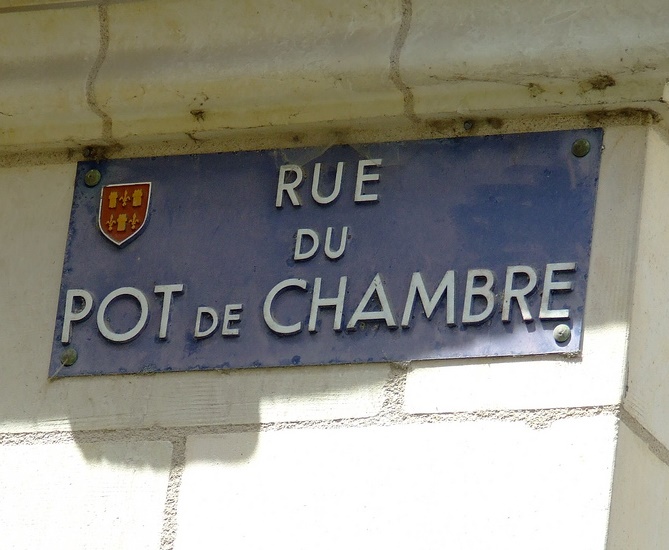
Nosegays were extremely popular whilst in crowded places or while walking through the streets of cities and towns. The streets were particularly filthy in the Middle Ages, often coated in raw sewage, where the contents of chamber pots had been flung from windows. Butchers slaughtered animals in the streets leaving the unwanted waste behind….general rubbish and debris would have been left to rot…. The stench could only have been horrendous, Nosegays were quite possibly the only method to prevent gagging…. It was also believed disease was spread by foul air and bad odours….

tm-9
Photo credit: ‘Sign in Chinon’ Peter Curbishley via Foter.com / CC BY Original image URL: https://www.flickr.com/photos/peter_curb/3685089224/

Contrary to general belief, many people in the Middle Ages did observe personal hygiene. Not all, obviously (hence another use for the Nosegay). Clothes, with the exception of under-garments, would not have been washed frequently; especially in the Winter months, as drying them would have been almost impossible….

Health manuals from the time stressed the importance of keeping clean in order to keep healthy. Magninius Mediolanesis wrote in his ‘Regimen Sanitatis’ “The bath cleans the external body parts of dirt left behind from exercise on the outside of the body”. He then went on to suggest 57 bathing remedies for conditions such as old age, pregnancy and for whilst travelling. He also advised: “Spring and Winter are good times for bathing but should be avoided as much as possible in the Summer”. Another of his pearls of wisdom stated: “Too long in the bath makes you feeble and fat”….

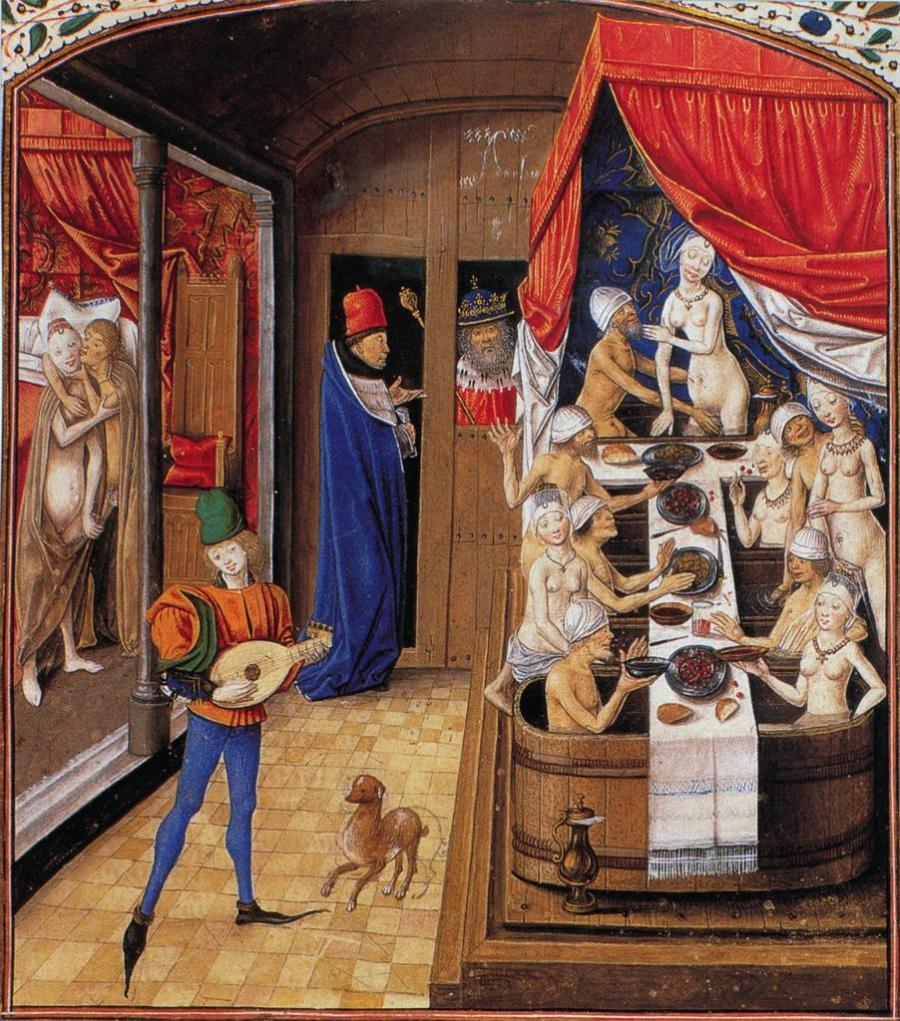
For those would could afford the luxury of a personal bath, namely Royalty, higher nobility and rich merchants, it would consist of a wooden tub with a ‘tent like’ sheet draped over…. Jugs of hot water would have been brought by attendants. According to John Russell’s ‘Book of Nurture’ from the late 1400s, fresh herbs were used for washing and then lukewarm rose-water for rinsing off…. Herbs would also have been added to ease aches and pains; camomile, breweswort, brown fennel and mallow….

tm-12
Photo credit: CC / Public domain

Soap was introduced to the Western World during the Middle Ages, most probably from the Orient. Typically, it was a soft soap made from mutton fat, potash or wood ash and natural soda. It was not very effective as it had little cleansing power. Hard soaps were available but were expensive. Produced mainly in Spain from the 12th Century, they were made from olive oil and often had added herbs and flower petals….

tm-10
Photo credit: ‘Lavender Dream’ Denise Karen via Foter.com / CC BY-NC Original image URL: https://www.flickr.com/photos/handmadebylilli/15845104786/

For some, bathing was a very important affair….King John would take a bath tub where ever he travelled…. In 1351, Edward III had hot and cold taps installed for his bath in Westminster Palace…. Some wealthy monasteries  were able to pipe water in…. Westminster Abbey had a bath attendant, who was paid 2 loaves of bread a day and £1 a year….

However, for the majority of people, having a private bath was not an option; it was unaffordable and too time consuming. The very poor had to make do with rivers, streams and ponds. Many others had the opportunity of using public baths. By the 13th Century there were over 32 available in Paris; Southwark, (then separate from London), a town standing on the banks of the River Thames, boasted 18 baths. Even many of the smaller towns had their own, often connected to a bakery, making use of the ovens to heat water….

Public baths were not without controversy. Many, (the Church in particular), were outraged that men and women would be naked together. Baths were seen as little more than a front to  disguise what they really were….brothels! Southwark’s were known as the ‘Stews’. The Mediaeval Church authorities claimed that baths spread immorality and disease….

Initially, little notice was taken of these views but gradually it became believed that it was water that was to be blamed for the spread of disease, enabling it to enter the body through the pores of the skin…. It was thought that as the warmth enlarged and opened up the pores, this in turn allowed airborne infections to enter…. Much of this belief could well have been fuelled by Church propaganda….

Of course, there could well have been some truth in that bath houses  were places of debauchery and immoral behaviour…. Promiscuity was prevalent during these times; then, in the late 15th Century there was a widespread outbreak of syphilis across Europe. It is believed the spread of this disease resulted in people becoming less promiscuous and at the same time brought a rapid decline in the popularity of the public bath house….

tm-11
Photo credit: ‘Scene of a Bath-house’ circa 1470 CC / Public Domain Image source: Wikipedia Commons

People in the Middle Ages loved their highly scented herbs and flowers…. Tables would have often been strewn with them in an attempt to keep houses smelling fresh…. Perfume was also popular, made from the oils of flowers and mixed with herbs and spices….both men and women used them….

Well, since bathing had fallen out of favour, they had to do something to mask the pong….!!

tm-2
Photo credit: ‘At the Lead Mines’ River Museum via Foter.com / CC BY-NC-SA Original image URL: https://www.flickr.com/photos/rivermuseum/3599668316/


Roses for my true love….

As Valentine’s Day approaches, many of us are quietly hoping (or noisily hinting) at the possibility of being surprised with a gorgeous bouquet of flowers; roses would be nice….

rose-1
Photo credit: ‘The Rose’ – Betty Nudler via Foter.com CC BY Original image URL: https://www.flick.com/photos/bet27/866025567/

Ever thought about the significance of the rose? They have a language all of their own….

Take the colour; each has its own meaning:

Red – for love and beauty
White – purity and innocence; a new start (why they are so often used in bridal flowers)
Yellow – friendship, joy, delight; good health
Orange – desire and enthusiasm
Pink – appreciation; gratitude and love
Lavender – enchantment

The number of stems given says something too:

A single stem, of any colour, shows utmost devotion
Two stems entwined, poses the question ‘will you marry me?’
Six, indicates a need to be loved….
Eleven, assures the recipient they are loved deeply
Twelve, the ‘classic’ number, shows love and appreciation
Thirteen, depicts a secret admirer!

The rose – always a favourite – but did you know, there are over 30,000 different varieties? All originating from the humble and beautiful, wild rose….

Take our native Dog Rose (Rosa Canina), the thorny climber found growing in hedgerows and woodland; with its simple five petaled, lightly scented flower, ranging from white to deep pink. The Dog Rose flowers late Spring through to mid Summer and then produces an abundance of red rose hips. Loved by wildlife, it is an invaluable source of food; nectar for the insects and the hips for the birds, especially blackbirds and redwings. In years gone by the flowers were widely used to make rose water and scented oils; the hip, being high in Vitamin C, used to make syrup and tea. Even today it is still used for medicinal purposes. Do you remember as a child, ever making ‘itching powder’ from the tiny hairs found inside the rosehip? Nowadays, the Dog Rose is used for stabilising soil on land reclamation sites and as root stock for grafted, cultivated roses….

The wild rose is one of the true symbols of our heritage, represented by the Tudor Rose. The War of the Roses was a series of wars between 1455 and 1487, to claim the English throne. The House of York, with the white rose as its emblem and the red rose for the House of Lancaster. Eventually, Henry VII won the Battle of Bosworth Field in 1485, taking the Crown from Richard III and thus claiming victory for the Tudors….

So, what are the origins of our very own English rose? Well, in the beginning it came to us from Central Asia; it is estimated that its origin dates back between 60-70 million years! Fossil evidence has been found that is 35 million years old. There are some 150 natural species of wild rose, which gradually spread across the Northern Hemisphere. Cultivation began roughly 5,000 years ago, probably by the Chinese although the Egyptians, Greeks and Romans all grew cultivated roses as well. It wasn’t until the late 18th Century that cultivated roses as we know and love today were properly introduced into Europe; having said that, long before then, it was Alexander the Great, ruler of Macedonia, who has been given credit for first introducing a form of cultivated rose to Europe….

During the 12th and 13th Centuries, soldiers returning from the Crusades in the Middle East, brought back samples and tales of ostentatious rose gardens. As travel began to increase, merchants and scholars began to exchange different plant species, amongst them roses….

In 1597, the English herbalist, John Gerard, recorded in his book, ‘Herball’, some fourteen different types of roses. In 1629, John Parkinson, pharmacist to James I, noted 24 types growing in his herb garden. In the early 1700s, Mary Lawrence, in her book ‘A Collection of Roses from Nature’, illustrated 90 different varieties….

During the 18th and 19th centuries, Europe saw a kind of ‘revolution’ in the breeding and growing of roses. A certain variety, the Chinese Rose (Rosa Chinensis) had attracted the attention of European growers.

rose-16
Photo credit: China Rose. Rosa Chinensis [as Rosa indica] Choix des plus belles fleurs – et des plus beaux fruits par P.J. Redoute (1833) – Swallowtail Garden Seeds via Foter.com / CC BY Original image URL: https://www.flickr.com/photos/swallowtailgardenseeds/15202765926/
It was in 1752 that the very first Chinese variety arrived in the West, when a rose named ‘Old Blush’ was introduced to Sweden. Then, sometime in 1789, a captain of the British Navy carried the first flowers to England. 1793 saw the introduction of more specimens, brought in by the Director of the East India Company, Dr. William Roxburgh….

rose-20
Photo credit: Old blush’ – Real Jardin Botanico, CSIC via Foter.com / CC BY-NC-ND Original image URL: https://www.flickr.com/photos/realjardinbotanico/9560846241/

The Tea Rose (Rosa X Odorata) was introduced to the West in 1808/09; named because the aroma of its foliage resembles that of the tea plant.

rose-17
Photo credit: ‘Hume’s Blush Tea-scented China’ Rosa X odorata) – Cliff1066TM via Foter.com / CC BY Original image URL: https://www.flickr.com/photos/nostri-imago/3564804236/

It was during the early 1800s that Josephine, the wife of Napoleon Bonaparte, helped to make roses so popular in Europe, she was passionate about them. In her rose garden, near to Paris, she accumulated some 250 specimens, collecting until her death in 1814. To encourage his wife, Napoleon ordered all the captains of his ships to look for new roses in every land they visited. The English, who were at war with France at the time, not only allowed roses bound for Josephine to freely cross the borders but also granted permission for her chief gardener to travel through the Channel, unrestricted. It was because of Josephine’s enthusiasm and the reputation of her rose garden that rose growers were encouraged to hybridize the rose species : the result, the so many different roses we know today….

….and who says romance is dead….?

Happy Valentine’s Day….

rose-2
Photo credit: ‘Precious Moments’ – Flickr_2000 via Foter.com / CC BY-NC-SA Original image URL: https://www.flickr.com/photos/cyber-shot/3050275740/
rose-18
Photo credit: Mottisfont Abbey Rose Gardens, Hampshire, UK : The best romantic rose garden in the world : Garden seat framed by rose pergola – ukgardenphotos via Foter.com / CC BY-NC-ND Original image URL : https://www.flickr.com/photos/ukgardenphotos/6813960007/
rose-19
Photo credit: ‘Rose Garden at Hever Castle’ – Jayembee69 via Foter.com / CC BY-NC-SA Original image URL: https://www.flickr.com/photos/jayembee69/9256388678/