On this day in history : 8th September 1914 – Nineteen-year-old Private Thomas Highgate is the first British soldier to be executed for desertion during World War I….
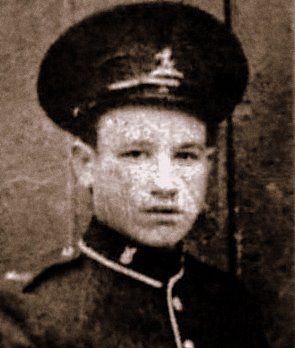
Private Thomas Highgate – image via Pinterest
Three days earlier, on the first day of the Battle of Marne, Thomas had been found hiding in a barn, dressed in civilian clothing – his nerves having got the better of him…. Thomas had fled from the battlefield and had hidden in a barn in the French village of Tournan; he was discovered by a gamekeeper – who happened to be an English ex-soldier….
Thomas was tried by court martial – a brief trial presided over by three officers…. The following morning at 6.20am he was informed that he was going to be executed; at 7.07am he faced the firing squad….
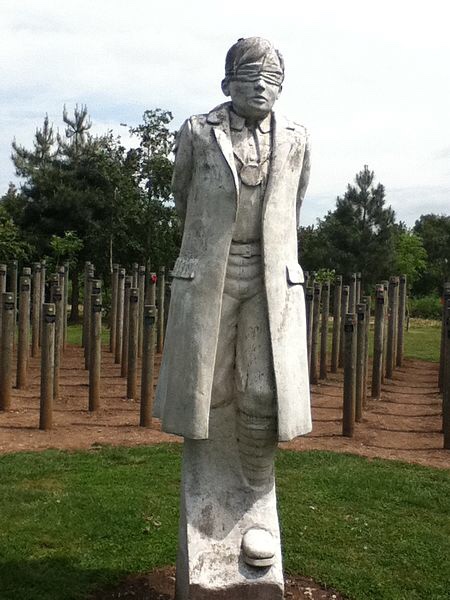
In total 306 executions of British and Commonwealth soldiers took place in World War I – for ‘crimes’ such as cowardice and desertion….
The National Memorial Arboretum – ‘Shot at Dawn’ – Photo credit : Matthew Rogers CC BY SA 3.0
On this day in history : 7th September 1838 – Grace Darling, a lighthouse keeper’s daughter, assists her father in a daring rescue mission off the coast of Northumberland – which makes her a heroine….
Grace Darling – Portrait by Thomas Musgrave Joy – Public domain
During the evening of the 7th of September a terrible storm raged and 22-year-old Grace was watching it from an upper window of the Longstone Lighthouse…. Suddenly she spotted the wreck of the Forfarshire, a paddle steamer travelling from Hull to Dundee, which had struck rocks and had completely split into two….
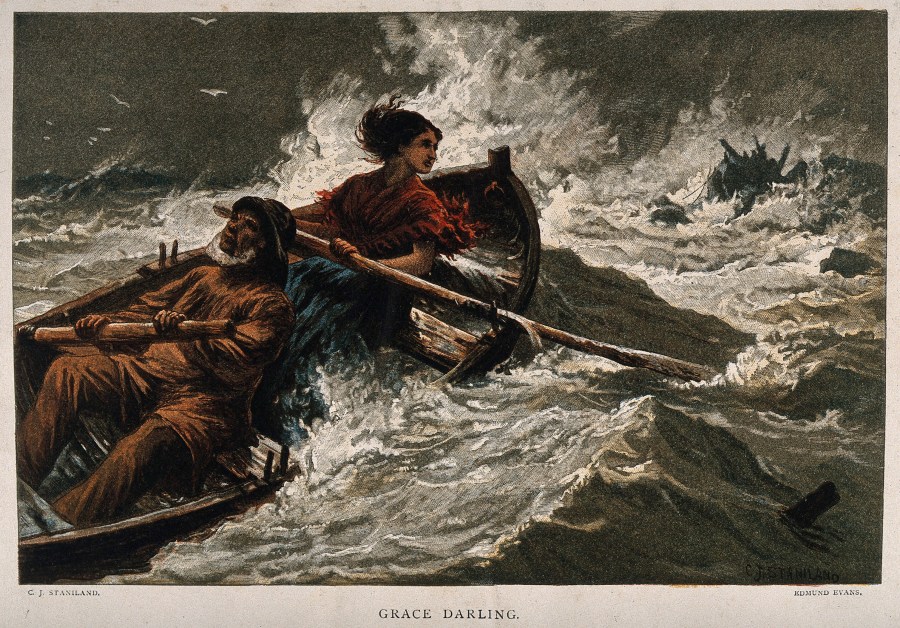
Grace was one of nine children but on this particular fateful night all of her siblings were away and only she and her parents were home…. Deciding it would be too dangerous for the lifeboat from the nearby village of Seahouses to attempt the rescue Grace and her father headed out in their own small boat to help the survivors…. With the weather so rough they were forced to keep to the more sheltered side of the islands, meaning they had a further distance of nearly a mile to row….
Grace Darling rowing out to sea in a furious storm. Colour wood engraving by E.Evans after C.J.Staniland. Credit : The Wellcome Collection CC BY
The Forfarshire had been carrying around 40 passengers and with the crew there was a total of 63 on board…. As the ship split in two the stern half sank, drowning all but 12 and a further few who managed to make it into a lifeboat…. The front end of the vessel remained stuck on the rocks; 5 crew members and 7 passengers clung to the wreckage….but managed to climb on to the slippery rocks as the tide went down…. Three of the passengers, the Reverend John Robbery and two children, died of exposure….their mother, Sarah Dawson, was clinging to her dead children when Grace and her father arrived….
Grace Darling at the Forfarshire – by Thomas Musgrave Joy – Public domain
Grace held the small boat steady as her father helped Sarah Dawson and four men on board – they then rowed back to the lighthouse…. Grace’s father and three other men then returned to the wreck to rescue the four remaining survivors…. Those who had managed to make it to the lifeboat were picked up by a passing ship the following morning….
Grace was honoured with the Royal National Lifeboat Institution’s Silver Medal for Gallantry and the Gold Medal of the Royal Humane Society….and she also received a £50 reward from Queen Victoria….
On this day in history : 6th September 1651 – After the defeat of his Royalist Army, by Cromwell’s Parliamentarians at the Battle of Worcester, King Charles II spends the day hiding in an oak tree….
Charles II circa 1653 – Philippe de Champaigne – Public domain
The Battle of Worcester, which took place on the 3rd of September 1651, was the final battle of the English Civil War…. Oliver Cromwell’s 28,000 strong New Model Army far out-numbered the King’s 16,000 men…. Around 3,000 lost their lives and a further 10,000 were taken prisoner; however, King Charles and other important Royalists managed to escape….
Oliver Cromwell at the Battle of Worcester – Published by Machell Stace CC BY-SA 2.5
Charles and his companions sought shelter at the safe houses of the White Ladies Priory and Boscobel House (both in Shropshire)…. After a failed attempt to cross the River Severn, dressed as woodsmen, King Charles and his men were forced to return to their safe houses…. However, it was deemed theses hiding places were no longer safe and it was suggested King Charles hide in an oak tree within the grounds of Boscobel House….
English Heritage – Public domain
And so, this is what he did…. From his vantage point he could see the progress – or rather the non-progress – of the Parliamentary soldiers searching for him…. He later made his escape posing as the servant of Jane Lane of Bentley….
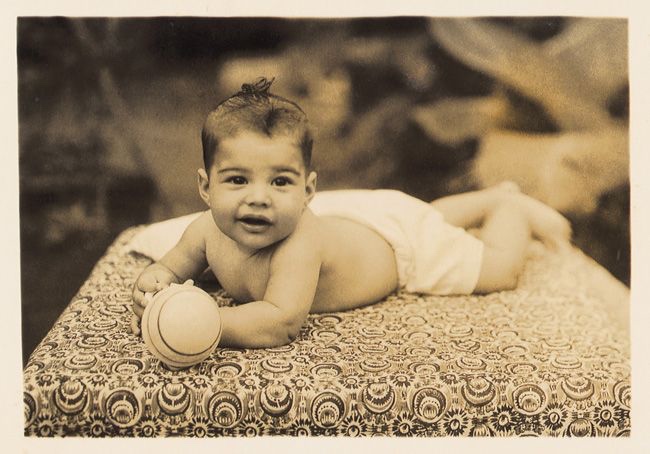
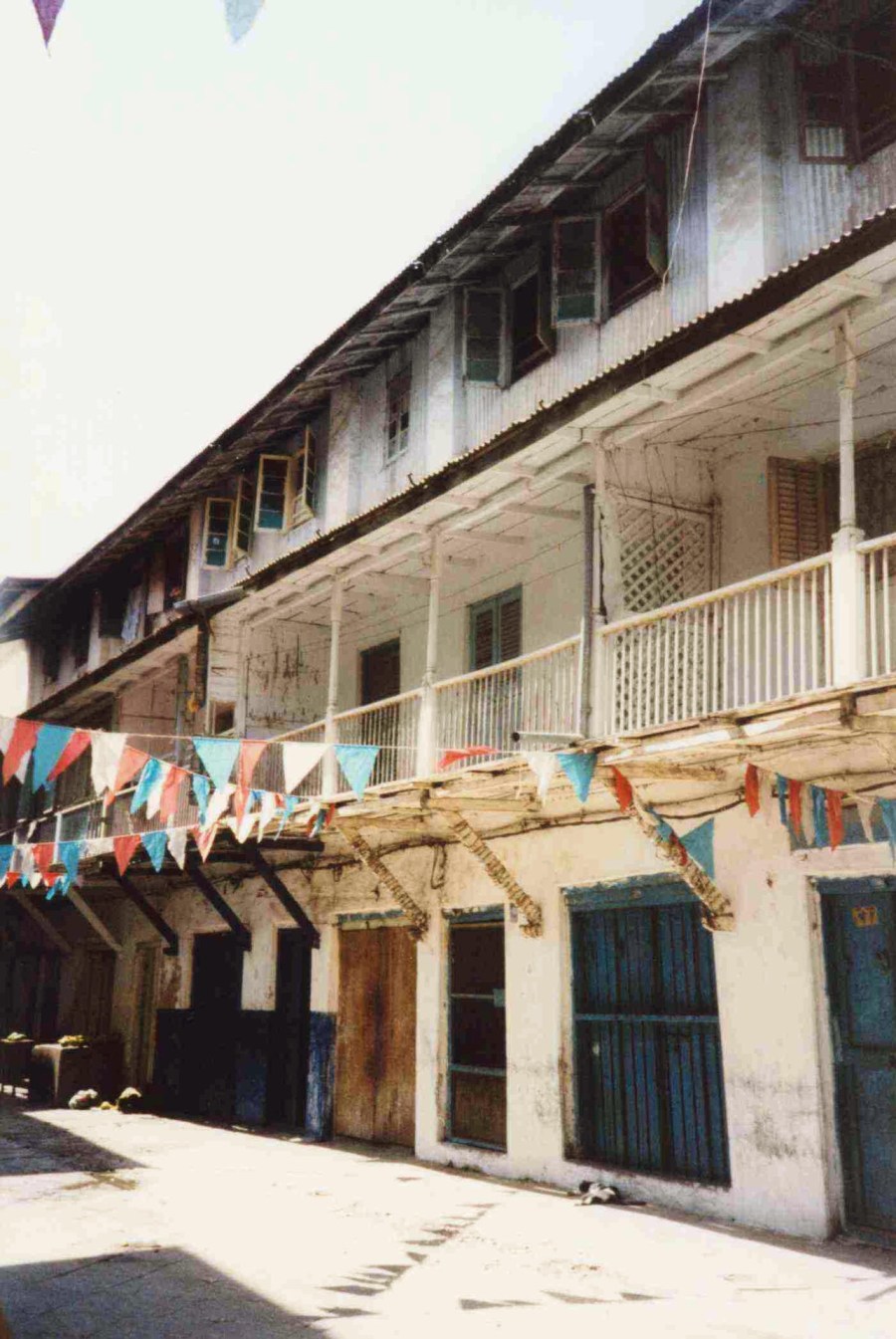
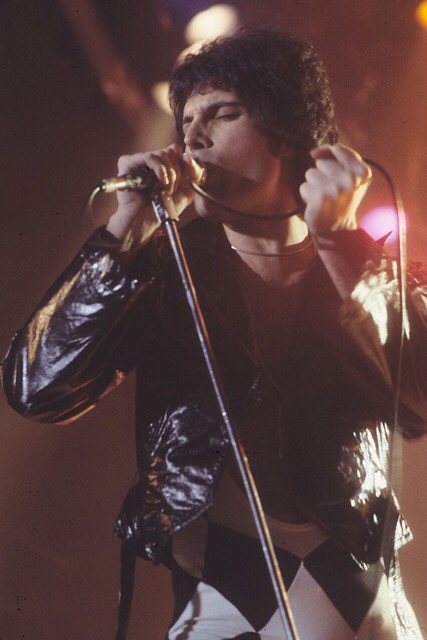
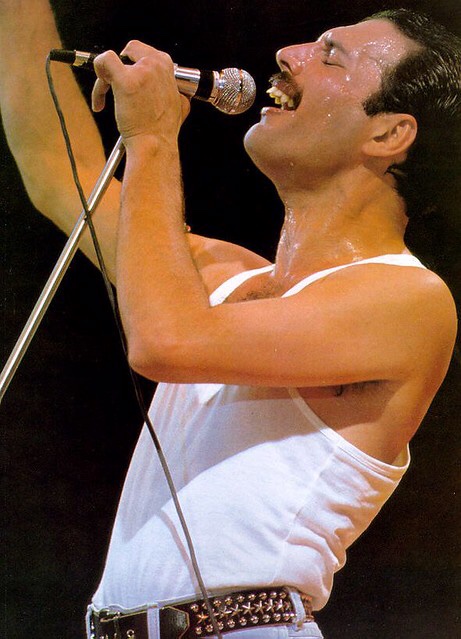
On this day in history : 5th September 1946 – The birth of one of our most well-loved musicians, Freddie Mercury…. He was born Farrokh Bulsara in Stone Town, Zanzibar, which is now part of Tanzania….
Via Pinterest
Freddie was born a British citizen but spent much of his childhood in India; he began to learn to play the piano at the age of 7…. In 1964 the Bulsara family fled Zanzibar due to the revolution and came to live in England – at 22, Gladstone Avenue, Feltham, Middlesex….
The house in Zanzibar where Freddie lived during his childhood – Image credit : Moongateclimber CC BY-SA 3.0
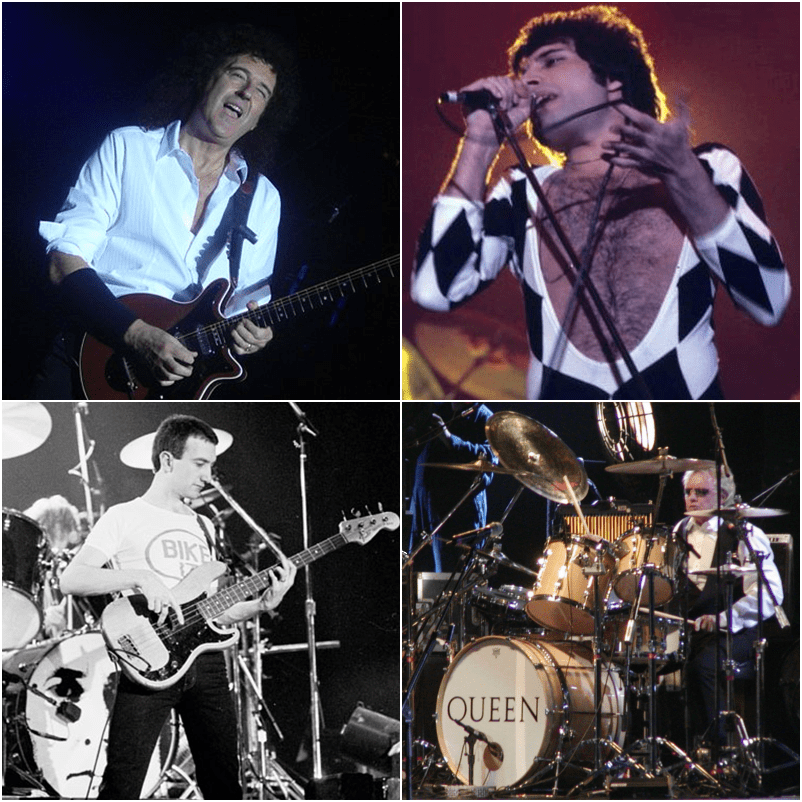
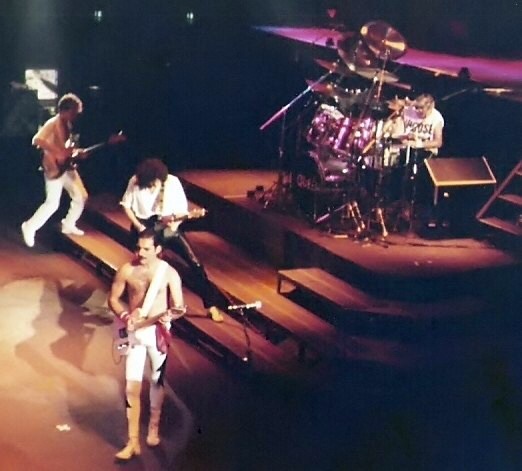
Freddie studied art at Isleworth Polytechnic, West London and went on to earn a diploma in Art and Graphic Design at Ealing Art College…. After graduating he had a variety of jobs, including selling second-hand clothing at Kensington Market and working as a baggage handler at Heathrow Airport…. He also joined several bands but it was in April 1970 that he teamed up with Brian May and Roger Taylor (and they were joined by bassist John Deacon in 1971)…. It was also around this time that he changed his name to Freddie Mercury….
Compilation by KPFC – CC BY-SA 4.0Image credit : Carl Lender via FlickrImage credit : Kentarotakizawa via FlickrQueen, Frankfurt, Germany, 1984 – Image credit : Thomas Steffan CC BY-SA 3.0
On this day in history : 4th September 1939 – The first 200 Citizen’s Advice Bureau establishments open across Britain – the day after the outbreak of World War 2….
The Government had begun to consider the need for an information service in 1935…. By 1938 World War 2 was looming, so the National Council of Social Services formed a group to study and understand how to meet the needs of the civilian population during war time…. Their recommendations being :- “Citizen Advice Bureaux should be established throughout the country, particularly in the large cities and industrial areas where social disorganisation may be acute”….
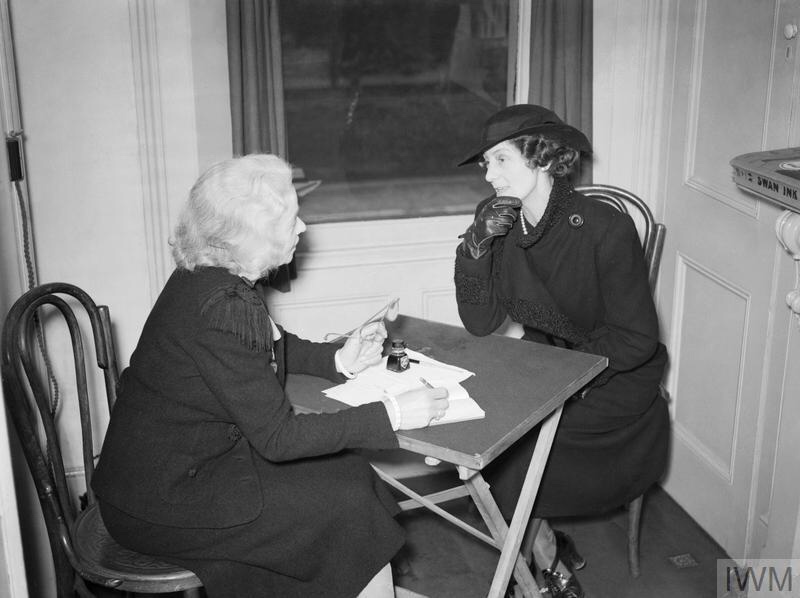
THE WORK OF THE CITIZENS’ ADVICE BUREAU, ELDON HOUSE, CROYDON, ENGLAND, 1940 (D 522) A widow of a civil servant seeks advice about her delayed pension from volunteer Mrs Wraight at the Citizens’ Advice Bureau in Croydon. Mrs Wraight was one of 12 volunteers working at the bureau at this time. Copyright: � IWM. Original Source: http://www.iwm.org.uk/collections/item/object/205197564
On the 3rd of September 1939 World War 2 was declared; the following day the first 200 Citizen’s Advice Bureaux opened…. Initially volunteers ran the service from private houses or sometimes public buildings – dealing with problems such as lost ration books, evacuation and homelessness….
Godalming Citizen’s Advice Bureau, 2013 – Juan J Martinez via Flickr






 Cottage Capers