
On this day in history : 5th October 1930 – A British airship crashes on a hillside near Beauvais, Northern France, killing 46 of the 54 people onboard immediately – a further 2 die in hospital later….

The R101 had departed Cardington in Bedfordshire on the evening of October the 4th, bound for Karachi…. The planned route was to take it over London, Paris and Toulouse, before crossing the coast near to Narbonne, in Southern France…. Among the passengers onboard were several dignitaries including:- Lord Thomson, Secretary of State for Air – Sir Sefton Brancker, Director of Civil Aviation – and Squadron Leader William Palstra, RAAF Air Liaison Officer to the British Air Ministry….

The R101 was an experimental government funded project, controlled by the Air Ministry – an attempt to compete with the German Graf Zeppelin…. Despite being in design and development stage political powers insisted it should serve as a commercial vessel from the onset; teething and design problems were never fixed – too much valuable test-flight time was sacrificed to give VIPs pleasure trips instead…. The flight to India was insufficiently prepared for; the fabric covering of the airship was deteriorating and needed replacing…. Too much fuel was onboard (despite a planned re-fuelling stop on the way) and there was too much cargo…. Lord Thomson himself was taking several crates of silverware, china and Champagne – and even a carpet….
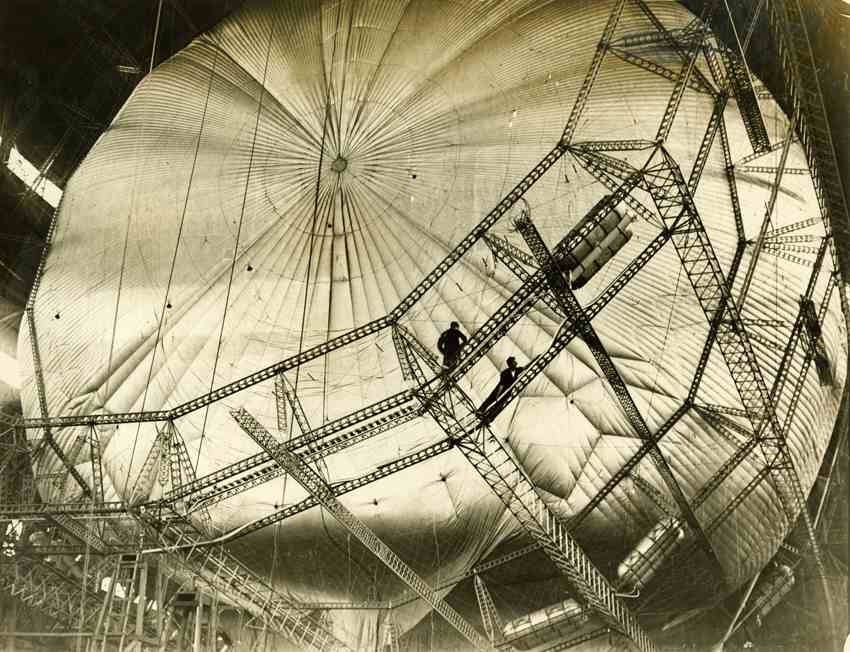
On the day of departure the weather forecast had been generally favourable, predicting winds of up to 30mph over Northern France but improving further south…. Early into the journey the duty engineer reported an oil pressure problem – after a discussion with the chief engineer it was decided nothing was wrong with the engine, a faulty gauge was likely to blame – so it was accordingly replaced and the journey continued…. By now the weather had deteriorated; it was raining heavily and a revised weather forecast now predicted winds over Northern and Central France to reach 50mph…. A new course was set, sending the R101 over Orly – but the estimated wind speed and direction was inaccurate and sent the airship east of its intended course….
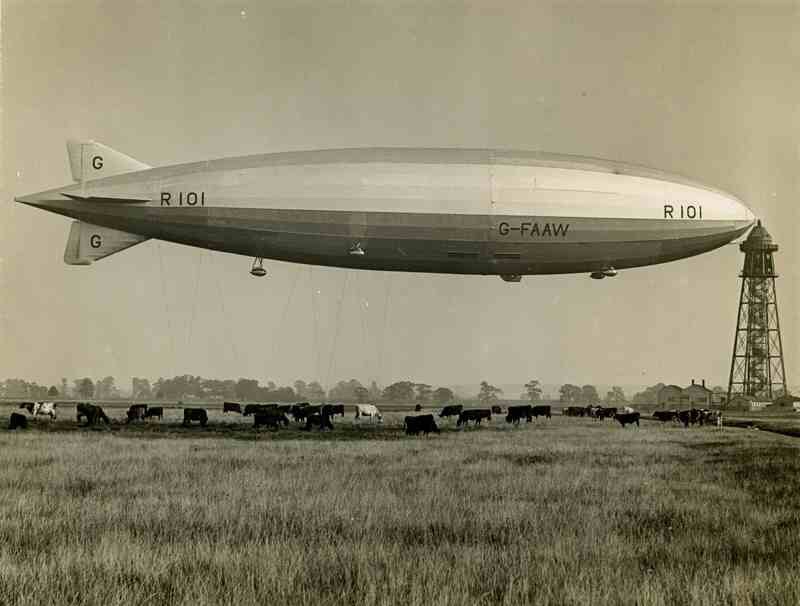
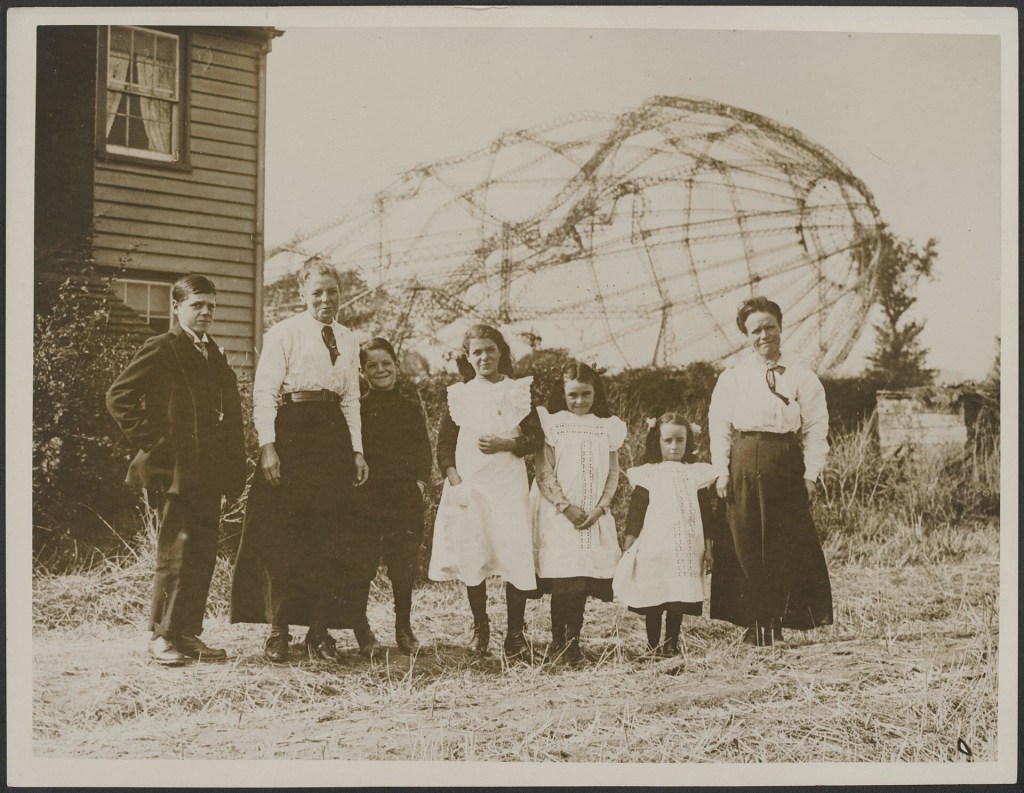
The R101 went into a steep dive – emergency ballast was released and slowly the airship recovered…. A second dive prompted orders for speed to be reduced – the airship was flying at full speed on all engines, something it had never done before…. But before the engineer could respond the R101 hit the ground, at the edge of a wood near to Allone, a village south west of Beauvais….The impact speed was relatively low, approximately 13mph – and would have been survivable had the airship not been inflated with hydrogen – a highly flammable gas…. The R101 caught alight immediately – the resulting fire was an inferno…. Britain never operated a rigid airship again….


 Cottage Capers