On this day in history….25th October 1760

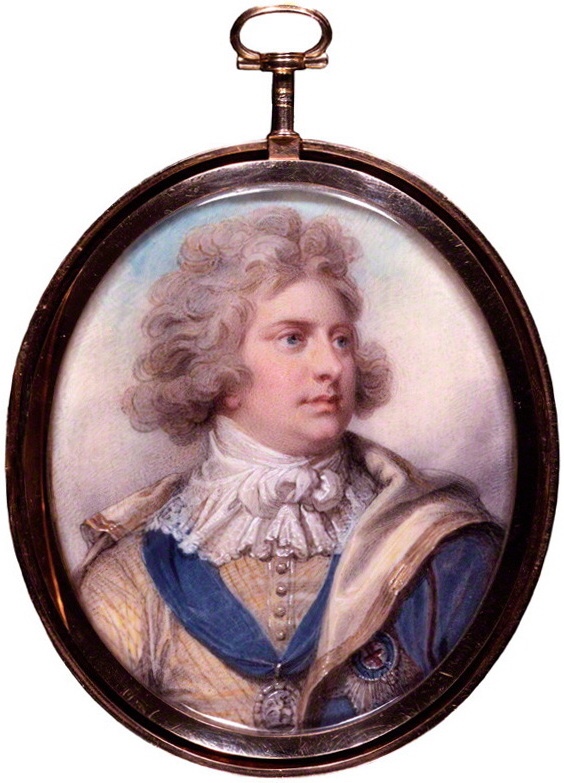
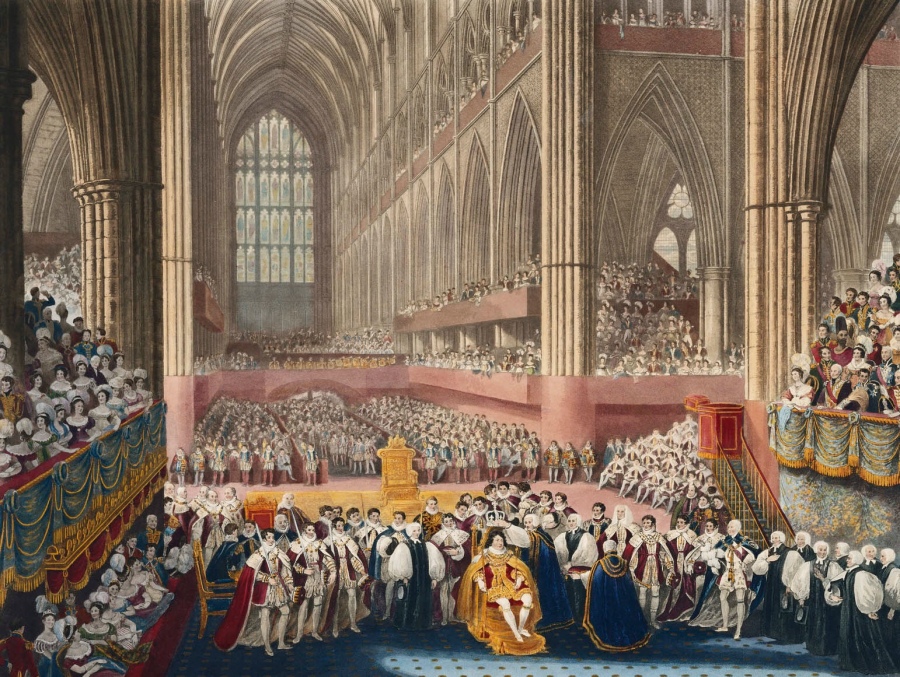
On this day in history : 25th October 1760 – George III becomes King of England and Ireland and reigns for almost 60 years – although he was mentally unfit to reign in his last decade….

img_4395
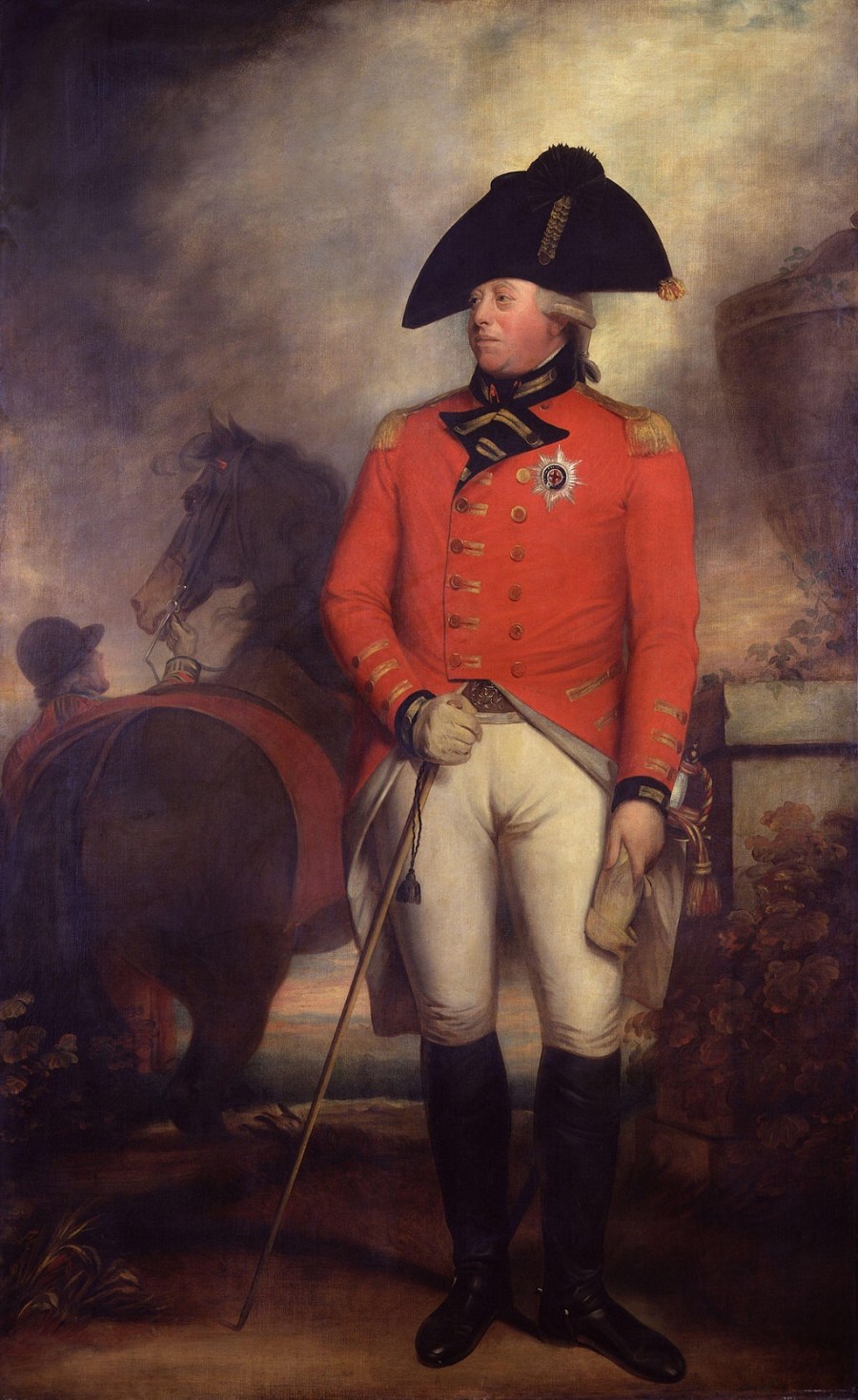
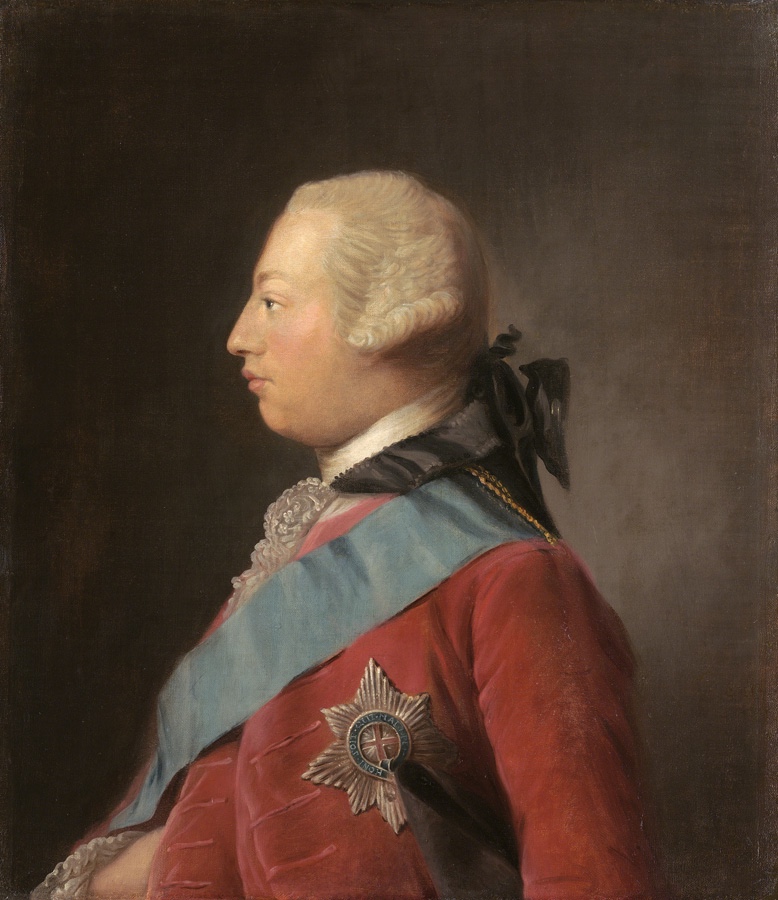
Coronation portrait by Allan Ramsay, 1762 – Public domain

Born in London at Norfolk House, St. James’s Square on the 4th of June 1738, George was two months premature and not expected to live – as a precaution he was baptised the same day…. However, he grew to be a healthy child, albeit rather shy…. Along with his younger brother, Prince Edward, George was educated by private tutors and could read and write in English and German….and by the age of 8 years was able to comment on current day political matters…. His lessons included physics, chemistry, astronomy, French, Latin, mathematics, geography, agriculture, music, commerce and law….

img_4396
George and brother Prince Edward, Duke of York, with their tutor Francis Ayscough – by Richard Wilson – Public domain

His father, Frederick, Prince of Wales, did not get on with his own father, King George II – and as a result the King took little interest in his grandchildren…. When Frederick died suddenly in 1751, from a lung injury, the young Prince George became heir to the throne….and suddenly his grandfather developed an interest in him…. The title of Prince of Wales was bestowed upon him – although the young George had inherited his father’s title of ‘Duke of Edinburgh’, ‘Prince of Wales’ was not automatically passed on….

King George II died suddenly on the 25th of October 1760 and the 22-year-old Prince of Wales succeeded the throne…. Being an unmarried monarch his mother and advisors were eager to see him settled down – and so the hunt for a suitable wife began….

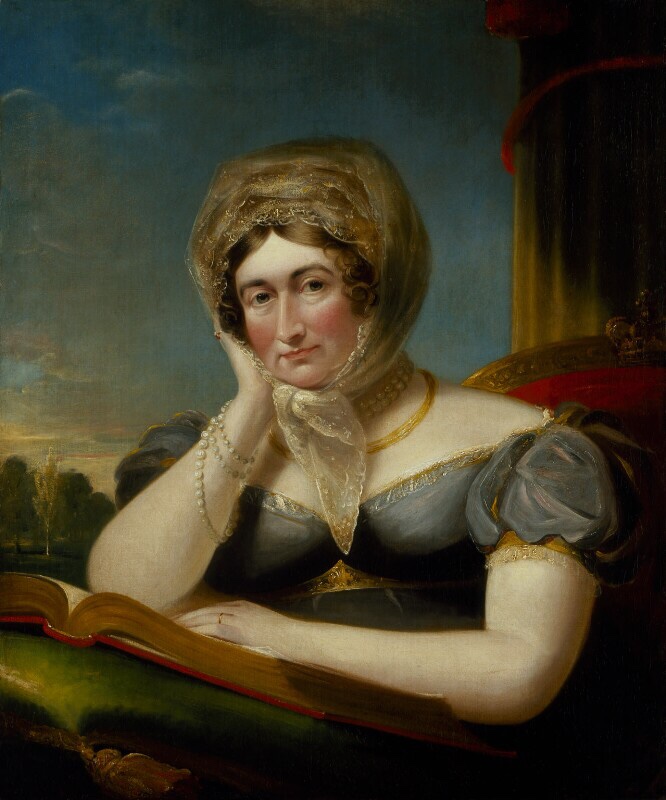
On the 8th of September 1761 the new King married Princess Charlotte of Mecklenburg-Strelitz, from a small North German duchy…. Their marriage took place in the Chapel Royal, St. James’s Palace – and it was the first time they had ever met….

img_4398
Princess Charlotte by Johann Georg Ziesenis C1761 – Public domain

Princess Charlotte had received a far more basic education to that of George – her upbringing could be compared to that of an English country gentleman’s daughter….she would have had little interest or experience in politics or such matters…. However, theirs was a good match, it worked and they became devoted to one another – unlike his grandfather before him and indeed his own sons after him, George never took a mistress…. The marriage produced 15 children – 9 sons and 6 daughters…. In 1761 King George bought Buckingham House (now Buckingham Palace) for his wife as a comfortable family home….close to St. James’s Palace, where all important court functions took place it became known as the Queen’s House….

Their’s was, it seems, a happy marriage – but as the years went by George began to become unwell – suffering from bouts of mental illness…. The cause of his illness remains unknown, although there have been suggestions it was due to the blood disease porphyria….

George’s reign would have been a particularly stressful one – there were many military conflicts and wars during the time….not least the American War of Independence…. George would have been under much strain as many of Britain’s colonies in North America were lost….

img_4397
Portrait by Sir William Beechy 1799/1800 – Public domain

In late 1810, already nearly blind with cataracts and suffering great pain from rheumatism, George became extremely ill…. He blamed stress after the death of his beloved youngest daughter, Princess Amelia – who had died from TB….

King George III was mentally unfit to reign in his last decade….his eldest son – the later George IV – acted as Prince Regent from 1811…. Queen Charlotte was terrified by her husband’s illness – he had developed acute dementia, had become completely blind and increasingly deaf and even showed erratic and violent behaviour – eventually she could not bring herself to visit him…. When she died in November 1818 he was incapable of understanding….

For the last few weeks of his life George was unable to walk…. Christmas 1819, for a 48 hour period he spoke utter nonsense and could be understood by no one…. He died at Windsor Castle on the 29th of January 1820…. Despite his illness, George III lived and reigned longer than any of his predecessors – only Queen Victoria and Queen Elizabeth II have lived and reigned longer….

On this day in history….2nd October 1452

On this day in history : 2nd October 1452 – The birth, at Fotheringhay Castle, Northamptonshire, of King Richard III – the last King of the House of York and the last of the Plantagenets….

img_4102
Late 16th Century portrait of Richard III – Public domain

Richard was the twelfth of thirteen children – his older brother was to become King Edward IV – to whom Richard remained loyal until Edward’s death in 1483 – unlike their middle brother, George, who plotted against Edward….

However, Richard was not without controversy himself…. Upon Edward’s death his 12-year-old son succeeded him to the throne…. Richard was named as Lord Protector and the young Edward and his brother were taken to live within the palace at the Tower of London – which was then a royal residence….

In the June of 1483 the marriage of the two young princes’ parents was declared illegal and therefore invalid – which made the boys illegitimate…. This meant young Edward was no longer the rightful heir to the throne and instead it passed to his uncle and protector, Richard….

img_4105
Earliest surviving portrait of Richard III C1520 – Public domain

Richard wasted no time in securing his position as King, he was quickly crowned on the 26th of June…. Shortly after, the two princes disappeared, never to be seen again…. Many believe Richard had them murdered….

Richard himself was killed at Bosworth Field on the 23rd of August 1485 – he was the last English King to die in battle…. Henry Tudor succeeded him, as King Henry VII….

img_4101
An 18th Century illustration of the death of Richard III at the Battle of Bosworth Field – Thomas Pennant – Public domain

Richard’s body was taken to a monastery in Leicester and buried beneath a fine alabaster tomb…. But after King Henry VIII’s dissolution of the monasteries the Franciscan friary disappeared and along with it all traces of Richard’s tomb….

In September 2012 archaeologists discovered a skeleton under a car park in Leicester and it was believed to be the remains of Richard….

img_4103
The skeleton as it was discovered – Photo credit : Richard Buckley, Mathew Morris, Jo Appleby, Turi King, Dierdre O’Sullivan, Lin Foxhall – CC BY SA 4.0

Using DNA and bone analysis, radio carbon dating and radiological evidence this was indeed proven…. King Richard III was finally reinterred at Leicester Cathedral in March 2015….

img_4104
Tomb of Richard III – Photo credit : Isananni CC BY SA 3.0

On this day in history….21st August 1765

On this day in history : 21st August 1765 – The birth of King William IV, who came to the throne at the age of 64 – and was the oldest British monarch to be crowned until the Accession of King Charles III….

img_3746
William in dress uniform – Sir Martin Archer Shee C.1800 – Public domain

William, who was born at Buckingham Palace, was the third son of George III and Charlotte of Mecklenburg-Strelitz…. He was not expected to become King and at the age of 13 was packed off to join the Royal Navy….something which later earned him the nickname ‘Sailor King’….

NPG D10853; King William IV by William James Ward, published by William Sams, after Abraham Wivell
William, as Lord High Admiral by William James Ward, published by William Sams, after Abraham Wivell, mezzotint, published 1 June 1827 – Public domain

William saw active service at the Battle of St. Vincent in 1780 against the Spanish – and in New York during the American War of Independence…. George Washington even plotted to have him kidnapped but when his intentions were leaked the plan failed…. William was then to serve under Horatio Nelson in the West Indies and by the time he left the Navy in 1790 he had risen to the rank of Rear Admiral…. He was made the Duke of Clarence and later, in 1825, Clarence House in London was designed for him by John Nash….

img_3750
Clarence House (1874) – Public domain

In 1791 William began living with Irish actress Dorothea Bland, who was also known as ‘Mrs Jordan’…. They were to live as though husband and wife for the next 20 years and had 10 children, 5 girls and 5 boys…. There were those who were less than respectful to the Duke of Clarence and referred to him as ‘Silly Billy’….

img_3748
Mrs Jordan in the character of Hypolita; mezzotint by John Jones of London 1791 – Public domain

However, William’s destiny was set to change…. Upon the death of his elder brother’s only child, Charlotte, he became heir to the throne…. It was decided he would need a suitable wife and so one was found for him…. In 1818 he married Adelaide of Saxe-Menninger; they had 4 children but none survived beyond infancy….

img_3749
Adelaide of Saxe-Meiningen by Sir William Beechey C.1831 – Public domain

When he came to the throne on the 26th of June 1830 he asked “Who’s the Silly Billy now?”…. He was to reign for just 7 years; William died of heart failure on the 20th of June 1837…. Having no surviving legitimate children the throne passed to his niece, Princess Victoria….

On this day in history….29th July 1565

On this day in history : 29th July 1565 – Mary, Queen of Scots, marries her cousin, Henry Stuart Lord Darnley…. It is the second of her three marriages – and is not a popular, or happy union….

Mary was just 15-years-old when she was first married to Francis II of France – the pair had been betrothed for ten years…. Mary’s father, King James V of Scotland had died when she was five days old – and so her French mother, Marie de Guise, had returned to France, taking her baby daughter with her…. Growing up in the French royal court Mary knew her intended husband well….a union that had been arranged by her mother…. Francis, being the eldest son of King Henry II of France, was heir to the French throne….

img_3639
Mary and Francis (from Catherine de’Medici’s book of hours c.1558) – Public domain

The wedding took place in Norte Dame Cathedral in 1558; within a year King Henry II had died and the newly wed Francis and Mary became King and Queen of France…. However, on the 5th of December 1560 Francis was to die from an ear infection…. Mary returned to Scotland to claim the Scottish throne – and Francis’s 10-year-old brother became the King of France….

In February 1565 Mary was to meet her cousin, Henry Stuart Lord Darnley, at Wemyss Castle – it was ‘love at first sight’…. After a whirlwind romance they were married in the chapel at Holyrood Palace just five months later; he was 19, she was 22…. Being first cousins it meant the marriage would strengthen their claims on both the Scottish and English thrones…. But not everybody was pleased…. Darnley’s mother, Queen Elizabeth I of England, was far from happy – and both Scottish and English Protestants were angered….

img_3641
Darnley and Mary Queen of Scots – Painting c.1565 – Public domain

Within two months Mary was pregnant with the future King James VI….but Mary and Darnley’s happiness was not to last…. He may have had the looks – but Darnley was not a pleasant character…. He liked to live the good life, drank too much and was a womaniser…. He was arrogant, jealous and quick-tempered…. It did not take long for him to become a hated man in Scotland….

img_3643
Darnley in his late teens – Public domain

On the 9th of February 1567 Darnley was found dead outside of a lodging house near to the Kirk O’Field…. A large quantity of gun powder had been used to cause an enormous explosion that had torn the building apart…. Darnley was discovered outside in his nightgown – it looked as though he had been strangled…. Nearby two servants also lay dead – and there was a chair and a length of rope….

img_3642
1567 drawing of Kirk o’ Field after the murder of Darnley – Public domain

There were those who believed Mary had been involved in Darnley’s murder….she had certainly visited him the night before…. Unhappy in her marriage but being Catholic divorce was not an option – she may have looked for another way out…. Also suspected was James Hepburn, Earl of Bothwell, who was arrested and tried for the murder – only to be acquitted through lack of evidence…. Meanwhile Mary’s popularity was rapidly declining….

Just over three months later, on the 15th of May 1567, Mary married the Earl of Bothwell…. With a force of 800 men Bothwell had kidnapped Mary whilst she was travelling between Linlithgow and Edinburgh and had taken her to Dunbar Castle – saying it was for her own safety…. Stories differ to what happened between the two – some believe Mary gave herself willingly to him – others say Bothwell raped her…. Nevertheless, the pair were married; Bothwell and his first wife, Jean Gordon, had divorced just twelve days earlier….

img_3640
Portrait of the Earl of Bothwell, 1566 – Public domain

Scottish nobility was deeply divided by the union – to the point of confrontation…. The two opposing sides were to clash at Carberry Hill on the 15th of June; Bothwell fled, Mary was never to see him again – he died as a prisoner at Dragshold Castle, Denmark, in 1578….

Mary herself fled to England – to seek the protection of Elizabeth I – only to find herself a prisoner for the next nineteen years…. On February the 8th 1587 Mary was executed at Fotheringhay for plotting against the Queen…. She was 46-years-old….

A scaffold was erected in the Great Hall…. The first blow of the executioner’s axe struck the back of her head…. The second severed her neck but not enough to decapitate her…. The executioner cut through and then lifted her head high by her auburn locks with the words “God save the Queen”…. Only it turned out Mary was wearing a wig – her head fell to the floor – revealing short grey hair!

img_3638
Mary, Queen of Scots – Portrait by Francois Clouet – Public domain

On this day in history….30th May 1842

On this day in history : 30th May 1842 – Would-be assassin John Francis attempts to shoot Queen Victoria – for the second time in two days….as she rides in an open carriage….

img_2503
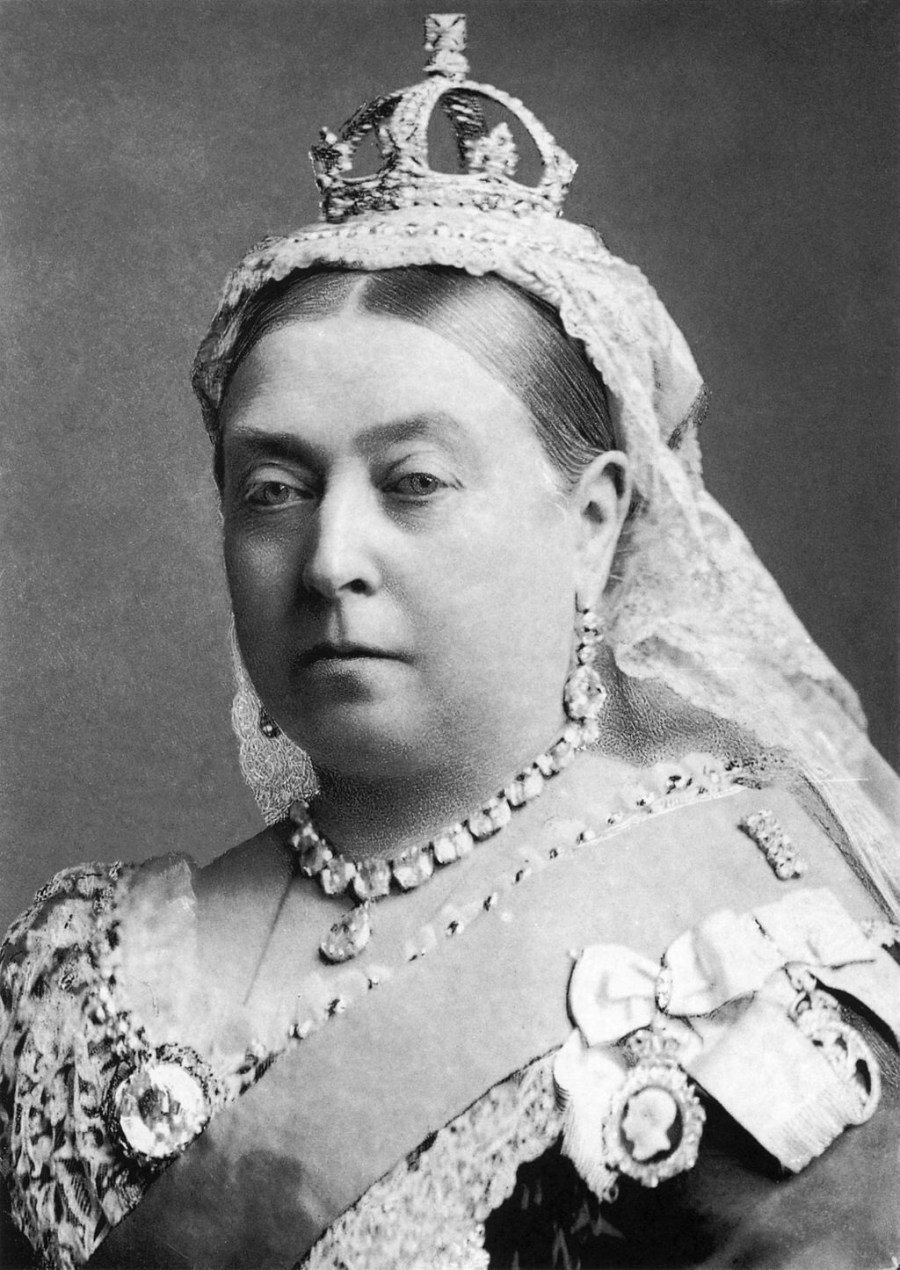
Photograph by Alexander Bassano 1882. Public domain

The first attempt had been on the 29th of May; Queen Victoria and Prince Albert had attended a Sunday morning service at the royal chapel, St. James’s Palace and were returning to Buckingham Palace…. As they travelled down the Mall, in their open carriage, Prince Albert saw ‘a little swarthy, ill-looking rascal’ point a flintlock pistol in their direction…. The man pulled the trigger but the gun failed to fire…. He tucked the weapon back into his coat and disappeared into the crowd towards Green Park…. It seemed as if nobody else had noticed what had happened….

Prince Albert informed the police of what had occurred …. Any doubts he may have had at what he had seen were soon dispelled – as a young lad, who had been in the crowd, came forward to say he had witnessed a respectably dressed man in his early twenties aim a pistol at the royal carriage….

Queen Victoria refused to be confined to the Palace whilst the police hunted for the suspect…. The following day, on the 30th of May, she and Prince Albert went out for an evening ride in an open barouche – although feeling nervous they thought this may flush the villain out…. Plain clothed police offices circulated amongst the crowds – and at around 6pm, as the carriage moved down Constitution Hill, a shot suddenly rang out nearby….

img_3264
fair use

Police Constable Tanner had been one of those surveying the crowds, when he saw a man raise a pistol – he rushed to knock the gun from the man’s hand and in the process the weapon had fired…. Thankfully the shot missed and the man was apprehended…. He turned out to be the same gunman from the previous day – one John Francis….

Following trial at the Old Bailey Francis was found guilty of high treason and sentence was passed….

“It now only remains for me to pass upon you the sentence of the law, which is that you, John Francis, be taken from hence to the place from whence you came, that you be drawn from thence on a hurdle to the place of execution and that you be hanged by the neck until you be dead; that your head be afterwards severed from your body, and that your body be divided into four quarters, to be disposed of in such a manner as to Her Majesty shall seem fit. And the Lord have mercy on your soul.”

~ [Sheffield Independent, Saturday 25 June 1842]

However, luckily for Francis, Queen Victoria intervened and his sentence was commuted to banishment…. He was transported for life with hard labour….

img_3263
A broadside on the assassination attempt on Queen Victoria, conducted by John Francis on 30 May 1842, with a wood-engraving showing an open horse-drawn carriage with Queen Victoria and Prince Albert inside – Image credit: The British Museum CC BY-NC-SA 4.0