On this day in history….30th January 1649

On this day in history : 30th January 1649 – King Charles I is beheaded for treason at Whitehall, in London….

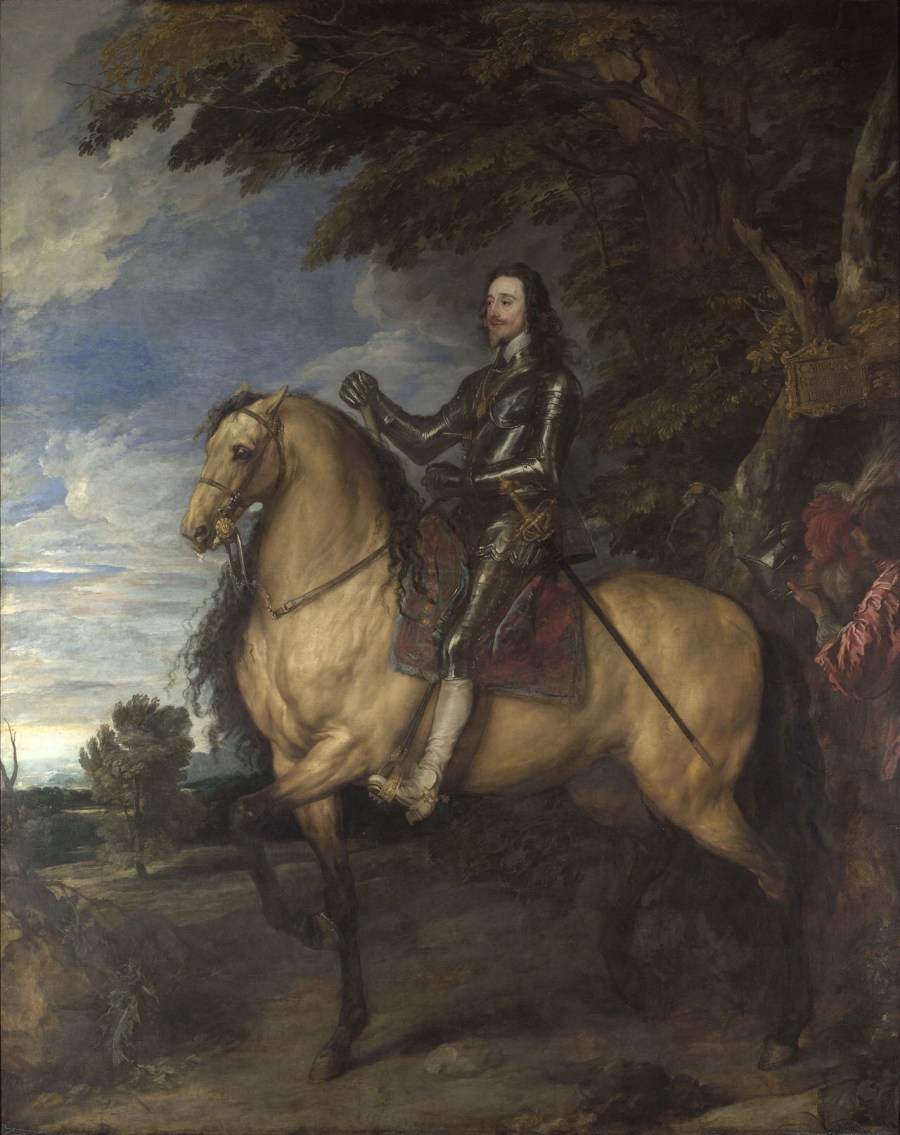
Charles had ascended the throne in 1635 after the death of his father James I – and it was to be a rocky ride with Parliament from the start…. He was to upset things further by marrying French Princess Henrietta Maria, a Catholic, within a year of becoming King – this enraged the Protestants among his subjects….
img_5789
Charles I by Sir Anthony van Dyck 1637/38 – Public domain

Charles believed kings had a divine right in the matters of ruling the land – that belief and his tax policies soon turned the government against him…. His response to political opposition was to dissolve Parliament several times and in 1629 he got rid of Parliament altogether and ruled alone…. This finally led to the outbreak of the first English Civil War in 1642, with the opposing Parliamentarians being led by Oliver Cromwell….

By 1648 Cromwell’s New Model Army had gained military supremacy in England…. Charles had been captured, managed to escape and had been recaptured….

His trial was set for early January 1649…. Out of 135 appointed commissioners only 68 turned up – and nearly all of them were Parliamentarian supporters…. The trial of a king was unheard of and those who chose to stay away were trying to disassociate themselves….

img_5786
Charles I at his trial by Edward Bower 1649 – Public domain

For the first three days Charles was brought to the Court and asked to make his plea – each time he refused…. After the third day he was removed from Court and the witness accounts against him were heard…. On January the 26th Charles was condemned to death; he was brought back to Court on the 27th to hear the declaration…. 59 out of the 68 commissioners signed the death warrant….

img_5787
Charles I in the dock – (his back pictured as he faces the High Court of Justice) – Uncredited engraver – Public domain

Charles spent his last days at St James’s Palace – he was possibly moved there to spare him from hearing the scaffold being erected…. He prayed, spent time with his loyal supporters and – perhaps most importantly – his children, whom he had not seen for some 15 months….

When Tuesday the 30th of January dawned it was a bitterly cold day…. Charles dressed in fine clothes, black with a blue sash…. It is said he asked for a second shirt to wear as he didn’t want to shiver and have the crowd think he was shaking with fear….

The scaffold, draped in black, had been erected in front of Banqueting Hall, at the Palace of Whitehall…. Crowds of spectators surrounded it….

At around 2pm Charles climbed on to the platform and proceeded to give his last speech…. He declared himself innocent of the crimes set against him…. He said he always desired the freedom and liberty of the people – he claimed he was a martyr of the people…. Few in the crowd heard his speech on account of the vast number of Parliamentarian guards blocking the scaffold….

Finishing his speech Charles bowed, put on his silk nightcap so that his hair would not get in the way and then placed his head on the block…. As he stretched out his hands, his signal to the executioner, the axe fell – severing his head in one clean blow…. A groan escaped the watching crowd – some dipped their handkerchiefs in the blood, believing a king’s blood could cure their illnesses….

img_5788
Contemporary German print of Charles I’s beheading – Public domain

There has always since been speculation as to the identity of the executioner, who was masked to prevent him from being identified…. Whoever it was, because of the single clean blow, knew what they were doing – they had experience…. The common hangman of the time, Richard Brandon, had reputedly refused to undertake the execution – even with the offered £200…. However, it is quite likely that it was indeed him who performed the act….

To pacify the family of Charles his head was sewn back on to his body…. Burial at Westminster Abbey was refused – instead King Charles I was laid to rest at Windsor Castle….

On this day in history….29th January 1820

On this day in history : 29th January 1820 – King George III dies insane at Windsor Castle, a decade after having to retire from public life because of his mental health….

George had been England’s longest ruling monarch before Queen Victoria…. He came to the throne in 1760 at the age of 22 and there he remained for 59 years and 96 days….

img_5782
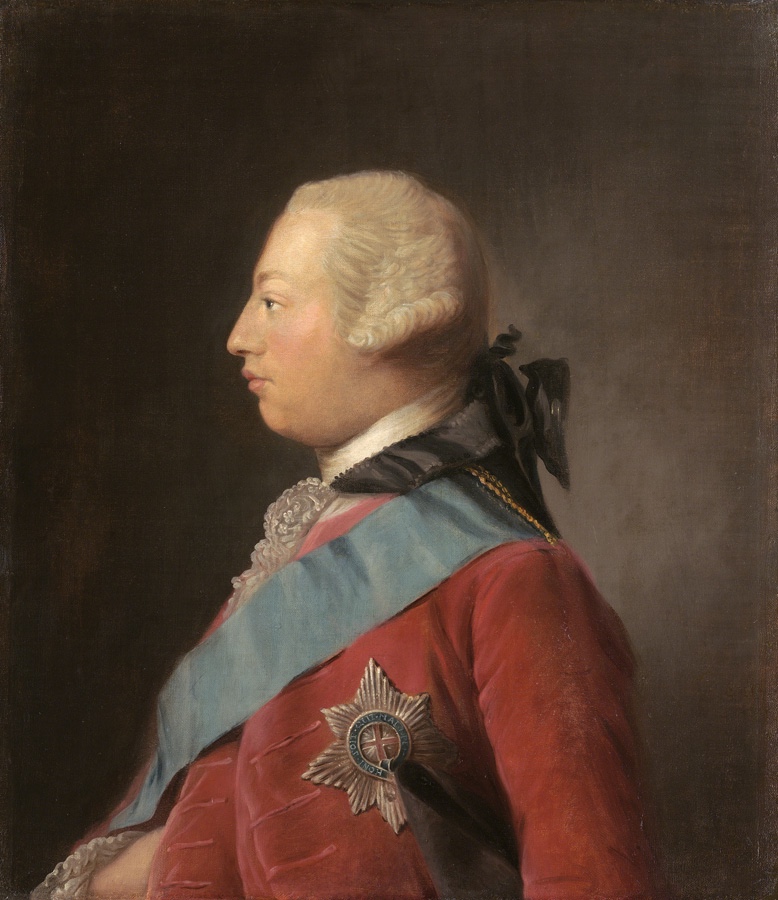
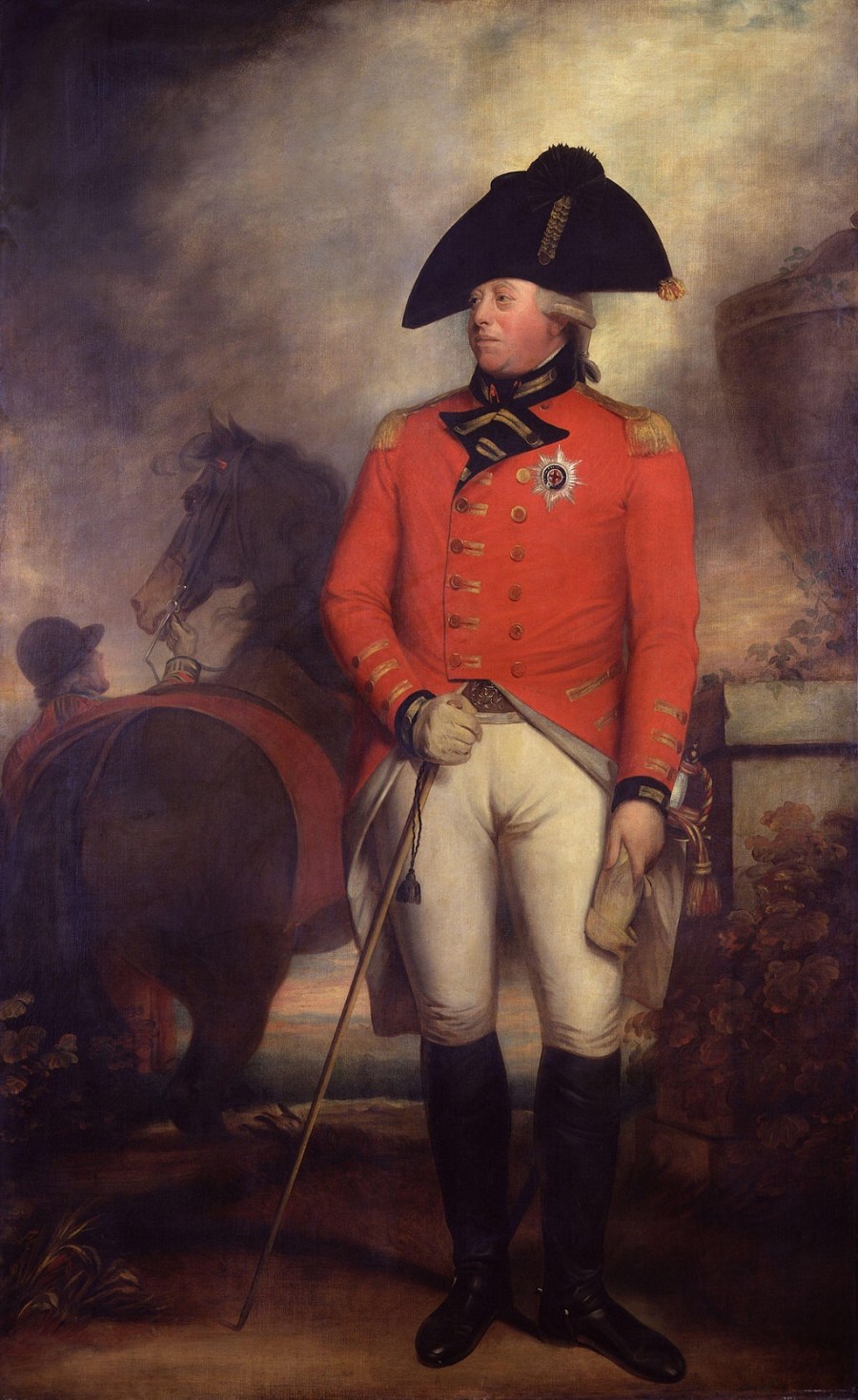
Coronation portrait by Allan Ramsay 1762 – Public domain

A year after becoming King he married Charlotte of Mecklenburg-Strelitz, the daughter of a German duke…. It was a political union – but a successful one, the couple went on to have 15 children….

His reign saw the end of the Seven Years’ War and also the American Revolution…. When people nowadays think of George III two things spring to mind – his madness and the loss of the American colonies….

George’s first severe bout of insanity occurred in 1778 and lasted for a month…. So violent was he that a straitjacket had to be used to restrain him…. However, he was to recover and resumed his reign proving to be a very popular monarch….

img_5785
Portrait by Sir William Beechey 1799/1800 – Public domain

His next severe bout was in 1804…. Once again he made a recovery – but in 1810 he was to lapse into an illness from which he would not recover…. By this time he was also virtually blind from cataracts and in constant pain from rheumatism…. By the end of 1811 he was permanently insane and lived in seclusion at Windsor Castle…. His son, the future George IV, became Prince Regent….

George’s health continued to decline…. He was unable to understand that he was King – or that his wife had died in 1818…. Eventually he was completely blind, more and more deaf and for the last few weeks of his life unable to walk….

He died at Windsor Castle at 8.38pm on the 29th of January 1820 – his son Frederick, Duke of York, was with him….

It has long widely been thought that George may have suffered from a condition known as porphyria, an inherited blood disorder that can cause confusion, paranoia and hallucinations…. Doctors at the time, knowing no different, may have made this worse by treating him with arsenic….

img_5784
Engraving by Henry Meyer of George III in later life – Public domain

However, a more recent study, a research project at St George’s, University of London, argues against porphyria…. One of the symptoms of the illness is blue urine – and there is little evidence to suggest George III suffered from this….

Using thousands of handwritten letters by George, a computer was used to analyse his language…. His sentences were much longer during his episodes of mental illness…. As many as 400 words could be used in one sentence – that in turn could contain up to 8 verbs…. He also had a tendency to often repeat himself….

This is also something seen today in the writings of those suffering from illnesses such as bipolar…. Therefore, it is argued that King George III actually suffered from bipolar and/or dementia….

img_5783
George III by Allan Ramsay 1762 – Public domain

On this day in history….28th January 1953

On this day in history: 28th January 1953 – Derek Bentley is executed at Wandsworth Prison for his part in the murder of PC Sidney Miles….

img_5780
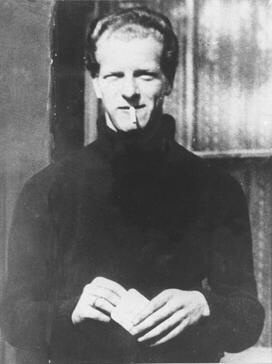
Derek Bentley – Fair use

Bentley was 19-years-old when he was hanged; he allegedly had a mental age of 11, was illiterate and suffered with epilepsy – probably resulting from a broken nose he received as a young child….

On the 2nd of November 1952 he and his 16-year-old friend, Christopher Craig, set out to commit a burglary on a warehouse in Croydon belonging to confectionary company Parker and Barlow…. However, while the pair were on the roof of the building they were spotted by a young girl living in a nearby house, who informed her mother – and she subsequently called the police….

Bentley was armed, with a knife and knuckle duster…. Craig too had a knife but he also carried a .455 Eley revolver….

A patrol car arrived with a uniformed constable and detective constable Fairfax – who proceeded to climb a drainpipe to get to the roof of the warehouse…. The would-be burglars attempted to run for it – but Bentley was restrained by Fairfax…. Craig shot the policeman, wounding him in the shoulder…. Notably, Bentley made no attempt to escape, he remained with the injured Fairfax….

Other police officers arrived on the scene….some were armed…. Craig, trigger-happy, was shooting haphazardly at any moving target…. It was as PC Sidney Miles reached the rooftop that the fatal shot was fired, hitting the constable in the head – he died instantly….

Craig, who had now run out of bullets, ran and threw himself off the roof of the building, landing some 30 feet below on a greenhouse – he broke his back….

Both Craig and Bentley were charged with murder…. At some point in all the shooting Bentley had supposedly uttered those fateful words “Let him have it Chris”…. Did he mean a bullet? Or was he in fact urging Craig to hand over the gun?

The controversial trial began on Thursday the 9th of December 1952, both Craig and Bentley pleaded ‘not guilty’…. It took the jury just 75 minutes to return a verdict of ‘guilty’ – but made the recommendation to mercy in the case of Bentley…. However, Judge Lord Goddard did not include this in his report to the Home Office…. Bentley was condemned to hang….

Due to his age Craig was spared the death penalty – instead he was ordered to be detained at Her Majesty’s pleasure…. He was released in 1963 after serving ten years….

Considering his mental age should Bentley have been sentenced as such? Yes, he had set out to commit a burglary and he was armed – but he was not the one who fired the gun….

An appeal hearing was held on the 13th of January – but the sentence was upheld…. A campaign was led by Bentley’s father – over 200 MPs signed a petition for a reprieve to be granted….

The night before the execution date crowds protested outside Parliament chanting “Bentley must not die”…. On the morning of the execution a large crowd gathered outside Wandsworth Prison, some sang the hymn ‘Abide With Me’…. Boos were heard when the notice it had been done was brought out….

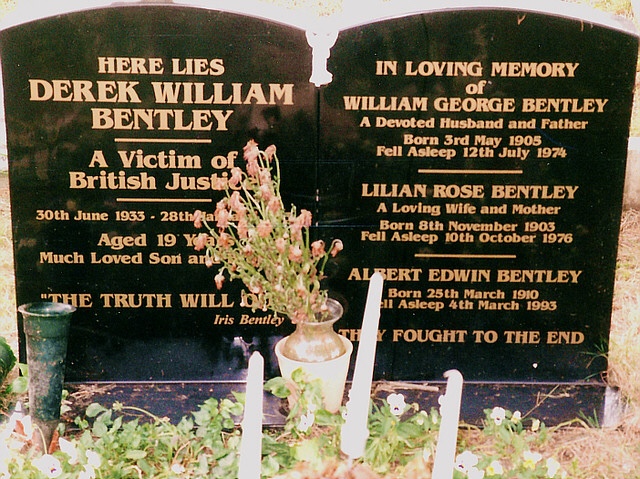
Bentley’s sister, Iris, continued to campaign…. finally, in 1993, Home Secretary Micheal Howard, granted a partial pardon – saying Bentley should never have been hanged…. Later new evidence came to light that three officers had lied under oath about Bentley saying “Let him have it Chris”…. In 1998 the Appeal Court quashed Bentley’s conviction…. Sadly Iris did not live long enough to see this day….

img_5781
Photo credit : Steve Brown via Flickr

On this day in history….27th January 1910

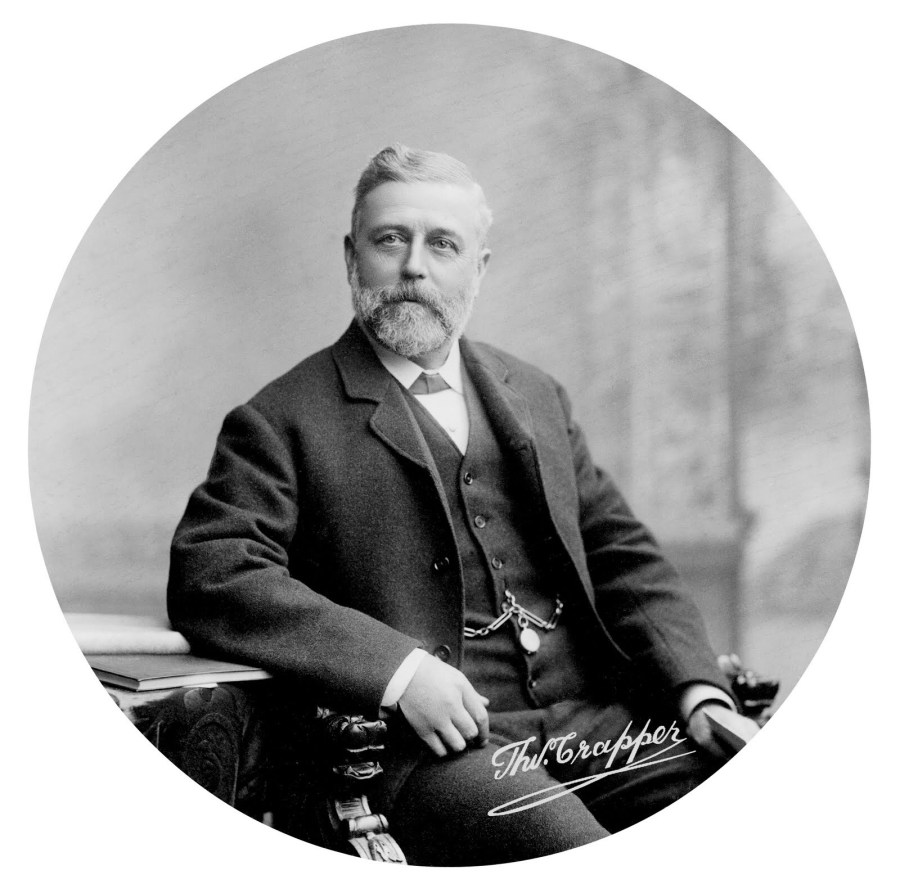
On this day in history : 27th January 1910 – The death of English plumber and businessman Thomas Crapper….

img_5775
Thomas crapper – Photographer unknown – credit: MJC Plumbing – Public domain

It is thought American servicemen stationed in England during World War One brought the term ‘crap’ into our everyday language – as they saw the name ‘Crapper’ on so many cisterns when they visited our WCs…. “I’m just going to the Crapper”…. Actually the word ‘crap’ is Middle English in origin, it was used to refer to weeds and rubbish…. Its first entry in the Oxford English Dictionary was ten years after the birth of Thomas Crapper – long before he had left his mark on the British sanitary industry….

img_5778
Photo credit : Fawcett5 at English Wikipedia – Public domain

Thomas was born in Thorne, South Yorkshire, in 1836…. His brother George was a master plumber in Chelsea and in 1853 Thomas was to become his apprentice….

In 1861 he set up his own plumbing and sanitary business and quickly gained a reputation for high quality work…. In 1870 the company opened the very first bathroom showroom….

During the 1880s Prince Edward (the future King Edward VII) bought the Sandringham Estate in Norfolk…. Thomas Crapper & Co were contracted to do the plumbing in the renovations of the estate, including the supply and installation of 30 cedar wood seated lavatories…. This was to be the company’s first Royal Warrant – it went on to be awarded more in time both from Edward as King and then George V….

img_5776
Photo credit : Oxyman – own work CC BY 2.5

Having his own foundry and metal workshops at his premises enabled Thomas to develop his own ideas…. In 1880 he improved the ‘S’ bend trap by replacing it with the ‘U’ bend – delivering a far more efficient trap…. His company held nine patents, three of which were for improvements of the WC, including the floating ballcock….

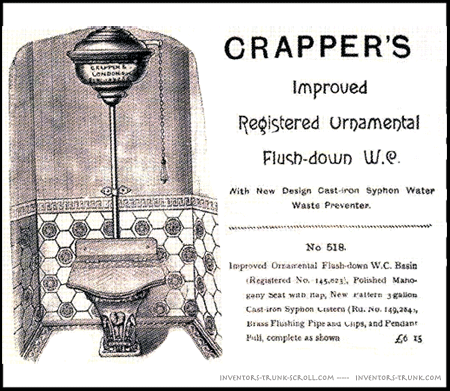
It is often incorrectly thought that Thomas Crapper invented the lavatory…. It is also a common misconception that he invented the lavatory flush – (although his nephew is credited for improvements to the water siphon system at a later date)…. The confusion may come from the company’s advertisements of the time which do seem to imply the flushing loo was their invention….

img_5779
Public domain

Thomas Crapper was also the inventor of the manhole cover – allowing easy access to the drainage and sewer system….

img_5777
Manhole cover inscribed ‘T.Crapper & Co. Sanitary Engineers Marlboro Works Chelsea London’ – Photo credit : Patrick Mackie CC BY-SA 2.0

In 1904 Thomas retired and handed the business over to his nephew George and business partner Robert Marr Wharham…. Thomas died of colon cancer in January 1910….

On this day in history….26th January 1926

On this day in history : 26th January 1926 – Scottish engineer and inventor John Logie Baird demonstrates his mechanical television system publicly for the first time….

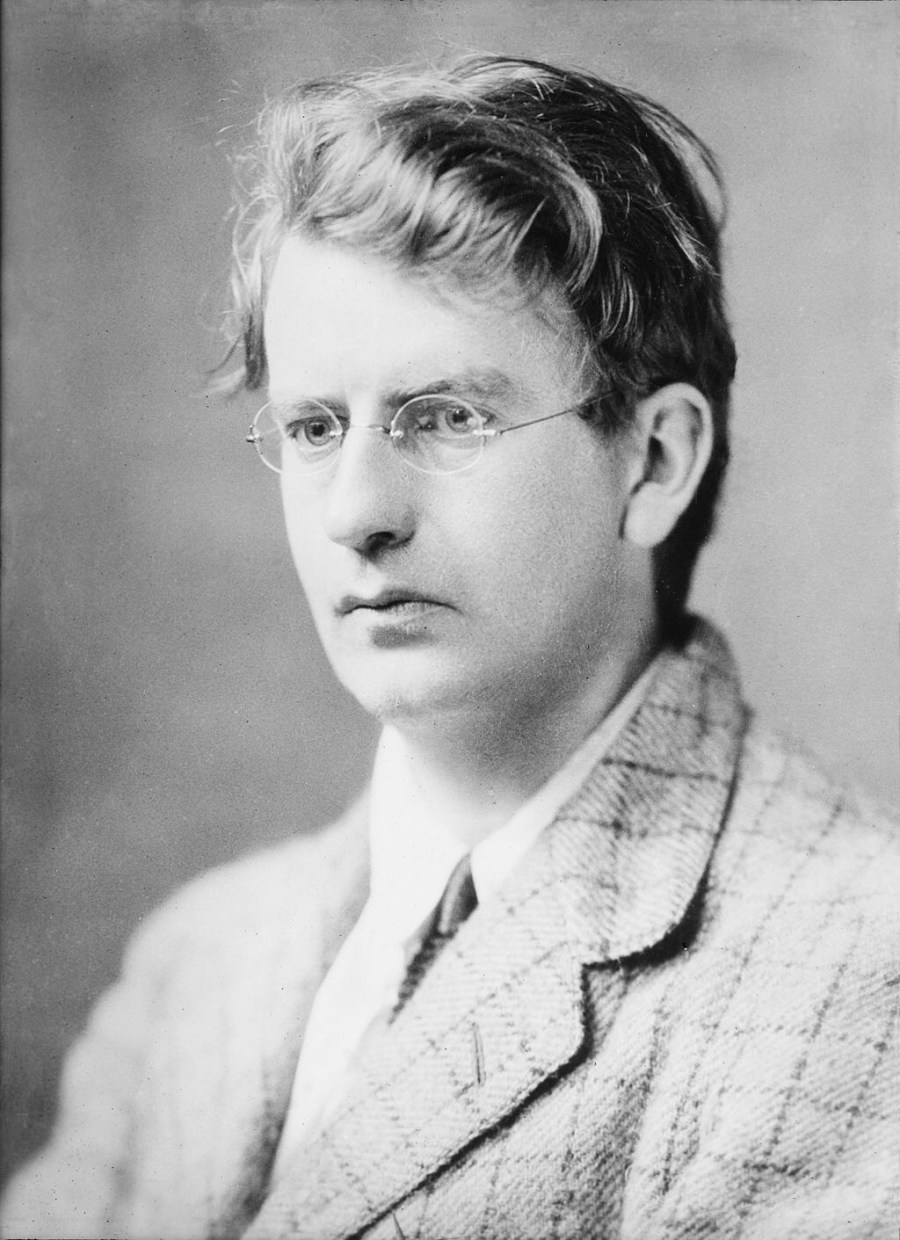
Baird was born in August 1888 on the West Coast of Scotland and was the son of a clergyman…. He studied at the Glasgow and West of Scotland Technical College but his studies were to be interrupted by the advent of World War One…. Having suffered ill-health for all of his life Baird was declared unfit to serve in the forces and so his war effort was spent working for the Clyde Valley Electrical Power Company, where he served as a superintendent engineer….

img_5755
John Logie Baird in 1917 – Public domain

After the War he travelled to the West Indies, spending a brief period in Trinidad where he tried to set up a jam making business! For whatever reasons his venture was not successful and he returned to England, to live in Hastings on the South Coast where he began to experiment with transmitting images….

One of his breakthroughs was to successfully transmit an image of the Maltese Cross for a distance of over 10 feet…. His very first demonstration was held in Selfridges in 1925 – but a further breakthrough came in October 1925 when he managed to transmit television pictures in light and shade – making the images much clearer to see….

img_5758
Early experimental television broadcast – Fair use

On the 26th of January 1926 he repeated this transmission at his laboratory on 22, Frith Street, Soho, London…. In attendance were members of the Royal Institution of Great Britain – an organisation based in London devoted to scientific research and education…. Also present was a reporter from The Times newspaper….

img_5757
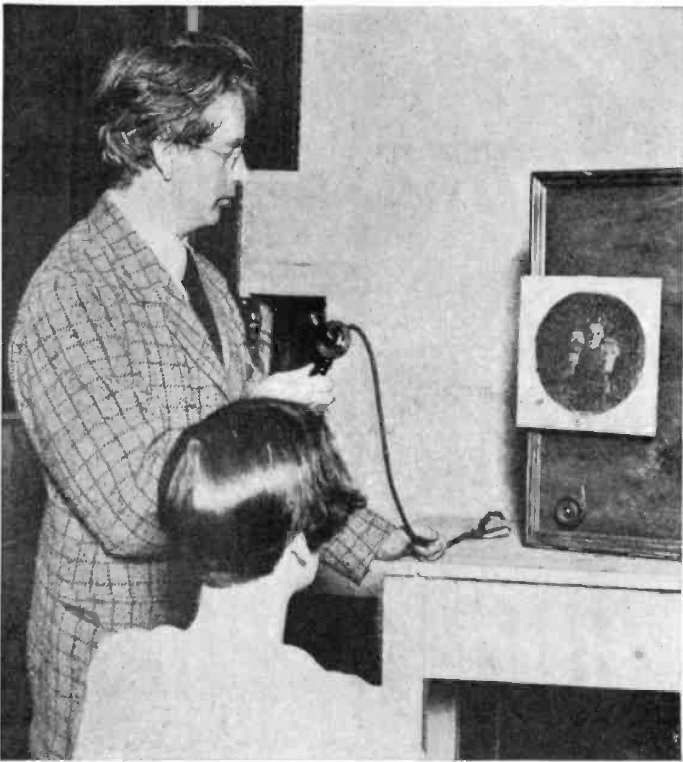
Baird and his television receiver – Public domain

Baird demonstrated the first colour transmission on the 3rd of July 1928…. The test comprised of a young girl wearing a series of different coloured hats…. Her name was Noele Gordon – who went on to have TV success of her own in the TV soap ‘Crossroads’….

img_5756
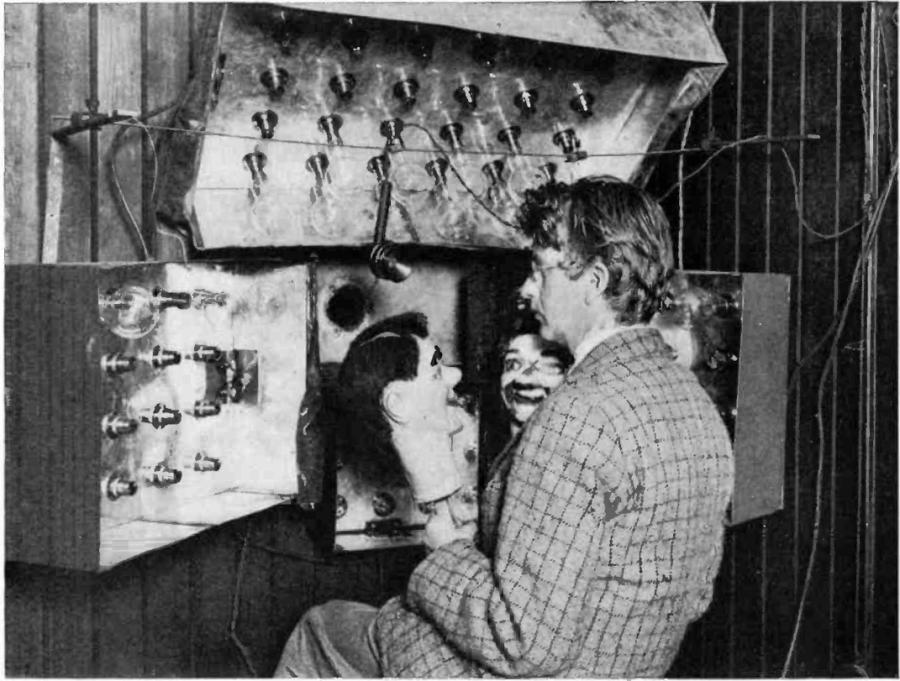
Baird in 1925 with his transmitter equipment – and dummies ‘James’ and ‘Stooky Bill’ – which he used to demonstrate talking and movement – Public domain