On this day in history….29th July 1976

On this day in history : 29th July 1976 – Fire destroys the famous pier head of Southend Pier…. Extending 1.34 miles into the Thames Estuary it is the longest pleasure pier in the world….
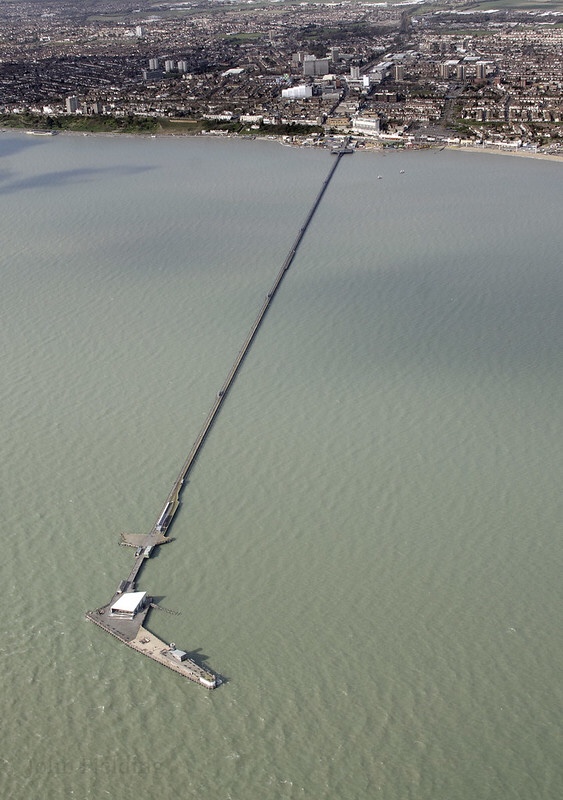
Aerial view 2014 – Image credit : John Fielding via Flickr

The iron pier, designed by James Brunkes, had been completed in 1889 and was a replacement for the old wooden pier…. A further extension was added in 1897 and an upper deck added to the pier head itself in 1907….with yet another further extension to the pier in 1927….
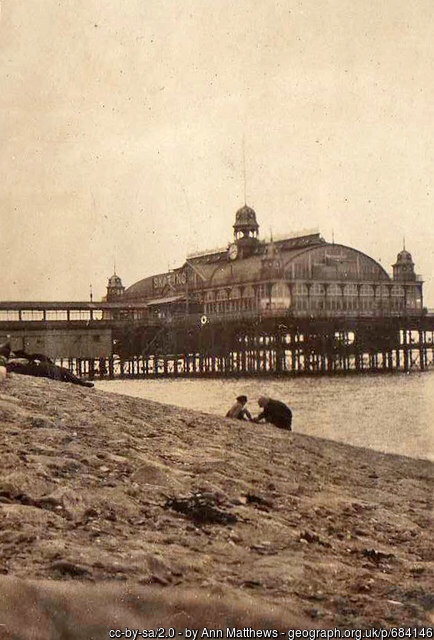
1923

During WW2 the pier was closed to the public and taken over by the Royal Navy – it was renamed HMS Leigh…. It became the Naval control for the Thames Estuary and an assembly point for convoys….

The period following the War was to become the pier’s heyday…. During 1949/50 some 5 million passengers were carried by the train that ran the length of the pier….

The 1976 fire was not the first fire in the pier’s history (nor was it to be the last)…. In 1959 fire broke out in the pavilion and 300 people had to be rescued by boat….

In 1970 the council leased out entertainment franchises on the pier….restaurants, nightclub, cocktail bar and an amusement arcade…. Thursday the 29th of July 1976 had been a busy day at the Southend resort – the pier had been packed all day…. By 7.30pm things were beginning to quite down – but there were still plenty of people around enjoying an evening out….

Southend Pier 1975

Suddenly the cry of “Fire!” rang out…. Staff working in the Sovereign Bar on the eastern side of the pier head were the first to spot the flames and had attempted to douse them with buckets of water…. But the fire was soon spreading out of control, fanned by the strong south-westerly wind….

Some 500 people were still on the pier and an evacuation began using the train and boats…. 11 fire engines arrived along with 2 fire tugs from Tilbury Docks – and these were later joined by 5 more fire boats from Chatham Dockyard…. But this was still not enough to bring the fire under control…. With flames leaping 150ft into the air a crop spraying plane tackled the fire from above, dropping 400 gallons of water at a time….

It took 4 hours and over 100 fireman to bring the blaze under control; 2 fireman were injured…. The next day the pier head was a smouldering ruin…. However, just 3 days later, on the 1st of August, the pier was back in business – with people paying 15p to view the charred wreck that had been the pier head…. It was eventually established that the cause was a cigarette that had been dropped between the planks close to one of the restaurants….

A year later another fire was to break out in the bowling alley and in 1978 the railway was forced to close for safety reasons….
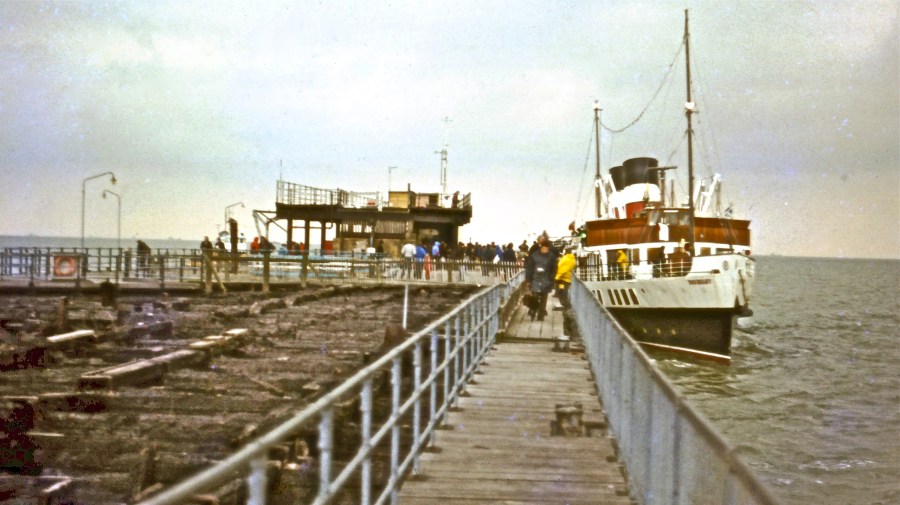
Burnt section – photo taken in 1983 – Image credit : Johnragla – own work CC BY-SA 3.0

After years of local campaigning the pier was rebuilt in 1984 and a new railway opened in 1986…. In 1989 a ship crashed into the pier and in 1995 there was yet another fire in the bowling alley, closing the railway again…. Then on the 9th of October 2005 another severe fire damaged much of the old pier head including the railway station, pub, food outlets and gift shops…. No official cause was recorded…. Is this not only the world’s longest pier but also the most jinxed? But never fear…. On the 21st of July 2012 the pier reopened…. Rising like a Phoenix once more – it was back…. I have a feeling this time the ‘jinx’ is broken….

Panoramic view of pier head 2016 – Image credit : Romazur – own work CC BY-SA 4.0

On this day in history….28th July 1866

On this day in history : 28th July 1866 – The birth of Beatrix Potter – the creator of much loved characters such as Peter Rabbit…. But there was so much more to this favourite children’s author….

Beatrix Potter, 1913 – Public domain

Born Helen Beatrix in South Kensington, London, she was the daughter of lawyer Rupert Potter and his wife Helen…. Beatrix had a somewhat lonely childhood; she was educated at home by governesses and hardly ever mixed with other children apart from her little brother, Walter Bertram, who arrived in 1872….

Both Beatrix and Walter loved animals and had many pets, including mice, frogs, snakes, lizards, bats, a hedgehog and rabbits….two of which were called Peter Piper and Benjamin Bouncer….

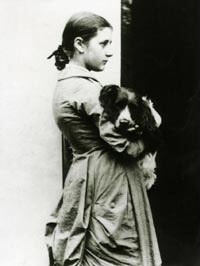
Beatrix Potter, aged 15, with her spaniel ‘Spot’ – Public domain

The family spent long holidays in the countryside each year…. During her younger years Beatrix’s parents would rent a house in Scotland for three months and then later, when she was 16, they began to rent Wray Castle, near to Ambleside in the Lake District…. It was here that Beatrix was to become acquainted with the vicar of Wray, Hardwick Rawnsley, who was to become a founding member of the National Trust…. It was his love of the countryside that was to inspire her….

Beatrix continued to study wildlife and botany – and she was invited to study fungi at the Royal Botanical Gardens in Kew…. With the encouragement of Scottish naturalist Charles McIntosh she became an accomplished scientific illustrator…. In 1896 Beatrix wrote a paper – ‘On the Germination of the Spores of Argaricinae’ – which was her own theory on the reproduction of fungi spores…. However, her paper was rejected by the director of the Royal Botanical Gardens, mainly because she was a woman…. But a year later a fungi expert at Kew presented her paper, on her behalf, to the Linnean Society of London…. Her work was never published but she is now accepted as being a major contributor to the research of mycology….

Beatrix Potter – ‘Reproductive System of Hygrocybe coccinea’ 1897 – Armitt Museum and Library – Public domain

Beatrix’s own personal artistic and literacy choices were influenced by her love of fantasy and fairy tales…. By her teen years she had become a regular visitor to art galleries in London…. During the 1890s she and her brother began to produce and print Christmas cards and other greetings cards…. Appealing animals such as mice and rabbits featured heavily…. Printing company Hildesheimer & Faulkner bought her illustrations of Benjamin Bunny….

The last of Beatrix’s governesses, Annie Moore, was only three years older than her and so was more of a companion – they were to become life long friends…. Annie was to have eight children and Beatrix would send them delightful illustrated letters from her holidays…. Tales about four little rabbits – Flopsy, Mopsy, Cottontail and Peter…. It was Annie who suggested these would make wonderful children’s books….

Peter feasts on Mr McGregor’s vegetables – Public domain

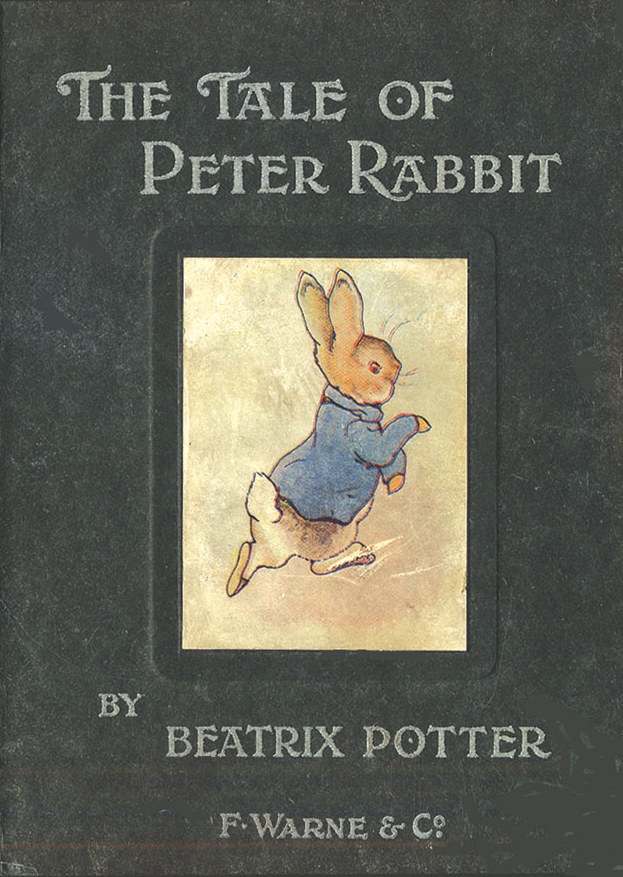
In 1900 Beatrix edited her stories and looked for a publisher – unsuccessfully…. Undeterred she had her book published at her own expense in December 1901 – she gave copies of her book, with its black and white illustrations, to family and friends as gifts…. Hardwick Rawnsley, having faith in her book, took it to the publishing houses himself…. Although previously rejected by Frederick Warne & Co. – and who had now decided they wanted to get into the children’s literature market – the book was accepted…. Beatrix added colour to her illustrations and on the 2nd of October 1902 ‘The Tale of Peter Rabbit’ was published and became an instant success…. The next year it was followed by ‘The Tale of Squirrel Nutkin’ and ‘The Tailor of Gloucester’…. In all Beatrix wrote 23 such children’s tales….

First edition, 1902 – Public domain

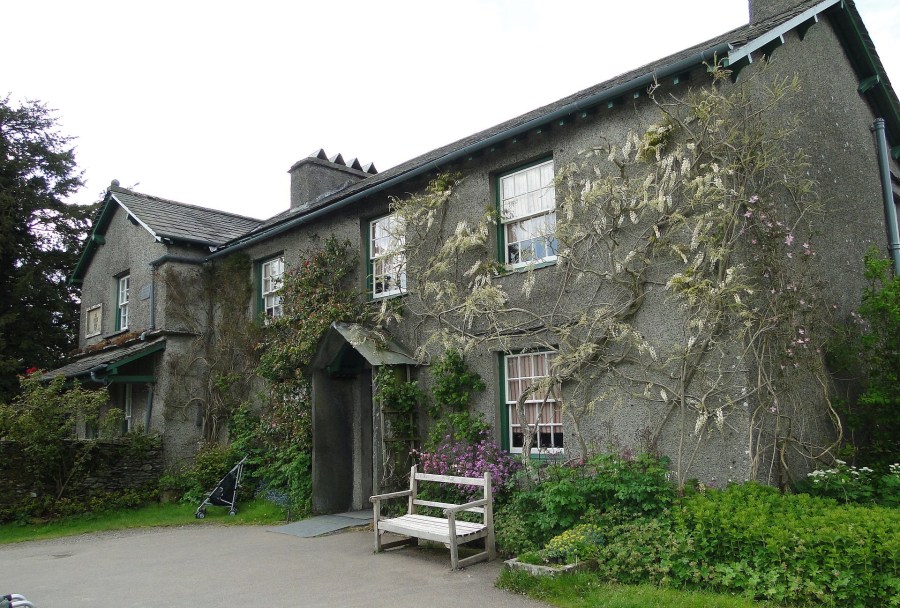
With the proceeds of her books and the help of an inheritance from an aunt, in 1905 Beatrix bought Hill Top Farm near to Sawrey in the Lake District – a 17th century house with a 34 acre working farm…. The existing tenant farmer and his family agreed to carry on managing the farm whilst Beatrix learned how to raise livestock…. In the beginning she had cows, pigs and chickens….and then she added sheep….

Hill Top, near Sawrey – Image credit : Richerman – own work CC BY-SA 3.0

Beatrix then bought another neighbouring farm, ‘Castle Farm’ – using the services of a local solicitors firm – W.H. Heelis & Son…. Beatrix gained more than just a farm; on the 15th of October 1913 she and William Heelis were married in London…. They moved into the newly renovated farmhouse on Castle Farm…. ‘The Tale of Jemima Puddle Duck’ and ‘The Tale of Tom Kitten’ are a reflection of this happy time in her life….

First edition – Public domain

In 1923 Beatrix bought Troutbeck Park Farm, a large sheep farm in the Troutbeck Valley…. She restored it with thousands of Herdwick sheep, a breed she had become enamoured with…. Beatrix was to become one of the main Herdwick sheep breeders in the Lake District…. In 1942 she became President-elect of the Herdwick Sheepbreeders’ Association – but sadly did not live long enough to take office….

Beatrix was to buy a total of 16 farms and was very much a ‘hands-on’ farmer herself – helping with hay making, bringing in thee sheep – or whatever else needed doing…. She continued her conservation and preservation of fell-farming work throughout the hardship years of World War 2 – but before the War had ended, on the 22nd of December 1943 she was to die from heart disease complicated by pneumonia….

Beatrix left the farms and some 4,000 acres of land, cottages, cattle and Herdwick sheep to the National Trust…. She also left to the Trust nearly all the original illustrations of her books…. Hill Top Farm was opened to the public in 1946 and her artwork was displayed there until 1985…. It was then moved to Wiliam’s former solicitor’s offices in Hawkshead – which had also been left to the National Trust…. This is now the Beatrix Potter Gallery….

Peter and Benjamin gather onions for Mrs Rabbit – Public domain
Beatrix Potter, 1912 – Public domain

On this day in history….27th July 1969

On this day in history : 27th July 1969 – English rower Tom McClean arrives off the Irish coast to become the first man to row solo across the Atlantic Ocean from west to east….

Tom McClean during sea trials, 1985 – Image credit : Intagen – own work CC BY-SA 3.0

McClean had served in the Parachute Regiment and then nine years in the SAS…. On his retirement from military life he became well-known for various feats as an adventurer…. And then following Chay Blyth and John Ridgway’s rowing venture across the Atlantic in 1966, McClean announced that he too was going to do this – but alone….

Three years later, in a 2,000 mile journey from Newfoundland to Ireland that took 71 days, he encountered violent storms, gigantic waves and freezing conditions…. He had no sailing experience or knowledge of sea conditions; however, through his perseverance, he became the first man in history to row across the Atlantic from west to east, all on his own….

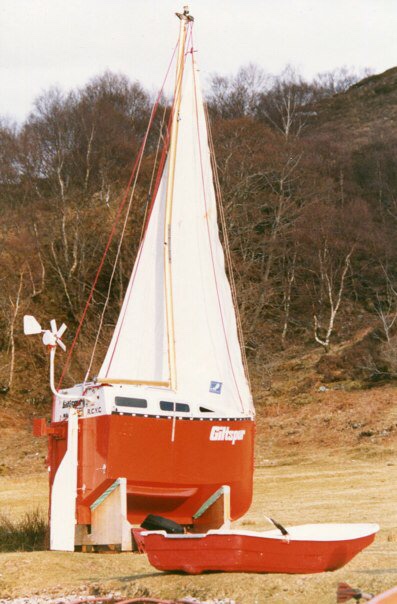
In 1982 McClean sailed the Atlantic in a boat measuring just 9ft 9in – the smallest sailing vessel to ever cross transatlantic…. However, only three weeks later his record was broken by a boat measuring 9ft 1in…. McClean’s response was to cut 2ft off his own boat using a chainsaw – and do it all again…. Despite losing his mast on the return journey he managed to win his record back…. Five years later he rowed the Atlantic again, in just 54 days – a record he still holds today…. In 1990 he made year another crossing, this time in a bottle shaped boat….

‘Giltspur’ – Tom McClean’s record breaking boat – Image credit : Intagen – own work CC BY-SA 3.0

On this day in history….26th July 1803

On this day in history : 26th July 1803 – The Surrey Iron Railway opens in South London – it could be argued that it is the world’s first public railway….

Watercolour showing the Surrey Iron Railway – Unknown artist – Public domain

The railway ran from the Thames at Wandsworth to Croydon via Mitcham – it then joined the Croydon, Mertsham and Godstone Railway….then all towns in Surrey but now part of the suburbs of London….

The original plan, proposed in 1799, had been to construct a canal system to transport particularly chalk, dug from the Surrey Hills around Epsom, to the Thames – but also coal, building supplies, lime, manure and animal feed between Wandsworth and the industries of the Wandle Valley…. However, a canal system relied on drawing water from the River Wandle – not surprisingly mill and factory owners also using water from the river voiced concerns as to there being enough water to go around…. So an idea was formed to use a plate way – a type of tramway or wagon way, which used rails laid on stone sleepers to transport horse drawn wagons….

The railway was designed by Benjamin Outram – which incidentally is where the name ‘tram’ comes from…. The architect was Edward Banks, who had previously worked on the railways…. The nine mile track became a public toll railway, independent goods hauliers used their own wagons and horses, paying a toll for the use of the rails…. The railway was in use until 1844, when it was sold to a steam railway company…. The old tracks were lifted in 1848….

Public domain

On this day in history….25th July 1909

On this day in history : 25th July 1909 – Frenchman Louis Bleriot becomes the first to successfully fly across the English Channel – worrying the British, who fear they could now be vulnerable to an air attack….

Louis Bleriot – Public domain

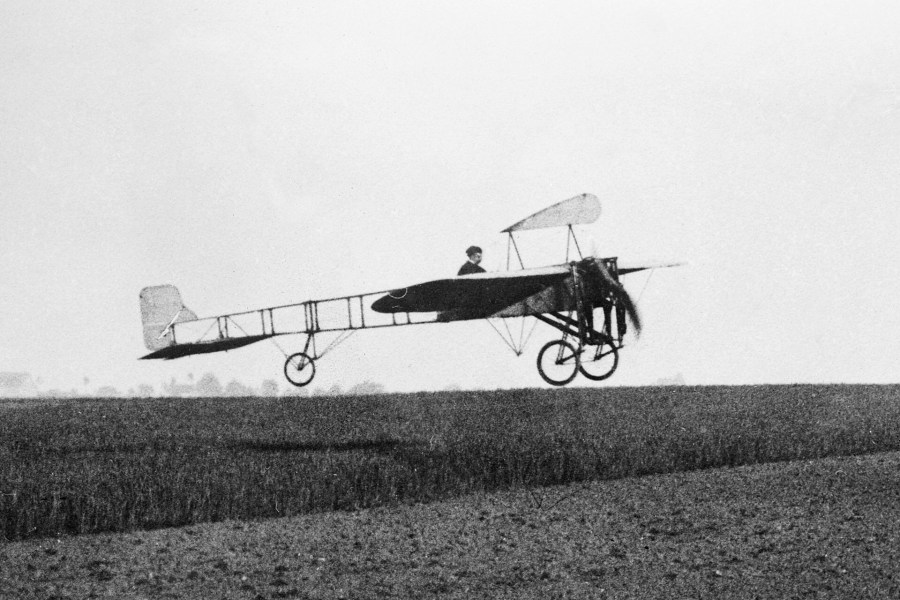
Bleriot was an aviator, engineer and inventor…. It was he who invented the first practical car headlamps and he was to become a successful businessman enabling him to devote money and time to his love of experimental flying…. Following a series of experiments with towed gliders he built a succession of powered aircraft…. It was in his Bleriot XI, a mono plane with a 25 horsepower engine, that he crossed the English Channel from Calais to Dover….in a journey that took him just 32 minutes…. It also won him £1,000 in a prize given by the Daily Mail….

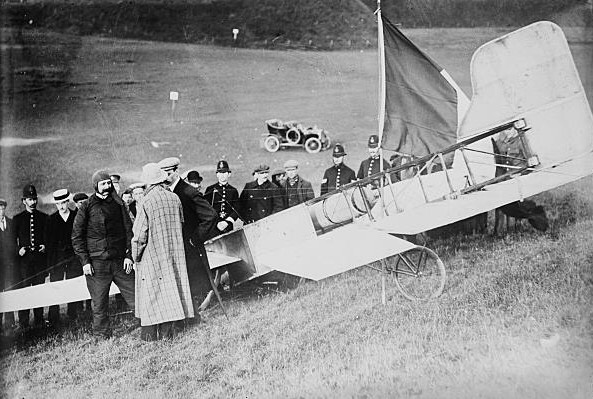
Starting the engine, 25th July 1909 – Public domain

He had taken off at sunrise, on the first clear day for several, as high winds had been raging for the past week or so…. He flew across the Channel without the aid of a compass, following three boats who appeared to be heading for port…. On arriving he landed near to Dover Castle – a heavy landing that shattered a blade of the propellor and damaged the under carriage…. The aircraft was never to fly again; however, it was repaired and put on display in Selfridges before being taken back to France to go on show outside the offices of French newspaper ‘Le Matin’…. It then permanently went on display at the Musee de Arts et Metiers in Paris….

Shortly after arrival at Dover – Public domain

Just hours after his historic flight Bleriot travelled to London and was greeted by crowds of cheering Londoners…. On returning to France 100,000 of his own countrymen were there to welcome him….

As a result of his achievement Bleriot was able to sell his Bleriot XI model to the French army – and to several other countries…. The aircraft first saw combat action during the Italio-Turkish war….

Bleriot XI (1909) – Public domain

Following Bleriot’s flight Britain realised just how accessible it had become…. The Daily Mail said “Great Britain is no longer an island”…. Another flight pioneer of the time commented “Britain must seek another form of defence besides ships”…. The Channel crossing inspired Claude Grahame-White to become involved in powered flight…. He was to go on to found the London Aerodrome – which would later become RAF Hendon….