On this day in history : 19th October 1745 – The death of Anglo-Irish author, poet and satirist Jonathan Swift – most famous for his masterpiece Gulliver’s Travels….
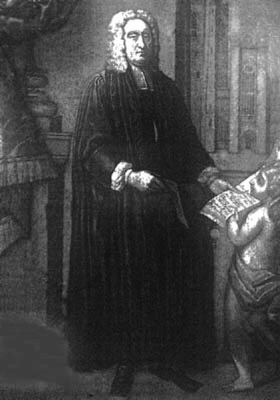
Johnathan Swift – portrait by Charles Jervas – Public domain
Swift’s English father had settled in Ireland and married the daughter of an English clergyman…. Then in 1667 he died leaving his pregnant wife and young daughter to be cared for by his in-laws…. Swift was born and the fatherless family was supported by his mother’s brothers – who treated him well and at the age of six he was sent to Kilkenny, the best school in Ireland…. Then he went to Trinity College in Dublin, graduating in February 1686 with a Bachelor of Arts degree….
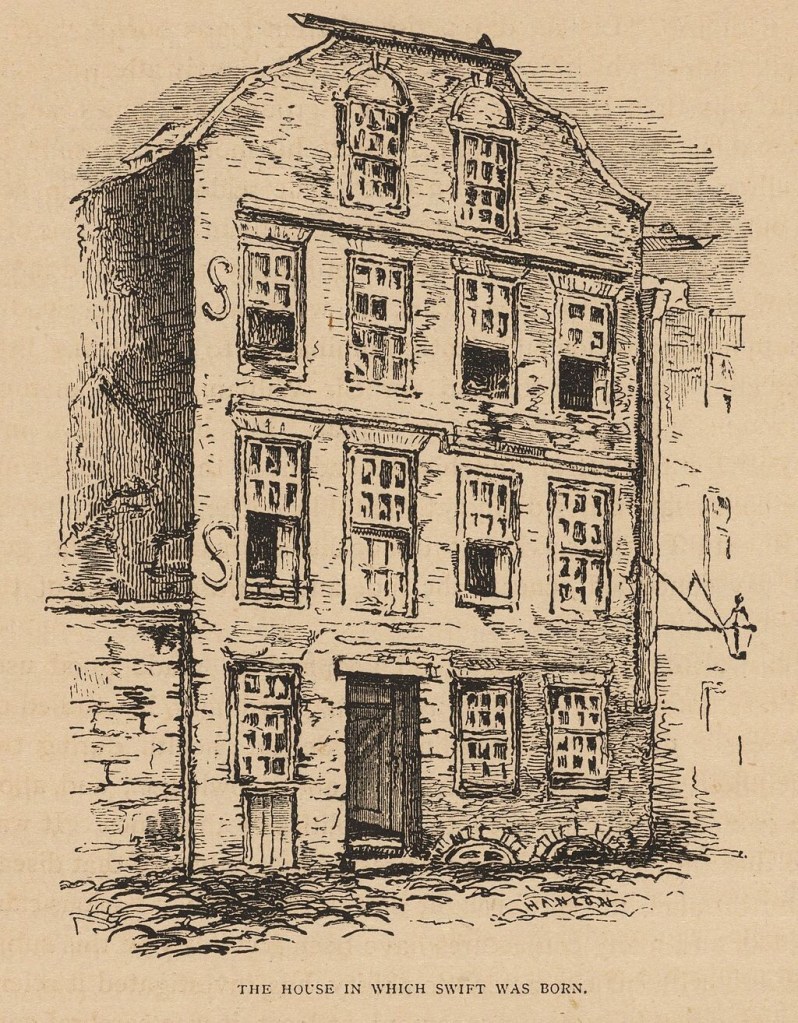
Swift’s birthplace – 1865 illustration by T.Morton – Houghton Library – Public domain
Returning to England to escape the unrest in Ireland Swift joined the household of his mother’s distant relative Sir William Temple, of Moor Park, near to Farnham in Surrey…. He remained here until Temple’s death in 1699 and it was where his writing career began…. He did return to Ireland a couple of times during this period – and on one such occasion took orders at the Anglican Church, ordaining as a priest in January 1695….. He was to become Vicar of Kilroy, near to Belfast….
After Temple’s death he returned to Dublin for a longer period…. By now he was becoming recognised in London, for his satirical wit as a writer…. His popularity grew, especially for his religious and political essays, such as A Tale of Tub…. Swift became a writer of political pamphlets, first for the Whigs and then the Tories…. But when King George I came to the Throne in 1714 the Tories were ruined…. Swift’s career in England was over….he retreated to Ireland and turned to poetry….
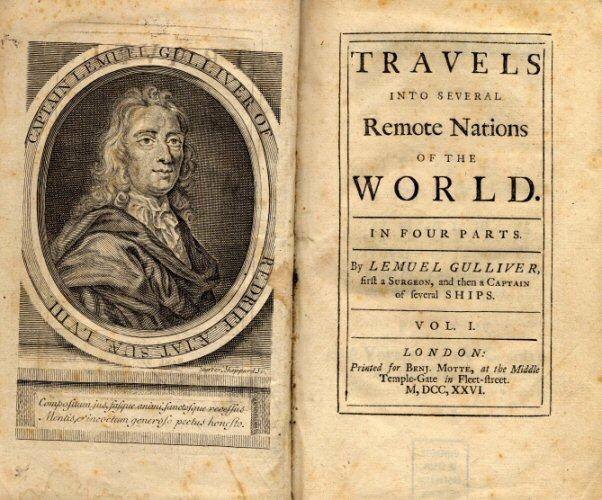
However, his greatest work, Gulliver’s Travels, was yet to come, being published in 1726…. It was originally entitled Travels Into Several Remote Nations of the World and was written under the pseudonym of ‘Lemuel Gulliver, First a Surgeon, and then a Captain of Several Ships’…. The prose satire was an immediate success – and was to go on to become one of our classics of English literature…. It is often thought of as being a children’s book but is actually a sophisticated satire of human nature and was based on Swift’s own life experiences….
First edition of Gulliver’s Travels – Public domain
Swift died on the 19th of October 1745 – and was buried in St. Patrick’s Cathedral, Dublin – where he had served as Dean from 1713-1745….
Swift at the Deanery, St. Patrick’s – illustration from 1905 Temple Scott edition of ‘Works’ – Public domain
On this day in history : 3rd October 1916 – The birth of James Alfred Wight – better known by his pen-name James Herriot and the author of the much loved All Creatures Great and Small….
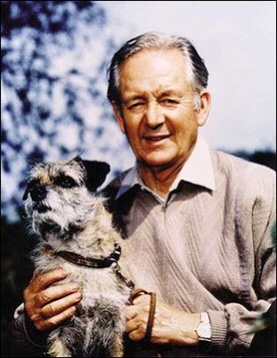
James Alfred ‘Alf’ Wight – James Herriot – Fair use
James ‘Alf’ Wight was born in Sunderland and while he was still a young child the family moved to Glasgow…. After graduating Glasgow Veterinary College at the age of 23 he briefly worked at a practice in Sunderland before moving to a rural practice in the town of Thirsk, Yorkshire….
In 1941 James married Joan Danbury and they were to have two children, Jim and Rosie…. He joined the Royal Airforce in 1942 but was discharged after being declared unfit to fly following a surgical operation…. He and Joan then lived with her parents for a while before returning to Thirsk in 1946….
The original practice at 23 Kirkgate, Thirsk – Image credit : Peter K Burian – own work – CC BY-SA 4.0
James had always had a desire to write but his busy schedule as a veterinary surgeon meant there was never enough time…. It was his wife who managed to persuade him, once he had turned 50, to put pen to paper…. He wrote several stories which were rejected by publishers – and then he wrote All Creatures Great and Small…. It was followed by If Only They Could Talk, which was published in 1970…. Sales were slow – but then both books were published as one volume in the United States, under the title All Creatures Great and Small and became a massive success on both sides of the Atlantic…. A sequel of books followed, as did two films – All Creatures Great and Small in 1975 and It Shouldn’t Happen to a Vet in 1976…. And then came the hugely popular television series….
The BBC series All Creatures Great and Small ran from 1978 – 1980 and then again a sequel 1988 – 1990…. In all a total of 90 episodes were made – with the characters played by Christopher Timothy (as James), Robert Hardy, Peter Davison, Mary Hignett, Carol Drinkwater and later Lynda Bellingham….
The cast of All Creatures Great and Small (TV series) – Fair use
In 1977 James and his family moved to the small village of Thirlby, about four miles from Thirsk…. Such was the popularity of All Creatures Great and Small – and with so many fans now visiting Thirsk – a move was required to gain a little more privacy….
James was awarded with an OBE in 1979….and in 1989 he retired from veterinary work, passing his practice on to his son Jim, who had also qualified as a vet…. His daughter, Rosie, became a GP doctor….
In 1991 James was diagnosed with prostate cancer…. He died on the 23rd of February 1995….
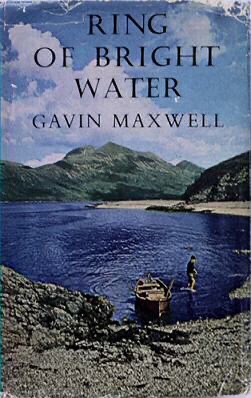
On this day in history : 5th September 1969 – The death of Scottish naturalist and writer Gavin Maxwell, author of Ring of Bright Water….the story of the otter he brought back from Iraq and raised in Scotland….
Gavin Maxwell c.1950 – Fair use
Maxwell was born into Scottish aristocracy – at The House of Elrig, near Port William, South Western Scotland…. He was the son of Lieutenant-Colonel Aymer Maxwell and Lady Mary Percy…. His maternal grandfather was the 7th Duke of Northumberland and his paternal grandfather was Sir Herbert Maxwell, 7th Baronet and a natural historian, archaeologist and politician….
The ‘House of Elrig’ – Photo credit : Les Dunford CC BY-SA 2.0
Maxwell had a public school education and from an early age had an interest in natural history…. Giving in to pressure from his family he attended Hertford College, Oxford, where he obtained a degree in estate management….
During World War 2 Maxwell was an instructor with the secret organisation ‘Special Operations Executive’ – he was invalided out in 1944 having reached the rank of Major…. After the War be bought the Isle of Soay, off of Skye and began to pursue his real passion in life, natural history….
In 1956 Maxwell travelled to Iraq, where he was to explore the reed marshes of Southern Iraq with explorer Wilfred Thesiger…. Maxwell had always had a desire to have an otter as a pet and whilst in Iraq he managed to obtain one…. However, sadly it was to die shortly after; Maxwell was devastated…. It was as he was preparing to return to England that Thesiger managed to find another one for him – a smooth coated otter, very dark in colour and about 6 weeks old…. Maxwell named him Mijbil and returned home to Scotland with him….
Maxwell and Mij settled into a new home, ‘Sandaig’, in the Glenreig Community, a remote part of mainland Scotland…. The property had originally been a small holding for the lighthouse keeper of the Sandraig Lighthouse…. It was here at Sandraig that Maxwell raised Mij – although in his books he calls his home ‘Camusfearna’ – ‘the bay of alders’….
Mij seemed different to other otters and when Maxwell presented him to the London Zoological Society they confirmed that he was a previously unknown sub-species…. And so he was named Lutrogale perspicillatra maxwell – ‘Maxwell’s otter’…. Although Maxwell was to keep several other otters Mij became the focus of his life…. The title for his book ‘Ring of Bright Water’, which was first published in 1960, came from a poem by Kathleen Raine…. In 1969 a film of the same name, based loosely on Maxwell’s book, was released starring Virginia McKenna and Bill Travers….
Cover of first edition – Fair use
The relationship between Maxwell and Raine was complicated…. She was infatuated with him – and was to describe him as ‘the love of her life’…. Only she was to be left frustrated by his homosexuality…. They had a close friendship – but this was to deteriorate through her indirectly causing the death of Mij…. I wont spoil the story if you have not read the book – but it was a sad state of affairs…. The best-seller is both heart warming and a tear jerker…. It is described as a literacy masterpiece but at the same time it has a dark side…. Nowadays we have a different view about keeping wild animals and raising them as pets….
In February 1962 Maxwell married Lavinia Renton but not surprisingly this marriage ended within less than a year – they divorced in 1964…. The house at Sandraig was destroyed by fire in 1968 and Maxwell moved into the lighthouse keepers’ cottages situated on an island between Skye and the mainland…. He was to die of lung cancer the following year….
Statue of Maxwell’s otter at Montreith by Penny Wheatley – Photo credit : Roger Nunn CC BY-SA 2.0
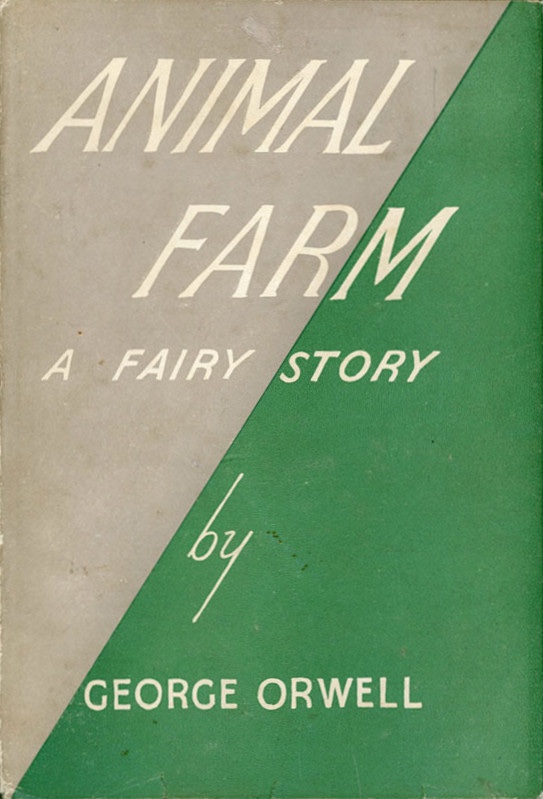
On this day in history : 17th August 1945 – George Orwell’s ‘Animal Farm’ – the book which tells the story of a group of farm animals who rebel against their human farmer – is first published….
First edition cover – Public domain
Orwell was a democratic socialist and a critic of Stalin…. He claimed the story reflected the events which had led up to the Russian Revolution of 1917…. In his essay ‘Why I Write’ in 1946, he stated that Animal Farm was the first book in which he had attempted to ‘fuse political purposes and artistic purpose into one whole’….
Following his experiences during the Spanish Civil War Orwell had written ‘Homage to Catalonia’ in 1938 – but it did not sell well and he decided fiction was the best way to get his message across…. He saw Stalinism as ‘corruption of original socialist ideals’ – he wanted to expose and condemn Stalin’s methods….
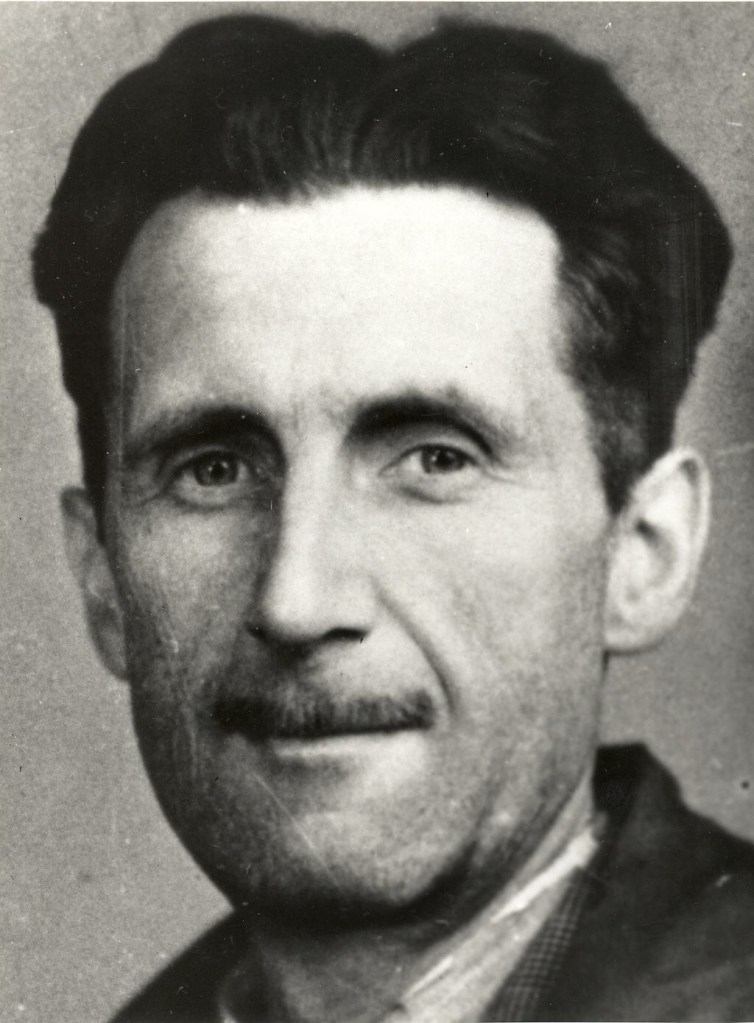
George Orwell – Public domain
Animal Farm was written between November 1943 and February 1944 – at the time when the UK was in a wartime alliance with Russia against Nazi Germany…. The British held Stalin in high esteem and Orwell hated this…. His book was initially rejected by UK and US publishers – but became a success as the relationship with Russia moved towards the Cold War….
The original title had been ‘Animal Farm : A Fairy Story’ but US publishers dropped the second part of the title when they published it in 1946….
On this day in history : 28th July 1866 – The birth of Beatrix Potter – the creator of much loved characters such as Peter Rabbit…. But there was so much more to this favourite children’s author….
Beatrix Potter, 1913 – Public domain
Born Helen Beatrix in South Kensington, London, she was the daughter of lawyer Rupert Potter and his wife Helen…. Beatrix had a somewhat lonely childhood; she was educated at home by governesses and hardly ever mixed with other children apart from her little brother, Walter Bertram, who arrived in 1872….
Both Beatrix and Walter loved animals and had many pets, including mice, frogs, snakes, lizards, bats, a hedgehog and rabbits….two of which were called Peter Piper and Benjamin Bouncer….
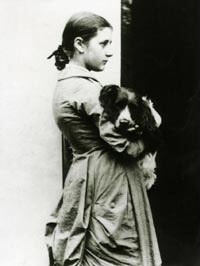
Beatrix Potter, aged 15, with her spaniel ‘Spot’ – Public domain
The family spent long holidays in the countryside each year…. During her younger years Beatrix’s parents would rent a house in Scotland for three months and then later, when she was 16, they began to rent Wray Castle, near to Ambleside in the Lake District…. It was here that Beatrix was to become acquainted with the vicar of Wray, Hardwick Rawnsley, who was to become a founding member of the National Trust…. It was his love of the countryside that was to inspire her….
Beatrix continued to study wildlife and botany – and she was invited to study fungi at the Royal Botanical Gardens in Kew…. With the encouragement of Scottish naturalist Charles McIntosh she became an accomplished scientific illustrator…. In 1896 Beatrix wrote a paper – ‘On the Germination of the Spores of Argaricinae’ – which was her own theory on the reproduction of fungi spores…. However, her paper was rejected by the director of the Royal Botanical Gardens, mainly because she was a woman…. But a year later a fungi expert at Kew presented her paper, on her behalf, to the Linnean Society of London…. Her work was never published but she is now accepted as being a major contributor to the research of mycology….
Beatrix Potter – ‘Reproductive System of Hygrocybe coccinea’ 1897 – Armitt Museum and Library – Public domain
Beatrix’s own personal artistic and literacy choices were influenced by her love of fantasy and fairy tales…. By her teen years she had become a regular visitor to art galleries in London…. During the 1890s she and her brother began to produce and print Christmas cards and other greetings cards…. Appealing animals such as mice and rabbits featured heavily…. Printing company Hildesheimer & Faulkner bought her illustrations of Benjamin Bunny….
The last of Beatrix’s governesses, Annie Moore, was only three years older than her and so was more of a companion – they were to become life long friends…. Annie was to have eight children and Beatrix would send them delightful illustrated letters from her holidays…. Tales about four little rabbits – Flopsy, Mopsy, Cottontail and Peter…. It was Annie who suggested these would make wonderful children’s books….
Peter feasts on Mr McGregor’s vegetables – Public domain
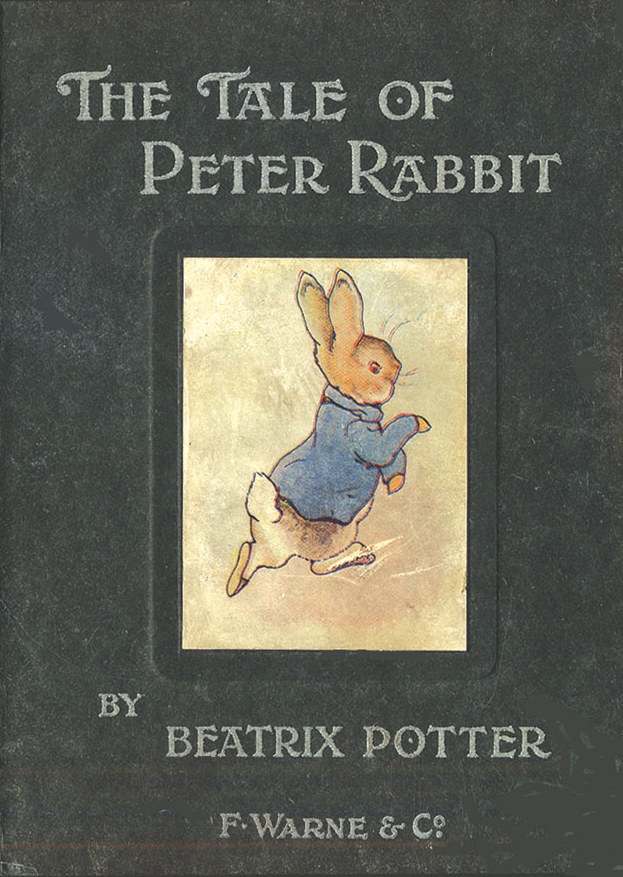
In 1900 Beatrix edited her stories and looked for a publisher – unsuccessfully…. Undeterred she had her book published at her own expense in December 1901 – she gave copies of her book, with its black and white illustrations, to family and friends as gifts…. Hardwick Rawnsley, having faith in her book, took it to the publishing houses himself…. Although previously rejected by Frederick Warne & Co. – and who had now decided they wanted to get into the children’s literature market – the book was accepted…. Beatrix added colour to her illustrations and on the 2nd of October 1902 ‘The Tale of Peter Rabbit’ was published and became an instant success…. The next year it was followed by ‘The Tale of Squirrel Nutkin’ and ‘The Tailor of Gloucester’…. In all Beatrix wrote 23 such children’s tales….
First edition, 1902 – Public domain
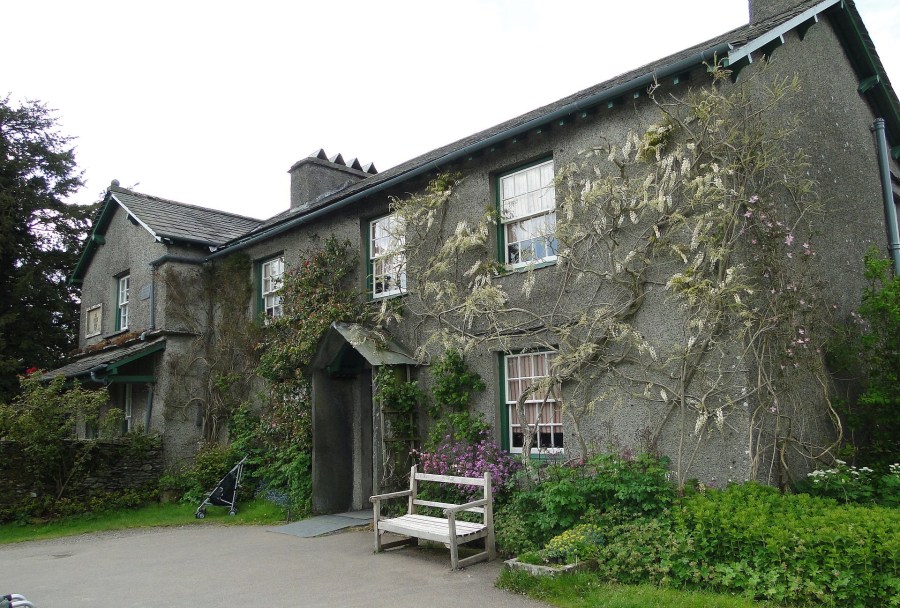
With the proceeds of her books and the help of an inheritance from an aunt, in 1905 Beatrix bought Hill Top Farm near to Sawrey in the Lake District – a 17th century house with a 34 acre working farm…. The existing tenant farmer and his family agreed to carry on managing the farm whilst Beatrix learned how to raise livestock…. In the beginning she had cows, pigs and chickens….and then she added sheep….
Hill Top, near Sawrey – Image credit : Richerman – own work CC BY-SA 3.0
Beatrix then bought another neighbouring farm, ‘Castle Farm’ – using the services of a local solicitors firm – W.H. Heelis & Son…. Beatrix gained more than just a farm; on the 15th of October 1913 she and William Heelis were married in London…. They moved into the newly renovated farmhouse on Castle Farm…. ‘The Tale of Jemima Puddle Duck’ and ‘The Tale of Tom Kitten’ are a reflection of this happy time in her life….
First edition – Public domain
In 1923 Beatrix bought Troutbeck Park Farm, a large sheep farm in the Troutbeck Valley…. She restored it with thousands of Herdwick sheep, a breed she had become enamoured with…. Beatrix was to become one of the main Herdwick sheep breeders in the Lake District…. In 1942 she became President-elect of the Herdwick Sheepbreeders’ Association – but sadly did not live long enough to take office….
Beatrix was to buy a total of 16 farms and was very much a ‘hands-on’ farmer herself – helping with hay making, bringing in thee sheep – or whatever else needed doing…. She continued her conservation and preservation of fell-farming work throughout the hardship years of World War 2 – but before the War had ended, on the 22nd of December 1943 she was to die from heart disease complicated by pneumonia….
Beatrix left the farms and some 4,000 acres of land, cottages, cattle and Herdwick sheep to the National Trust…. She also left to the Trust nearly all the original illustrations of her books…. Hill Top Farm was opened to the public in 1946 and her artwork was displayed there until 1985…. It was then moved to Wiliam’s former solicitor’s offices in Hawkshead – which had also been left to the National Trust…. This is now the Beatrix Potter Gallery….
Peter and Benjamin gather onions for Mrs Rabbit – Public domainBeatrix Potter, 1912 – Public domain