The restoration and living in of an English country cottage
Author: cottagecapers
Hi, I'm Hazel....
I write purely for pleasure; I love to delve in history, customs, traditions and nature....or whatever else grabs my attention at the time....
I am in no way an expert on what I choose to write about - I simply love to find out about things.... Whilst I always endeavour to get the facts right - occasionally I may get things wrong.... I guess you could call this my disclaimer....
I hope you enjoy reading my blog posts.... If so please give me a follow on Twitter or sign up via email for future posts.... If you are on Facebook Cottage Capers has a page with lots of ‘mini blogs’ and snippets.... It’s where we ‘like-minded’ folk can interact.... Hope to meet you again soon....
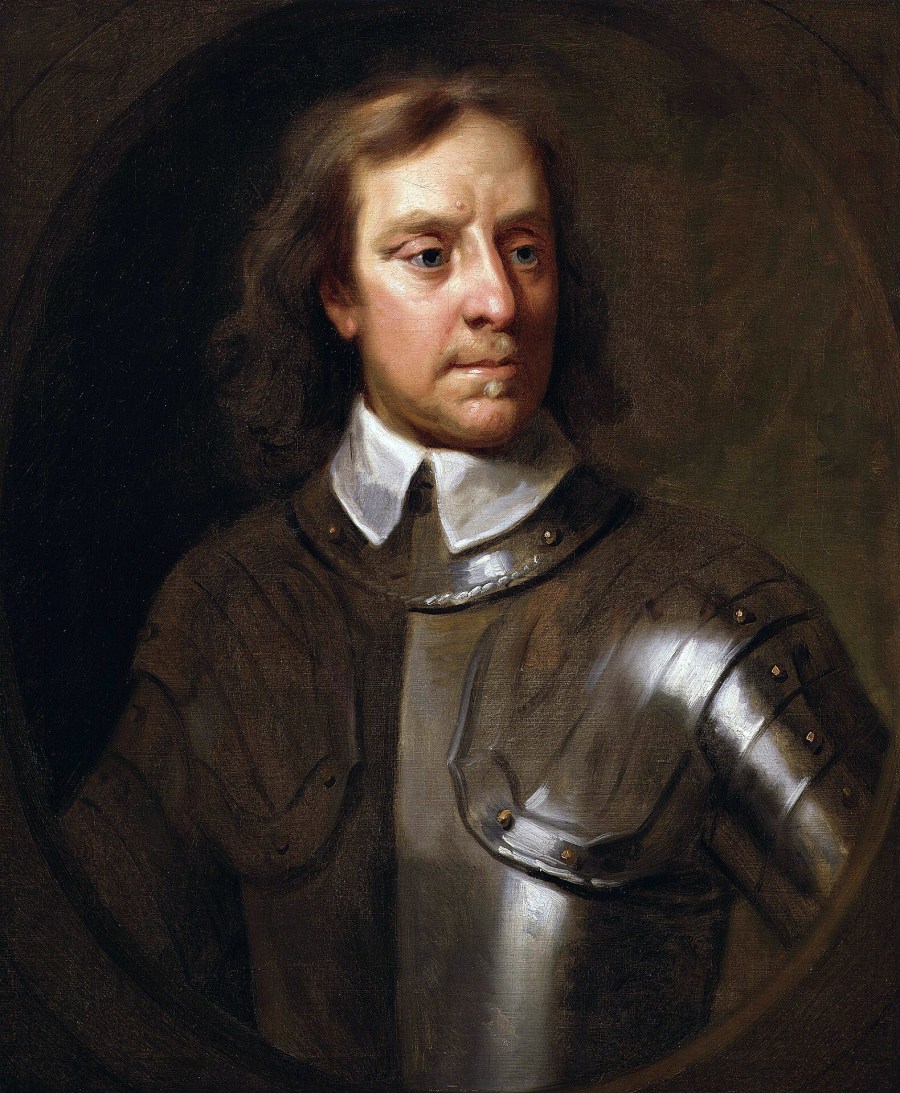
On this day in history : 11th September 1649 – Oliver Cromwell captures Drogheda, Ireland; his troops massacre nearly 3,500 people – some 2,700 of which are Royalist soldiers….
Oliver Cromwell – after Samuel Cooper – Public domain
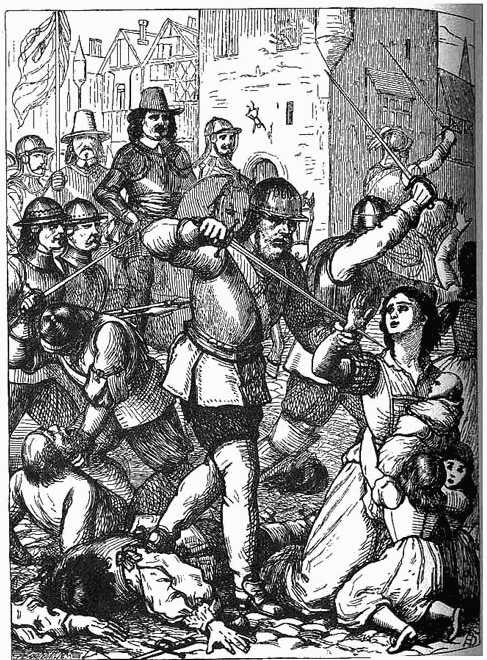
The Siege of Drogheda took place from the 3rd to the 11th of September…. The coastal town had been held by the English Royalists and Irish Catholic Confederation under the command of Sir Arthur Aston….as it was besieged by Cromwell’s Parliamentarian forces Aston refused to surrender – and so the town was stormed….
Most of the garrison were executed – along with many civilian men, including priests…. Cromwell was also accused of having Irish Catholics transported to the West Indies as slaves and of giving their land to Protestant settlers….
19th Century representation of the massacre at Drogheda – Henry Edward Doyle – Public domain
On this day in history : 10th September 1897 – George Smith, a 25-year-old London taxi driver, is the first person to be charged with the offence of drink driving….
On Friday the 10th of September at 12.45am George had crashed his cab into a building in New Bond Street…. He pleaded guilty and admitted to having consumed 2 or 3 glasses of beer…. He was fined £1….
Example of an electric car, photo from 1895 – This particular car was built by Thomas Parker – and would have been similar to the one George Smith was driving – Public domain
Drink driving laws did not actually come into force in the UK until 1967…. The Road Traffic Act of 1960 made it an offence to drive or attempt to drive, or be in charge of a motor vehicle on the road or in a public place, whilst under the influence – but no legal drink-driving limit was set….
In 1967 the Breathalyser was introduced – a way of testing the blood alcohol level…. William Ducie and Tom Parry Jones developed an electronic device – and the Road Safety Act 1967 introduced the first legal maximum blood alcohol level for those behind the wheel…. In 1981 the Transport Act set this at 35 micro grams of alcohol per 100ml of breath – but this was not officially implemented until 1983…. In 1991 it became a compulsory prison sentence if causing a death by driving whilst under the influence….
Image : Pixabay
It has been over 50 years since the drink-driving alcohol limit was introduced…. Many of us believe a no alcohol policy if behind the wheel is preferable…. In 2017 around 1,400 people were killed or injured due to drivers being over the limit…. Despite the drink-driving campaign over 70,000 drunk drivers are caught every year…. How many more go undetected…?
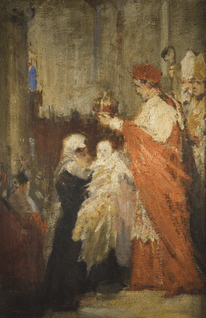
On this day in history : 9th September 1543 – Mary Stuart is crowned Queen of Scots at the age of just nine months…. She had become Queen when she was less than a week old….
The Coronation of Mary Queen of Scots – Image credit : teaattrianon.blogspot.com
The ceremony was conducted by Scotland’s most senior Catholic cleric, Cardinal David Beaton, Archbishop of St.Andrews – and took place in the Chapel Royal of Stirling Castle…. Mary had officially become Queen when she was six days old, after the death of her father, James V of Scots…. Mary’s mother, Mary of Guise, ruled as regent – aided by Cardinal Beaton….
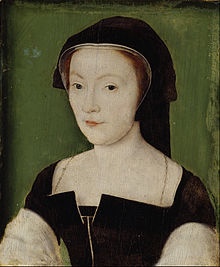
Mary of Guise, portrait attributed to Corneille de Lyon c.1537 – Public domain
Mary of Guise came from one of the most powerful of aristocratic families in France…. As a Roman Catholic she was faced with the rising tide of Protestantism in Scotland – and was also under pressure from the English throne to force a marriage between her baby daughter and the young heir to the English throne, Edward Tudor…. Mary Guise had no intention of allowing such a union and when little Mary was 5-years-old she was sent to live with her French grandmother, Antoinette of Guise…. Mary was brought up in the French court as a Catholic with French as her first language….
Mary Queen of Scots – Photo credit : Lisby via Flickr
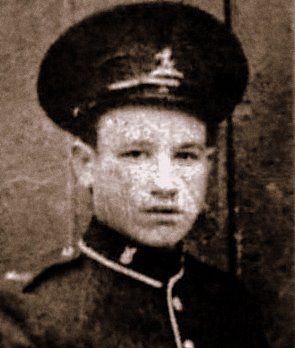
On this day in history : 8th September 1914 – Nineteen-year-old Private Thomas Highgate is the first British soldier to be executed for desertion during World War I….
Private Thomas Highgate – image via Pinterest
Three days earlier, on the first day of the Battle of Marne, Thomas had been found hiding in a barn, dressed in civilian clothing – his nerves having got the better of him…. Thomas had fled from the battlefield and had hidden in a barn in the French village of Tournan; he was discovered by a gamekeeper – who happened to be an English ex-soldier….
Thomas was tried by court martial – a brief trial presided over by three officers…. The following morning at 6.20am he was informed that he was going to be executed; at 7.07am he faced the firing squad….
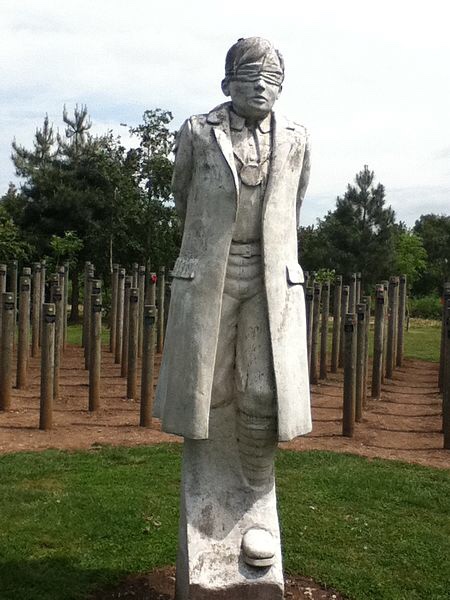
In total 306 executions of British and Commonwealth soldiers took place in World War I – for ‘crimes’ such as cowardice and desertion….
The National Memorial Arboretum – ‘Shot at Dawn’ – Photo credit : Matthew Rogers CC BY SA 3.0
On this day in history : 7th September 1838 – Grace Darling, a lighthouse keeper’s daughter, assists her father in a daring rescue mission off the coast of Northumberland – which makes her a heroine….
Grace Darling – Portrait by Thomas Musgrave Joy – Public domain
During the evening of the 7th of September a terrible storm raged and 22-year-old Grace was watching it from an upper window of the Longstone Lighthouse…. Suddenly she spotted the wreck of the Forfarshire, a paddle steamer travelling from Hull to Dundee, which had struck rocks and had completely split into two….
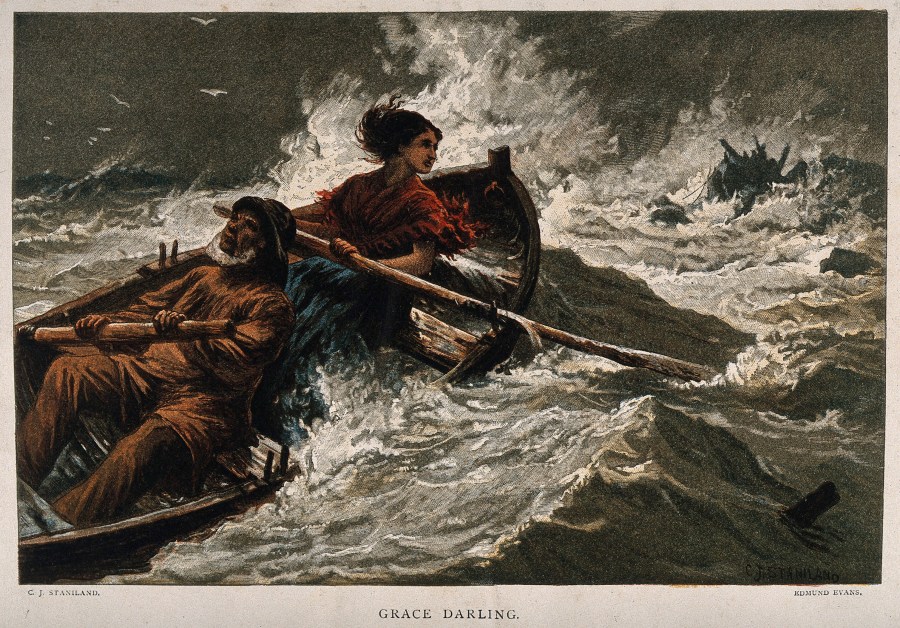
Grace was one of nine children but on this particular fateful night all of her siblings were away and only she and her parents were home…. Deciding it would be too dangerous for the lifeboat from the nearby village of Seahouses to attempt the rescue Grace and her father headed out in their own small boat to help the survivors…. With the weather so rough they were forced to keep to the more sheltered side of the islands, meaning they had a further distance of nearly a mile to row….
Grace Darling rowing out to sea in a furious storm. Colour wood engraving by E.Evans after C.J.Staniland. Credit : The Wellcome Collection CC BY
The Forfarshire had been carrying around 40 passengers and with the crew there was a total of 63 on board…. As the ship split in two the stern half sank, drowning all but 12 and a further few who managed to make it into a lifeboat…. The front end of the vessel remained stuck on the rocks; 5 crew members and 7 passengers clung to the wreckage….but managed to climb on to the slippery rocks as the tide went down…. Three of the passengers, the Reverend John Robbery and two children, died of exposure….their mother, Sarah Dawson, was clinging to her dead children when Grace and her father arrived….
Grace Darling at the Forfarshire – by Thomas Musgrave Joy – Public domain
Grace held the small boat steady as her father helped Sarah Dawson and four men on board – they then rowed back to the lighthouse…. Grace’s father and three other men then returned to the wreck to rescue the four remaining survivors…. Those who had managed to make it to the lifeboat were picked up by a passing ship the following morning….
Grace was honoured with the Royal National Lifeboat Institution’s Silver Medal for Gallantry and the Gold Medal of the Royal Humane Society….and she also received a £50 reward from Queen Victoria….






 Cottage Capers