On this day in history….6th September 1651

On this day in history : 6th September 1651 – After the defeat of his Royalist Army, by Cromwell’s Parliamentarians at the Battle of Worcester, King Charles II spends the day hiding in an oak tree….

img_3819
Charles II circa 1653 – Philippe de Champaigne – Public domain

The Battle of Worcester, which took place on the 3rd of September 1651, was the final battle of the English Civil War…. Oliver Cromwell’s 28,000 strong New Model Army far out-numbered the King’s 16,000 men…. Around 3,000 lost their lives and a further 10,000 were taken prisoner; however, King Charles and other important Royalists managed to escape….

img_3818
Oliver Cromwell at the Battle of Worcester – Published by Machell Stace CC BY-SA 2.5

Charles and his companions sought shelter at the safe houses of the White Ladies Priory and Boscobel House (both in Shropshire)…. After a failed attempt to cross the River Severn, dressed as woodsmen, King Charles and his men were forced to return to their safe houses…. However, it was deemed theses hiding places were no longer safe and it was suggested King Charles hide in an oak tree within the grounds of Boscobel House….

J900312
English Heritage – Public domain

And so, this is what he did…. From his vantage point he could see the progress – or rather the non-progress – of the Parliamentary soldiers searching for him…. He later made his escape posing as the servant of Jane Lane of Bentley….
On this day in history….5th September 1946

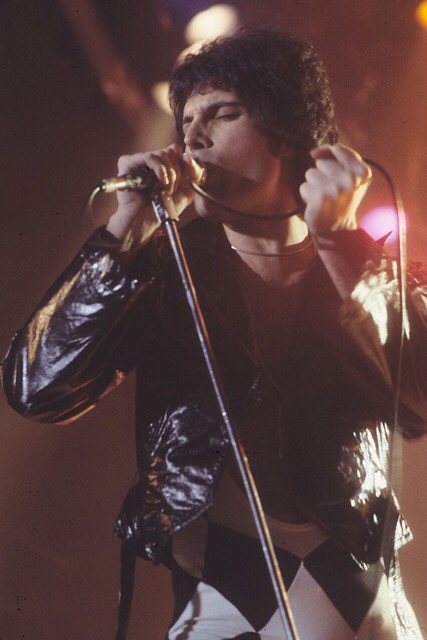
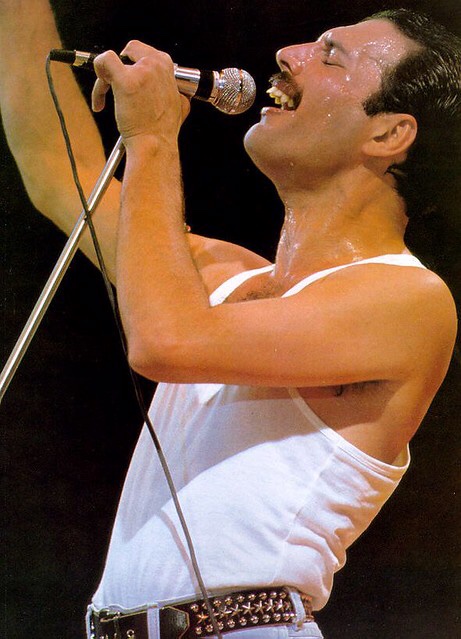
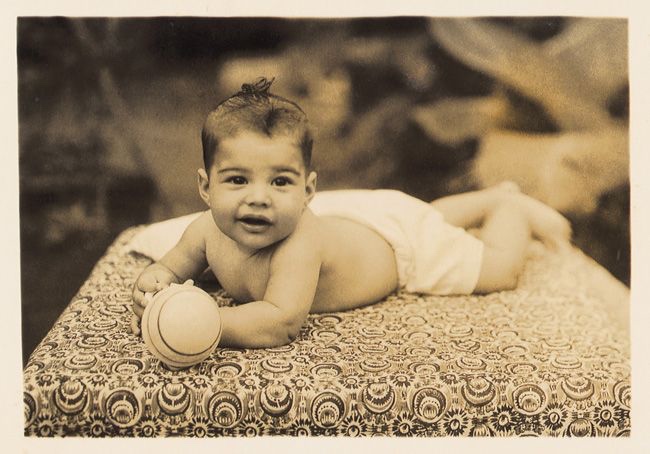
On this day in history : 5th September 1946 – The birth of one of our most well-loved musicians, Freddie Mercury…. He was born Farrokh Bulsara in Stone Town, Zanzibar, which is now part of Tanzania….

img_3817
Via Pinterest

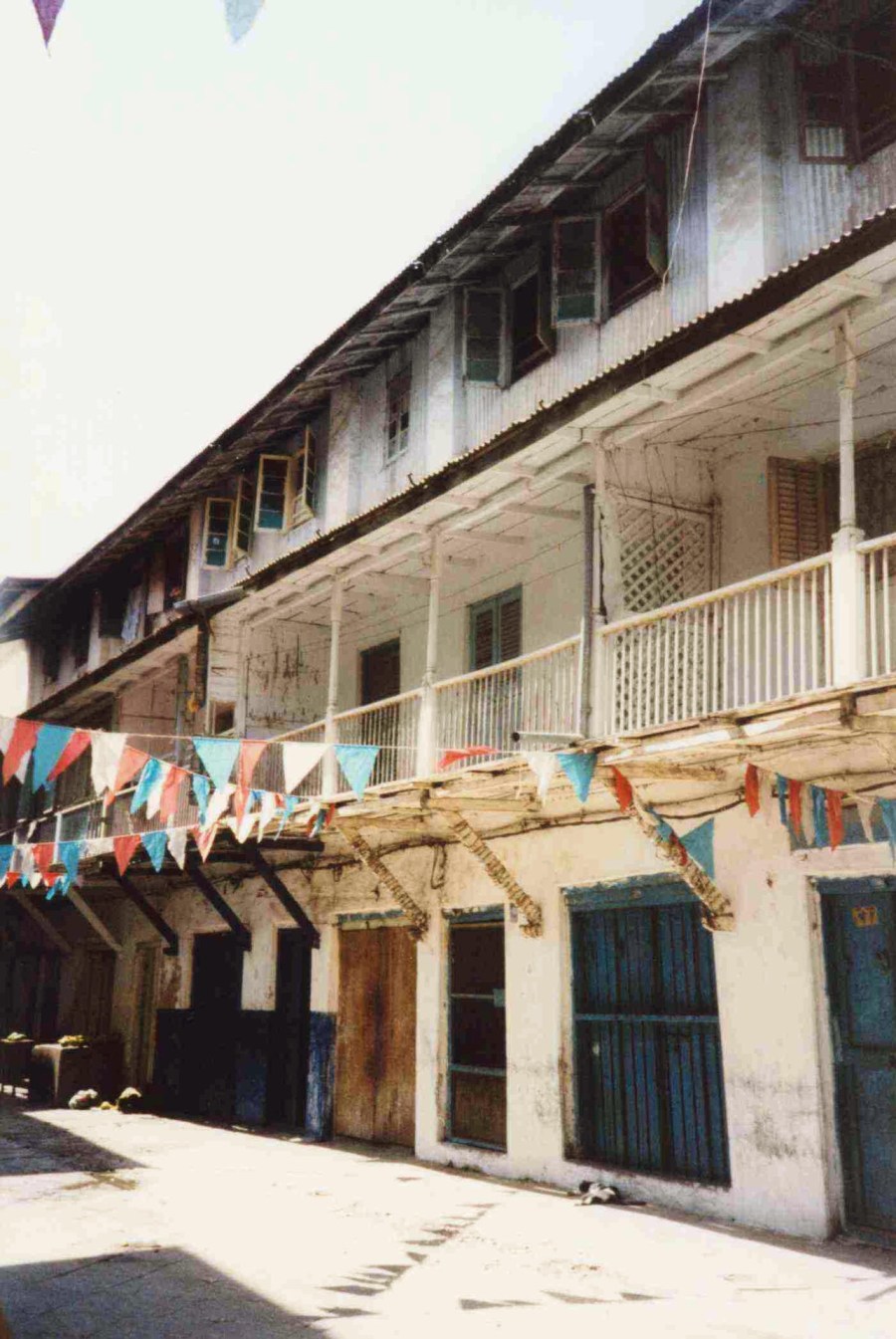
Freddie was born a British citizen but spent much of his childhood in India; he began to learn to play the piano at the age of 7…. In 1964 the Bulsara family fled Zanzibar due to the revolution and came to live in England – at 22, Gladstone Avenue, Feltham, Middlesex….

img_3813
The house in Zanzibar where Freddie lived during his childhood – Image credit : Moongateclimber CC BY-SA 3.0

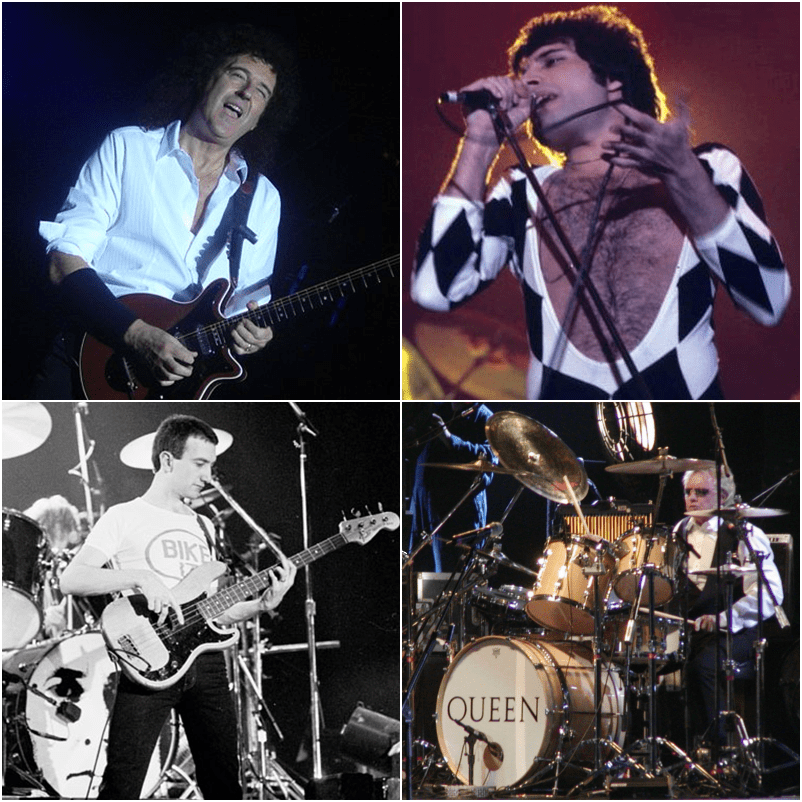
Freddie studied art at Isleworth Polytechnic, West London and went on to earn a diploma in Art and Graphic Design at Ealing Art College…. After graduating he had a variety of jobs, including selling second-hand clothing at Kensington Market and working as a baggage handler at Heathrow Airport…. He also joined several bands but it was in April 1970 that he teamed up with Brian May and Roger Taylor (and they were joined by bassist John Deacon in 1971)…. It was also around this time that he changed his name to Freddie Mercury….

img_3815
Compilation by KPFC – CC BY-SA 4.0
img_3811
Image credit : Carl Lender via Flickr
img_3812
Image credit : Kentarotakizawa via Flickr
img_3814
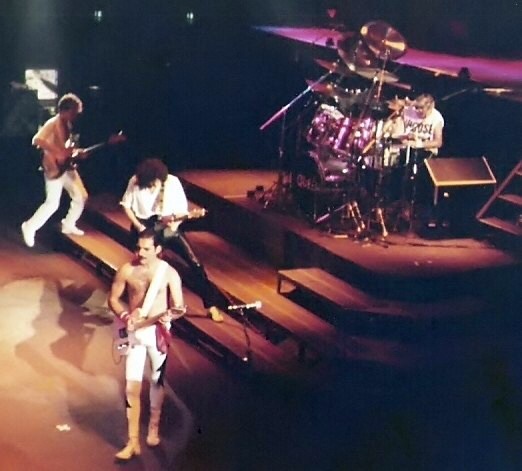
Queen, Frankfurt, Germany, 1984 – Image credit : Thomas Steffan CC BY-SA 3.0

On this day in history….4th September 1939

On this day in history : 4th September 1939 – The first 200 Citizen’s Advice Bureau establishments open across Britain – the day after the outbreak of World War 2….

The Government had begun to consider the need for an information service in 1935…. By 1938 World War 2 was looming, so the National Council of Social Services formed a group to study and understand how to meet the needs of the civilian population during war time…. Their recommendations being :- “Citizen Advice Bureaux should be established throughout the country, particularly in the large cities and industrial areas where social disorganisation may be acute”….

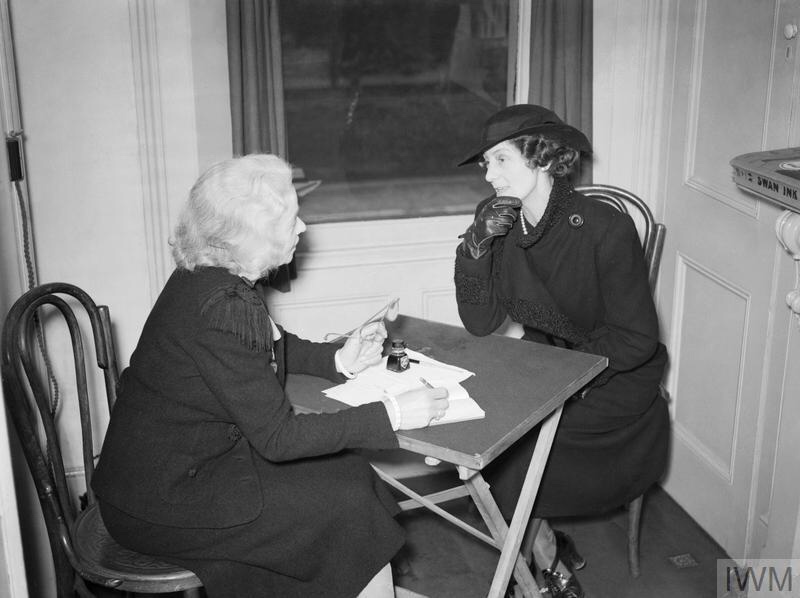
THE WORK OF THE CITIZENS' ADVICE BUREAU, ELDON HOUSE, CROYDON, ENGLAND, 1940
THE WORK OF THE CITIZENS’ ADVICE BUREAU, ELDON HOUSE, CROYDON, ENGLAND, 1940 (D 522) A widow of a civil servant seeks advice about her delayed pension from volunteer Mrs Wraight at the Citizens’ Advice Bureau in Croydon. Mrs Wraight was one of 12 volunteers working at the bureau at this time. Copyright: � IWM. Original Source: http://www.iwm.org.uk/collections/item/object/205197564

On the 3rd of September 1939 World War 2 was declared; the following day the first 200 Citizen’s Advice Bureaux opened…. Initially volunteers ran the service from private houses or sometimes public buildings – dealing with problems such as lost ration books, evacuation and homelessness….

On this day in history….3rd September 1935

On this day in history : 3rd September 1935 – Sir Malcolm Campbell breaks his own land speed record by reaching 304.331 miles per hour on the Bonneville salt flats in Utah….

Sir Malcolm Campbell – Public domain

This record made Campbell the first to drive an automobile over 300mph – and it was the ninth time he had topped his own land speed record…. He had first set a record of 146.6mph eleven years before at Pennine Sands in Wales – and in 1932 had reached over 250mph…. On the 7th of March 1935 he topped 275mph – just six months before his record at the Bonneville salt flats…. All of his cars were named ‘Bluebird’….

Campbell also set four water speed records, topping at just under 142mph…. His son, Donald, was to follow in his tracks….becoming the first to reach 400mph…. Only to be killed in an accident in 1967….

On this day in history….2nd September 1666

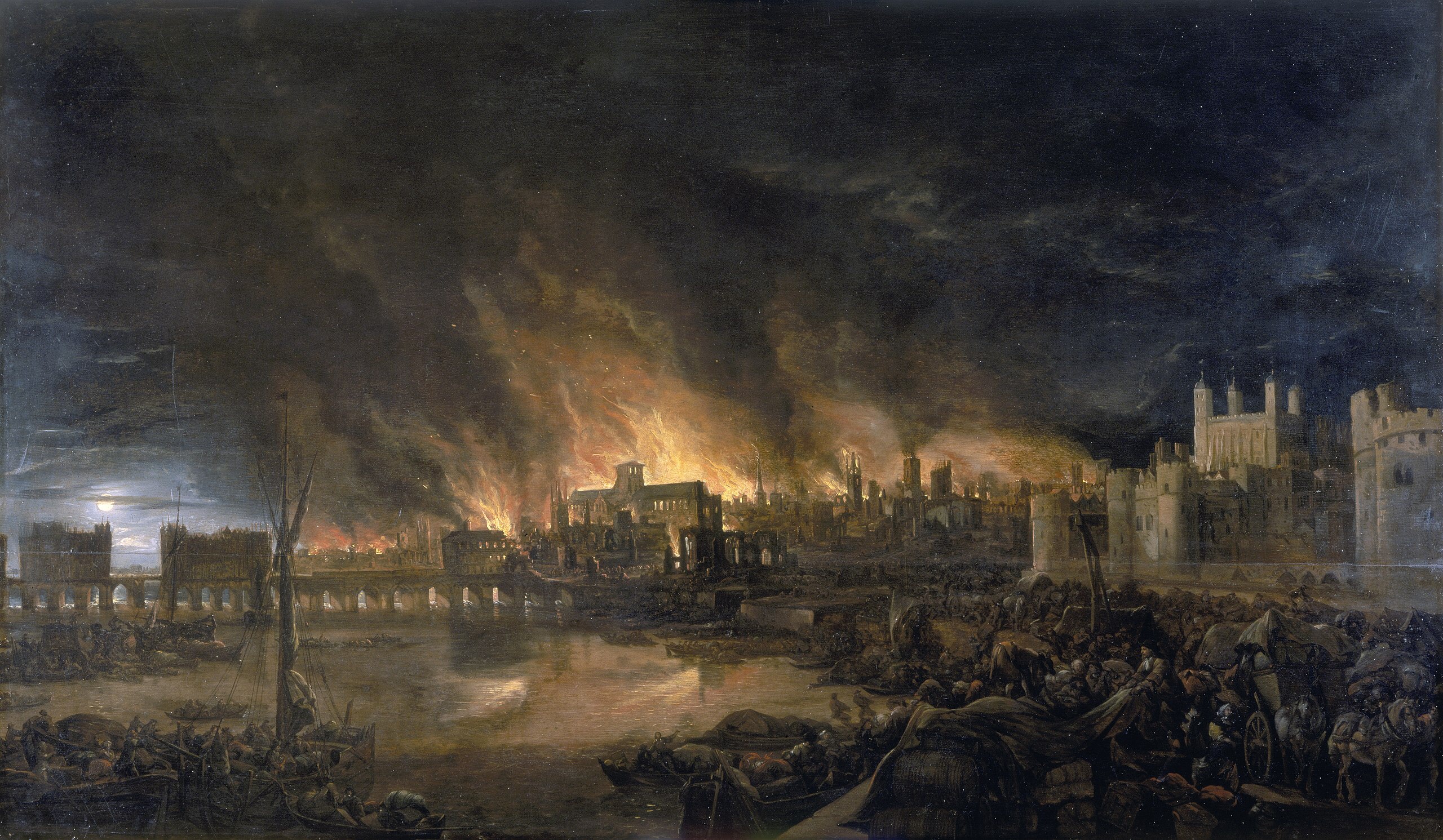
On this day in history : 2nd September 1666 – The Great Fire of London starts in a baker’s shop in Pudding Lane…. The fire blazes for four days and destroys over 13,000 buildings….

img_3796
Unknown artist – Public domain

The fire started in the bakery of Thomas Farriner, shortly after midnight and rapidly spread across the old medieval city – the flames fanned by a strong easterly wind…. Fires were commonplace at the time and were usually quickly put out – but it had been a very hot summer and there had been no rain for weeks and the old timber and thatched roofs of the buildings were very dry and provided a ready fuel….

The main fire fighting technique of the time was to demolish buildings to create firebreaks…. However, hesitation by the Lord Mayor of the time, Thomas Bloodworth, who said -“Pish! A woman might piss it out!”- meant by the time demolition commenced it was too late to be effective….

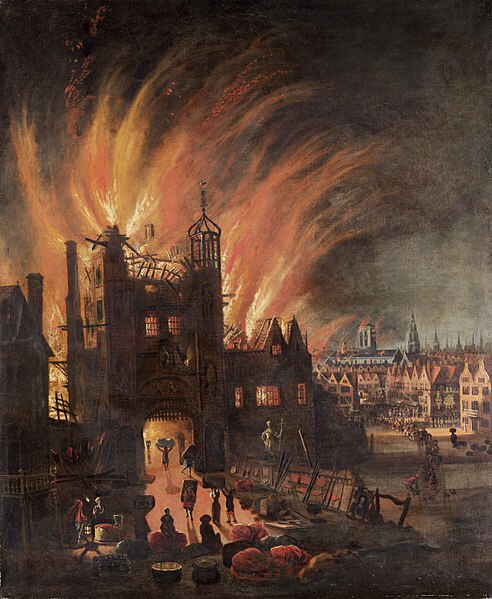
img_3797
Ludgate and old St Paul’s – Unknown artist – Public domain

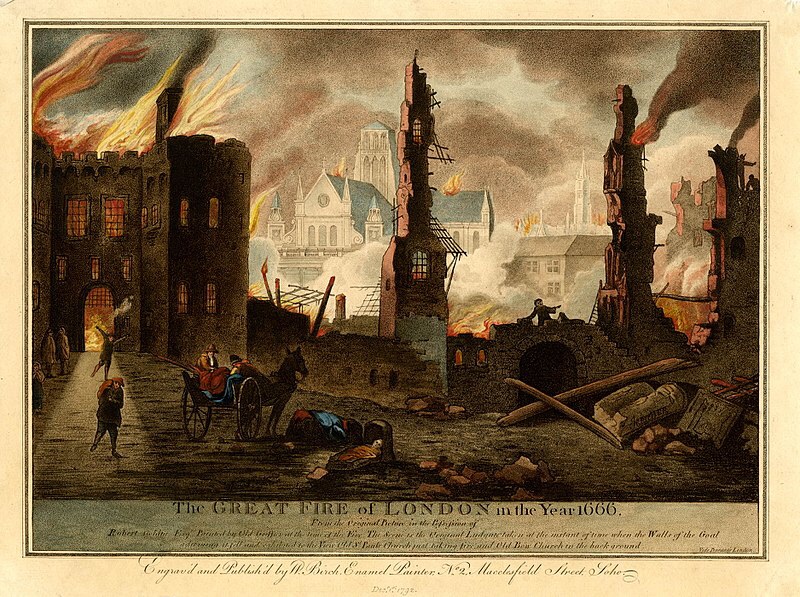
As a last resort gunpowder was used to blow up houses in the path of the fire to create a larger firebreak – which in turn started rumours circulating that the French were invading! By the time the fire had finally been put out only a fifth of the old city was left standing…. 13,200 houses had been destroyed, 87 churches, St. Paul’s Cathedral and most of the city authorities buildings…. Out of 80,000 inhabitants living in the city at the time it is estimated around 70,000 were made homeless…. Surprisingly the death toll, although officially unknown, is not thought to have been particularly high – only six deaths were recorded at the time…. However, it could be argued this figure is irrelevant and the true number may well have been much higher than believed, as deaths of the poor were not usually reported…. Such was the intensity of the heat many of the remains would have been cremated beyond recognition of even being human….

img_3798
William Russell Birch – Public domain