On this day in history….13th March 1770

On this day in history : 13th March 1770 – The birth of Daniel Lambert – who was to become the heaviest man in England…. He was larger than life in both size and personality….

Daniel Lambert by Benjamin Marshall c.1805 – Public domain

Daniel was born in Blue Boar Lane, Leicester….into a country family of gamekeepers, huntsmen, animal breeders and field sportsmen…. He was a healthy, active boy and a strong, keen swimmer…. He taught many of his childhood companions to swim in the River Soar and continued to teach children to swim for most of his life…. Daniel was also fond of horse riding and enjoyed hunting, fishing and shooting – he also bred hunting dogs….

In 1788 he began to assist his father, who was the gaol keeper at Leicester’s House of Correction, for minor offenders…. At the age of 21 Daniel took over from his father and soon gained a reputation of being fair to the inmates and looking out for their welfare…. He brought about many improvements to the prison….

However, by the time he reached the age of 32 he had ballooned to a huge 32 stone…. As he claimed to be neither a big eater or drinker he blamed his sedentary lifestyle as a gaoler and spent much of his free time exercising and gaining strength…. He was indeed extremely strong and could lift extraordinarily heavy weights….

There is a story involving a bear, which if it is true demonstrates his impressive strength…. He had been watching a dancing bear, which was being displayed near to his home, when his dog slipped its lead and snapped at the bear…. Not surprisingly the bear retaliated and knocked the dog to the ground…. Daniel requested that the bear’s owner restrain it so he could retrieve his dog – but the owner’s response was to remove the muzzle from the bear so it could attack Daniel’s dog…. To which Daniel reacted to by reportedly punching the bear in the head, felling it, to allow his dog to escape….

Daniel was not restricted by his weight, he remained fit and active, was never ill, not even suffering from colds…. He kept up his hunting; although he was forced to give up horse riding he still continued to keep a pack of some 30 terriers…. However, eventually questions began to be asked, as his weight steadily increased, as to whether he still had the ability to continue as a gaoler…. As it was, times were changing – traditional gaols were being replaced by forced labour – and in 1805 Leicester’s House of Correction closed…. Daniel was unemployed….

Being the size he was Daniel found it impossible to find employment…. By this time word had got around about this enormous man and people were curious…. Visitors started to arrive, making up excuses to see him…. Daniel was sensitive about his weight – but he needed to earn money…. He began to form an idea….

Travelling to London, in a purposely built coach, he took up residence at 53 Piccadilly…. Here for 5 hours a day he received visitors at a shilling a time…. It did not take long for his popularity to soar…. With his interests and knowledge of hunting, animals and related sports he had much in common with the middle and upper classes – it became quite the ‘in thing’ to visit him….and there were those who made many repeat visits…. Obesity did not carry the same stigma that it so often does today – he was respected and admired…. His business was a huge success, he would often receive up to 400 visitors a day…. He became rather famous, a life style wax work of him was displayed in London and proved to be extremely popular….
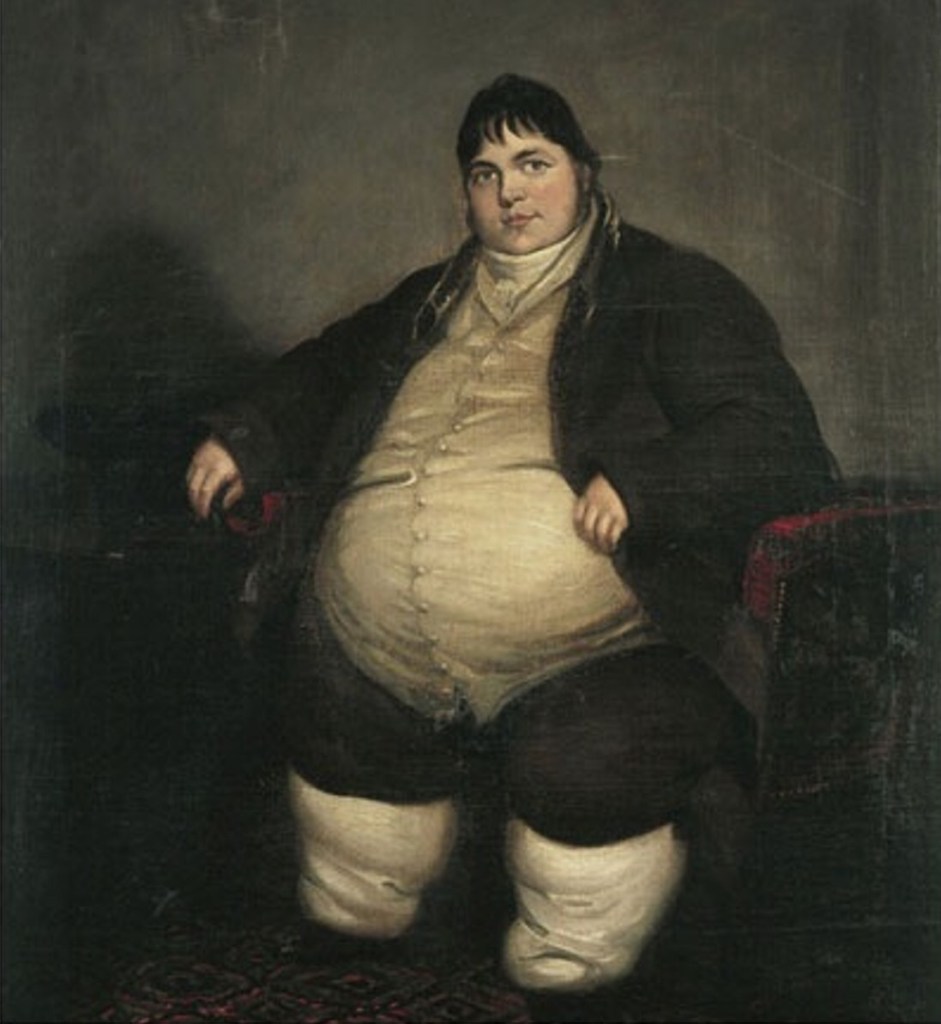
Daniel Lambert during his first exhibition in London – Public domain

The medical profession became interested in him and carried out examinations…. They found him to be in full functioning order; he was active and mentally alert, with no health problems…. He ate only a normal amount and slept an average of 8 hours….

In September 1806 Daniel returned to Leicester a wealthy man…. To keep his finances topped up he would do the occasional tour exhibiting himself in places such as Birmingham, Coventry and York…. His last such tour was to be of East Anglia, ending at Stamford so he could attend the races…. On the 20th of June 1809, no longer able to climb stairs, he took lodgings on the ground floor at the Waggon and Horses Inn on the High Street…. He admitted to feeling tired but rose the next morning at his usual time and nothing seemed amiss…. As he began to shave he complained of having breathing difficulties…. Ten minutes later he collapsed and died – as there was no post mortem the exact cause of his death is unknown….

His body quickly began to deteriorate so it was necessary for a speedy burial – there was certainly no time to take him home to Leicester…. An elm coffin was hastily made – a massive 6ft 4in long, 4ft 4in wide and 2ft 4in deep – to take his 5ft 11in tall body with a waist measurement of over 9ft around…. His coffin had to be built on wheels in order to move it and a wall of Daniel’s lodgings had to be demolished in order to facilitate it…. It took 20 men to lower the coffin into the grave in the churchyard of St. Martin’s Church, St. Martins….

His headstone, which was erected by his friends in Leicester, reads….

In remembrance of that prodigy in nature

Daniel Lambert a native of Leicester

Who was possessed of an exalted and convivial mind and,

In personal greatness had no competitor

He measured three feet one inch around the leg and

Weighed fifty two stone and eleven pounds

He departed this life on the 21st June 1809

Aged 39 years
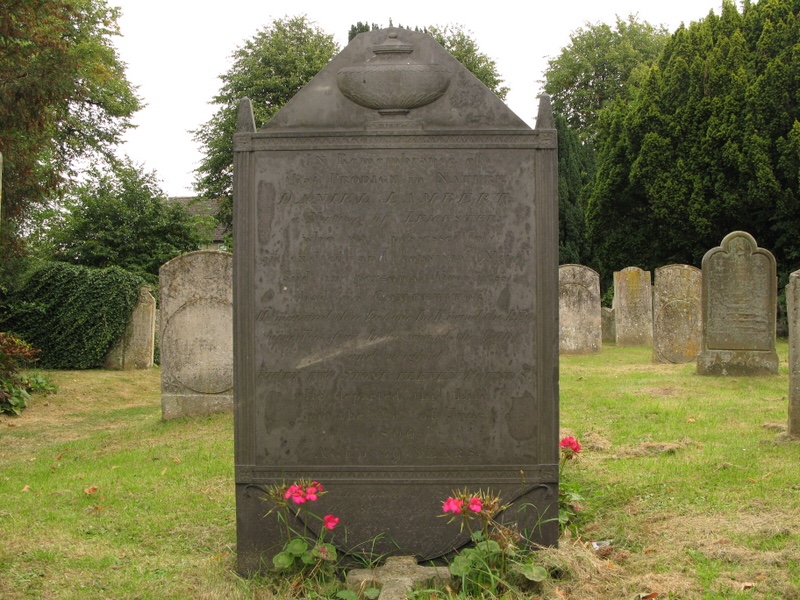
Daniel Lambert’s grave – Image : Dave via Flickr CC BY-SA 2.0

On this day in history….12th March 1832

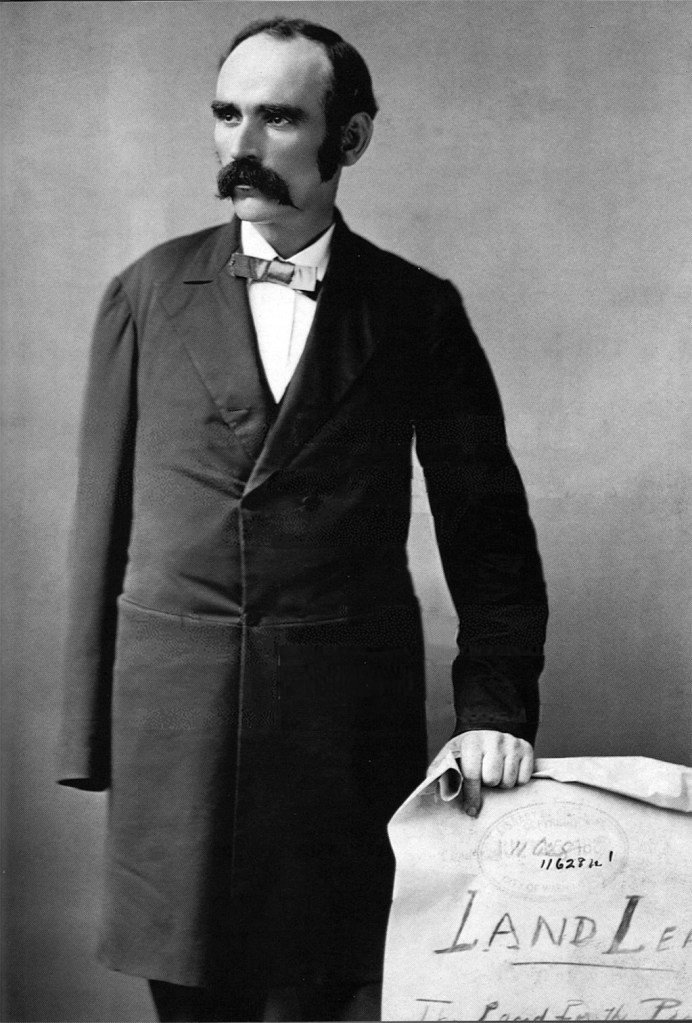
On this day in history : 12th March 1832 – The birth of Charles Boycott, the English landowner hated so much in his Irish community that his name became the verb ‘to boycott’….

Caricature of Charles Boycott by Spy (Leslie Ward) Vanity Fair Magazine – Public domain

Charles Cunningham Boycott was born in Burgh St. Peter, Norfolk, to the Reverend William Boycott and his wife Georgina…. Boycott attended boarding school in Blackheath, London before joining the Royal Military Academy in Woolwich…. However, after failing an exam in 1849 he was discharged…. Boycott really wanted a military career – so his family bought him a commission in the 39th Foot regiment at the costly price of £450….

The regiment transferred to Ireland and it was here that he met and married Anne Dunne in 1852…. Following an illness he sold his army commission and decided to settle in Ireland, leasing a farm in County Tipperary….

He received a couple of inheritances which helped to ‘set him up’ – on the island of Achill, off the coast of County Mayo….

The former house of Charles Boycott on Achill island…. The house has since been modernised and renovated …. Image credit : Night of the Big Wind – own work – CC BY-SA 3.0nl

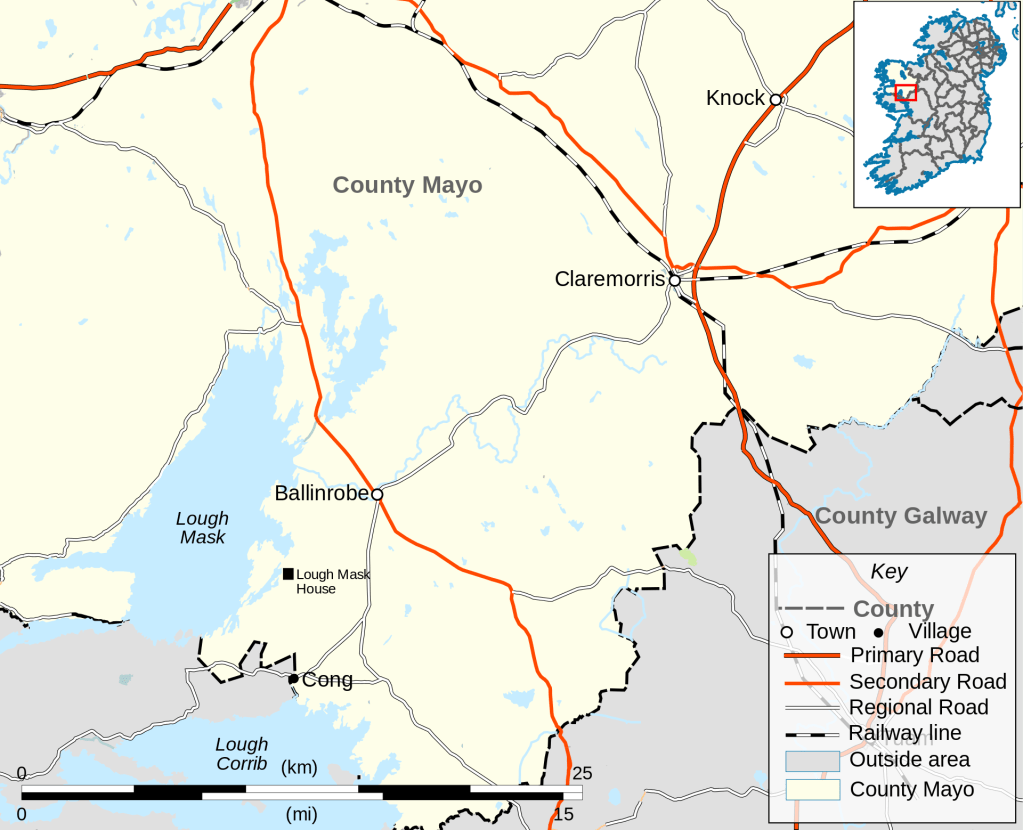
Then in 1873 he received an offer from Lord Eme to become agent for some 1,500 acres of land he owned…. Lord Eme was an extremely wealthy landowner in the area…. Boycott moved to Lough Mask House, around 4 miles from Ballinrobe, County Mayo and situated on a 629 acre farm which he leased from Lord Eme…. The farm came with a yard, stables, a ruined castle, two islands and a boat house…. He employed labourers to work his farm and collected rent, on which he received 10% commission, from the 35 tenant farmers on Lord Eme’s surrounding land….

Map of the area around Lough Mask CC BY 2.0

Boycott was unpopular with the tenant farmers…. Being English would not have gone in his favour – but the tenants also complained that he enforced petty rules and regulations…. He would fine anyone who left a gate open or allowed chickens to stray on to his farm…. He also withdrew certain privileges, such as collecting firewood….

In 1876 the UK government commissioned a survey in to land ownership in Ireland and found that most of the richest land owners were non-resident and hired agents like Boycott…. Tenant farmers usually had a one year lease but could be evicted at any time…. Farming being the main industry in Ireland at the time meant smaller farms often worked for the larger ones and those who did not own land invariably worked as agricultural labourers…. During the 1850s tenant farmers began forming associations, demanding fair rents, fixity of tenure and free sale – the three ‘F’s….

The problems for Boycott began in 1879…. After a downturn in Irish agriculture starvation was never far away…. The Irish Land League was formed, led by Charles Stewart Parnell and Michael Davitt, both advocates of Home Rule….

In 1880 they told Boycott his rents had to be reduced by 25% – but he was having none of it….. The Irish League encouraged his labourers and farmers to go on strike — and they began a campaign of isolation against him in the local community…… They refused to speak to him or even sit near him in Church…. Ultimately with no one to work his land for him his crop failed….. He had to leave the island in disgrace – and hence his name became the term for isolating someone or something in order to force change….

On this day in history….11th March 1864

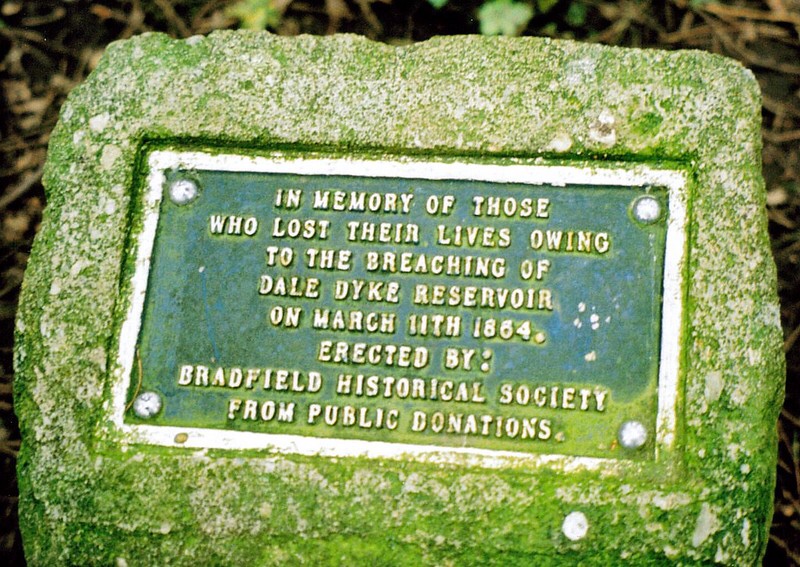
On this day in history : 11th March 1864 – The Great Sheffield Flood devastates parts of Sheffield, when the Dale Dyke Dam collapses – claiming the lives of over 240 people….

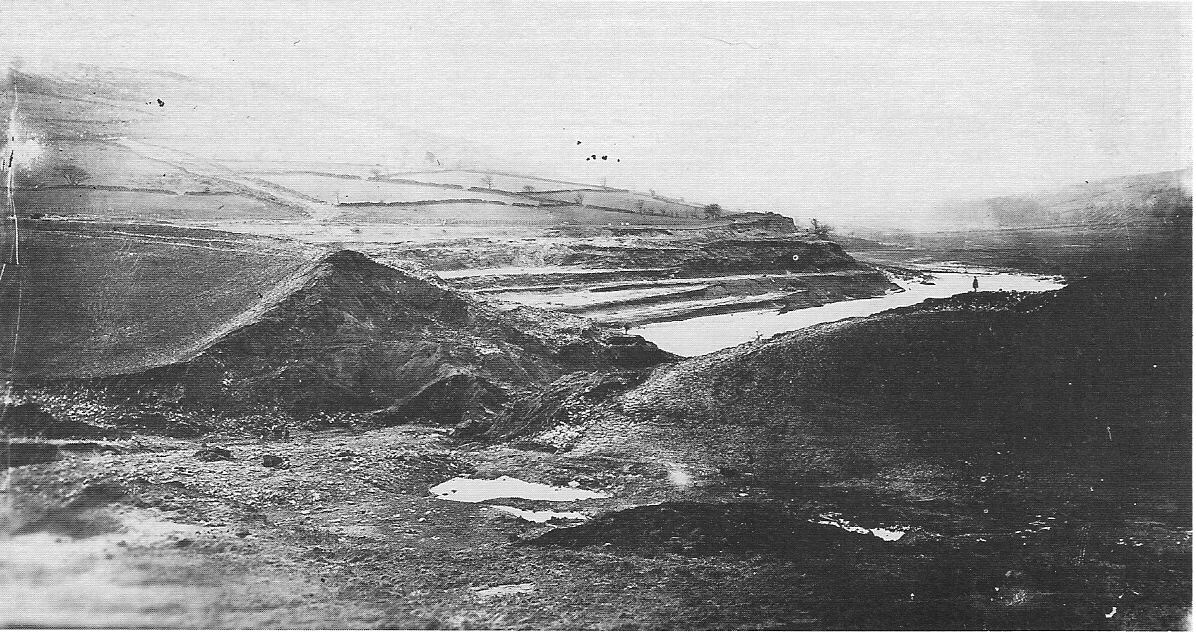
Remains of the old Dale Dyke reservoir embankment shortly following its collapse – Public domain

It was as people slept in their beds, at just before midnight, that a raging torrent of water smashed into their homes…. Most were killed instantly as their houses were washed away…. 700 million gallons of water had swept down the Loxley and Don Valleys from the gigantic reservoir at Bradfield….

The Bradfield Reservoir had only recently been completed…. Built by the Sheffield Waterworks Company between 1859 and 1864 it had been constructed to supply the mills located across the Loxley Valley and to supply water to the city of Sheffield, about 8 miles away…. The population of Sheffield had grown rapidly in the previous 60 years, from 45,478 in 1801 to 185,157 in 1861 – so more water was desperately needed…. The water in the reservoir, which was 90ft deep in places, was held back by the Dale Dyke Dam….

Sheffield in 1832 – Public domain

The reservoir was being filled for the first time…. Around 5.30pm on the evening of the 11th William Horsefield, a quarrymen, noticed a small crack in the embankment and he reported it to local workmen…. By 7pm the crack had opened up to about an inch or so and word was sent to alert the dam’s engineer, John Gunson…. He arrived at the site just after 10pm – and thinking that he could relieve the pressure proceeded to blow-up the waste water weir…. However, in less than two hours the dam had breached….

In just over three-quarters of an hour the reservoir had emptied…. Water cascaded down the hillside at nearly 20mph….it was impossible to warn people in the valley below…. Settlements at Loxley, Bradfield, Little Matlock, Main Bridge, Damflask and countless of others were swept clean away – as were the mills and farms between them…. More than 5,000 dwellings and businesses were lost….

When it reached Sheffield the water rose to as much as 4ft deep…. Of those killed – which was at least 228 but could have been as many as 280 – the youngest was just two days old….

The following days saw a succession of onlookers wanting to see the devastation – with extra trains being laid on to bring the sightseers…. Hot chestnuts were sold on the roadside! A relief fund was set up to which Queen Victoria personally donated £200….

The dam was rebuilt in 1875….

The Clob stone (Centre Line of Old Bank) marking the location of the original breached dam wall…. The new one was built 2,000ft (600m) up the valley…. Image : Mick Knapton – own work – CC BY-SA 3.0

The government faced more than 7,000 compensation claims totalling over £450,000…. A government inspector’s report found the dam’s collapse to be the fault of John Gunson and another named John Leather…. The verdict at the inquiry cited a ‘lack of engineering skill and construction of the works’…. However, a study conducted in the 1980s, over 100 years after the tragedy, found the exact cause was down to problems with the water tight barrier in the embankment….

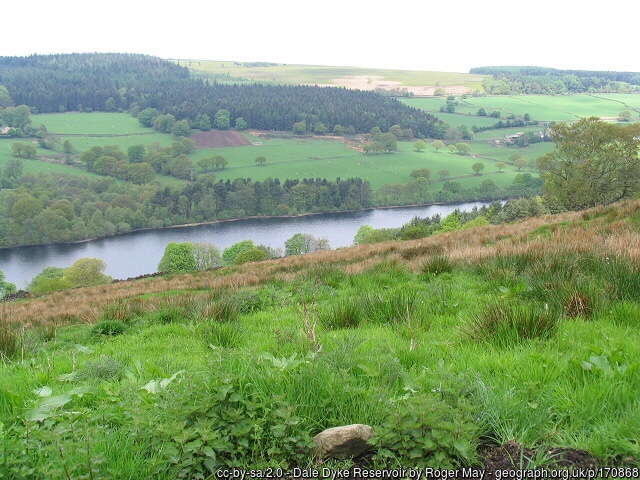
Image : Diego Sideburns via Flickr
Dale Dyke Reservoir

On this day in history….10th March 1769

On this day in history : 10th March 1769 – The birth of the eccentric businessman and philanthropist Joseph Williamson – best known for the construction of the Williamson Tunnels underneath Liverpool….

Image : SomeDriftwood via Flickr

Born in the West Riding of Yorkshire, Williamson was the son of a glassmaker…. While he was still very young his family moved to Warrington and then in 1780, at the age of 11 he went to work for Richard Tate at his tobacco and snuff company…. He worked hard and did well, working his way up through the business – eventually also starting his own venture with partner Joseph Leigh….

Richard Tate died in 1787, leaving the business to his son, Thomas Moss Tate…. Williamson married Richard’s daughter, Elizabeth, in 1802 – and the following year bought the Tate business from Thomas…. He was set to become a very, very wealthy man….

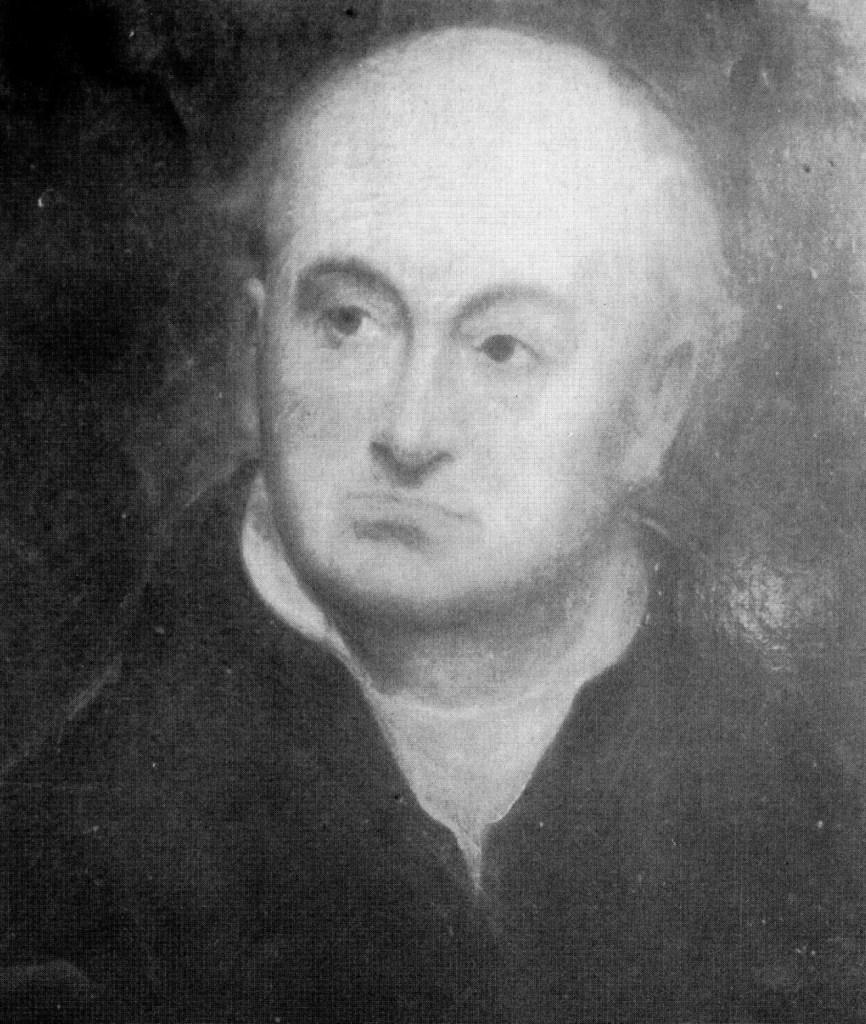
Joseph Williamson – Public domain

In 1805 he bought a large area of Edge Hill, Liverpool – a part known as Long Broom Hill, on Mason Street and moved into a mansion house there…. It was an underdeveloped part of Liverpool at the time, little more than a sandstone hill…. He began to build grand, elaborate houses, eccentric in style ‘of the strangest description’…. It is thought he wished to attract Liverpool’s wealthy to live in the area….

His construction project provided much needed employment…. Labour work was scarce at the end of the Napoleonic Wars, so the work he created would have been welcomed…. When the buildings were complete he turned his attention to transforming the land around them into gardens, involving structures of elaborate brick arches, as the ground at the back of the properties dropped sharply away…. In fact some of the work he created seemed to have very little point….Then at some stage he came up with the idea of a vast labyrinth of underground tunnels beneath the houses he had built…. A network of tunnels and chambers, some enormous in size, others much smaller, all beautifully constructed and brick-arched – at varying depths in the sandstone…. But nobody knew why he was building them….

Williamson retired from his business in 1818 and after Elizabeth’s death in 1822 he became even more eccentric and devoted most of his time to his tunnels…. He died at his home in Mason Street in 1840, aged 71…. He left no known descendants – and in his passing he took with him his reason for the tunnels – and so construction of them ceased…. Gradually they became forgotten; some were destroyed, being a nuisance for drainage and other underground works…. Most were filled in, chiefly with refuse and rubble from future development works….

However, in in 1989 the Joseph Williamson Society was formed and in the late 1990s excavation work began…. A proportion of Williamson’s Tunnels are now accessible, guided tours into what is know as the South Tunnel and the Double Tunnel are given and exhibits of artefacts found in the excavation are shown…. The discoveries have been extensive – bottles, plates, crockery, signs, pipes, even military equipment have all been found- dating to Georgian and Victorian times….

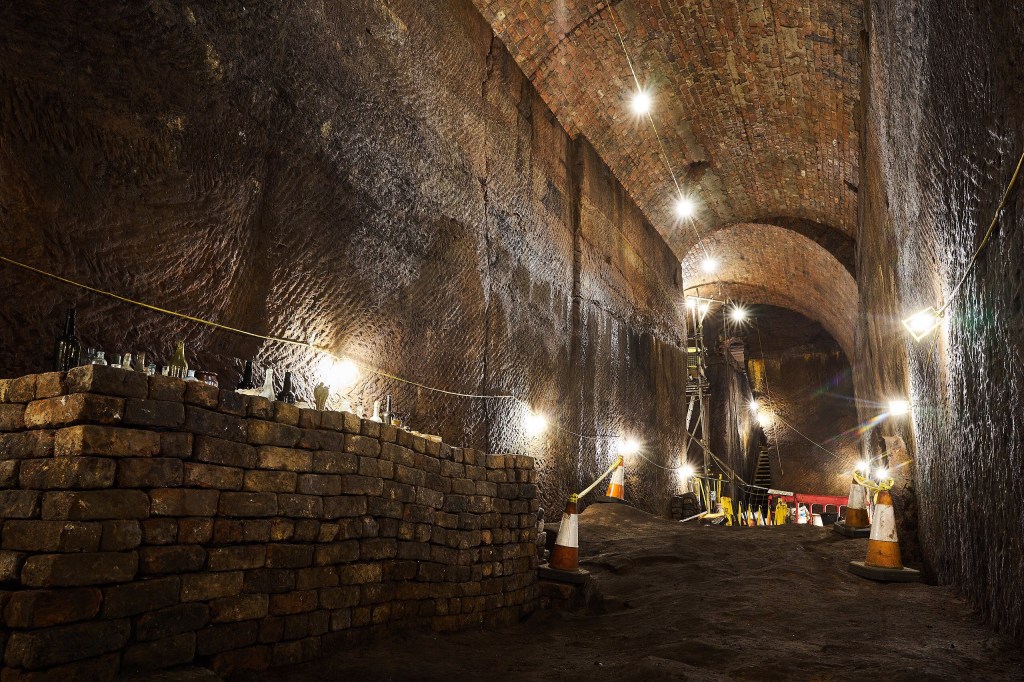
The full extent of the tunnels and vaults remaining to be discovered is still unknown, many are still blocked by rubble and are waiting to be unearthed…. One of the largest vaults to be found so far is the ‘Banqueting Hall’, which is around 80ft long and up to 27ft high – but waiting to be rediscovered is the ‘Great Tunnel’ – which is even larger…. The tunnels, which are now also a unique venue for live music and events, have become an important tourist attraction…. But still nobody knows what they were originally intended for….and there has been much speculation….

The ‘Banqueting Hall’, April 2019 – Kyle J May – own work CC BY-SA 4.0

Was Williamson trying to build an underground city? It was not long after the Napoleonic Wars – did he fear an invasion and wanted a safe place for the people of Liverpool? Or, on the same train of thought, could it have been a shelter in case of the Apocalypse? During these times predictions that ‘the end of the world is nigh’ were commonplace…. Many people remark that the tunnels have a ‘cathedral-like’ quality…. Perhaps this was his aim, to build an underground place of worship…. Or was he looking for buried treasure? Such as pirates’ hoards – or had he heard the tales of the Knights Templar passing through Liverpool on their way to Scotland? Was he looking for the Holy Grail? Maybe he was suffering from some kind of obsessive compulsive disorder….

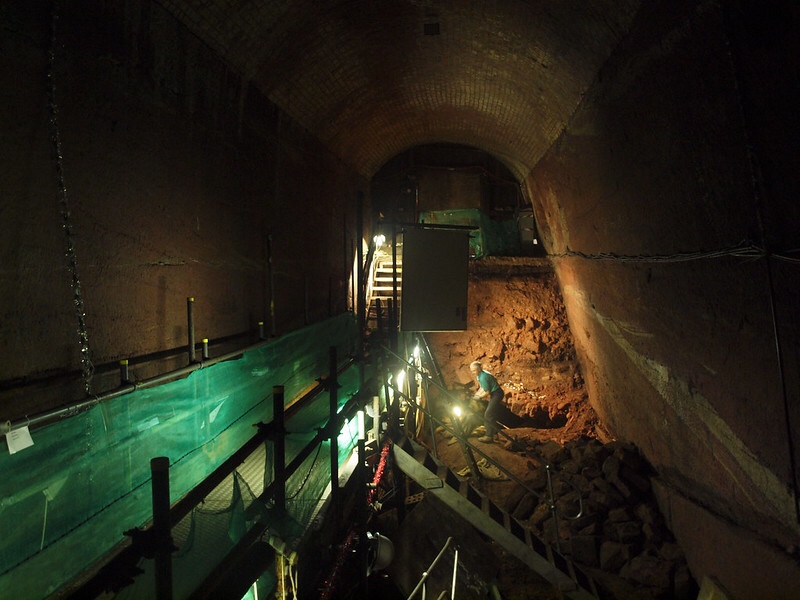
Volunteers digging in a newly discovered section of tunnel, May 2019 – Image : CaptainBiscuitBread – own work – CC BY-SA 4.0

But perhaps the most plausible reason is that he was simply creating employment to help the local economy…. To give work to the poor, so they could earn a weekly wage, without feeling they were depending on charity and so retaining their self-respect…. Nearly half of the male working population in the area had some involvement in the construction of the tunnels at some time or other…. For many the new skills they learned helped them to find work in the new up and coming railway construction projects…. Perhaps Williamson’s Tunnels were just philanthropy at its best….

Tunneller – Own work – CC BY-SA 3.0

On this day in history….9th March 1566

On this day in history : 9th March 1566 – David Rizzio, private secretary to Mary Queen of Scots, is murdered at the Palace of Holyroodhouse, Edinburgh – in front of the Queen….

17th Century portrait, said to be of David Rizzio – Public domain

Rizzio was born near to Turin, Italy around 1533…. He came to the Court of Mary initially in his capacity as an accomplished singer and musician….becoming her private secretary around the time that she was embarking on her courtship with Henry Stuart, Lord Darnley – who on the 29th of July 1565 became her second husband….

In the beginning Mary was infatuated with Darnley – but it was soon to all go wrong…. Darnley was not a nice man – he was vain, arrogant, violent, a womaniser and a heavy drinker…. He also wanted all the power for himself…. Mary had been prepared to rule jointly with her husband – but he expected her to step aside…. This angered Mary – and by the end of 1565 the pair were estranged – even though by now she was pregnant….

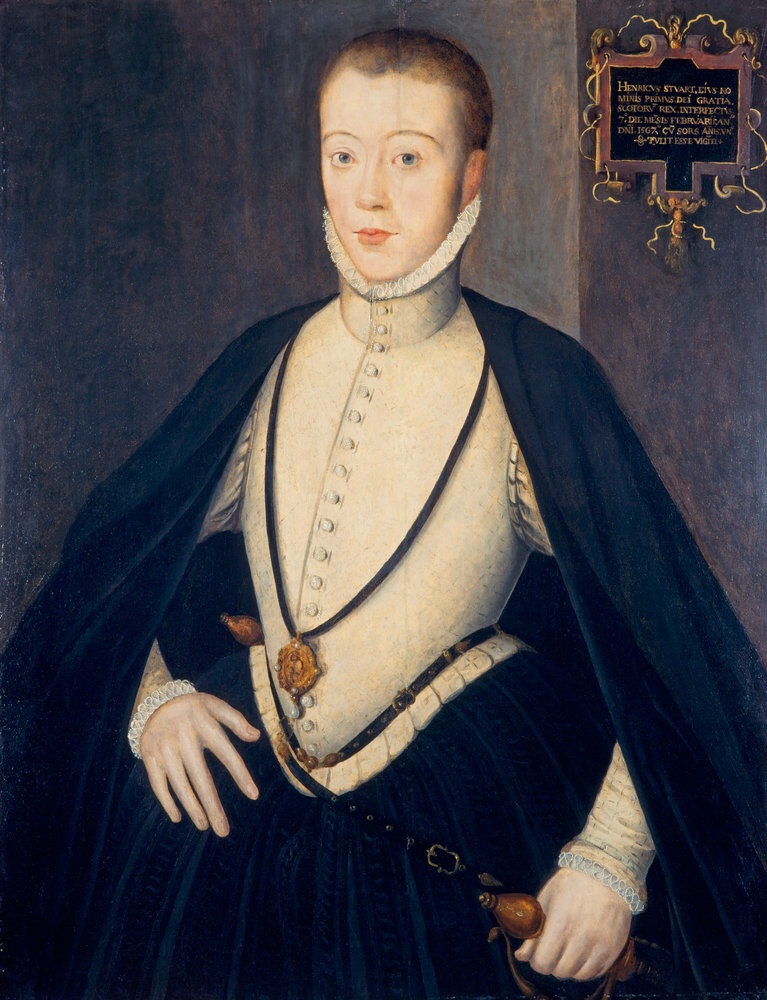
Henry Stuart, Lord Darnley – Public domain

As well as wanting the crown to himself, Darnley also wished to change the religion of Scotland from Catholicism to Protestantism…. Mary, obviously, was a devout Catholic…. He began to plot and scheme, with the help of his Protestant associates…. These were to include his father – the 4th Earl of Lennox – William Maitland – who was angered that Mary had chosen Rizzio as her private secretary and Lord Ruthren…. Also involved were the Earl of Moray, Lord Lindsay, the Clerk Register James Balfour, the Lord Justice Clerk John Bellenden and many other noblemen….

Mary and Rizzio, a fellow Catholic, became close friends – their closeness began to raise a few eyebrows within the Court and Darnley was insanely jealous…. Encouraged by his Protestant friends he came to believe that Mary and Rizzio were having an affair – he was convinced the baby she was carrying was not his but had been fathered by Rizzio….

Mary Queen of Scots – Francois Clouet – Google Art Project – Public domain

At around 8pm on Saturday the 9th of March Mary, Rizzio and a small group of friends were taking supper in a room next to the Queen’s bed chamber… After overpowering the royal guards around 80 men, led by Lord Ruthren, made their way to Mary’s rooms…. Darnley entered first and addressed his wife…. His accomplices then burst in and Lord Ruthren demanded that Rizzio go with them…. Mary, realising that he was in danger, ordered them to leave “under pain of treason”…. Ruthren told Darnley to seize Mary – and a struggle broke out as her friends and servants intervened…. Rizzio took refuge behind Mary as more of Darnley’s assassin squad appeared and attempted to stab him…. Mary was pushed aside and she was restrained by Darnley…. She could have done nothing to help Rizzio anyway – as a gun was aimed at her six- month pregnant belly…. She thought they intended to kill her too….

Rizzio was dragged screaming from the room into the adjoining audience chamber…. He was stabbed over 50 times…. After being stripped of jewellery and clothes Rizzio’s body was then thrown down the stairway….

The Murder of Rizzio, 1787 by John Opie – Public domain