On this day in history….7th February 1873

On this day in history : 7th February 1873 – The birth of Thomas Andrews – the naval architect in charge of overseeing the plans for the supposedly unsinkable RMS Titanic….

img_5890
Thomas Andrews – Public domain

Andrews was born in Comber, near to Belfast, into a prominent family…. His father was the Right Hon. Thomas Andrews and his mother Eliza Pirrie…. His brother, John, was later to become Prime Minister of Northern Ireland…. Andrews’ uncle was Lord Pirrie, owner of Harland & Wolff, who were to build the Titanic….

img_5893
Harland & Wolff at ‘knocking off’ time…. Titanic can be seen in the background – Public domain

Andrews joined Harland & Wolff in 1889, at the age of 16, as an apprentice….and spent the next five years working his way through the various departments of the company…. He was hardworking and well liked; he progressed quickly and in 1901 he became a member of the Institution of Naval Architects…. By 1907 he had been made Managing Director of Harland & Wolff, in charge of design and construction….

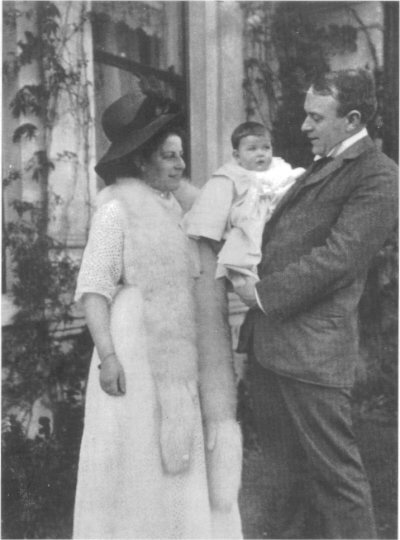
Andrews married Helen Reilly Barbour on the 24th of June 1908 and the couple were blessed with a daughter, Elizabeth, two years later….
img_5891
Thomas with his wife Helen and baby daughter Elizabeth – Public domain

Always wanting to be involved Andrews sailed on the maiden voyages of the Adriatic, Oceonic and Olympic – to oversee, observe and learn…. He was always looking for ways to improve things…. So, this is how he happened to be on the maiden voyage of RMS Titanic….

Leaving his wife and daughter behind in Belfast he boarded Titanic with his complimentary ticket No. 112050 and settled into cabin No. A36…. The ship sailed to Southampton on the 10th of April 1912 – and then on to the North Atlantic…. Andrews spent the first few days assisting where he was needed, helping the crew familiarise themselves with the new vessel – and making notes as to what could be done to make things better for future voyages….

img_5894
RMS Titanic departing Southampton 10th April 1912 – Public domain

On the evening of the 14th of April 1912 Andrews returned to his cabin after dinner and became engrossed in catching up with some work…. So absorbed was he that when the ship collided with the iceberg at approximately 23.40pm he hardly even noticed….and thought little of it…. His first hint of the danger they were in came when a message arrived to say his presence was immediately required on the Bridge….

He and 62-year-old Captain Smith, the White Star Line’s most senior captain, assessed the damage in the flooded mail room and squash court…. The design of the ship involved sixteen watertight compartments, with doors which could be closed from the Bridge, sealing off compartments if necessary…. Up to 4 compartments could flood at any one time and the ship would remain upright…. It was the safety design that led White Star to claim their vessels were practically unsinkable….

img_5895
Captain Edward Smith – Public domain

Despite this, Andrews had to break the news to Captain Smith that he did not think the Titanic would stay afloat for more then two hours…. Andrews spent his last hours urging passengers to the lifeboats…. The Titanic sank at around 2.20am on the 15th of April 1912…. The body of Andrews was never recovered….
On this day in history….6th February 1911

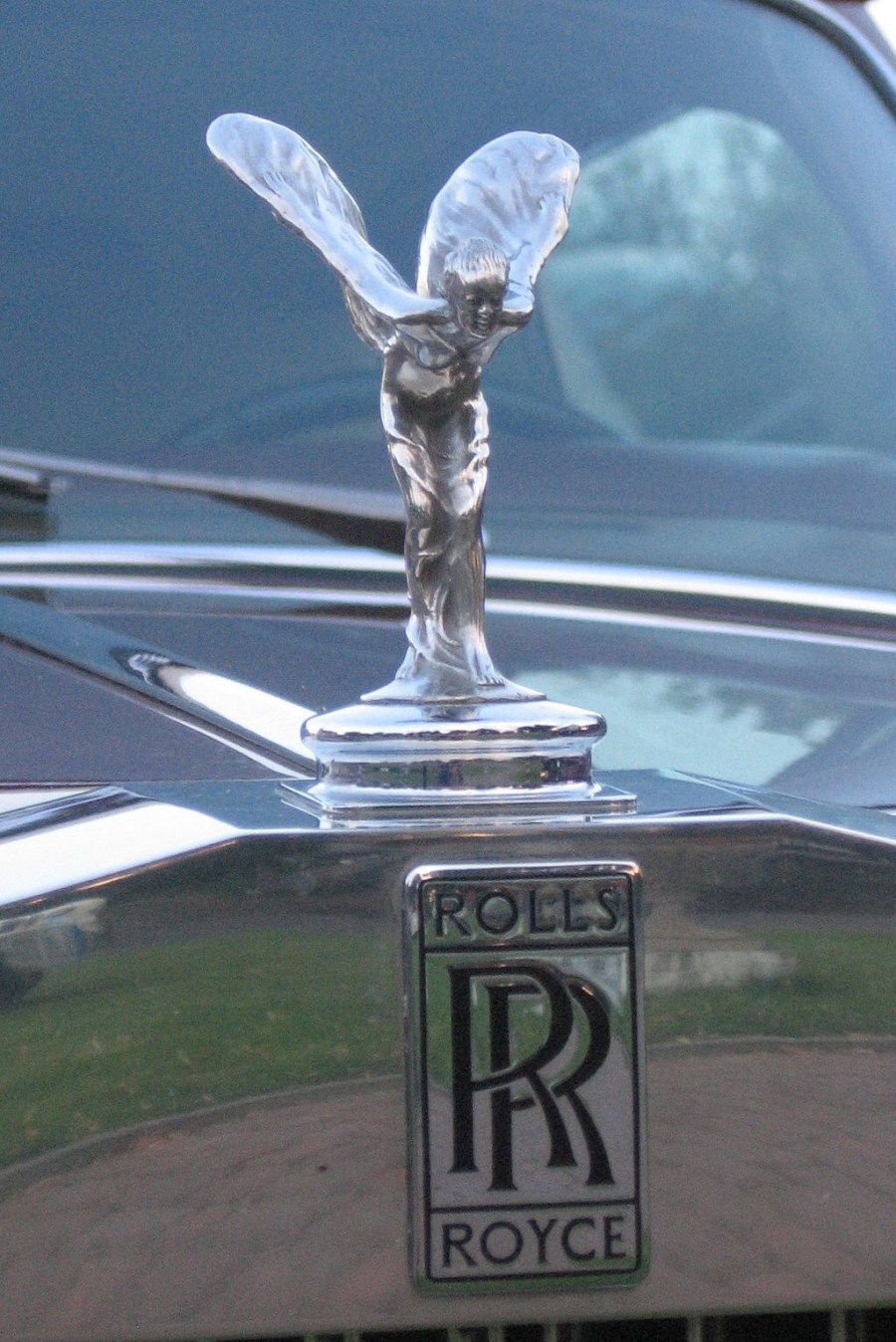
On this day in history : 6th February 1911 – “The Spirit of Ecstasy” – the official Rolls Royce mascot – is unveiled…. It was originally inspired by an illicit love-affair….

img_5886
Spirit of Ecstasy on a Rolls Royce Corniche – User Jed, own work CC BY-SA 3.0

The first Rolls Royce motorcars had no mascot – all that adorned them was the ‘RR’ emblem of the company…. It was Lord Montagu of Beaulieu, a keen motoring pioneer and enthusiast, who commissioned the first mascot for his own car…. He turned to sculptor Charles Robinson Sykes, a graduate of the Royal College of Art in London, to design it for him…. Sykes modelled the mascot on a beautiful woman by the name of Eleanor Velasco Thornton – who also happened to be Montagu’s mistress…. Sykes designed the mascot with a finger placed to her lips, to indicate a secret – referring to their love affair…. The mascot became known as ‘The Whisperer’….

The pair had met in 1902, when Montagu was editor of ‘The Car Illustrated’ magazine…. Eleanor was his 22-year-old secretary – and they fell in love…. For over a decade their affair remained a secret, known only to a few close friends…. She was from a humble background, he from aristocracy – and he was married…. Montagu and Eleanor even had a daughter, who was given up for adoption….

Montagu had set a trend by having a mascot on his automobile – soon it was to become the must have accessory for any well-heeled Rolls Royce owner….

Rolls Royce became concerned that inappropriate mascots may be used to adorn their cars – so managing director Claude Johnson approached Sykes to produce a mascot that could be used on all future cars…. It had to reflect ‘the spirit of Rolls Royce’…. It was to include ‘speed with silence, absence of vibration, the mysterious harnessing of great energy and a beautiful living organism of superb grace’….

Once again Sykes modelled his mascot on Eleanor, modifying his original version…. He called his new model ‘The Spirit of Speed’….later describing it as ‘A graceful little goddess, the spirit of ecstasy’…. Claude Johnson seized on this and so the mascot became known as ‘The Spirit of Ecstasy’…. Although there have been modifications and variations over the years The Spirit of Ecstasy still adorns the Rolls Royce today….

img_5887
Side view (1972 Silver Shadow) – NoslivRage – own work – CC BY-SA 4.0

As for Eleanor and Montagu….it is a rather sad end to their love story…. In 1915 they were onboard SS Persia travelling to India…. On the 30th of December the ship, which had reached the Mediterranean, was torpedoed without warning by a German U-boat…. Eleanor and hundreds of others drowned – and at first it was believed Montagu had perished too – but he survived and was found adrift in a life raft a few days later….

On this day in history….5th February 1982

On this day in history : 5th February 1982 – Budget airline Laker Airways collapses owing £270 million to its banks and creditors….

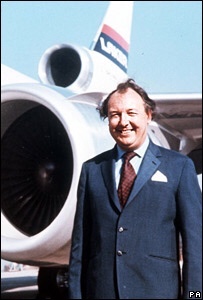
Laker Airways was a private British independent airline founded by Sir Freddie Laker in 1966…. It was based at Gatwick and from 1977 it began to offer low cost, no frills, long haul flights to the United States….

img_5882
Sir Freddie Laker – Fair use

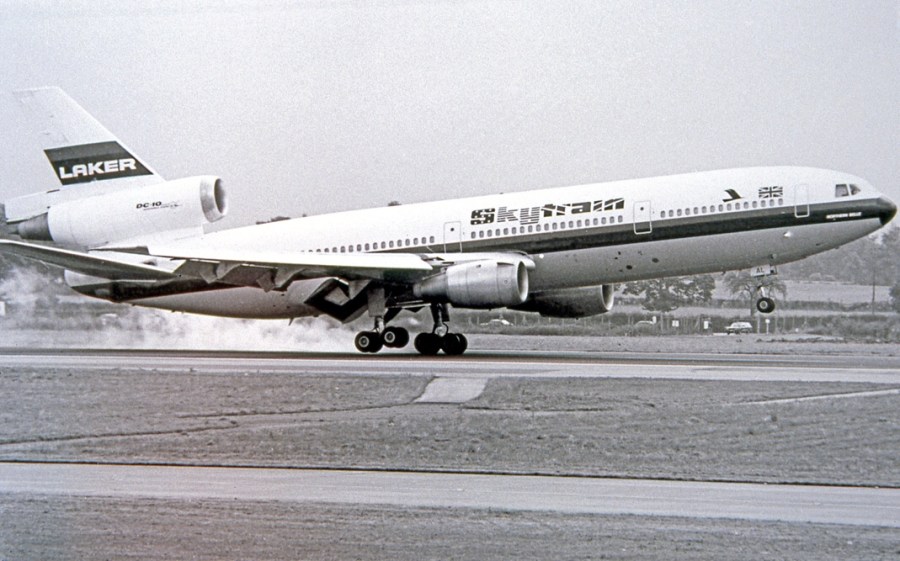
To offer the discounted prices it was known for Laker Airways needed to attract all year round business – which was not an easy task as most travel was required during the summer months – and this in turn could easily cause cash flow problems…. With the launch of ‘Skytrain’ in 1977, attracting long haul business travellers between Gatwick and JFK, the company seemed to have found the recipe for success….

img_5883
Skytrain at Manchester Airport in 1979 – RuthAS own work – CC BY-SA 3.0

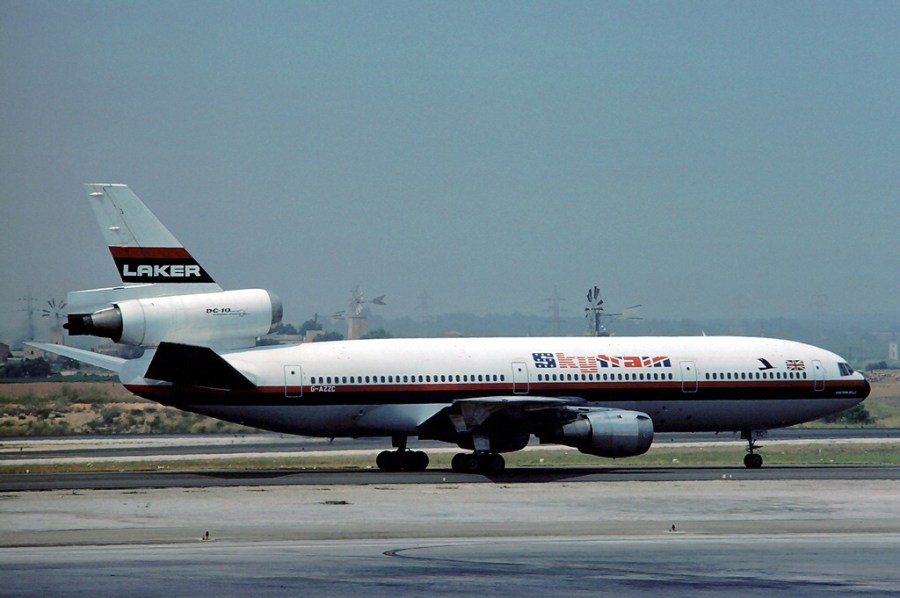
A period of rapid expansion followed and new aircraft were acquired…. Laker became the first airline outside of North America to operate the Douglas DC-10….

However, Laker had overstretched its finances – and with competition from other established airlines was unable to withstand the 1980’s recession…. To maintain its position as Britain’s second largest independent airline it had borrowed heavily at very high interest rates…. There was also the added factor that the DC-10 had a history of a series of fatal accidents and many people were avoiding flying on them….

img_5884
McDonnell Douglas DC-10 at Palma de Mallorca Airport – Eduard Marmet CC BY-SA 3.0

A £5m rescue plan was put together by McDonnell Douglas and General Electric, suppliers of the DC-10…. However, British Caledonian got wind of the deal and together with other DC-10 operators refused to do business with McDonnell Douglas and GE…. The rescue deal with Laker did not go ahead….

On the 5th of February 1982 – after a four hour board meeting – Laker asked Clydesdale Bank to call in the receivers – Laker Airways had collapsed…. All 17 Laker Aircraft were ordered to return to the UK by that night…. A DC-10 at Gatwick was impounded to cover landing and parking costs…. 6,000 stranded passengers had their return tickets honoured by other airlines such as British Airways, British Caledonian, Pan Am and Air Florida…. A ‘Save Laker’ fund was set up by the public – but it was too late….

img_5885
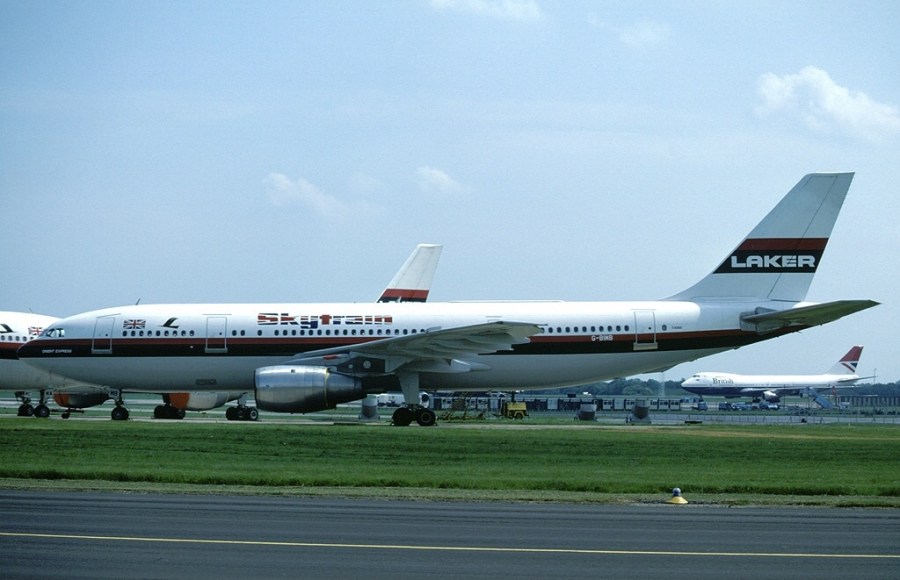
Laker Skytrain Airbus A300 in 1982 at London Stanstead Airport – Eduard Marmet CC BY-SA 3.0

Within weeks Sir Freddie was trying to relaunch his airline by transferring Laker Airways licences to a new company – but this was blocked by the Civil Aviation Authority…. Twelve months later Sir Freddie sued British Airways, British Caledonian, Pan Am, TWA, Lufthansa, Air France, Swissair, KLM, SAS, Sabena, Alitalia and UTA – all IATA members – for a conspiracy to put his airline out of business…. He received an out of court settlement for $50m – and a separate £8m settlement from British Airways….

On this day in history….4th February 1194

On this day in history : 4th February 1194 – 100,000 pounds of silver are handed over as ransom to free the kidnapped King Richard I….

img_5880
Effigy of Richard I of England in the church of Fontevraud Abbey – Adam Bishop – own work CC BY-SA 3.0

Richard the Lionheart was on his way home after fighting in the Third Crusade when bad weather forced his ship to take refuge in Corfu…. Being part of the kingdom of the Byzantine Emperor Isaac II Angeles (who was angry with Richard for taking the Byzantine territory of Cyprus) Richard was disguised as a knight of the Templar to avoid recognition….

On attempting to sail from Corfu his ship was wrecked – and he had to embark on a dangerous land journey to try and reach the lands of his brother-in-law, Henry the ‘Lion’…. Only he was captured near to Vienna in December 1192 by Leopold of Austria – who accused Richard of murdering his cousin Conrad de Montferrat….

Richard was imprisoned at Durnstein Castle – and then on the 28th of March 1193 he was handed over to Holy Roman Emperor Henry VI in Speyer, who kept him at Trifels Castle…. Henry VI needed to raise money to fund an army with which to capture Southern Italy – and so he demanded a 150,000 mark (100,000 pounds of silver) ransom for the release of Richard…. This amounted to two of three times the total annual income of the English Crown….

img_5879
Trifels Castle – R. Wallenstein at German Wikipedia – own work – CC BY SA 2.0 de

Richard’s mother, Eleanor, set about raising the ransom…. Taxes were raised to crippling levels, gold and silver was confiscated from churches, clergy and laymen saw a tax of a quarter of the value levied upon their properties….

It took a year to raise the money…. It was then despatched to Germany and finally Richard was released on the 4th of February 1194….

KONICA MINOLTA DIGITAL CAMERA
Richard the Lionheart – Bill Tyne via Flickr

On this day in history….3rd February 1935

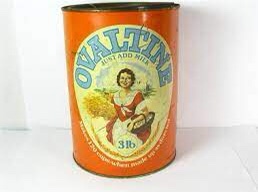
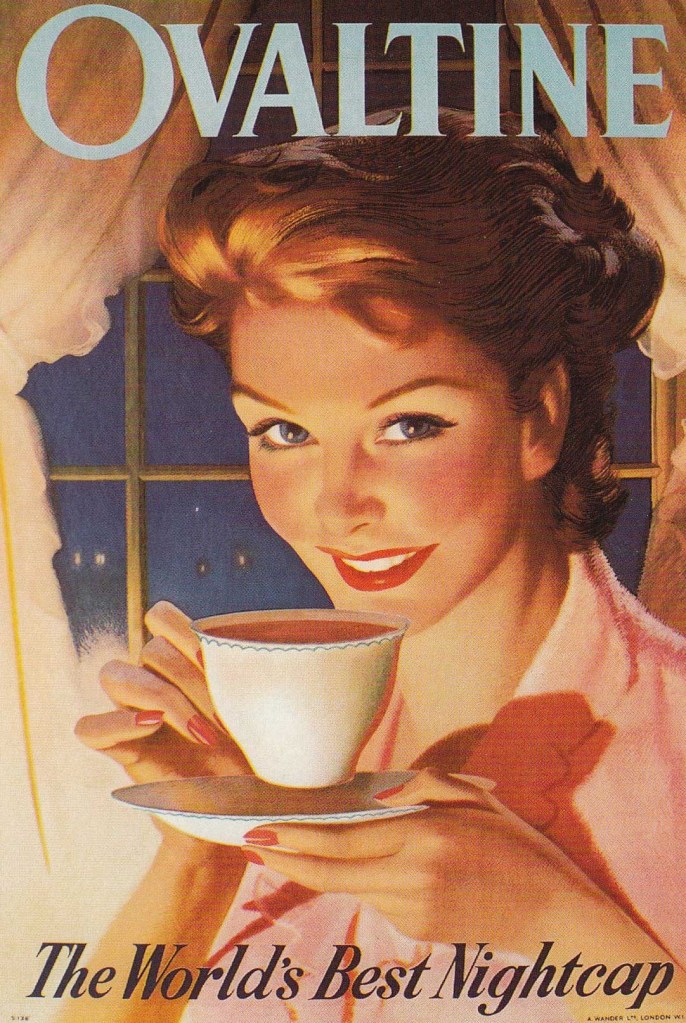
On this day in history : 3rd February 1935 – The manufacturers of Ovaltine create a children’s secret society – ‘The League of Ovaltineys’ – to promote the sale of their malty milk drink….

Ovaltine had been developed in Bern, Switzerland in 1904 – and was originally called ‘Ovomaltine’, coming from ‘ovum’ – the Latin for ‘egg’ – as the recipe contained eggs…. However, when it was first exported to Britain in 1909 a mistake was made in the trademark registration with a misspelling of the name – and so it became known as ‘Ovaltine’…. The recipe changed for the British market – the egg was omitted, leaving the main ingredients as milk, malt and cocoa….

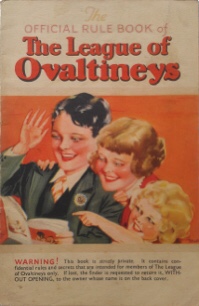
In 1935 the company came up with a clever idea of how to promote their product – by making it a favourite with children…. They launched a very unique club just for the youngsters – ‘The League of Ovaltineys’…. Each member would receive an Official Rule Book and a membership badge…. They were then encouraged to tell three friends about the club – who then in turn collected three of the paper discs found on the top of Ovaltine tins, giving them to the original member in order to become Ovaltineys themselves…. The original member then gained ‘silver star’ status within the League…. It could be argued that the company was promoting an early form of ‘pyramid selling’…. It was obviously a very successful marketing ploy – the club became very popular and sales of Ovaltine soared – by 1939 The League of Ovaltineys had five million members….

Fair use

As well as containing a series of secret hand signals, which Ovaltiney members could use with each other, the Rule Book received by each member on joining also provided access to an all important secret code…. One of the main features of the League was its own radio programme which was broadcast on Radio Luxembourg every Sunday evening between 5.30pm and 6pm…. During the show secret messages were given out to the members which could be decoded using the handbook….

Back in the 1930s televisions were scarce and did not generally feature in a child’s day to day life (unlike now) – and so the radio was an important medium for most families….and many would gather together to listen to their favourite shows…. The Ovaltiney weekly broadcast was to become one such family favourite for so many households across the nation – with its familiar opening theme tune to signal the start….

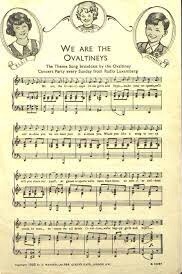
“We are Ovaltineys,little girls and boys,
Make your requests; we’ll not refuse you,
We are here just to amuse you.
Would you like a song or story?
Will you share our joys?
At games and sports we’re more than keen,
No merrier children can be seen.
Because we all drink Ovaltine
We’re happy girls and boys”….

The song was written and composed by music hall and radio comedian Harry Hemsley – who also starred in the radio show…. The broadcast featured the Chief Ovaltiney – whose true identity was never revealed…. He was assisted by a team of young children – (who came from the Italia Conti School – an academy of performing Theatre Arts, founded in London in 1911 by successful and established actress Italia Conti who had a reputation for working with children)…. Each team member had just a letter for a name, spelling out ‘OVALTINEY’…. Harry Hemsley portrayed the Fortune family – playing all the parts himself – imitating the voices of ‘Father’, six year old ‘Johnny’, five year old ‘Elsie’, four year old ‘Winnie’ and the gurgles of six month old ‘Horace’…. It was ‘Winnie’ who acted as interpreter for baby ‘Horace’ – paving the way for what was to become a well-known catchphrase in British households of the time – “What did Horace say, Winnie?”….

Then at the close of the show the familiar good night song came….

“And now the happy Ovaltineys
Wish you all adieu,
But don’t forget your Ovaltine
It’s very good for you.
But we’ll be here again next Sunday
With songs and stories new,
And so until we meet again,
The Ovaltineys bid you all adieu”….

As well as the Rule Book and membership badge the club members would also receive sheet music to accompany the radio show – and from 1936 the ‘Ovaltiney’s Own Comic’ was published weekly, featuring the adventures of Johnny, Elsie and Winnie – being drawn by S.K.Perkins…. The club would also provide regular competitions and activities….

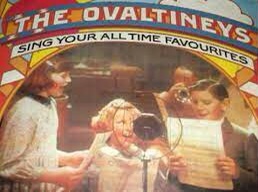
In 1952 a new version of the radio show was launched; once again on Radio Luxembourg but this time airing at 6.15pm on Sundays…. During the late 1960s the Ovaltiney Club was relaunched, with comedy duo Morecambe and Wise as its presidents…. Instead of sheet music League members received an LP of music – reflecting the more modern pop culture of the children of the day…. In 1975 ‘We Are The Ovaltineys’ was used by Ovaltine as a TV advertisement – and a single released, thus giving the song yet another lease of life to be embedded into the nostalgic memories of a further generation….