Blog

Cannibalistic Remedies….

Cannibalism…. What image does that conjure up? Missionaries stewing in a cooking pot somewhere deep in the jungle….or serial killers dining on ‘filet de jambe’, quaffed down with large quantities of Chianti…? There is no doubt cannibals belong in horror films – but eating human flesh has been with us since the beginnings of our time….

Europe has the oldest fossil evidence of cannibalism…. 100,000 year old Neanderthal bones found in the Marla-Guercy Cave in France had been broken by other Neanderthals in order to extract the bone marrow, skulls smashed open to gain access to the brains…. Further evidence revealed tools had likely been used to remove thigh tissue and tongues. In another cave, at El Sidon, Spain more gruesome Neanderthal finds….12 members of a family dismembered, skinned and eaten by fellow Neanderthals, some 50,000 years ago….

img_0391
NYC – AMNH: Spitzer Hall of Human Origins – Neanderthal wallyg via Foter.com / CC BY-NC-ND Original image URL: https://www.flickr.com/photos/wallyg/415498434/

‘Neanderthal’ may be a term we sometimes use when we want to be demeaning – but in all honesty tens of thousands of years later, Homo Sapiens were not much better…. Even in so-called ‘civilised’ societies pure and simple cannibalism was not unheard of – especially in times of famine…. Christian Crusaders ate the flesh of local Muslims after taking the Syrian city of Ma’arra in 1098…. Human flesh was sold in British markets during famine times in the 11th Century and during the Great Famine of 1315-17 cannibalism reached extremes…. Even in 1612 Polish troops after a prolonged siege in Moscow succumbed – and there have been more modern-day examples; such as the 1970s Andes air crash of a Uruguayan Air Force flight….when survivors had to resort to eating human remains….

These were cases of survival – but could this be applied to the general medical practices of Renaissance through to Victorian times? I’m referring to ‘corpse medicine’ or ‘medical cannibalism’….

Ancient healers in Mesopotamia and India believed human body parts had healing properties – but the Romans took it to another level…. Their belief was that the blood from freshly slaughtered gladiators, still full of the essence of the brave, was a good remedy for conditions such as epilepsy…. They drank it, still warm, probably straight from the body…. Gruesome..!!

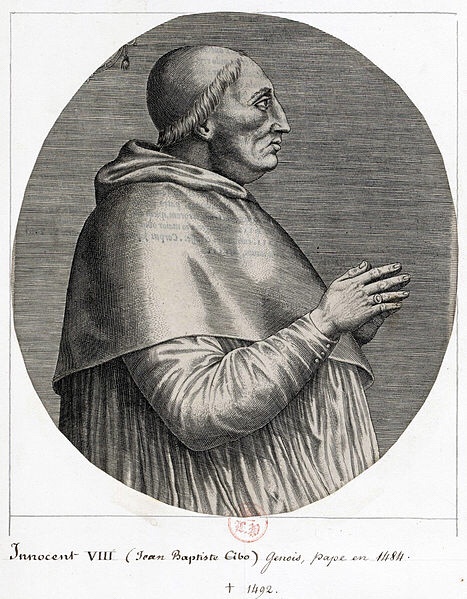
As time meandered on and medicine ‘advanced’….blood still played a key part. In 1492, as Pope Innocent VIII lay on his death-bed, his doctors deemed it necessary to try to save him by prescribing a tonic of fresh plasma…. Three young shepherd boys were brought forthwith and accordingly ‘bled’….but it was all in vain….the Pope still died…. and tragically, so did the three boys….
img_0388
Public domain

The word ‘cannibal’ came to the English language in the 16th Century….from the Spanish ‘canibales’ – a term used by Columbus to describe natives of the Caribbean Islands who were rumoured to eat human flesh….

img_0386
Public Domain

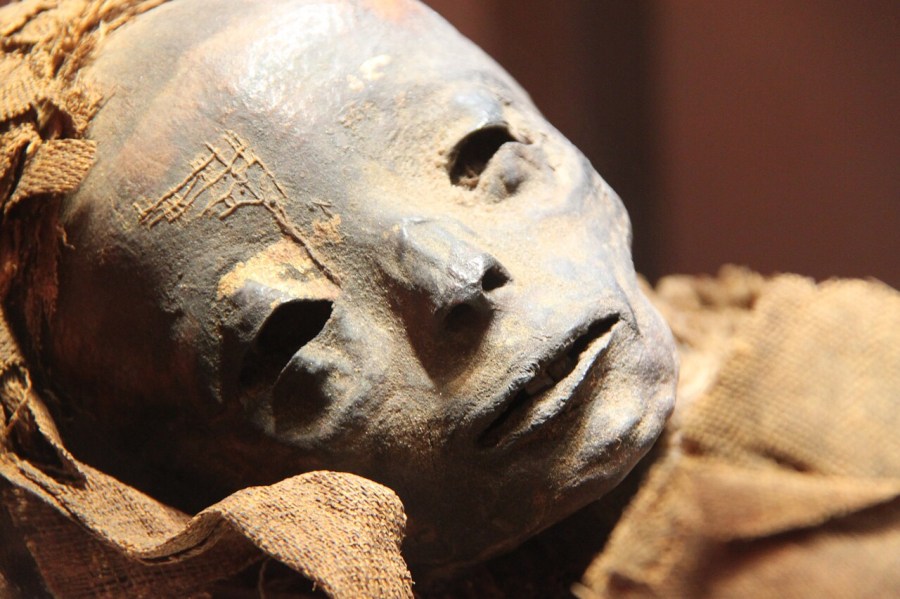
Medical cannibalism started with Egyptian mummies….burned and then ground to a fine powder. Trade of this substance became a huge business – it was a common ingredient of medicines all over Europe and in Britain…. King Francis I carried a pouch with him at all times….just in case….
img_0390

Other body parts began to be used – the fresher the better…. Fat, bones, blood, urine – remedies including human remains became more and more commonplace and were thought to be cures for just about any ailment; headaches, epilepsy, coughs, contusions, ulcers…. The ‘spirits’ of those the remains were taken from were thought to still be within….blood was the essence and vitality of the body…. Recipes for the use of the remains would often be specific – the flesh of a young man who had died a violent death, complete with veins, arteries and nerves, for example….would give ‘strength’ – the belief a violent death meant the spirit of the man would remain entrapped….

“We preserve our life with death of others. In a dead thing insensate life remains which, when it is reunited with the stomachs of the living, regains sensitive and intellectual life”…. ~ Leonardo da Vinci

The menstrual blood of a virgin was a much sought after commodity – on the account of its ‘pureness’…. The afterbirth of a new mother still held the fetal spirit…. It just gets more bizarre….

The 17th Century physician George Thomson claimed the sweat from a terrified person about to be hanged (or having just been so) contained a good remedy for haemorrhoids – the idea being the fear captivated within would shrink the piles into submission….

Executions became a market place for entrepreneurs and sufferers alike…. The executioner would happily sell a cup of warm blood for a few pence…. 16th Century epileptics would wait cup in hand….hoping to cure their ailment – whereas, the poor would hope to sell their cupful to the wealthy, who preferred not to get their own hands bloody….

It was the wealthy who really fuelled the demand for corpse medicine…. Royalty, priests, nobility, scientists…. Charles II had his own personal concoction – ‘The King’s Drops’ – powdered human skull steeped in alcohol…. Thomas Willis, a 17th Century brain scientist, proclaimed a drink of hot chocolate and powdered skull could help apoplexy and bleeding….

img_0387
Skull and Bones timbu via Foter.com / CC BY-NC-SA Original image URL: https://www.flickr.com/photos/timbu/24383122368/

18th Century British preacher, John Keogh claimed pulverized human heart was good for dizziness – ‘a dram in the morning on an empty stomach’….

Human fat was used externally; a remedy for gout when applied as a salve….bandages soaked in the glutinous substance supposedly healed wounds….

It is said Protestants used human flesh during the rite of Eucharist….and monks made a special marmalade type preserve containing human blood….

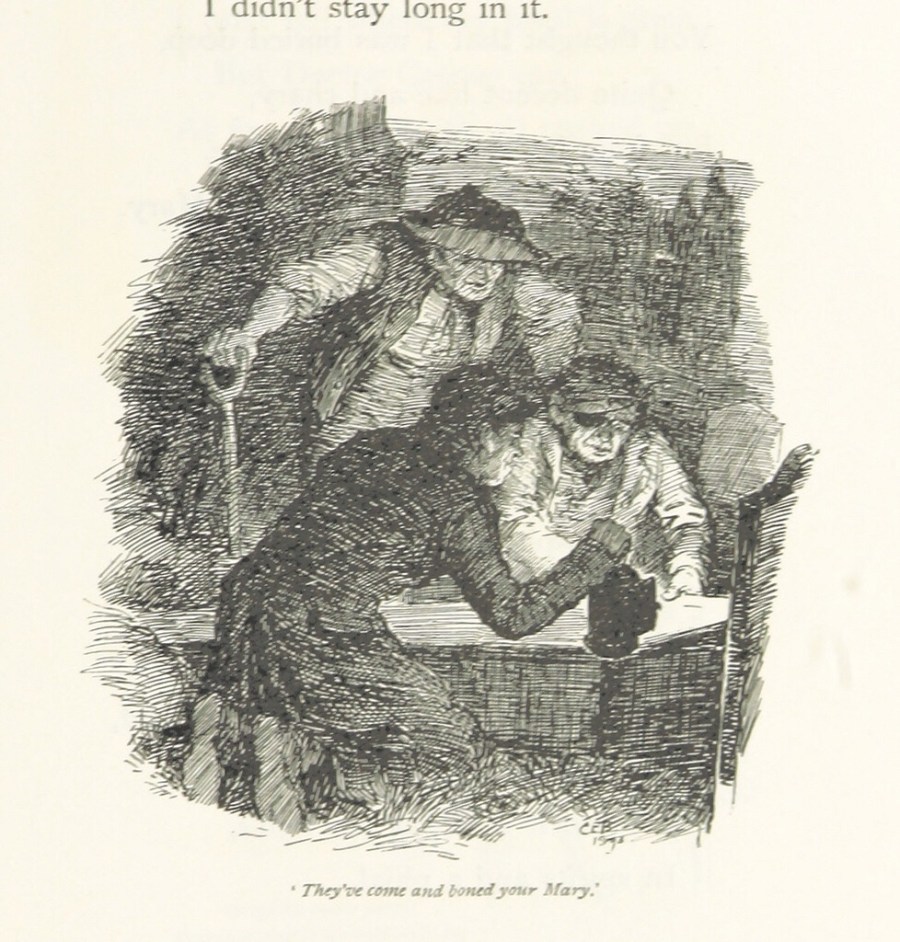
Although the main source of human remains came from the bodies of executed criminals, the high demand for such parts obviously created a black market…. Grave robbers exhumed fresh graves….beggars and the homeless were murdered….
img_0389
Image taken from page 133 of ‘Humorous Poems…With a preface by A.Ainger, and…illustrations by C.E.Brock.L.P’ British Library via Foter.com / No known copyright restrictions Original image URL: https://www.flickr.com/photos/britishlibrary/11303563053/

Thankfully by the end of the 18th Century the appeal for corpse medicine was beginning to wane….although remedies containing human parts were still available right up to the beginning of the 20th Century…. In 1910 a German pharmaceutical company continued to offer powdered mummy in its product catalogue….

We may well shudder to think of human remains being used in every day medicine – but back in the time it was considered completely normal and acceptable…. Just as today, with our modern-day equivalents; blood transfusions, organ transplants, skin grafts…. Perhaps in centuries to come people will look back and exclaim in horror “they used to use real body parts???” At least we no longer ingest human remains….but then again….what about those who choose to eat their placenta? Just saying….

Please…. If you have read this post through to the end – then I assume you found it of interest and I hope you’ve enjoyed it…. If you found this via Facebook, a little ‘like’ for the Cottage Capers page would be very much appreciated – a like and follow would be even better…. I’m not trying to sell you anything – I’m simply a blogger trying to establish myself…. Many thanX….
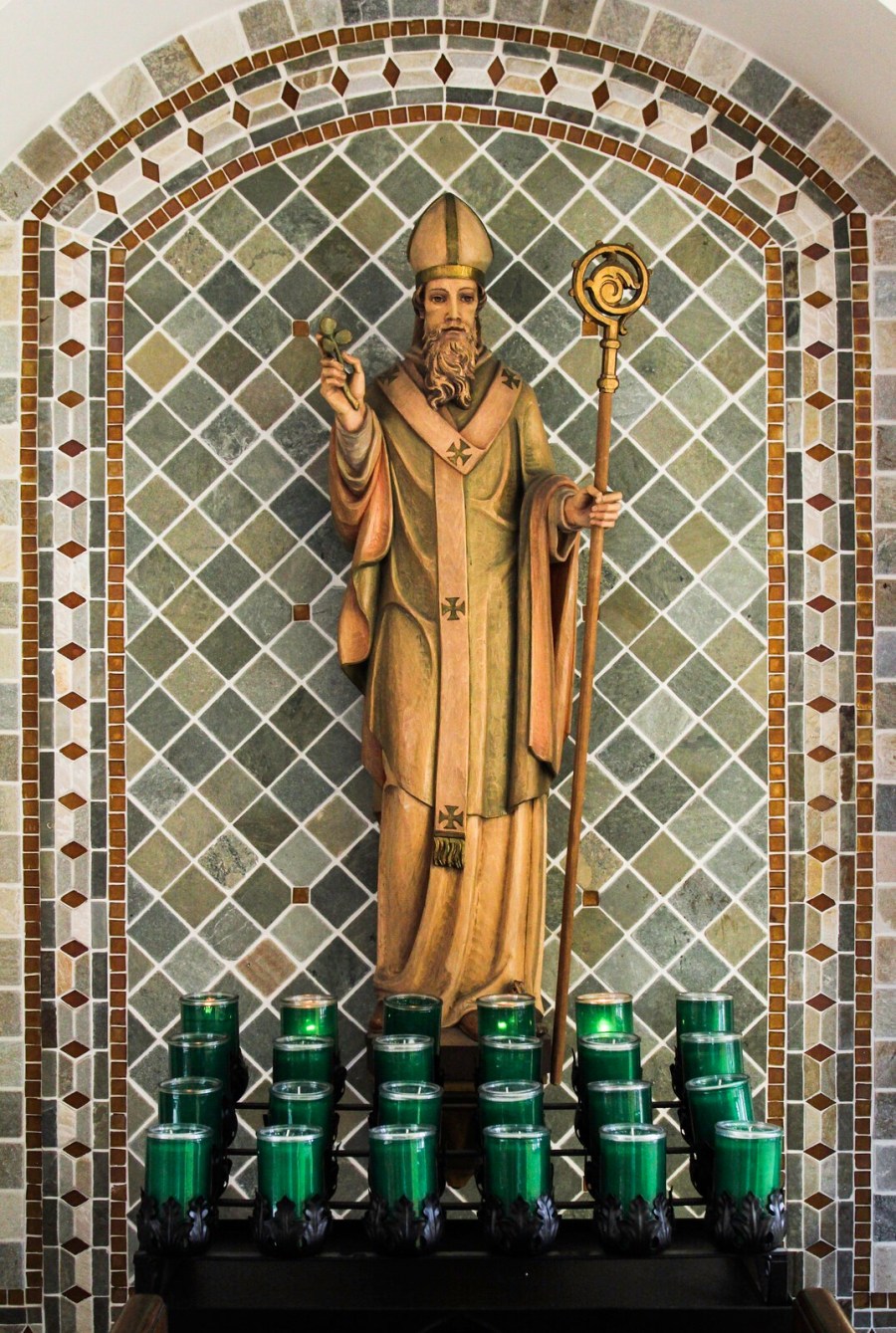
Saint Patrick : Apostle of Ireland….

Up until the age of 16 Patrick had led a reasonably ordinary life…. Yes, he was the son of a Roman-British army officer/deacon and the grandson of a Catholic priest – but despite this he was not particularly religious…. Not an awful lot is known about his early life….just that he was born in the latter part of the 4th Century, in Roman occupied Britain; nobody is sure exactly where, possibly Scotland but most likely Wales…. It is thought he was raised in the village of Banna Venta Burniae…. Even his real name is uncertain but there are indications it could have been Maewyn Succat….

img_0370
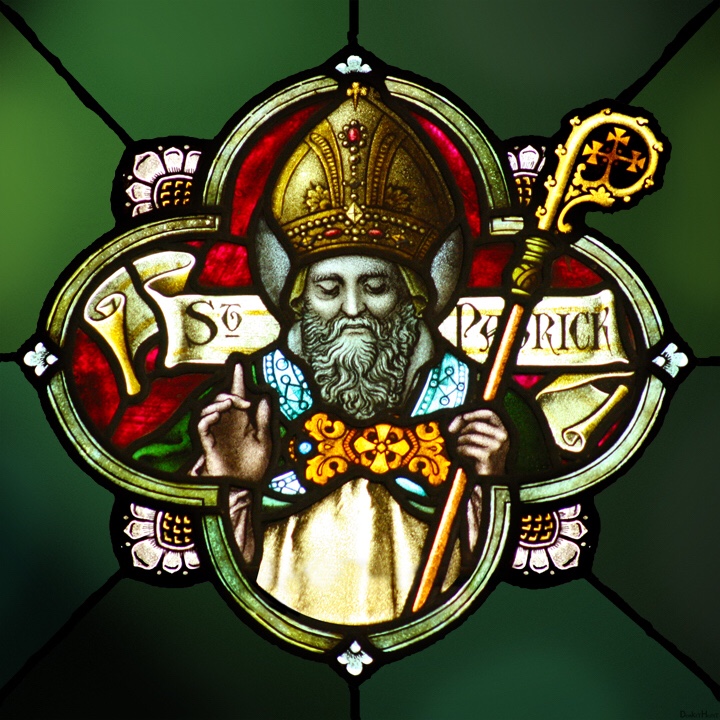
Saint Patrick Lawrence OP via Foter.com / CC BY-NC-ND Original image URL: https://www.flickr.com/photos/paullew/16657109748/

At 16 years old Patrick (along with many others) was kidnapped by Irish pirates….he was taken to Ireland and sold into slavery. The young Patrick found himself on Mount Slemish in Co. Antrim, where for six years he herded sheep and pigs for his master. Long periods of time alone meant he began to question whether this was his punishment for his earlier lack of faith…. He turned to religion….

It was during a dream that a vision came to him….telling him he would soon go home and that his ship was waiting. Believing this was a message from God, Patrick managed to escape from his master and travelled some 200 miles to a faraway port – where with some difficulty he managed to persuade a reluctant captain to allow him aboard his ship…. Patrick returned home to Britain and his family….

By all rights this should perhaps have been the end of an ordeal that had dominated so much of his life as a young man – but it appears this was just the beginning….

Patrick had another dream – this time he was being called back to Ireland….the people wanted him to tell them about God….

img_0376
Happy Saint Patrick’s Day National Library of Ireland on The Commons via Foter.com / No known copyright restrictions Original image URL: https://www.flickr.com/photos/nlireland/16766126215/

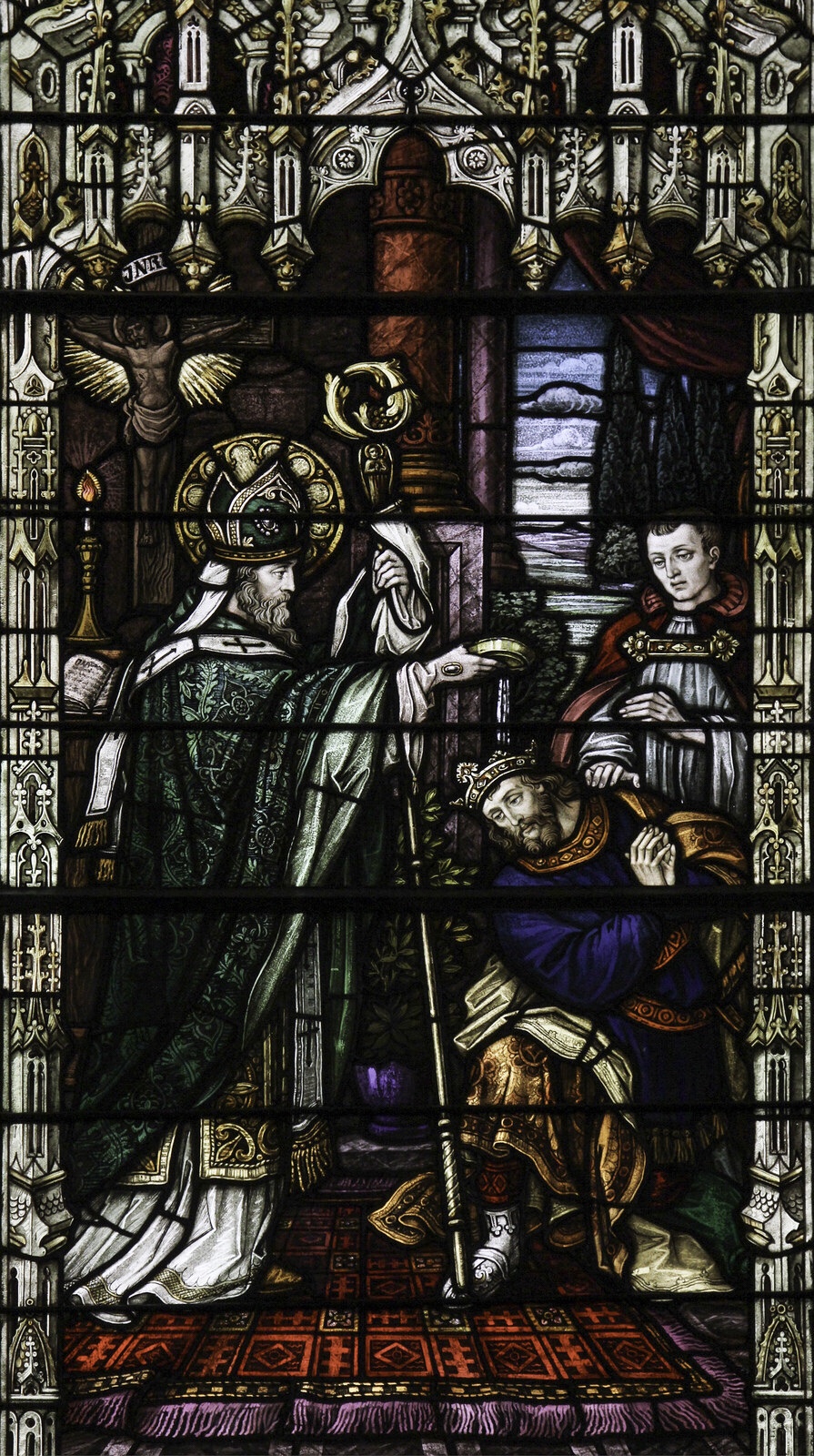
Patrick was to return to Ireland but not straight away. First he went to France, where he studied for the priesthood at a monastery – possibly under Saint German, the then Bishop of Auxerre…. It was 12 years later, as a Bishop himself and with the blessing of the Pope he landed back on Irish soil, at Strangford Loch, Co. Down….

For the next 20 years Patrick travelled around Ireland, establishing churches and monasteries, baptising people and founding schools. As Ireland was a Pagan stronghold very often he would anger local Chieftains and Druids with his teachings, many a time he found himself imprisoned…. He was not above using a little bribery – presenting his captors with gifts in order to regain his freedom….

img_0377
Saint Patrick baptising. Lawrence OP via Foter.com / CC BY-NC-ND Original image URL: https://www.flickr.com/photos/paullew/16657121598/

As is so often the case with saints of long ago, many myths and legends surround Patrick…. One such story is the tale of St. Patrick’s Breastplate: Patrick and a companion were travelling to the Hill of Tara in the Boyne Valley to preach to the people; a place sacred to the Druids, once the ancient Capital of Ireland it was where the gods lived…. The Druid priests were keeping a watch out for Patrick, waiting to ambush him…. But all was quiet in the fields surrounding the Hill – just a deer and her fawn meandering along…. Unbeknownst to them Patrick had used his special powers (feth fiada) to turn himself and his companion into deer – and so using this disguise they were able to reach the Hill unstopped….inspiring the hymn written by Patrick – ‘The Deer’s Cry’ – which begins….

“I arise today, Through the strength of heaven, Light of the sun, Swiftness of the wind, Depth of the sea, Stability of the earth, Firmness of the rock”….

img_0374
Hill of Tara – St. Patrick’s Statue & Pillar Stone. Diego Sideburns via Foter.com / CC BY-NC-ND. Original image URL: https://www.flickr.com/photos/diego_sideburns/7115927727/

One of the main Celtic Druid celebrations is Beltane….a fire festival, marking the beginning of Summer. A fire would be lit at the top of the Hill of Tara by the Druid High King – from which fires all across the land would be lit…. Legend says Patrick defied this tradition by a lighting a fire of his own before the main event…. The Druid King sent his men to investigate – and they reported back that Patrick’s fire had magical powers and it could not be extinguished….they warned the King this fire could burn for all eternity…. Realising he was unable to put out Patrick’s fire – the King had to concede that the powers Patrick possessed were greater than his own…. Although he refused to convert to Christianity himself he allowed the Irish people to follow the Christian faith….

Patrick was not unsympathetic to the Druid beliefs…. It was whilst preaching one day next to a Pagan standing stone that he created the Irish Celtic Cross…. The stone was carved with a circle – a sacred Pagan symbol for the sun and moon gods. Patrick drew a Christian Cross through the circle, blessing the stone as he did so – thus uniting Pagan beliefs with Christianity….

img_0373
Celtic Cross .and+ via Foter.com / CC BY-NC-SA Original image URL: https://www.flickr.com/photos/raiadiff/2776934527/

Being aware that the number 3 held special significance in Celtic tradition, Patrick utilised this as a method of teaching Christianity to the people…. By using shamrock, the three leaved clover plant, he showed how each segment represented God the Father, the Son and the Holy Spirit – three elements of one entity…. The humble shamrock was to become the symbol of Ireland….

img_0368

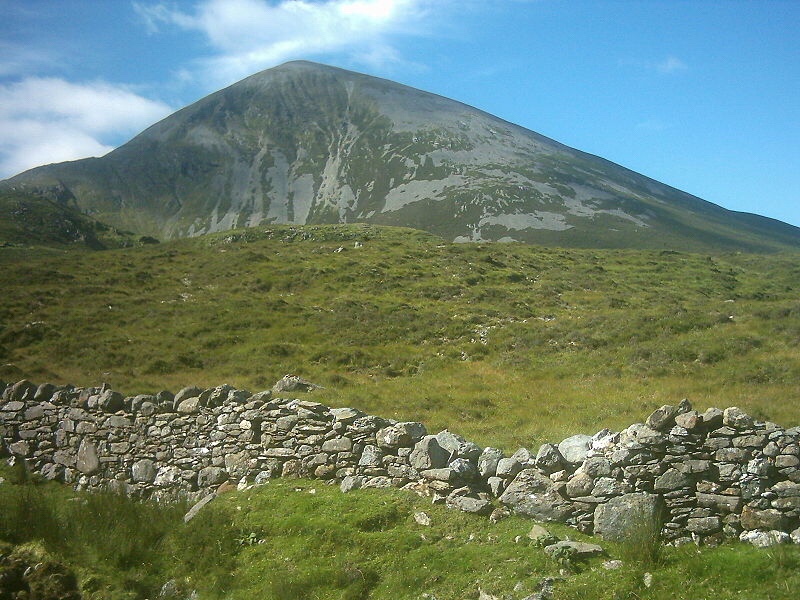
For any missionary there must have been times of despair – struggling to deliver a message that must have often appeared to be falling of deaf ears…. One such time of despair for Patrick may have been the time he spent in County Mayo, upon a mountain…. He had gone there for the 40 day period of Lent – perhaps to reflect and meditate – but instead was besieged by demons…. Demons in the form of black birds, so many of them the sky turned dark…. But still he continued to pray, refusing to be defeated…. Suddenly an angel appeared – a messenger from God…. The angel told him his work was being recognised – the Irish people were listening to him and they would remain Christian until Judgement Day…. The mountain is known as Croagh Patrick….

img_0375
The holy mountain Croagh Patrick, County Mayo. EamonnPKeane English Wikipedia Public domain

Perhaps one of the legends we associate the most with St. Patrick is the banishing of all snakes from the land, by driving them into the sea…. It is doubtful there ever were any actual snakes in Ireland. The snake is a sacred creature to the Druids….this legend most likely gives the message that Patrick had succeeded in driving Paganism from Ireland….

img_0378

Although Patrick can be attributed to converting Ireland to Christianity others had preached there before him – Palladius being one such – and becoming the first Bishop of Ireland. Patrick succeeded him as Bishop some time soon after 431AD and made Armagh, in Northern Ireland his base…. It was towards the end of his life that he wrote his memoirs, called his ‘Confession’….

“My name is Patrick, I am a sinner, a simple country person, and the least of all believers”….

In his writings Patrick makes no reference to details such as the Hill of Tara, driving snakes into the sea, shamrock or indeed any of the myths and legends that surround him…. He talks of his spiritualism, his relationship with God, his time in slavery…. It is a direct insight into the man…. It has to be deemed incredible that these documents have survived all this time….

Patrick died on March the 17th – the year is a little hazy…. He is buried either in Armagh or Downpatrick…. We do know he was made a saint soon after his death and St. Patrick’s Day has been celebrated on March the 17th ever since….

img_0372
Saint Patrick. DonkeyHotey via Foter.com / CC BY Original image URL: https://www.flickr.com/photos/donkeyhotey/13222409233/

There was a wobble in the late 17th Century…. in 1695 Parliament replaced many Catholic feast days with Protestant holidays – after William (of Orange) and Mary were placed on the throne….effectively St. Patrick’s Day became outlawed – but nobody took much notice. Eventually the Patron Saint’s Day was reinstated….

Nowadays modern celebrations usually include a procession to a holy place, a chapel or perhaps a holy well…. Mass and prayers are said…. Then there are the festivities; food, music, dancing and of course a good drink. Falling during Lent a very welcome interlude….

img_0371
A party going on right here Sniggie via Foter.com / CC BY-NC-SA Original image URL: https://www.flickr.com/photos/sniegowski/33388080245/

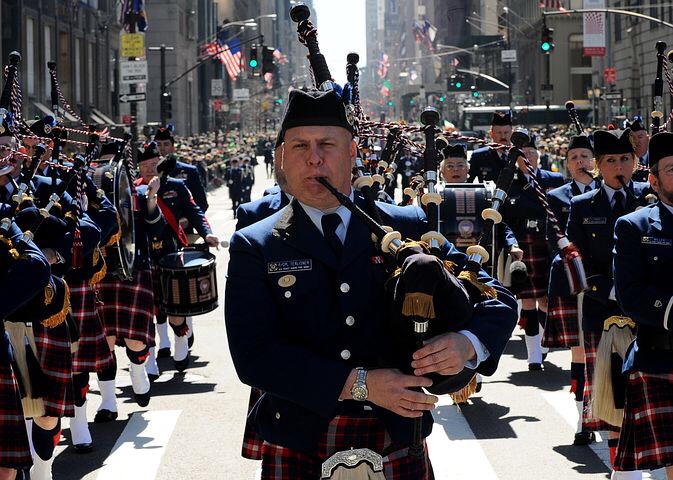
St. Patrick’s Day parades did not actually originate in Ireland. It was in 1762 that Irish soldiers serving with the British Army marched through New York to music on March the 17th – an idea that caught on and became tradition, especially in communities in England with a large Irish population – such as Liverpool…. During the mid 19th Century, at the time of the Great Famine, St. Patrick’s Day celebrations were obviously low-key; but – one thing that came from this was the globalisation of St. Patrick’s Day…. Mass emigration – Irish people looking for new lives across the World taking the celebration with them….

img_0369

Happy Saint Patrick’s Day…. Have a Guinness for me….

img_0367

Agnes Waterhouse ~ the first British hanging for Witchcraft….

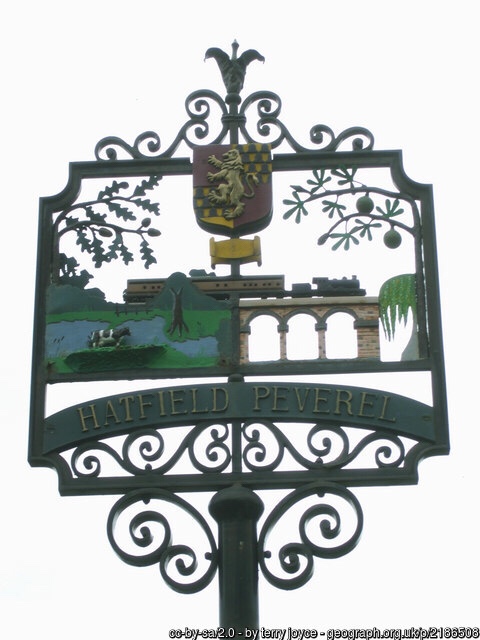
Agnes Waterhouse was born around 1503 and lived in the village of Hatfield Peverel, near to Chelmsford, Essex – and she was the first woman in Britain to be hanged for witchcraft….

img_0342


Agnes was known locally as ‘Mother Waterhouse’, which would suggest she may have been a wise woman and healer. It appears she was rather an argumentative woman, repeatedly falling out with her neighbours…. In July 1566 Agnes was accused of witchcraft – along with Elizabeth Francis (believed to be her sister) and Joan Waterhouse, her 18-year-old daughter….

img_0343


Elizabeth had a cat; a white spotted one called ‘Sathan’ – or Satan – given to her by her grandmother, ‘Eve of Hatfield Peverel’ – who taught her grand-daughter the secrets of witchcraft when she was 12 years old…. Sathan was able to talk; he taught Elizabeth how to make magical potions – and promised her a lifetime of riches – a promise that indeed appeared to have been kept, as she always had sheep in her pasture….

Sathan would do anything for his mistress – all he asked for in return was bread, milk and a drop of blood – her blood – which she provided by pricking herself and allowing him to suck from it….leaving spots on her skin never to disappear….

As a young woman Elizabeth took a fancy to an Andrew Byles – a man of wealth – to be her husband…. Sathan promised to get him for her….but in order for it to be possible she must allow Byles to ‘abuse’ her – which she did. Only things did not quite go to plan – for afterwards Byles refused to marry her. Enraged Elizabeth ordered Sathan to ‘waste his goods’ (destroy his property)…. Still not content she demanded the cat ‘touch his body’ (cause illness) – and so he did…. Byles subsequently died from his illness….img_0353

Soon after Elizabeth discovered she was carrying Byles’s child – so Sathan advised her which herbs to take to cause a termination of the pregnancy….

Elizabeth set her heart upon another man, Francis….although not as rich as Byles she decided she must have him and so set her trap…. After sleeping with him, once again she fell pregnant – they married and a daughter was born to them some three months later….

It was not a happy union, the pair fought constantly – family life was not as Elizabeth had expected; so when the child was just 18 months old she got Sathan to kill her….and inflict a lameness of the leg on to Francis – from which he never recovered….

By now Elizabeth had somewhat tired of it all – and this included Sathan who she’d had for some 15 years…. It so happened that she encountered Agnes one day, who was on her way to the ovens to bake some cakes…. Elizabeth decided to bestow the cat upon her as a gift – telling her that all she needed to do was feed him bread, milk and a drop of blood and he would do anything she wanted….in return Agnes gave Elizabeth a cake….

img_0349

Agnes was eager to try out the cat’s skills…. She asked him to kill one of her pigs – more than willing to prove himself Sathan obliged. Having fallen out with a couple of her neighbours Agnes then got him to kill three hogs belonging to Father Kersey and drown a cow owned by Widow Gooday…. Each time Agnes rewarded Sathan with a chicken and a drop of her own blood. Realising the power at her fingertips Agnes began causing no end of mischief for her neighbours….ruining their brewing and butter making amongst other things…. Sathan taught her the art of witchcraft, how to terminate pregnancies and helped her to kill people…. As she wasn’t getting along with her own husband Agnes arranged his demise too – she spent 9 years as a widow before things finally caught up with her….

Eventually, for whatever reason, Agnes too had had enough of Sathan, he was beginning to cause her problems; so, she turned him into a toad – he was far easier to keep under control this way….

img_0350
Foter.com

It was while she was away one day that her daughter, Joan, decided to amuse herself by playing with him…. Feeling hungry and as her mother had left no food, Joan went to the house of a neighbour to ask for some bread and cheese…. On arriving she encountered the neighbour’s daughter, 12-year-old Agnes Brown – who refused to give her any food. On returning home, Sathan offered her his help….providing she gave him her soul – Joan agreed to this…. Sathan went to visit the young Agnes and found her churning butter. The toad manifested himself into a demon – a black dog with horns – and asked the child for some butter….when she declined he then set about terrorising her….

butter 3
Image from page 10 of “The days of long ago, and Immortality (Antithesis of “The Rubaiyat”)”(1909) Internet Archive Books via Foter.com / No known copyright restrictions Original image source: https://www.flickr.com/photos/internetarchivebookimages/14790395683/

By now people were becoming suspicious of the tragic events and goings-on that seemed to surround Agnes and her cat…. It was after the death of yet another of her neighbours, William Fynne, who died on the 1st of November 1565 having suffered from an illness said to have been caused by her, that the accusations were finally officially made….

Agnes, Elizabeth and Joan were brought to trial in Chelmsford in July 1566, accused of witchcraft…. Agnes was cited as having caused illness that resulted in the deaths of William Fynne and her husband and also the deaths of her neighbours’ livestock…. But the evidence that actually convicted her was when the 12-year-old Agnes Brown testified against her…. Agnes’s first examination was on the 26th July, followed by a second one the following day….at which she confessed and pleaded guilty….

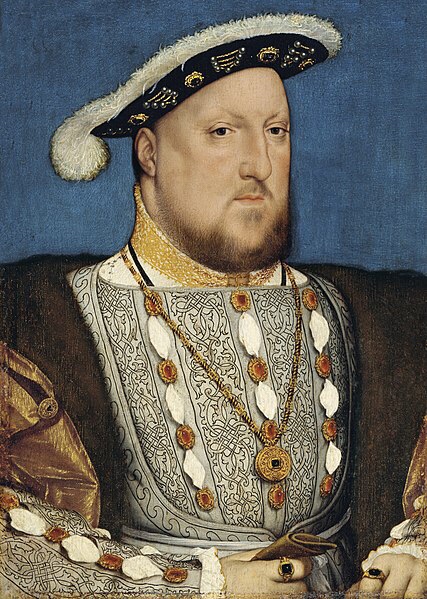
King Henry VIII had made witchcraft a felony punishable by death in 1542; some say he did this as he thought Anne Boleyn was a witch trying to harm him with her craft….img_0354

Agnes was hanged on the 27th July 1566. At her execution she asked God for forgiveness; when asked she said she prayed often but always in Latin to hide her doing so from Sathan, as he would not allow her prayers…. Along with her repentance she also added to the list of accused crimes…. She told of how she had sent Sathan to damage the goods of a tailor named Wardol and to do him harm….but the cat returned to her and said he was unable to do as he had been bade as Wardol’s faith in God was too strong. Agnes also confessed she had been practising witchcraft for 25 years….

Elizabeth was given a lighter sentence – but 13 years later she herself was hanged for a further conviction…. Joan was cleared during the trial; she had testified against her mother and Elizabeth helping to convict them – and so saving her own skin….

Agnes has been an inspiration for many writers and artists since – people remain fascinated by the story…. When we stop to consider what life was like back then it is hard to visualise how it must have truly been. In this modern scientific World that we live in, we know cats can’t talk to us, no matter how it sometimes seems like they can…. They certainly don’t go around killing pigs, cows and people and they definitely can’t turn themselves into demon dogs anymore than we can turn them into toads….

We also now have an understanding of that terrible illness dementia…. Many of us know only too well the heartbreak of having a loved one who suffers from this dreadful disease – the confusion, forgetfulness and sometimes argumentative, aggressive behaviour….

One can’t help wondering if the case of Agnes and Elizabeth centred on mass hysteria, the mischief of a 12-year-old girl, a couple of old ladies suffering from dementia and their obsession with a cat…. How many ‘witches’ hanged were actually people suffering from diseases of the mind? Not having any other means to explain odd, erratic, confused or aggressive behaviour it would not be surprising if people had considered those affected to be under the influence of the Devil himself….

Mad March Hares….

If you follow the meteorological seasons Spring is already with us; however, if it is the astronomical method you use, you will have to wait until March the 20th…. Either way Spring will finally be with us this month – and you might be lucky enough to spot a mad March hare….

img_0311
Brown Hare (Leveret) Smudge9000 via Foter.com / CC BY-SA Original image URL: https://www.flickr.com/photos/smudge9000/34618450662/

Some believe the European hare (Lepus Europaeus) was brought to the UK by the Romans; whilst they most likely did introduce them to the rest of Europe (probably from Asia) there is evidence hares did not actually arrive in the UK until just after the Norman Conquest in 1066. Nowadays the European hare can be found widespread throughout Central and Western Europe and most of the UK – preferring flat countryside with open grassland. As they are more active at night they will rest during the day in woodland and hedgerows….

img_0314
Mad March Hares oldbilluk via Foter.com / CC BY-NC-SA Original image URL: https://www.flickr.com/photos/oldbilluk/4454938937/

Hares are members of the Lagomorpha family and so are related to the rabbit, but unlike their bunny cousins they have never been domesticated. Although similar in appearance, hares are larger in size than rabbits; they also have longer black tipped ears, longer tails and longer more powerful limbs, enabling them to reach speeds of potentially 45mph – making them Britain’s fastest land animal….

img_0320
Brown Hare Wimog via Foter.com / CC BY-NC-SA Original image URL: https://www.flickr.com/photos/32750626@N07/3760703539/

Their breeding season is between January and August – and is accompanied by high jinx leaps, bounds and ‘boxing’ – (hares can jump backwards and sideways as well as forwards)…. We associate this mad behaviour with March but this is only because it is more visible to us in March and April. We also often assume the boxing is two males fighting – but more often it is the female throwing the punches….trying to ward off an over-amorous male – she may also be seeing how strong he is and deciding whether he is a worthy mate….

img_0316
Brown Hares naturelengland via Foter.com / CC BY-NC-ND Original image URL: https://www.flickr.com/photos/naturelengland/14590700893/

A male hare is called a ‘jack’, whereas the female is known as a ‘jill’…. She will produce up to 3 litters a year of up to 4 leverets at a time…. Unlike rabbits, hares do not live underground in burrows but have simple nests; the young are born with fur and open eyes….

Generally hares are solitary or live in pairs; the collective name is a ‘drove’…. Hares are herbivores, eating herbs, bark and twigs but mainly grass in the Winter months….they do not hibernate….

img_0318
Winter hare Tomi Tapio via Foter.com / CC BY-SA Original image URL: https://www.flickr.com/photos/tomitapio/4797323020/

The hare population in the UK is under serious threat; since the late 1800s the numbers have declined by some 80%. Predators include foxes, weasels, stoats, polecats, buzzards and golden eagles – but the biggest predator of all has to be man. Traditionally the hare is a game animal – it is also sometimes considered a pest as it can cause damage to crops and cereal. Around 300,000 a year are shot in Britain; unlike much other game the hare is not protected by a closed hunting season, so even during the breeding season they can be shot. This in itself is a double whammy for the hare population as it means by killing the adults their young are left to starve….

img_0317
Brown Hares in the stubble Ian-S via Foter.com / CC BY-NC Original image URL: https://www.flickr.com/photos/Ian-s/6629931133/

Disease takes its toll; particularly European Brown Hare Syndrome (EBHS) which is highly contagious – (hares are not affected by Myxomatosis)…. Other causes of death include being killed on roads and by farm machinery – especially during grass cutting time…. Another major contributor to their decline is modern-day farming methods….in the last 50 years 150,000 miles of hedgerow have been destroyed in the UK – depriving the brown hare of shelter and food….

These wonderful creatures have been around since the time of the dinosaurs (proven by fossil evidence)…. It would be unthinkable to allow the European brown hare to disappear from Britain altogether – the least we can do is to stop shooting them!

img_0319
European Hare Sergei Yeliseev via Foter.com / CC BY-NC-ND Original image URL: https://www.flickr.com/photos/yeliseev/4561167961/


The Man they could not hang….

John Henry George Lee, also known as John ‘Babbacombe’ Lee or simply as ‘the man they could not hang’ – was born on the 14th of August 1864, in the Devonshire village of Abbotskerswell – and upon leaving school went to work for Miss Emma Keyes, at her home ‘The Glen’, in Babbacombe, a seaside hamlet near to Torquay. Shortly after he joined the Royal Navy – but was discharged for an injury he sustained some three years later….he returned to Torquay and took up a position as footman for a Colonel Brownlow. However, in 1883 Lee was convicted of stealing £20 worth of silverware from his employer and spent 6 months in Exeter Prison doing hard labour….

img_0262

On his release 19-year-old Lee was fortunate enough to be given work again by his original employer, Emma Keyse; the elderly spinster obviously thought he deserved a second chance and already had his half-sister Elizabeth Harris in her employment, working as a cook. Miss Keyse was a wealthy, respected woman – who had been Maid of Honour to Queen Victoria (who had actually spent a night at the Babbacombe house). It seems Miss Keyse was not a lady to tolerate slovenliness – it was common knowledge she’d had reason to reprimand Lee as she was dissatisfied with his work and as a result had reduced his wages….not something that would have particularly pleased him….

It was during the early hours of the 15th of November 1884 that a female servant found Emma Keyse on the floor of the Pantry; she had been severely beaten and her throat had been cut. In an attempt to dispose of the evidence the perpetrator had saturated the body with oil and it was surrounded by burning paper – presumably with the intention of burning the house down….

img_0263
‘Torquay, Babbacombe Bay, from the Inn’ National Science and Media Museum via Foter.com / No known copyright restrictions Original image URL: https://flickr.com/photos/nationalmediamuseum/8448461592/

Immediately the finger of accusation was pointed at Lee and he was promptly arrested. He had supposedly been the only man in the house at the time, he had a criminal record and he had a motive – having had his wages cut…. He also had an unexplained wound on his arm – claiming this had happened when he broke a window to let out smoke from the fire….and it was his knife that had been used to cut the victim’s throat…. All pretty damning evidence – even if circumstantial….

Lee was meant to be represented in Court by a Reginald Gwynne Templar – a young solicitor acquaintance of Emma Keyse. This in itself is a little odd – what also seems rather strange is the eagerness Templar had to take on the case…. However, two days before Lee’s trial was due to begin Templar was taken ill, an illness he never recovered from. Templar died in December 1886 from Paralysis of the Insane – a polite way of saying Syphilis. Speculation is that he was the lover of Elizabeth Harris (Lee’s half-sister); Elizabeth was pregnant at the time, the father of her child ‘unknown’…. Lee claimed Templar was also present in the house on the night of the murder….

Templar’s younger brother Charles, Liberal MP for St. Ives, took over the role of representation in Court for Lee – despite it being only circumstantial evidence it took the jury just 40 minutes to return a ‘guilty’ verdict….Lee was sentenced to hang…. After sentence was passed Lee was questioned as to his calmness, to which he replied….

“The reason I am so calm is that I trust in the Lord and he knows I am innocent”….

Lee’s execution date was set for February 23rd 1885 at Exeter Prison. It was to be the first time the scaffold was to be used in this location – it had been moved from an old prison hospital building that was due to be demolished and had been re-erected…. After 1868 hangings were no longer public but took place inside prisons. The ‘long-drop’ method was used at the time, taking into consideration the person’s height, weight and the muscular build of the neck to calculate the length of rope needed to prevent decapitation….

On the morning of Saturday 21st of February, Prison Governor Edwin Cowan ordered that the scaffold apparatus be ‘thoroughly overhauled, cleaned and tested by the engineer officer and a warden carpenter’…. During the afternoon the apparatus was tested again by the artisan warden and the appointed executioner, in this case a James Berry. The executioner, after testing the equipment twice, verbally reported back to the Governor that he was satisfied all was in working order…. The execution was to take place on the following Monday at 8am….img_0264

Lee was led on to the scaffold, his hands already bound; his legs were then strapped just above the ankles, a hood placed over his head, the noose put around his neck and then adjusted…. James Berry then stepped back and pulled the lever to release the trap doors for Lee to fall through….only it did not happen…. The doors only dropped about quarter of an inch…. The executioner and prison officials stamped on the boards – but nothing budged…. The noose and hood were removed from Lee and he was carried to an adjacent cell….

Berry and the prison officials inspected the apparatus to find out what was wrong – speculating that because it was wet weather the damp had made the wood swell…. A carpenter planed some of the edges and the equipment was tested – this time with a prison officer representing the prisoner by holding on to the rope – everything appeared to be in working order…. Lee was brought back in, the Reverend John Pitkin, Prison Chaplain, once more read the prayers and the process was repeated….once again the trap doors refused to open….

Chief Constable for Devon, Gerald de Courcy Hamilton was present that day….he described how Lee was then subjected to a third attempt (possibly even a fourth – although this was disputed at the time)…. It was the prison’s Medical Officer who intervened, ordering for Lee to be removed to a cell….saying the officials could carry on practicing with a sack of flour, they were not going to experiment on this man any longer….img_0266

The Governor postponed the execution and the Home Secretary, Sir William Harcourt, was informed….who commuted Lee’s sentence to life imprisonment – his view being that it would be inhuman to put the man through all that again. An investigation was launched to discover the reason for the equipment malfunction….

The trap door of the scaffold had two halves and two sets of hinges….the ones at the outer edges of the door allow the halves to swing downwards. Another hinge was situated along the entire length where the halves met in the middle and were secured by draw bolts – when the lever was pulled these were released. In this instance the scaffold had not been re-erected correctly; the end of the long central hinge was resting on about an eighth of an inch of the draw bolt….combined with Lee’s weight pressing down, the doors were prevented from opening to the pit below….

The Home Office report prompted an inquiry into how all future executions were to be conducted and a redesign of the gallows to stop it from ever happening again….

John Lee continued to protest his innocence….in 1907 – after 22 years of imprisonment – he was released…. For a while he became a minor celebrity, giving talks on his experience…. A silent film was made relating the story. Lee married a local woman called Jessie and he became a father….but then deserted his family to take off with another woman, Adelina Gibbs – a barmaid in the public house he was working in at the time. In February 1911 they set sail from Southampton bound for New York to begin a new life in the United States…. Lee died of a heart attack, March 19th 1945 in Milwaukee, Wisconsin, aged 80…. It could be said it is a miracle he didn’t have a heart attack on that fateful day in February 1885…. Perhaps it was Divine Intervention – there was talk that Reginald Templar had confessed to the murder of Emma Keyse on his death-bed….