On this day in history….12th February 1932

On this day in history : 12th February 1932 – Prime Minister Ramsay MacDonald introduces a bill to improve Youth Courts, raising the age of juveniles and banning whipping of under 14s….

Under the reform which came into power in 1933 the age of criminal responsibility was raised to the age of 8 years and the death penalty abolished below the age of 18….

The Children & Young Persons Act also introduced approved schools, for criminal and beyond parental control minors – replacing reformatories, industrial and training schools…. With no locked cells or bars at the windows approved schools were meant to be more like boarding schools…. In 1948 a law was passed that prevented under 17s from being sent to adult prisons….

Discipline in approved schools was strict…. Each establishment was required to keep a punishment book and these were checked by Home Office inspectors on a regular basis…. Punishment books of approved boys’ schools in the 1930s, 40s and 50s show an average of several canings per week…. Corporal punishment was used less in girls’ schools and when it was only the under 15s and across the hands…. Punishment in approved schools did not differ all that much to the discipline meted out in ordinary schools…. However, before the Children & Young Persons Act it was a very different story….

img_2397
published in The Comic Almanack for 1839 – George Cruickshank – Public domain

From 1847 onwards birching could be ordered by ordinary local magistrates for a variety of offences – but was nearly always for stealing…. By 1879 it had become more regulated….and the punishment was often carried out immediately after sentencing…. The young offender (boys up to the age of 14 – and 16 in Scotland) would be taken to a nearby police station – or sometimes it would be carried out in the court itself – and the beating would be administered by a policeman…. The birch used would be smaller and lighter than those used in prisons….

img_2399
Committal for birching – A magistrate’s committal for birching two children dated 4 December 1899 – displayed in West Midlands Police Museum, Sparkhill, Birmingham Credit: Oosoom at English Wikipedia

The birch was a bundle of twigs, bound at one end to form a handle – and came in three sizes…. For boys under 10-years-old the birch measured 34 inches long and weighed 6 ounces…. For 10-16 year-olds it was 40 inches long, weighing 9 ounces…. The adult version was 48 inches long with a weight of 12 ounces…. It would be administered to the unclothed buttocks…. In Scotland the tawse would be used instead of the birch – a leather strap with two or three tails….and boys could receive up to 36 strokes….
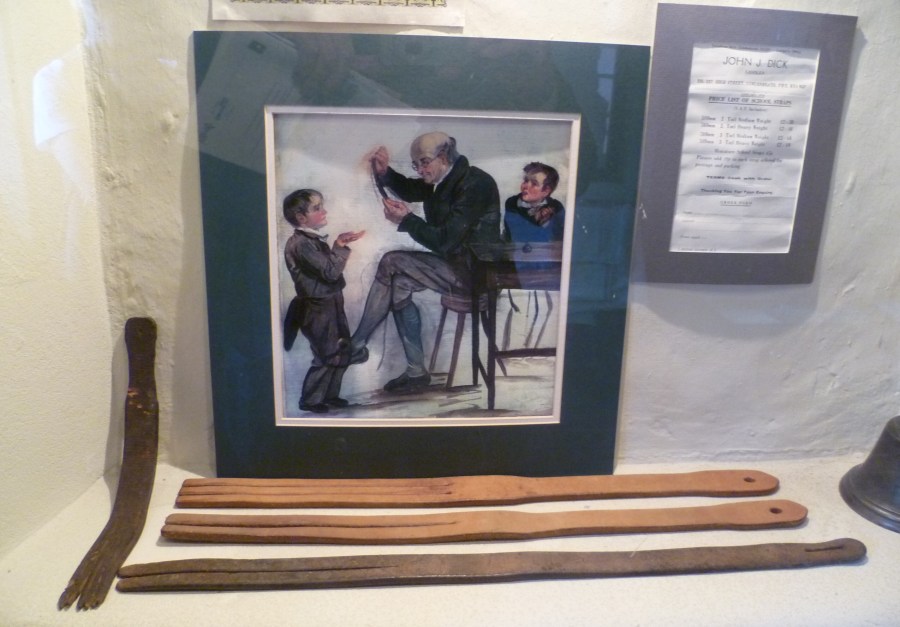
img_2400
Museum specimens of the tawse. Kim Traynor CC BY-SA 3.0

Corporal punishment for juvenile crime was seen as a better alternative to prison – once the punishment had been carried out the recipient was free to go home having learned a very painful lesson….

From the 1860s only higher courts could order corporal punishment for males over 14-years-old….and had to specify the instrument to be used…. The birch was for offenders of any age but the cat-o’-nine-tails could only be used on those over 16-years of age….and the punishment had to be administered in prison….

The cat-o’-nine-tails had a total weight of 9 ounces and each of the 9 tails was a fine whipcord, each measuring 33 inches long….and the tip bound with silk (not knotted at the end – this is a common myth)…. The tails were attached to a 19″ handle….

Both the birch and cat were issued to prisons by the Home Office and were distributed from Wandsworth Prison….

The cat was applied to the bare upper back…. The birch was rarely used on adults to start with but eventually became more common place than the cat…. Some adults would have preferred the cat given the choice (but doubt if they were) as they felt it less humiliating than having to expose their buttocks….

img_2398
Cat-o’-nine-tails United Kingdom 1700-1850 Credit: Science Museum London CC BY via Wellcome Collection

The birch and cat-o’-nine-tails were abolished in the UK in 1948 (but were still used in prisons for violent assaults on prison staff until 1967)…. One of the last cases was that of a 23-year-old man who was sentenced at the Old Bailey in 1947 to 6 strokes of the cat and 7 years imprisonment for an armed raid on a public house in South London….

The birch was last used as a punishment for an assault on a prison officer in 1962…. Before that during the 1950s there had been an average of 3 or 4 such punishments per year for similar offences….

The Channel Islands finally banned the birch in the 1960s, with the last case on Jersey being in 1966 and Guernsey in 1968…. It took the Isle of Man until 1976 to abolish it – the last case being that of a 13-year-old boy who stole 10p from another child….

It took state schools until 1986 to ban caning and 1998 in private schools…. Scotland’s schools followed in 2000 and Northern Ireland in 2003….

img_2396
Digitised by State Library of Queensland – Public domain

On this day in history….11th February 1895

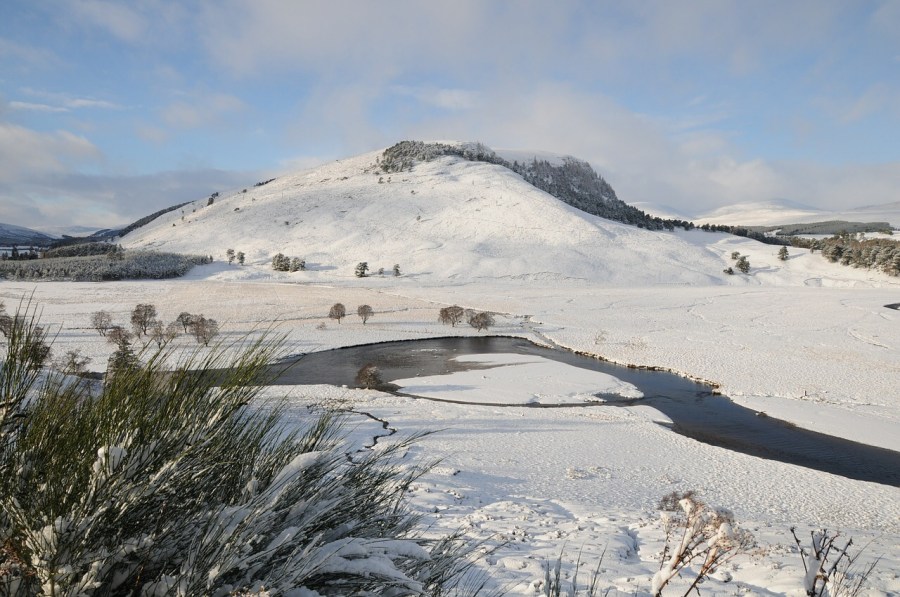
On this day in history : 11th February 1895 – The lowest UK temperature on record ~ minus 27.2 degrees Celsius ~ is recorded at Braemar in Aberdeenshire….

img_2394

Nearly a century later, on the 10th of January 1982, the record was equalled – again in Braemar but accompanied by Altnaharra in Sutherland too…. The coldest temperature ever recorded in England was on the 11th of January 1982 in Newport, Shropshire at a very chilly -26.1°C…. Whereas the highest ever temperature was 38.5°C, at Faversham, Kent on the 10th of August 2003….

We British do love to talk about the weather…. In fact, on average we discuss it at least once every six hours….and 70% of us check the forecast on a daily basis…. Actually, contrary to worldwide belief, our weather is not that bad – it’s usually temperate…. It’s just that when extreme conditions do come along, we are unprepared and ill-equipped. Here’s the problem….it’s unpredictable – where else can you experience all four seasons in one day…?

weather-5

It is hardly surprising our weather behaves so unpredictably….we are a nation where war is constantly raging – a clashing of the fronts. Being a group of islands we are battered by winds from all directions….

Artic Maritime from the North – cold;

Polar Continental, North East – cold and dry;

Polar Maritime, North West – cold and damp;

Tropical continental, South East – warm and dry;

Tropical Maritime, South West – warm and wet….

No wonder our weather gets confused…!

Britain lies at the edge of the Atlantic. Storms feed on the temperature difference between the Poles and the Equator. As the cold and warm air rush towards each other and meet, cyclones are formed…. Being at the end of the storm track we get the tail end of them – and sometimes there is a sting in that tail….

img_2395

On this day in history….10th February 1787

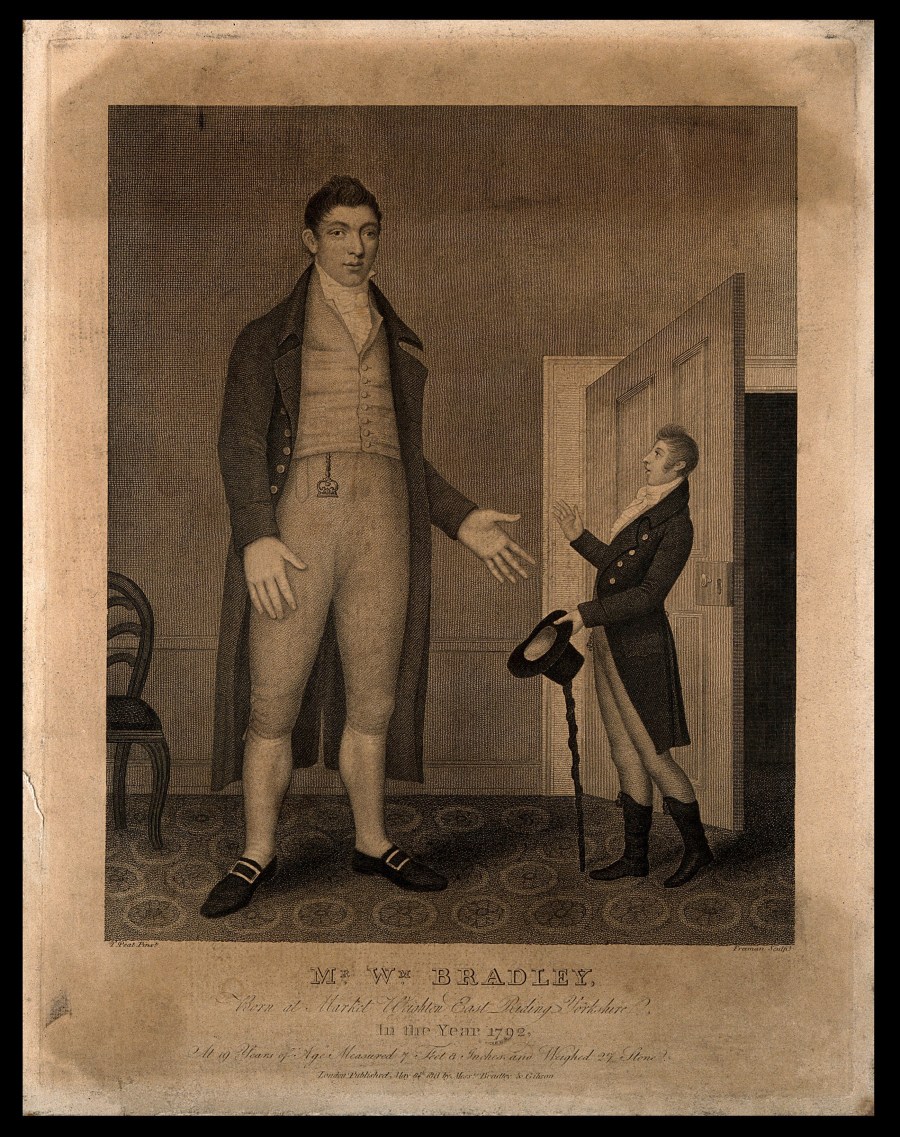
On this day in history : 10th February 1787 – The birth of William Bradley – also known as ‘The Yorkshire Giant’ – and the tallest British man on record….

William was born in Market Weighton, in the East Riding of Yorkshire…. He was the fourth son in a family with 13 children….and he weighed 14lbs at birth…. By the time he was 11-years-old he weighed 11 stone….and as an adult 27 stone – at a height of 7 feet and 9 inches (2.36m)…. His shoes were 15 inches long and 5.5 inches wide – and his walking stick measured 5ft 10″…. With his enormous appetite it is said he could eat an entire leg of mutton with accompanying vegetables in one meal….

img_2387
William Bradley, a giant. Coloured etching, 1810. Credit: Wellcome Collection CC BY

It could quite possibly be assumed that William came from a tall family – but his father was a modest 5ft 9″ (1.75) and his mother and siblings also of average height…. With the exception of one sister – who was growing at a rate of that to match William…. Sadly she was involved in a fatal accident at the age of 16, so her full height potential was never realised….

By all accounts William was teased at school because of his height…. However, his teacher had a special job for him…. When one of the pupils misbehaved the teacher would instruct William to lift the errant child up into the cross beams of the classroom – and there they would stay, clinging-on for dear life – until they had learned the error of their ways….

On leaving school William worked as a farm labourer near to the town of Pocklington – earning less than 10 shillings per week…. Then an opportunity arose to make a far more substantial living….when he was spotted by a travelling circus visiting a neighbouring town….

A deal was struck with Barnum’s, who were touring with a huge pig – known as ‘The Great Yorkshire Pig’ – which had been bred in the nearby town of Sancton…. Along with a dwarf named Edward Calvert from Shiptonthorpe, William joined what was to become an extremely successful travelling show – he became known as ‘The Yorkshire Giant’…. These travelling circuses, or ‘freak shows’, were a very popular form of entertainment at the time….

However, life on the road living in a caravan, took its toll on William’s health. In 1815 this, coupled with the small matter of the circus regularly neglecting to pay him, prompted William to make the decision to ‘go it alone’…. He began to hire venues, such as hotel rooms and would charge visitors a shilling a time to have an audience with him…. William became quite a wealthy man….

On one occasion he was presented to King George III at Windsor Castle – who gave to him a magnificent gold watch on a chain…. William wore this for the rest of his life….

William died of tuberculosis on the 30th of May 1820, he was 33-years-old. As his health had begun to fail he had returned to live at the family home in York Road, Market Weighton. The house still stands today….a memorial plaque – the size of his footprint – can be seen on the side…. A carved, life-sized, wooden statue can also be found in the town and an annual festival in his memory has been held since May 1996….

William was buried within the building of the town church – as it was feared grave robbers would be attracted to his remains…. His funeral took place in the early morning to avoid large crowds – but still people turned out en-masse – either to pay their respects, or to satisfy their own morbid fascination…. William’s coffin was 9ft long and 3ft wide….

img_2388
William Bradley, a giant. Engraving by S.Freeman, 1811 after T.Peat. credit: Wellcome Collection CC BY

On this day in history….9th February 1649

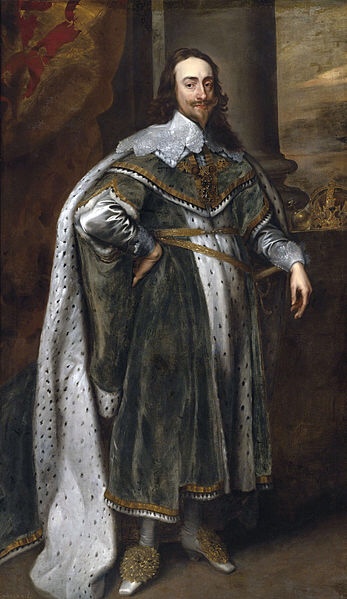
On this day in history : 9th February 1649 – The funeral of King Charles I, who was beheaded in Whitehall, London – the only English king to be executed….

img_2361
King Charles I by Sir Anthony van Dyck – Public domain

Like his father before him Charles believed in the ‘Divine Rights of Kings’…. It was his belief that kings were chosen by God – and so he only had God to answer to…. He refused to consider the views of others….especially in religious and parliamentary matters. He dissolved Parliament several times and governed the Country alone…. He was determined to hold on to his absolute power and thought it his sole right to make the Laws of the Land – and to go against him was a sin against God…. He was something of a dictator perhaps….

img_2356
King Charles I after original by van Dyck – Public domain

This of course made him unpopular both with the people and his own Parliament…. Eventually it was to lead to civil war….the Royalists against the Parliamentarians (Roundheads), led by Oliver Cromwell….

Gradually the Roundheads gained the upper hand…. Charles fled London but eventually surrendered to the Scots – who handed him over to Cromwell…. Charles was imprisoned in 1646 – and kept at Hampton Court Palace – but managed to escape…. He was recaptured and then held at Carisbrooke Castle, on the Isle of Wight….where he was treated well….

img_2355
Charles at Carisbrooke Castle, as painted by Eugene Lami in 1829 – Public domain

Charles refused to repent or admit defeat – and on the 1st of January 1649 he was put on trial at Westminster Hall….accused of being a “tyrant, traitor and murderer; and a public and implacable enemy to the Commonwealth of England”….

Charles refused to defend himself – not recognising the legality of the court…. His date of execution was set for the 30th of January 1649….

Charles is usually portrayed as an arrogant man – but by all accounts in private he was gentle and polite…. He was shy in public which came over as arrogance…. He was a particularly loving father to his six children and spent his last few days at St. James’s Palace consoling them….

img_2360
Five of the children of King Charles I after Sir Anthony van Dyck – Public domain

On the morning of the day of the execution, a bitterly cold Tuesday, he rose early…. He asked for two thick shirts as he didn’t want to shiver and have the crowds think he was shaking from fear…. At 10am he walked with his guards to Whitehall Palace where he was to wait in his bedchamber until the call to the scaffold was made….

The call came just before 2pm…. The scaffold was set up just outside Banqueting Hall in Whitehall – and was draped in black…. The executioner and his assistant were hooded, so as not to be recognised….

Despite the bitter January weather a huge crowd had gathered – but were held back at a considerable distance from the scaffold, in case of unrest…. So far away in fact, that few were able to catch the words of the King’s final speech….

….” I shall go from a corruptible to an incorruptible Crown, where no disturbance can be, no disturbance in the world”….

img_2357
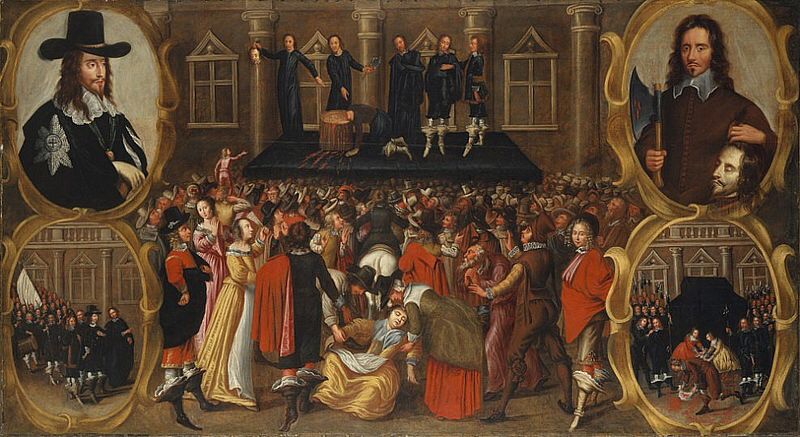
The Execution of Charles I of England – Scottish National Gallery – Public domain

At just after 2pm King Charles I was dead; beheaded with a single blow….and an audible groan was heard from the crowd…. Charles may not have been the most popular of kings but he had faced his death with courage – his personal dignity had won him much sympathy from the public….

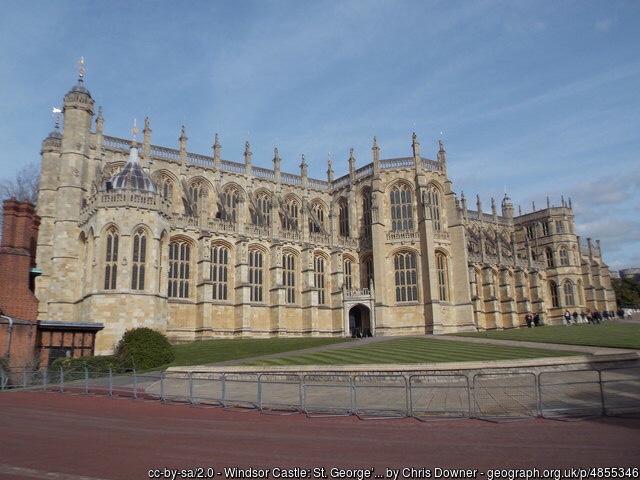
The King’s embalmed body – with head re-attached – remained on public view at St. James’s Palace until the 7th of February. The Committee of Parliament refused permission for a burial at Westminster Abbey but allowed his being laid to rest in St. George’s Chapel at Windsor Castle….

img_2359

Usually a king’s funeral would be filled with pomp and ceremony but the funeral of King Charles I was a very different affair. The only English king to have been tried and executed for treason is now buried in the vault of King Henry VIII and Jane Seymour…. On the 30th of January every year a Service of Commemoration is held at Banqueting House and a wreath laid at his statue outside the Banqueting Hall, the site of his execution….

img_2358
Statue of King Charles I at Banqueting House – image credit: CVB via Wikipedia CC BY-SA 4.0

On this day in history….8th February 1983

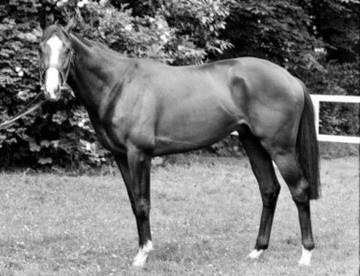
On this day in history : 8th February 1983 – Shergar, the 1981 Derby winner is kidnapped from his stable in County Kildare, Ireland….

img_2352
Shergar – Micheal Daines – fair use

Along with Red Rum, (the three-time winner of the Grand National), Shergar has to be one of the most famous race horses of the last century…. With his distinctive white blaze and socks – and the way he raced with his tongue hanging out – the bay colt won the hearts of the nation….

After an incredible season in 1981 – when he won the Epsom Derby by 10 lengths as well as the Irish Derby – five-year-old Shergar, who was owned by the Aga Khan, was retired from racing….

Shergar was born in Kildare in 1978 – and this was where he was retired to – ready to be put to stud at the Ballymany Stud, Curragh, Co. Kildare…. The Aga Khan sold the horse to a syndicate; 40 shares at £250,000 each – 6 of which he kept himself – making Shergar worth £10 million….

In his first season at stud he bred with 35 mares….and was expected to cover at least 55 in his next…. At a stud fee of £80,000 per time this made Shergar not only one of the most famous horses but also one of the most valuable….

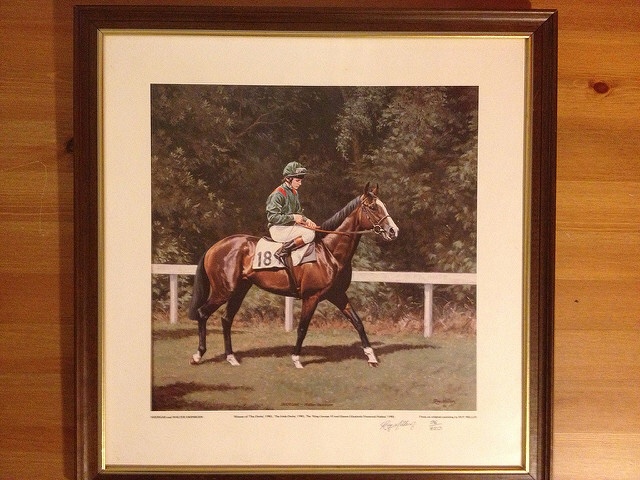
img_2351
Shergar and Walter Swinburn – by Ray Miller (1981) : image credit – Ken Jones via Flickr

Head groom Jim Fitzgerald lived at the stud with his family…. On the evening of the 8th of February 1983 at around 8.30pm his son answered a knock at the door. Three masked gunmen burst in – part of a gang of at least six…. “We have come for Shergar. We want £2 million for him”….

Fitzgerald’s family were locked in a room and the groom was forced at gunpoint to load Shergar into a horse-box…. He was then ordered to lie on the floor of the van and he and Shergar were driven away….

After about four hours of being driven around Fitzgerald was released roughly 20 miles away, near to the village of Kilcock…. It was several hours before the police were informed – and by this time the trail had already gone cold. There was also a large horse sale taking place locally, with so many horse boxes in the area it made it even more difficult for the Garda….

There was some negotiation between the gang and the Aga Khan – but he was no longer the outright owner of Shergar – possibly the gang did not know this…. No ransom was ever paid out – and contact between the gang and the Aga Khan was severed….

No one ever officially admitted responsibility to the kidnapping – and so nobody has ever been convicted….. However, it is accepted that it was the work of the IRA – as an attempt to raise much-needed funds….

img_2353
Shergar on his way to winning the 1981 Epsom Derby – George Selwyn – fair use

There have been several theories and rumours as to what happened to Shergar…. One being that the horse fractured a leg bone and as the gang had no access to veterinary help, felt they had no alternative but to shoot him…. Other stories are far more grisly….

As there was no proof of his death Shergar’s insurers refused to pay out…. It is pretty much a forgone conclusion that Shergar’s kidnappers did murder him….and it is believed his remains lie in a bog about 10 miles from the border with Northern Ireland….