On this day in history : 24th December 1914 – The first aerial bomb to be dropped on British soil lands on a rectory lawn in Dover, after being launched from a German Friedrichshafen FF 29 Seaplane….
Friedrichshafen FF 29 seaplane (on the deck of a German WW1 submarine) – Public domain
It landed in a garden near to Taswell Street, Dover – blowing the windows out of the house, a gardener out of a tree and leaving behind a 10ft crater….
It is believed the bomb had been intended for Dover Castle, which was nearby and being used as a military base during World War One….
On hearing the massive explosion residents of Dover believed the port town was being shelled – as only a few days before such attacks had been carried out on Scarborough, Whitby and Hartlepool on the north east coast….
People had not even been aware that bombs could be dropped from aeroplanes…. By the end of the War 184 bombs had been dropped on Dover, killing 23 people and injuring a further 71….
A fragment of the first bomb is now held by the Imperial War Museums – after it had been presented to King George V….
A variety of the bombs used by the Germans in WW1 – Public domain
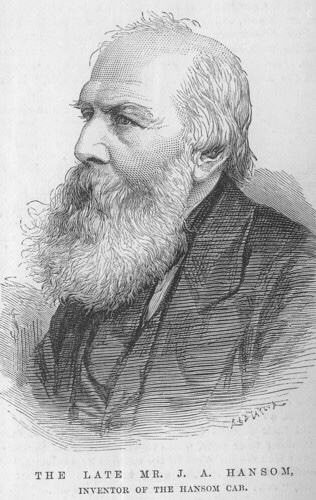
On this day in history : 23rd December 1834 – English architect Joseph Hansom patents the horse drawn taxi that becomes known as the Hansom Cab….
Joseph Hansom – Public domain
Hansom was a prolific architect from York, who designed some 200 buildings, including Birmingham Town Hall, Arundel Cathedral, the Oxford Oratory and the Cathedral of St. John the Evangelist in Portsmouth…. He also designed many other churches and public buildings….
Birmingham Town Hall – Image credit : Very Quiet CC BY-SA 2.0
After designing his safety cab it was suggested by his employer that he patent it – and so he did in December 1834…. His cab had a lower centre of gravity than its contemporaries, with larger wheels and a suspended axle…. This gave a more comfortable ride and made it safer than existing carriages….
Hansom Cab – Image credit : Andrew Dunn CC BY-SA 2.0
Hansom sold his design and patent on to a manufacturing company for £10,000…. However, the company got into financial difficulties and so he never received his money…. The first Hansom Cab travelled down Coventry Road in Hinkley, Leicestershire in 1835….
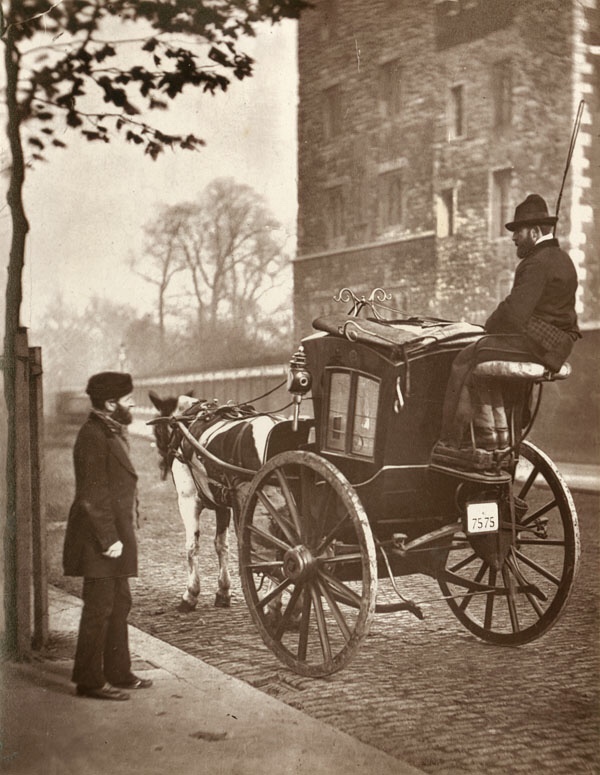
Hansom Cab, London 1877 – Public domain
The cabs soon began to appear on the streets of London and proved to become very popular…. They were fast and light enough to be pulled by one horse; their agility meant they could be easily steered around the traffic jams congesting the busy city centre…. It was not long before other cities in the UK and Ireland welcomed them and they went on to spread across continental cities such as Paris, Berlin and St. Petersburg…. They were used across the Empire – and became especially common in New York…. But by 1908 they were in decline as they were beginning to be widely replaced by motor vehicles….
On this day in history : 22nd December 1909 – The birth of BAFTA award winning actress Patricia Hayes – who appeared in so many much loved radio and television comedy shows….
Fair use
Patricia was born in Streatham, London…. Her father, George Frederick Hayes, was a civil service clerk and her mother, Florence Alice, was a school teacher…. After attending school in Hammersmith Patricia joined the Royal Academy of Dramatic Art at the age of 18 – having already made her stage debut when she was just 12 years old…. After her training she was to spend the next ten years in the repertory theatre….
She married actor Valentine Brooke in 1939 and they were to have three children, two daughters and a son, the actor Richard O’Callaghan…. Patricia and her husband were to divorce in 1951, she never remarried….
During the 1940s she appeared in numerous films, including Went the Day Well? in 1942 and Nicholas Nickleby in 1947 – but during the 1950s it was radio and TV comedy that she was to become well-known for…. Her work included Hancock’s Half Hour, The Benny Hill Show, The Arthur Askey Show and Till Death Us Do Part…. She was frequently cast in the roles of Cockney characters…. She would still occasionally undertake film work, appearing in films such as The Bargee in 1964, The NeverEnding Story in 1984, A Fish Called Wanda in 1988 and Willow in 1988….
Theatrical release poster for The NeverEnding Story
But it was in 1971 that Patricia took on a very different role to her usual comedy characters, when she stared in Jeremy Sandford’s Play for Today Edna, the Inebriate Woman…. Her powerful portrayal of the drunk and troubled Edna won her a BAFTA…. After this it would have been easy to alter the path of her career to follow a route of more serious roles – but Patricia chose to return to the comedy she did so well….
She was awarded with an OBE in 1987…. She continued acting well into the 1990s with appearances in ITV’s The Bill and the BBC’s Lovejoy…. Patricia died on the 19th of September 1998 in the Surrey village of Puttenham and is buried in Watts Cemetery, Compton…. Her last film Crime and Punishment was released posthumously in 2002….
On this day in history : 21st December 1846 – Scottish surgeon Robert Liston uses ether as an anaesthetic for the first time in a British operation – to perform the amputation of a leg….
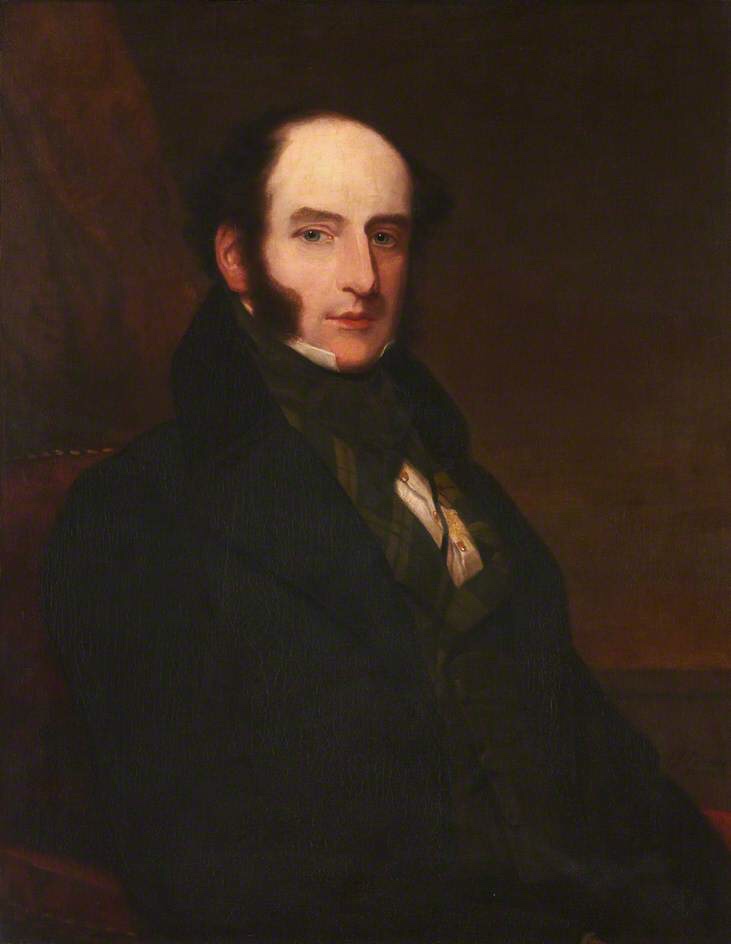
Robert Liston, 1847 – Portrait by Samuel John Stump – Public domain
Liston had become the first Professor of Clinical Surgery at the University College Hospital in London in 1835…. He was known as ‘the fastest knife in the West End’, as he could amputate a leg in two and a half minutes….
At 6 foot 2 inches he was an imposing figure…. He would remove his frock coat and operate in his Wellington boots…. After his patient had been strapped down he would call out to his students “Time me gentlemen, time me”…. Then with a whirling of his knife and saw he would cut through the flesh and bone of the offending limb…. He once, in addition to his patient’s leg, severed two fingers belonging to his assistant…. Both patient and assistant later died of sepsis…. Another time he amputated a leg but inadvertently cut off his patient’s testicles as well….
This may all appear rather barbaric – but at the time speed was of the essence, to reduce the period of intense pain and to improve the chances of survival…. Between 1835 and 1840 Liston carried out 66 amputations and only 10 of his patients actually died…. (Oh and the occasional assistant of course)….
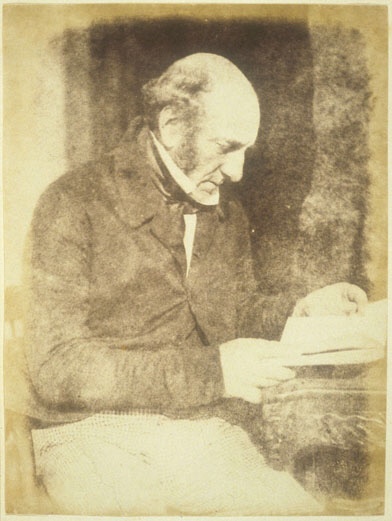
Photograph of Robert Liston c.1845 – Public domain
On the 21st of December 1846 Frederick Churchill was the first patient in Europe to have surgery under anaesthetic…. The first operation using ether had been carried out on the 16th of October 1846 by Surgeon William T.G. Morton in Massachusetts…. When performing the amputation of Frederick Churchill’s leg Liston commented “This Yankee dodge beats mesmerism hollow”….
On this day in history : 20th December 1979 – More than five million council tenants in Britain are to be given the right to buy their homes as The Housing Bill is published….
The right-to-buy scheme gave council tenants, who had lived in their homes for up to three years, a 33% discount on the market value of the property…. This discount increased the longer they had lived there, up to 50% for those who had been resident for twenty years or more…. Additional help was offered in the way of a 100% mortgage from the local authority….
Margaret Thatcher’s Conservative Government believed a property owning population would be a more socially responsible one and that the social structure of Britain would change for the better…. Michael Heseltine, the then Secretary of State for the Environment, stated “This Bill lays the foundations for one of the most important social revolutions of this century”….
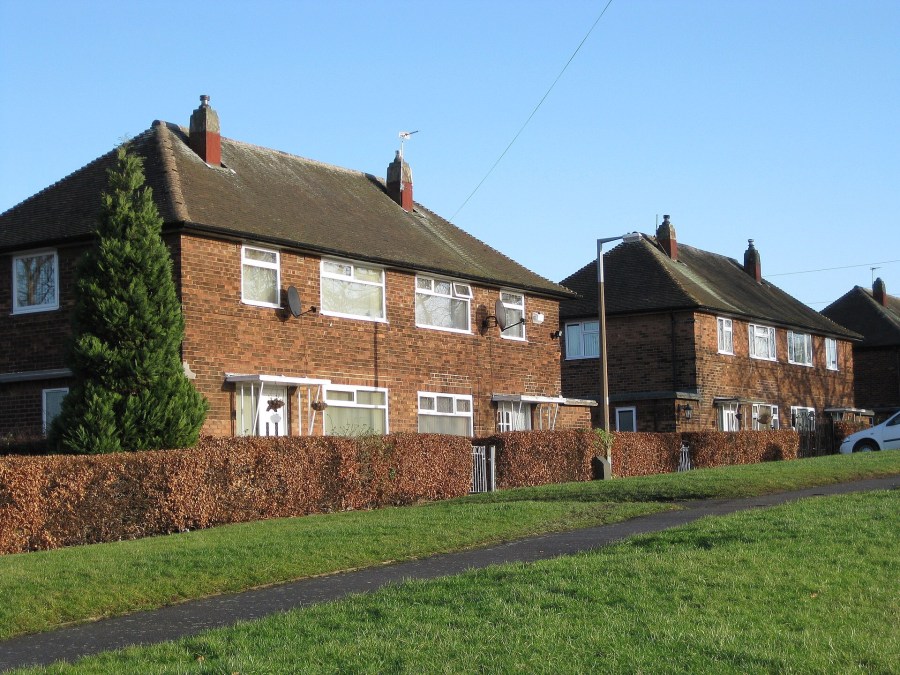
Semi-detached council homes, Seacroft, Leeds – typical of the many now privately owned – Image credit : Chemical Engineer – Public domain
The scheme was strongly oppose by Labour – but nevertheless The Housing Act came into force on the 3rd of October 1980…. By November 1982 more than 400,000 households had bought their homes and the scheme extended to leasehold property tenants…. By 2003 it is estimated some 1.5 million council homes had been sold….
There is now a shortage of social housing across the UK….







 Cottage Capers