On this day in history….13th December 1795

On this day in history : 13th December 1795 – A meteorite crashes on to the land of Captain Edward Topham, in Yorkshire…. He manages to retrieve and exhibit it….
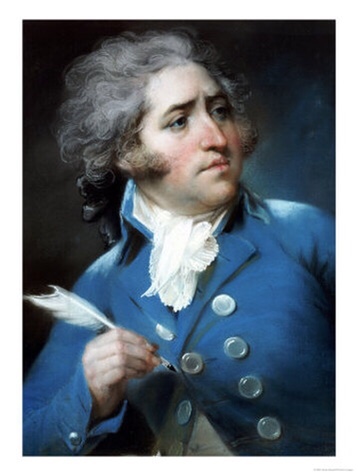
Edward Topham by John Russell c.1795 – Public domain

As well as his army career Topham – who was born in 1751 – was also an author, poet, journalist, playwright and critic…. He was known throughout fashionable London for his impeccable manners and his unique personal dress-style…. His plays, comedies, epilogues and prologues were performed by leading actors of the day at venues such as Drury Lane and Covent Garden….

Topham also started his own newspaper – The World…. He regularly made his own contribution to its content with his feature The Schools – in which he would reminisce about his days at Eton and those he had met there….

After his retirement he moved with his three daughters to Wold Cottage, near to Thwing in the East Riding of Yorkshire…. ‘Cottage’ is perhaps a rather modest description of the property – as it was in fact a farm with hundreds of acres…. It was his intention to spend his days farming and writing….

It was around 3pm on Sunday the 13th of December 1795 that a meteoric stone unexpectedly fell two fields away from Wold Cottage…. As soon as it was reasonably safe to do so Topham had it dug up – apparently it was still warm and smoking…. It had buried itself in 12 inches of soil and 6 inches of solid chalk rock…. The meteorite weighed 3 stone 13lbs and measured 36 inches in length and 28 inches in breadth…. Part of it was exhibited in the Museum of James Sowerby in London – and it can now be seen in the Natural History Museum….
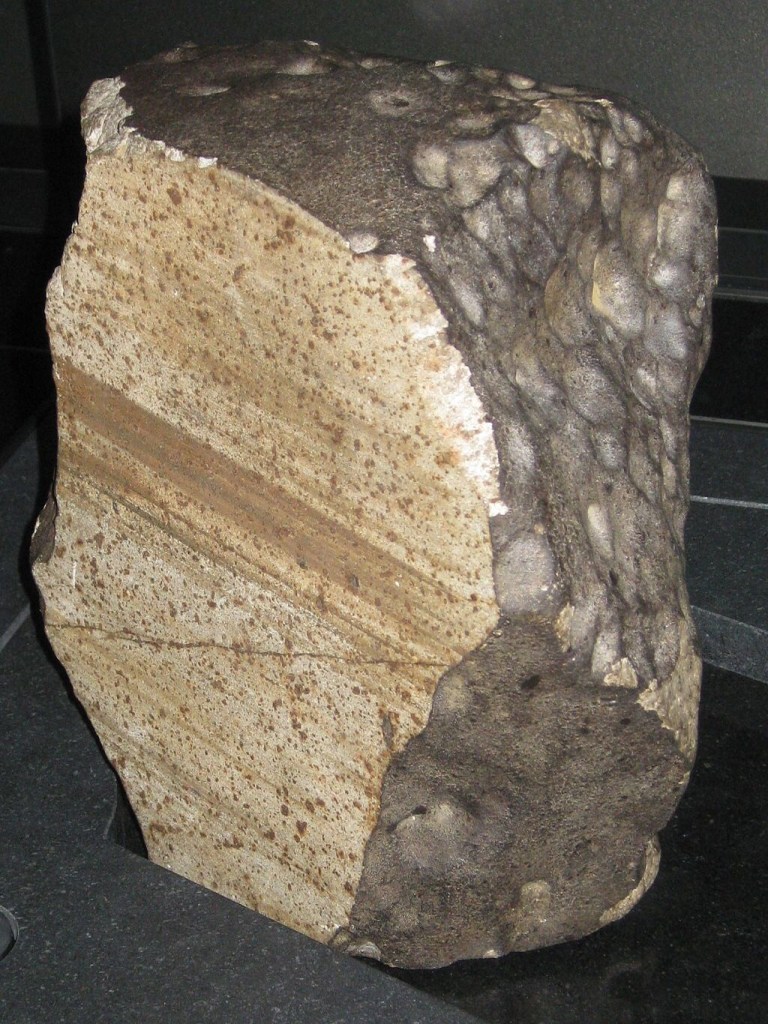
Wold Cottage Meteorite – Image credit : Chemical Engineer – own work – CC BY-SA 3.0

On this day in history….12th December 1939

On this day in history : 12th December 1939 – HMS Duchess sinks after colliding with HMS Barham off the coast of Scotland; 136 lives are lost….

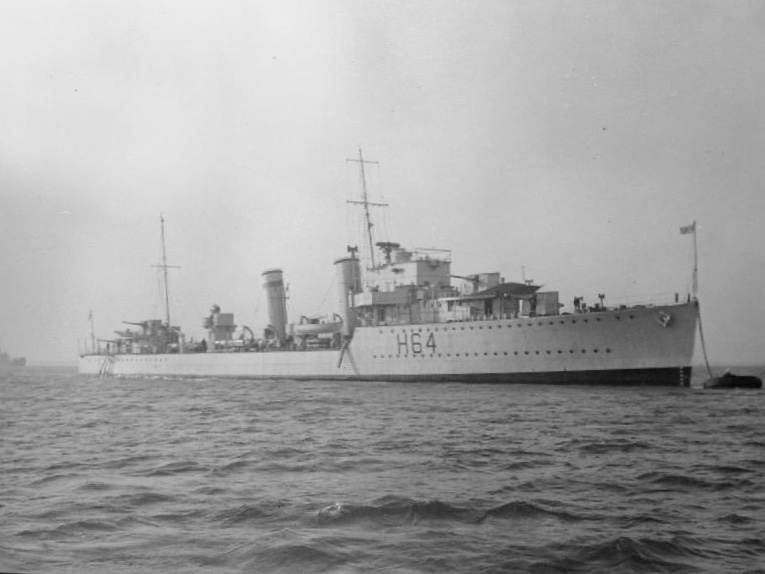
HMS Duchess – Public domain

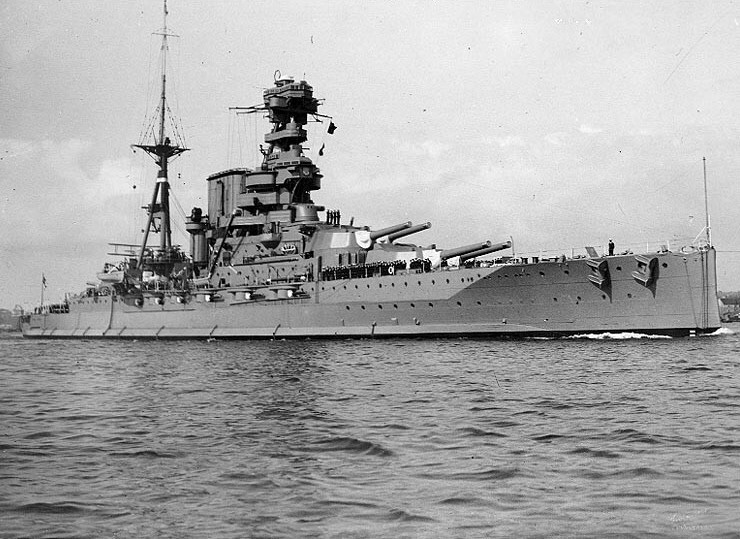
HMS Duchess, a D-class destroyer, had been built in the 1930s…. In December 1939 she was ordered, along with her sister ships, HMS Delight, HMS Duncan and HMS Dainty, to escort HMS Barham back to the UK from Gibraltar…. Barham was a Queen Elizabeth-class battleship that had been built in the early 1910s…. She had served in World War One and then after a major refit in the 1920s was to serve in World War Two…. She had been part of the Mediterranean fleet but as of the 1st of December 1939 had become a private ship and so was heading to join the home fleet…. The convoy departed on the 6th of December….

The voyage went well but arrived off the coast of Scotland on the morning of the 12th of December in dense fog…. Nine miles west of the Mull of Kintyre HMS Barham accidentally rammed HMS Duchess due to the poor visibility…. Duchess capsized and her depth charges exploded…. 136 of her crew were lost, including her commanding officer, Lieutenant Commander Robert C.M. White – who was trapped in his cabin as his sliding door had jammed….

HMS Barham – Public domain

HMS Barham herself was to sink two years later, on the 25th of November 1941 – after being torpedoed…. At the time her sinking was censored from the news by the Board of Admiralty, in an effort to conceal the sinking from the Germans – but also to protect the British morale…. It was several weeks before the next of kin of the 862 crew who had died onboard Barham were informed…. Even then they were requested to keep it secret….

The sinking was officially announced on the 27th of January 1942…. The explanation for the delay was given as…. ‘It was clear at that time that the enemy did not know that she had been sunk, and it was important to make certain dispositions before the loss of this ship was made public’….

The sinking of Barham was caught on film by a cameraman from Pathe News who had been onboard HMS Valiant….

On this day in history….11th December 1903

On this day in history : 11th December 1903 – The Society for the Preservation of Wild Fauna of the Empire is formed – and is the first wildlife preservation society in Britain….

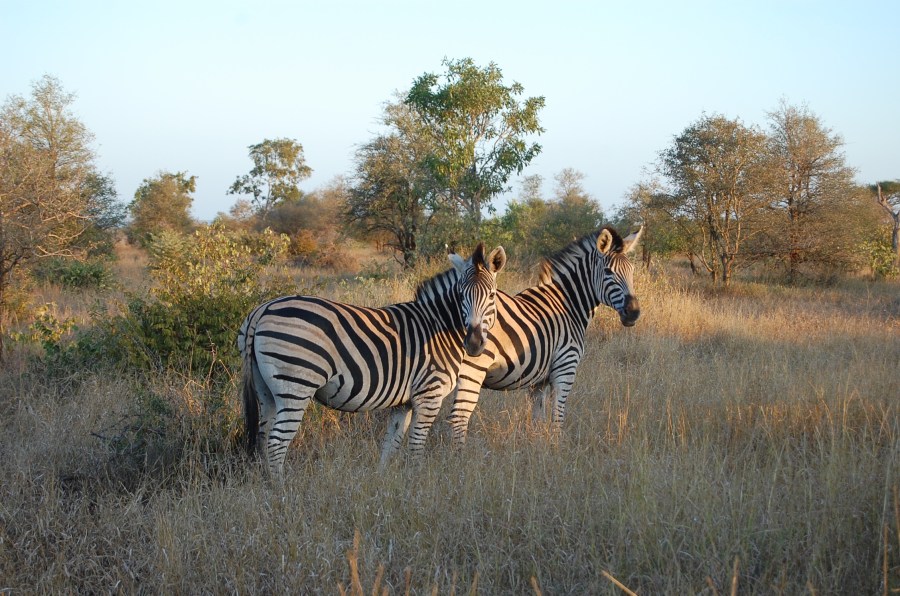
Zebra in Kruger National Park – Image credit : Nithin bolar K – own work – CC BY-SA 3.0

The SPWFE was formed by a group of British and American statesmen in Africa, out of concern over the excess hunting of Africa’s large game animals, especially by trophy hunters…. Concerns were also raised about encroachment on natural habitats, it was recognised that intervention was needed to safeguard the future of these species….

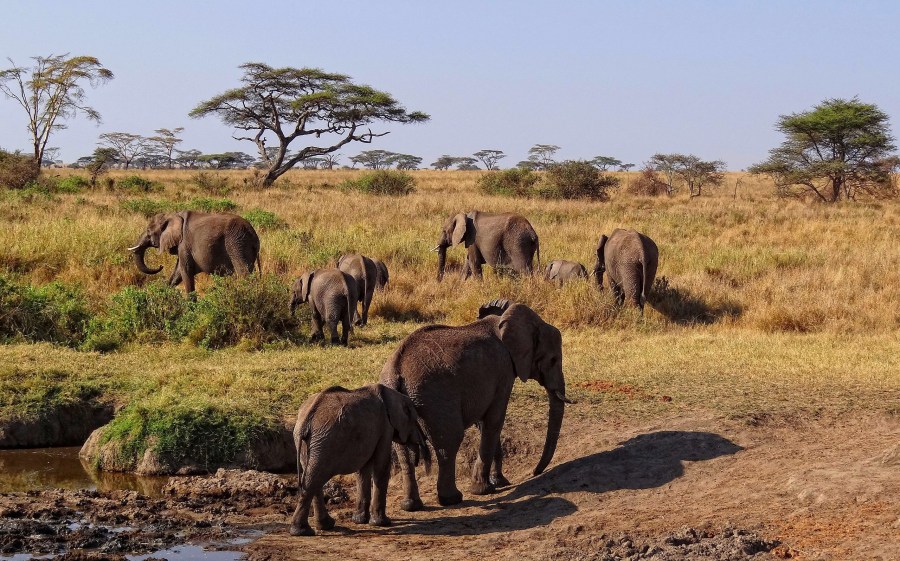
Herd of Elephant in the Serengeti National Park – Image credit : Bjorn Christian Torrissen – own work CC BY-SA 3.0

The society worked with landowners, sports hunters and the government…. Doing so aided the passing of legislation controlling hunting in vast areas of East and South Africa…. This in turn made it possible for later National Parks to be formed, such as the Serengeti and the Kruger National Parks….

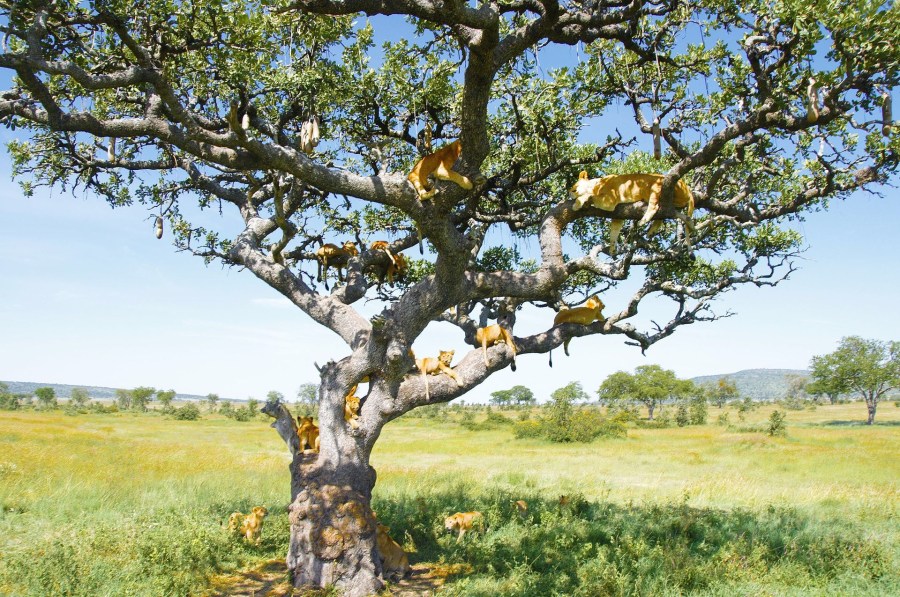
Group of lions in a tree on the Serengeti Prairies – Image credit : Prof. Chen Hualin – own work – CC BY-SA 4.0

In 1981 the society became known as the Fauna and Flora Preservation Society…. It is now a registered charity with its head office in Cambridge…. It has royal patronage, dating back to 1928, when Edward Price of Wales (later to become King Edward VIII) became its first Patron…. Queen Elizabeth II is its current Patron….

Logo for Fauna and Flora International – Fair use

On this day in history….10th December 1868

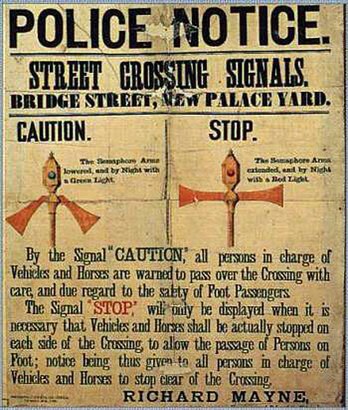
On this day in history : 10th December 1868 – The world’s first traffic lights come into service outside of the Palace of Westminster, London…. They were not quite like those that we are used to today….

Image credit : Leonard Bentley via Flickr

The lights were placed at a busy and notoriously dangerous junction at the north-east corner of Parliament Square…. A traffic policeman had recently been killed – and two Members of Parliament had been badly injured….

Installation had been completed the previous day and there were high hopes that the new lights would alleviate the traffic problems…. They had been designed by railway engineer J.P.Knight from Nottingham, who had adapted his design for a railway signal…. The 22ft high contraption had three semaphore arms on a pillar, that had to be operated by a police constable using a lever at the base…. The arms would extend horizontally to tell drivers to stop; arms lowered to 45 degrees meant proceed with caution…. At night gas lamps on the arms were lit – red for stop, green for proceed with caution….

John Peake Knight – Public domain

Initially it was a partial success – but there were those who were sceptical…. Punch Magazine described it as a ‘Scary Apparition, beaming through the fog’…. Many drivers found the semaphore arms too confusing….

Image : Punch, March 20th 1869

Then on the 2nd of January 1869 leaking gas from one of the supply cables under the pavement exploded – and the contraption blew up, seriously injuring the policeman who was operating it at the time…. The lights were repaired and were used for a few more months – but they kept on going wrong and so were removed by the end of the year…. Electric lights were eventually installed in 1926 with the first at Piccadilly, London….

On this day in history….9th December 1995

On this day in history : 9th December 1995 – British soldier Sgt. Timothy Cowley is freed by special forces 119 days after being taken hostage by Colombian bandits….

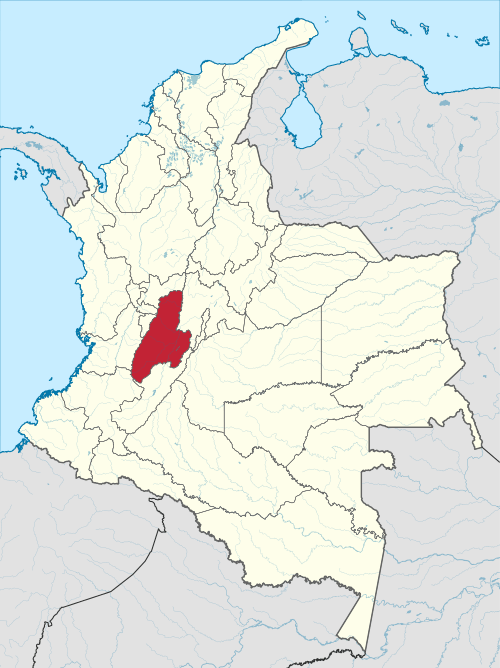
32-year-old Staff Sergeant Timothy Cowley had been birdwatching in the Tolima region, a remote mountainous area of Colombia – and a known drug producing territory….He had been driving and had come across a roadblock – when it was realised that he was connected to the British Embassy he was seized by the guerrilla gang…. It was not long before the British authorities received a ransom demand of £1.3m from the Revolutionary Armed Forces of Colombia – the country’s largest guerrilla group….

Tolima shown in red – Image credit : TUBS – own work CC BY-SA 3.0

Negotiation experts from Scotland Yard arrived in Colombia, along with members of the SAS – to assist the Colombian authorities…. Negotiations were so sensitive that news of his kidnapping was kept secret – although it was leaked a couple of weeks later…. Only two weeks before Cowley had been taken a 22-year-old British student had been executed when a £33k ransom had not been paid…. And three years previously a British businessman had been shot dead after being kidnapped….

There was much speculation at the time that Cowley was involved in British military action against the drugs gangs…. However, this was strongly denied by the British government – who said he had been working as a clerk at the British Embassy in Bogotá and had gone to the Tolima region as an amateur ornithologist….

Tolima Department of Colombia – Image credit : JELVi CC BY 3.0

The SAS were not involved in the physical rescue operation but advised the Colombian Special Forces and helped them to track Cowley…. When they found him the gang had fled and Cowley was tied to a tree with a rope around his neck – but otherwise unharmed…. He had spent much of his 119 days in captivity blind folded and tied up….

After the successful rescue mission Foreign Secretary Malcolm Rifkind sent his congratulations to everybody involved….