On this day in history….2nd January 1971

On this day in history : 2nd January 1971 – Disaster strikes at Ibrox Park at the end of an ‘Old Firm’ football match between the two Glaswegian giants – Rangers v Celtic…. Sixty-six spectators are crushed to death and over 200 are injured….

The match had looked as if it were going to be a 0-0 draw….when in the 89th minute Celtic scored – only for Rangers to equalise with only a few seconds of the game remaining…. The 80,000 strong crowd went wild….only tragedy was about to happen on the East terrace, at the Rangers end of the stadium….

As the massive crowd surged to exit the ground some fans stumbled on the steep steps of stairway 13…. Others around them, not realising what was happening, still moved forwards – and a crush developed….the steel barriers on the stairway crumpled and gave way….

Sixty-six people lost their lives – 31 of which were teenagers….five school friends from Fife, 4 of whom lived on the same street, were among them…. One woman, Margaret Ferguson, aged 18 died…. The youngest victim was Nigel Pickup, from Liverpool….he was just 9-years-old…. Over 200 further people were injured….

At the official inquiry, which followed the disaster, it was concluded that someone – possibly a child being carried on his father’s shoulders – fell…..causing a chain reaction….

This was the worse football disaster in British football history until the Hillsborough disaster in 1989…. However, it was not the only catastrophe to have happened at Ibrox Park (now Ibrox Stadium)…. Ten years previously two had died and 44 were injured on the very same stairway…. In 1902 old wooden terraces gave way under the weight of too many spectators….25 died and 587 were injured….

The 1971 incident prompted the UK government to look into safety at sports venues…. As for the Ibrox ground – it underwent a huge redevelopment program taking three years to complete…. Three quarters of the spectating area was replaced by all-seated stands….
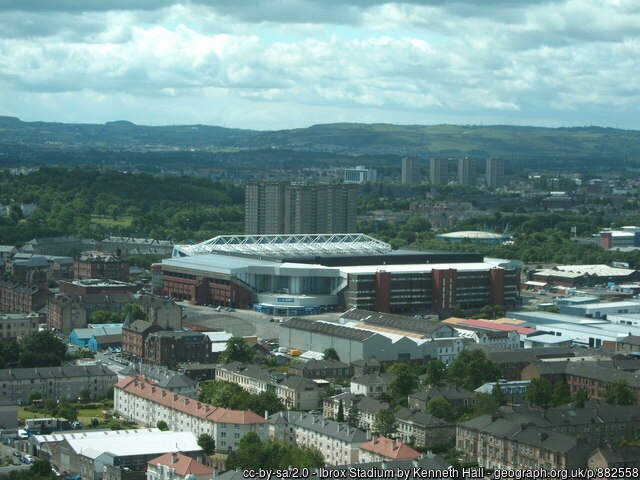
In the immediate aftermath of the Ibrox disaster supporters on both sides were united in grief….and now every year those who lost their lives are remembered….

On this day in history….15th June 1971

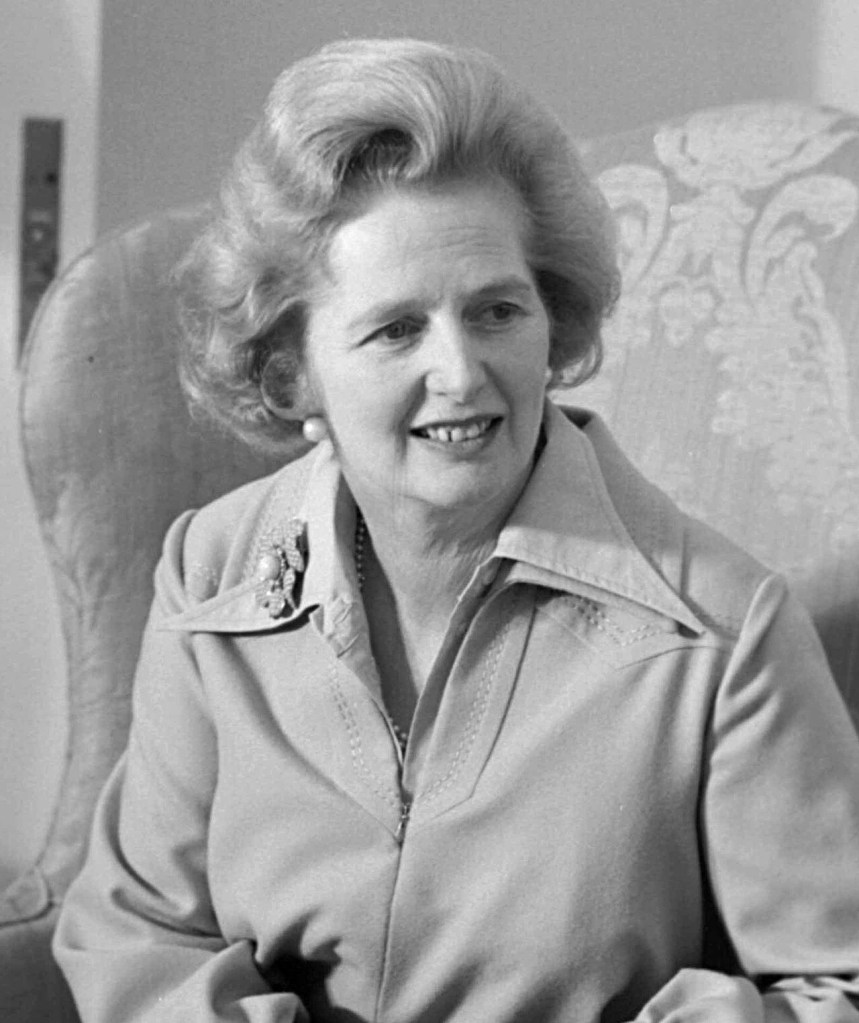
On this day in history : 15th June 1971 – Opposition grows to Education Secretary Margaret Thatcher’s plans to end free school milk for the over sevens…. Some councils threaten to defy the ban….

Ministry of Information Photo Division – Public domain

School children began to receive a third of a pint of milk per day in 1946 with the advent of the welfare state…. However, the Labour Government had already stopped milk for secondary schools by 1968…. When the Conservatives came to power it was to a bleak economic situation – but election promises on tax had to be met….

Margaret Thatcher knew how controversial stopping the free milk would be – and she was absolutely horrified when Health Secretary Ken Clarke suggested it also be stopped for nursery school children…. She had considered other measures, such as charging admission to museums, or charging to borrow library books….but in the end it was with reluctance that she put forward the proposal…. The Bill received a second reading on the 14th of June and was passed by 281 votes to 248….

Local authorities were urged not to break the law by deliberately going against government policy…. Some Labour councils had threatened to put up rates in order to fund school milk…. It was argued that withdrawing milk could potentially harm children’s diets and health…. Thatcher reasoned that the money saved could be spent in other ways, such as on school buildings…. Indeed the milk bill was coming in at £14m a year – double the amount being spent on books….

Margaret Thatcher -Public domain

Needless to say the political storm raged on – and the public also showed their anger…. The playground taunt ‘Thatcher, Thatcher milk snatcher!’ was heard far and wide…. In fact the cuts did not stop there – with various measures put into place with regards to education funding…. A £200m package was approved in September 1971, which also saw the cost of school dinners raised….

On this day in history….30th May 1972

On this day in history : 30th May 1972 – The Angry Brigade goes on trial for a series of 25 bombings throughout the United Kingdom…. It is to be one of the longest criminal trials in English history….

Angry Brigade logo – Fair use

The Angry Brigade, a far left, militant anarchist group, often referred to as urban guerrillas, were discontent with Tory cuts, high unemployment, the general state of the economy and just about every other political issue going-on at the time…. Their wish was to bring about an uprising and they decided to launch a campaign using small bombs…. The aim was to get as much media coverage as possible to expose their demands….

The campaign began in August 1970 and was to continue for a year before any arrests were made…. Their targets were varied – from the homes of Conservative MPs, banks, property speculators….to the embassies of far right regimes – they even targeted a BBC mobile broadcasting unit being used to broadcast the 1970 Miss World contest…. Bombs mostly caused damage to property and throughout the campaign only one person received minor injuries…. Each bombing was followed by a printed statement explaining the reason for the attack….whether it was for the government’s policies, the situation in Northern Ireland, the Vietnam War, sexism – or whatever other grievance they had at the time….

The arrests began in 1971 with Jake Prescott…. Although he was cleared of direct involvement in the bombings he admitted having addressed three envelopes for letter bombs…. Prescott was sentenced to 15 years imprisonment by Judge Milford Stevenson – this was later reduced to 10 years on appeal….

Sir Melford Stevenson – Fair use

The 30th of May 1972 saw the trial begin at the Old Bailey of another eight members of the group….known as the ‘Stoke Newington Eight’ – after the area of London they came from…. The group were prosecuted for carrying out the bombings and the trial was to go on until the 6th of December 1972…. Four members, John Barker, Jim Greenfield, Hilary Creek and Anna Mendelssohn were sentenced to ten years each…. The other members were acquitted…. The explosions were to lead to the formation of the Bomb Squad – now the Antiterrorist Branch….