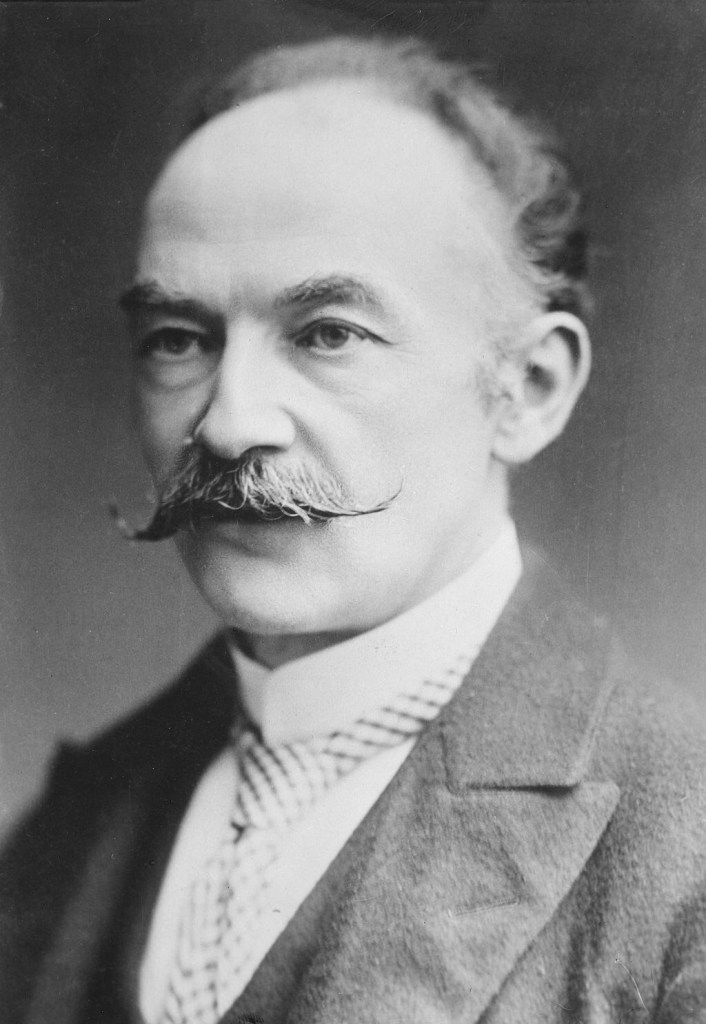
On this day in history : 2nd June 1840 – The birth of English novelist and poet Thomas Hardy – who brought us classics such as ‘Far From the Madding Crowd’, ‘The Mayor of Casterbridge’ and ‘Tess of the d’Urbervilles’….
Thomas Hardy between 1910-1915 – Public domain
Hardy was born in Upper Bockhampton (now Higher Bockhampton) in the parish of Stinsford, near Dorchester…. His father was a stonemason and builder – and his mother, being educated, was his teacher at home until he went to school at the age of 8…. He attended Mr Last’s Academy for Young Gentlemen until he was 16 – he learned Latin and showed promising potential but the family did not have the means for him to go to university…. Instead he became an architect’s apprentice….
Hardy’s birthplace at Higher Bockhampton – Image credit : Martinevans123 – own work – Public domain
Hardy moved to London in 1862 and enrolled at King’s College…. He then joined the architecture practice of Arthur Bloomfield and became involved mainly with the restoration of churches…. However, he found it hard to settle in London – he became all too aware of class division in the city and felt himself to be socially inferior…. It led to him developing an interest in social reform…. By 1867 he’d had enough of London and returned to Dorset, to live in Weymouth…. It was at this time that he began to concentrate on his writing – although for his first novel ‘The Poor Man and the Lady’ he was unable to find a publisher…. After being advised by his friend, the poet and novelist George Meredith, that his book was too political Hardy destroyed the manuscript…. His next two novels, ‘Desperate Remedies’ (1871) and ‘Under the Greenwood Tree’ (1872) were published anonymously…. His 1873 novel ‘A Pair of Blue Eyes’ was inspired by his courtship of his future wife….
Hardy met Emma Gifford whilst working on the restoration of the parish church of St Juliot in Cornwall during 1870…. It was to be a long courtship, they eventually married in Paddington, London on the 17th of September 1874…. Being unable to have children may have put a strain on the marriage – it is known that they did not get along together very well…. Her delusions of superiority would not have helped matters much either – Emma regarded herself as being above her husband socially and it appears did little to hide her feelings….
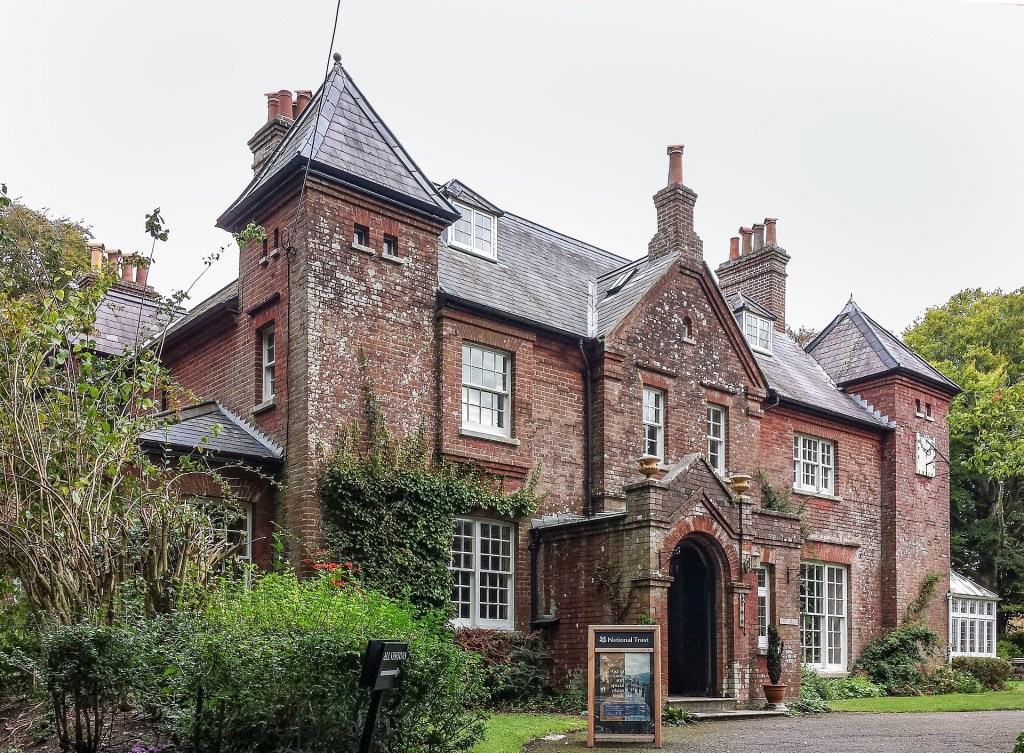
In 1885 they moved into ‘Max Gate’ – a house which Hardy had designed himself and was built by his brother…. Emma became involved with the Suffragist movement and she and Hardy began to lead separate lives, to the point of becoming estranged…. In 1912 she died – and despite their differences Hardy was devastated…. Nevertheless, just two years later he married Florence Emily Dugdale, his secretary and nearly forty years his junior…. Florence was also a writer in her own right, as the author of children’s stories….
Florence Hardy, 1915 – Public domain
Hardy’s own writing career was now beyond established…. ‘Far From the Madding Crowd’ had been written in 1874, ‘The Mayor of Casterbridge’ in 1886 followed by ‘Woodlanders’ in 1887…. ‘Tess of the d’Urbervilles’ was met with controversy in 1891 and was initially refused publication – Victorian society was scandalised that a fallen woman could be viewed in a sympathetic light…. ‘Jude the Obscure’, published in 1895 was even more controversial – due to the way it dealt with religion, marriage and sex….
In December 1927 Hardy developed pleurisy – he died at home on the 11th of January 1928…. His funeral was held on the 16th of January at Westminster Abbey…. He had always expressed his wish to be buried with his first wife, Emma…. However, it was insisted upon that he be interred at Poets’ Corner within Westminster Abbey…. Therefore a compromise was reached…. Hardy’s ashes were indeed interred in the Abbey – but his heart was buried with Emma at Stinsford….
Max Gate is now owned by the National Trust – as is his birthplace at Bockhampton….
Max Gate, 2015 – Image credit DeFacto – own work – CC BY-SA 4.0
On this day in history : 22nd May 1859 – The birth of Sir Arthur Conan Doyle, the British medical doctor and writer – and the creator of Sherlock Holmes….
Arthur Conan Doyle in 1914 – Public domain
Doyle was born at 11 Picardy Place, Edinburgh; his father was born in England but both of his parents were of Irish Catholic descent…. The family split up in 1864 due to his father’s alcoholism and Doyle stayed with a family friend whilst continuing his education at Newington Academy…. In 1867 the family reunited but were living in poor conditions in a run-down tenement flat….
However, thanks to his wealthy uncles, Doyle was sent away to school in England at the age of 9…. He was to attend the Jesuit preparatory school, Hodder Place in Stonyhurst, Lancashire…. After leaving in 1875 he spent a year studying in Austria and then until 1881 studied medicine at the University of Edinburgh Medical School…. He was also to study botany at Edinburgh’s Royal Botanic Garden….
It was at this time that Doyle began to write short stories…. His first published work was in the Chambers Edinburgh Journal in September 1879; it was a story set in South Africa, entitled ‘The Mystery of Sasassa Valley’….
Portrait of Doyle by Herbert Rose Barraud 1893 – Public domain
Doyle graduated as a Bachelor of Medicine and Master of Surgery in 1881 and joined the crew of SS Mayumba as Ship’s Surgeon on a voyage to the west coast of Africa….He then went on to complete his Doctor of Medicine Degree and in 1882 became a partner in a medical practice in Plymouth…. However, it was a difficult working relationship and so he moved to the Portsmouth area to set up his own practice at 1, Bush Villas, Elm Grove, Southsea…. But his medical practice was slow to take off – and so he began to write fiction to fill in his time…. In November 1886 publishers Ward Lock & Co bought his first work featuring Sherlock Holmes and Dr Watson ‘A Study in Scarlet’…. Doyle had written it in just three weeks and the character of Holmes was based on Joseph Bell, one of his former university lecturers…. The story was received well by the public – and Doyle was commissioned to write a follow-up…. ‘The Sign of the Four’ first appeared in February 1890….
In 1885 Doyle married Louisa Hawkins and they had two children, Mary Louise in 1889 followed by a son, Kingsley in 1892…. However, his wife, a TB sufferer, died in 1906…. By this time Doyle had moved his medical practice to London and had been heavily involved with the design of the house he had built for his family…. They lived at ‘Undershaw’, near to Hindhead, Surrey from October 1897 to September 1907…. It became a hotel in 1924, closing in 2004 and then controversially stood empty falling into disrepair to the point of being derelict…. Rows about planning and development rumbled on – but finally in 2016 it opened as a school for children with disabilities….
Undershaw, with Doyle’s children, Mary and Kingsley, in the driveway – Public domain
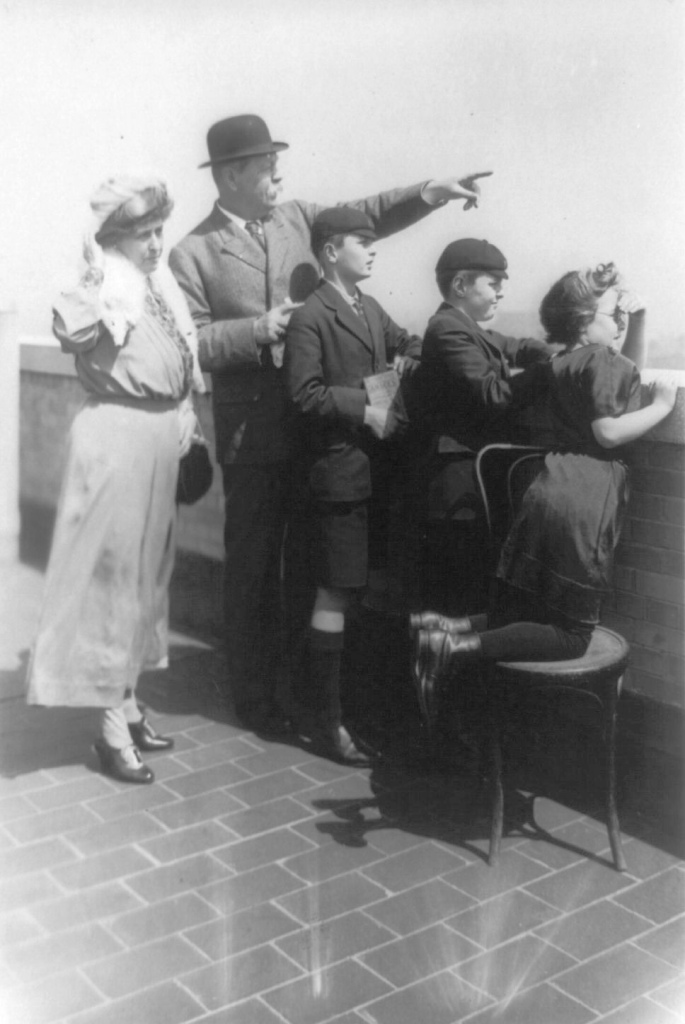
In 1907 Doyle married Jean Elizabeth Leckie and had three more children; Denis 1909, Adrian 1910 and Jean 1912…. Sadly none of his children had offspring of their own – and so Doyle has no direct descendants….
Doyle with his family in New York, 1922 – Public domain
However, he was to leave us a legacy that includes many novels and short stories; there are 56 Sherlock Holmes short stories and 4 novels alone….
Doyle had many other interests in life…. He was a keen sportsman, playing football, cricket and golf…. He was an amateur boxer and even played billiards…. He became involved with politics at the turn of the century…. He was agnostic – despite his Catholic upbringing – and later in life became a spiritualist mystic…. He was also a Freemason, having been initiated in Southsea in 1887….
Doyle in 1930, the year of his death – with son Adrian – Image credit : Bundesarchiv CC BY-SA 3.0DE
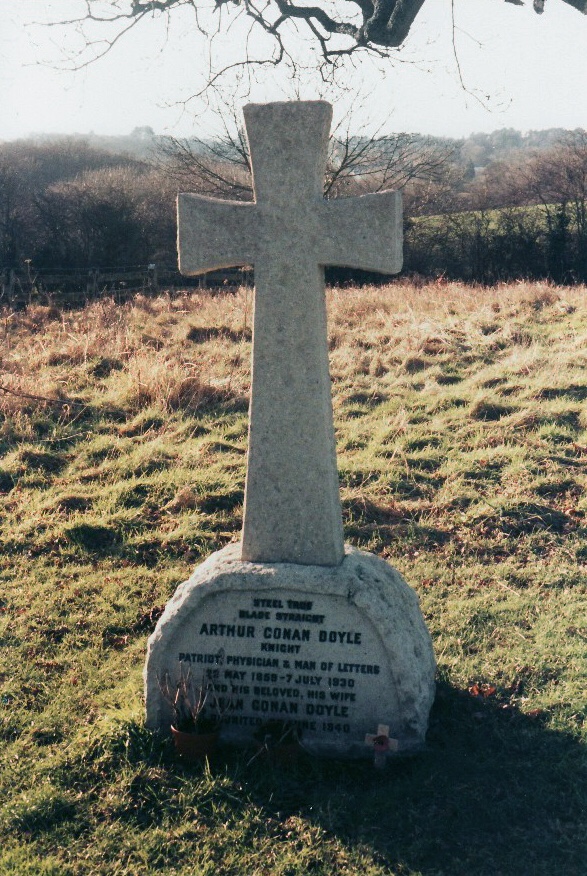
Doyle died of a heart attack on the 7th of July 1930 at his home in Windlesham Manor at Crowborough, East Sussex…. He was originally buried there in the rose garden – but after the death of his wife in 1940 he was reinterred with her in the New Forest….
Image credit : Astrochemist – own work – Public domain
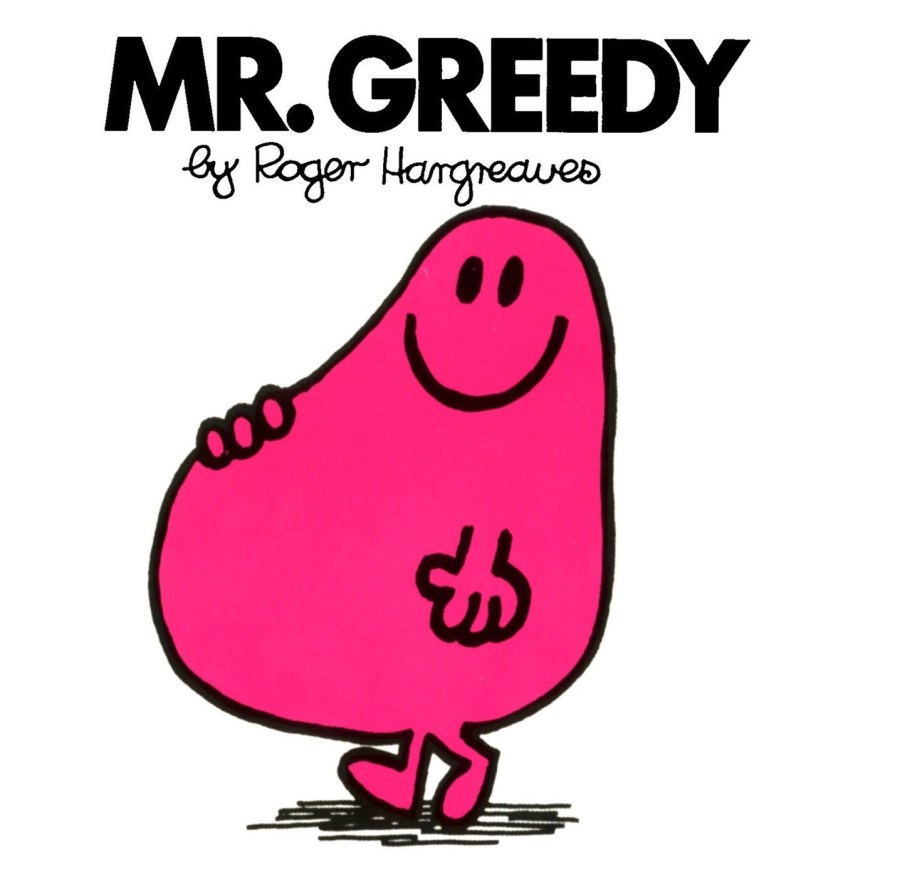
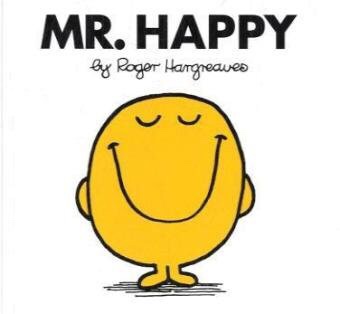
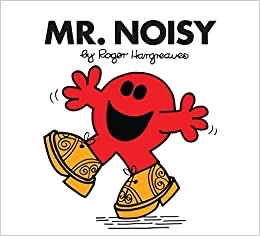
On this day in history : 9th May 1935 – The birth of author and illustrator of children’s books, Roger Hargreaves – best remembered for his much loved Mr Men and Little Miss series of stories….
Fair use
Charles Roger Hargreaves was born in Cleckheaton, West Yorkshire and attended Sowerby Bridge Grammar School…. He then spent a year working in the family laundry and dry cleaning business before going to work in advertising….
Roger wrote his first Mr Men story – ‘Mr Tickle’ – in 1971…. It came about when his 8-year-old son asked him what a tickle looked like…. In response he drew a figure with a round orange body and long bendy arms – and so the first Mr Men character was born….
Fair use
At the time Roger was the Creative Director of a London advertising company…. He had some difficulty in initially finding a publisher for his books but once he did success came quickly…. In three years more than one million copies had sold…. 1974 saw the BBC animated Mr Men series, narrated by Arthur Lowe – and by 1976 Roger had given up his advertising career to concentrate on his writing…. The Little Miss books were launched in 1981 and they too were made into a TV series in 1983 – this time narrated by husband and wife team John Alderton and Pauline Collins….
Fair use
In all there were 46 Mr Men and 33 Little Miss books…. With over 100 million books being sold Roger was to become Britain’s third best selling author of all time…. His other works included the 25 book series ‘Timbuctoo’, ‘The Roundy and Squary’ books, ‘John Mouse’, ‘Hippo Potto and Mouse’ and the ‘Veggie Fruits’ – but it is undoubtedly the Mr Men and Little Miss stories that won so many hearts….
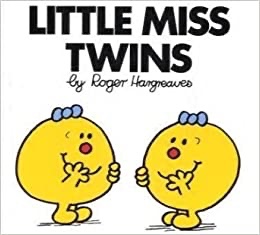
Between 1975 and 1982 Roger and his wife Christine lived on Guernsey with their four children – Adam, Giles and twins Sophie and Amelia – upon whom ‘Little Miss Twins’ was based…. The family then moved to Cowden in Kent…. On the 11th of September 1988 Roger was to die suddenly following a stroke – he was aged just 53…. After his death his son, Adam, continued his work – and in April 2004 Christine sold the rights to the characters to the Chorion entertainment group….
On this day in history : 23rd November 1990 – The death of much-loved children’’s author Roald Dahl…. But did you know he was also an ace fighter pilot, spy, medical inventor and chocolate historian?
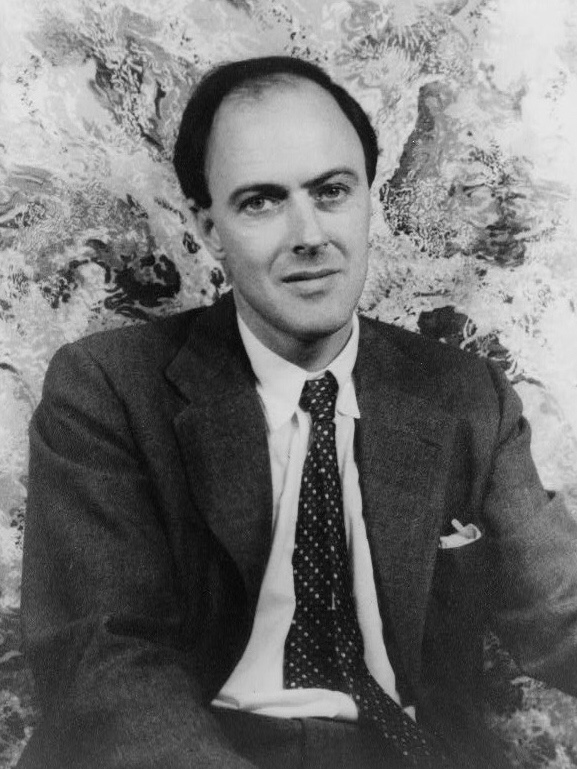
Roald Dahl in 1954 – Public domain
Roald was born on the 13th of September 1916 to Norwegian parents living in Llandoff, Wales…. He was named after Roald Amundson, the Norwegian adventurer and explorer who was the first man to reach the South Pole…. Norwegian was Roald’s first language, as this is what the family spoke at home….
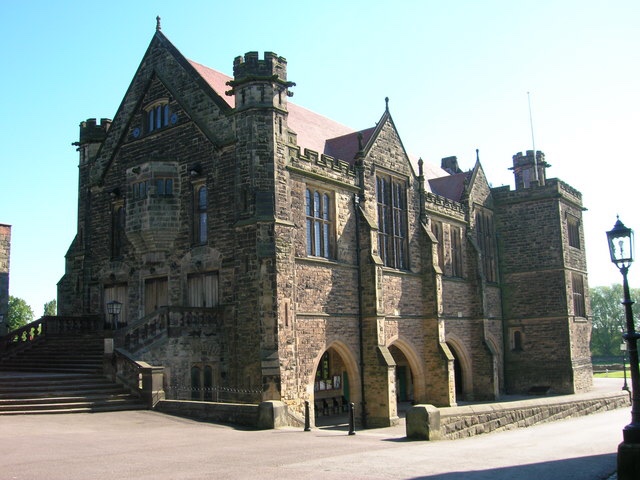
When he was three years old his seven year old sister died from appendicitis – and then just a few weeks after his father succumbed to pneumonia…. Soon after his mother gave birth to another little sister…. His father had always believed that English schools were the best in the world and had wanted his children to be educated in them…. With this in mind his mother chose not to return to Norway but to remain in Wales so she could honour his wish…. Roald first attended Cathedral School in Llandoff before being sent to St. Peter’s Boarding School in Weston-Super-Mare…. He was desperately homesick and wrote to his mother every week – but never let on how unhappy he was…. Then in 1929, at the age of thirteen, he was sent even further away, to Repton School in Derbyshire…. He was even more miserable here; corporal punishment was frequently used – Roald detested the cruelty and found it hard to accept that beating children was permissible….
Repton School – Image credit : J. Thomas CC BY-SA 2.0
Roald’s talent for writing was not recognised during his schooling…. He was seen as an accomplished sportsman though; he was captain of the school’s squash team and was good at cricket, golf and football…. He grew tall, ending up at a height of 6ft 6in….
He had other varied interests; he was keen on photography – and he discovered a love of chocolate…. The Cadbury’s factory was near to the school and occasionally boxes of new chocolates would arrive for the boys to try out…. Roald would daydream about making up a chocolate bar of his own to wow Cadbury’s…. It was his passion for the confection that inspired his third children’s book in 1964 Charlie and the Chocolate Factory…. He would often refer to chocolate in his stories….
Fair use
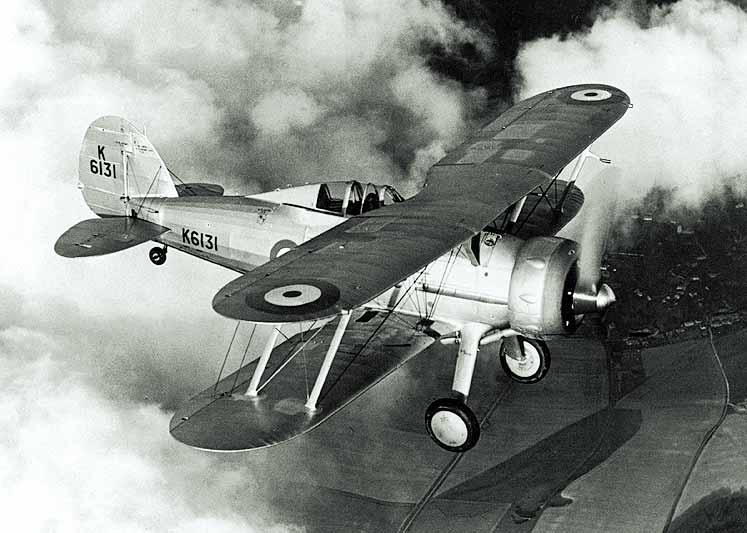
Roald left school in 1934 and started to work for the Shell Petroleum company, being posted to Kenya and Tanzania…. In August 1939, with World War Two approaching, he was still in Tanzania and was draughted as a lieutenant into the King’s African Rifles…. Then in the November of 1939 he joined the RAF to become a pilot…. After completing his training he was assigned to No.80 Squadron, flying the RAF’s last fighter bi-planes, Gloster Gladiators…. It was whilst flying one of these that on the 19th of September 1940 he was forced to make an emergency landing in the desert…. The aircraft crashed – Roald suffered a fractured skull and lost his vision…. He was rescued and taken to a Royal Naval hospital where he eventually regained his sight – and in February 1941 he was declared fit enough to fly again….
Gloster Gladiator – Public domain
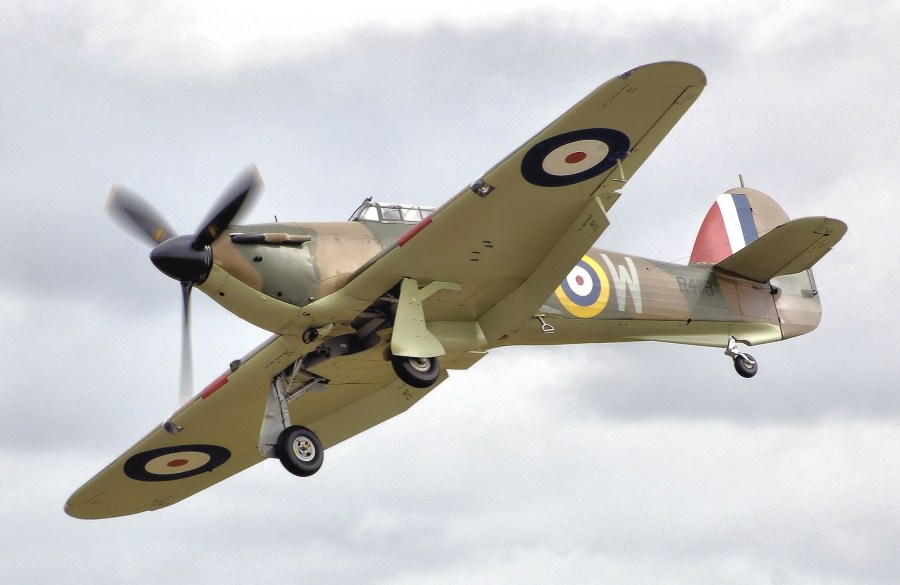
To rejoin his squadron Roald had to travel to Eleusina near to Athens – where they had been transferred to join the Greek Campaign…. This time he was to fly Hawker Hurricane aircraft and on the 15th of April 1941 he was to take part in his first aerial combat and in which he was to shoot down is first plane…. The following day he shot down another…. On the 20th of April he took part in the Battle of Athens….
Hawker Hurricane – Image credit : Arpingstone – own work – Public domain
By May the Germans were advancing and the squadron was evacuated to Egypt…. For over a month Roald was to fly sorties every day but during the second half of June he began to suffer severe headaches causing him to blackout…. He was invalided out of the squadron, returned to Britain and posted to an RAF training base at Uxbridge – with the idea of him becoming an instructor once his health had sufficiently recovered…. It was whilst on a trip to London in the late March of 1942 that he was to meet Major Harold Balfour, Under-Secretary of State for Air…. Balfour was so impressed by Roald that he appointed him assistant air attaché to the British Embassy in Washington DC….
While in the States Roald was to meet the writer C.S.Forester, who had been commissioned by the Saturday Evening Post to write a piece on Roald’s flying experiences…. He asked Roald to jot something down that he could work with…. However, when he received the account he was so impressed that Roald’s story was published exactly as he had written it – this was to be Roald’s first ever published work….
Roald was beginning to move within different circles…. He was to meet and work with British army officer Ian Fleming – author of the James Bond stories…. And he was then introduced to the world of espionage – and to Canadian spymaster William Stephenson, code name Intrepid….. It was Roald’s task to supply intelligence from Washington back to Prime Minister Winston Churchill and to MI6…. By now he had been promoted to Wing Commander and before long he had become Squadron Leader…. But in August 1946 his ongoing injuries from his aircraft crash meant him being invalided out of the RAF – as a flying ace having more than five victories to his name….
On the 2nd of July 1953 Roald married American actress Patricia Neal and they were to have four daughters and one son…. In December 1960 four month old Theo’s pram was struck by a New York taxi cab, leaving him with serious injuries…. Little Theo suffered with Hydrocephalus – an accumulation of cerebrospinal fluid in his brain…. Roald worked with neurosurgeon Kenneth Till from Great Ormond Street Children’s Hospital and hydraulic engineer Stanley Wade to develop a valve – the Wade-Dahl-Till Valve – which was used with a shunt to alleviate the condition…. The valve went on to be used to help nearly 3,000 children all around the world….
Patricia Neal and Roald Dahl – Public domain
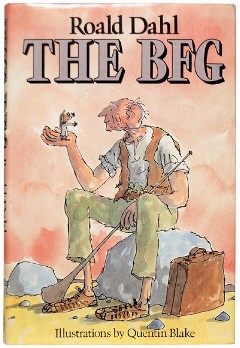
In November 1962 Roald’s eldest daughter, Olivia, died from measles at the age of seven…. He was beside himself with grief and guilt at not being able to help her…. (His 1982 book, The BFG, is dedicated to her)…. Roald became a promoter of immunisation…. Then in 1965 his wife suffered three burst cerebral aneurysms whilst pregnant with their fifth child…. Roald had to help her learn how to walk and talk again – eventually she recovered enough to be able to return to her acting career…. A film was made about their story in 1981 The Patricia Neal Story – starring Glenda Jackson and Dirk Bogarde….
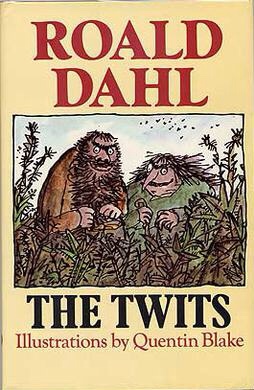
In 1972 Roald began an affair with Felicity d’Abreu Crosland – who he later married after he and Patricia divorced in 1983…. With his new wife he lived at Gypsy House, a home he had owned since 1954 in Great Missenden, Buckinghamshire…. His first children’s book, The Gremlins, had been published in 1943 – and he went on to write some of the best loved children’s stories of all time: Charlie and the Chocolate Factory, James and the Giant Peach, The BFG, Fantastic Mr Fox, Matilda, The Witches, The Twits, Danny Champion of the World and George’s Marvellous Medicine…. He also wrote stories for adults, which were often macabre – and many were adapted for TV and film, such as Tales of the Unexpected and Alfred Hitchcock Presents…. He wrote screenplays and for television…. Roald was a prolific writer – but then with his own life experiences he would never have been short of something to write about…. He has been named one of the 50 greatest British writers since 1945 and it is estimated over 250 million of his books have been sold; he has been published in some 60 different languages….
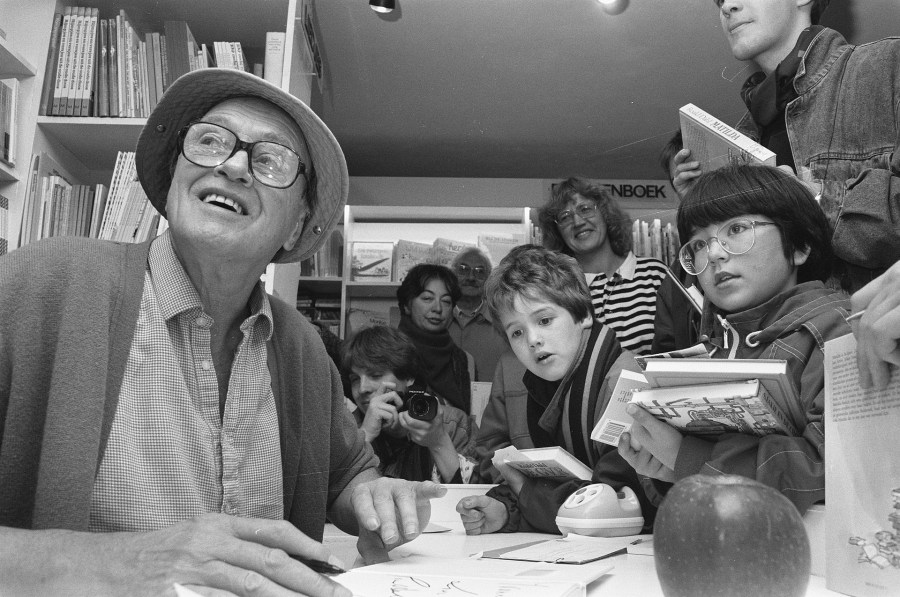
Roald book signing in Amsterdam – Image credit : Bob Bogaerts / Anefo CCO
On the 23rd of November 1990, at the age of 74, Roald died from a rare cancer of the blood…. He was buried at the Church of St. Peter and St. Paul in Great Missenden, Buckinghamshire – along with his snooker cues, a good bottle of Burgundy, some chocolates, HB pencils – and a power saw!
Image credit : MilborneOne – own work – CC BY-SA 3.0















 Cottage Capers