On this day in history….5th January 1993

On this day in history : 5th January 1993 – The oil tanker MV Braer runs aground off the coast of the Shetland Islands, spilling its 84,700 tons of crude oil….

img_5355
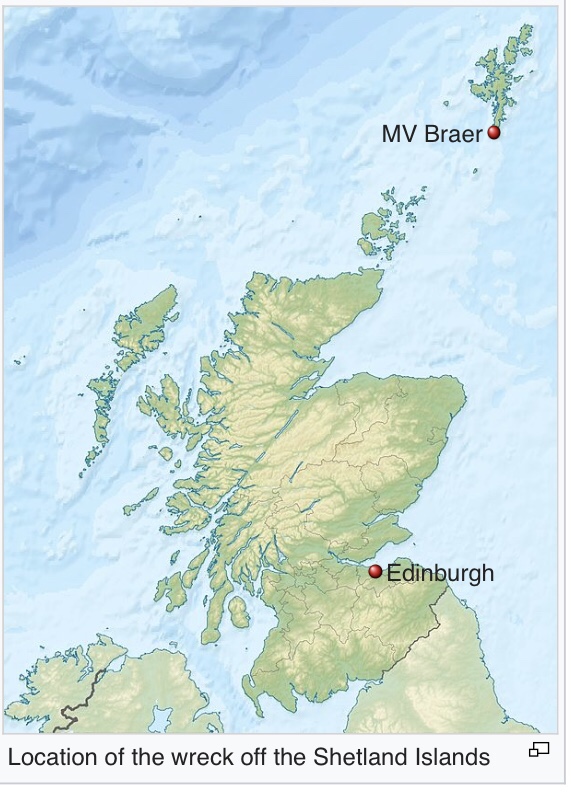
Location of the wreck – Eric Gaba, NordNordWest, Uwe Dedering CC BY-SA 3.0

The 800ft ship, which had been built in Japan in 1975, did not have the more modern double hull, which would have offered more protection from spillage…. The Liberian-registered tanker was travelling from Bergen in Norway to Quebec in Canada when it ran into trouble after being caught in Force 11 gales…. At 5.19am the Lerwick Coastguard was first notified that the vessel had lost power….

Desperate efforts by salvage teams were made to try and avert disaster…. Anchor handling vessel Star Sirius was brought in to attempt to tow the stricken ship….but was unsuccessful – and so the crew of the tanker had to be airlifted to safety by helicopter….

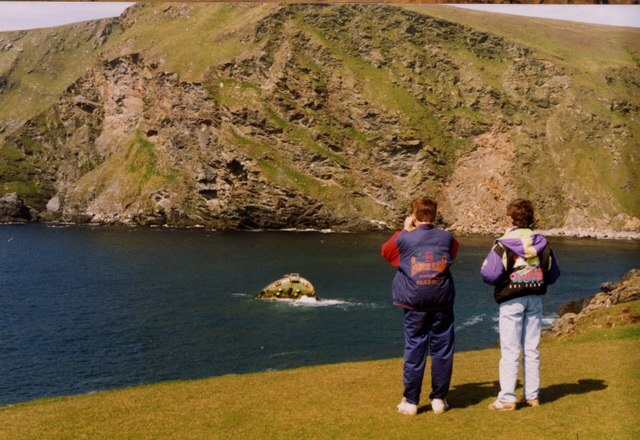
At 11.19am MV Braer was confirmed at having run aground on rocks at Quendale Bay, at the southern tip of Shetland…. From the moment of impact oil could be seen pouring into the sea – in an area renowned for its sea birds and marine wildlife…. A week later, during the most intense extratropical cyclone ever recorded in the northern Atlantic, the tanker broke up….

img_5353
Bow of the Braer visible in June 1993 – Mike Pennington CC BY-SA 2.0

A later report into the disaster chiefly blamed bad weather but also held the Greek captain, Alexandros Gelis, to account for lack of basic seamanship….

On this day in history….28th December 1734

On this day in history : 28th December 1734 – The death of Robert MacGregor – a Scottish outlaw and folk hero of the early 1700s – better known as ‘Rob Roy’….

img_5043
Engraving of Rob Roy by W.H.Worthington – Public domain

Born in February 1671, in Glengyle, Trossachs, on the southern edge of the Highlands, Rob Roy was the son of Colonel Donald MacGregor – one of the MacGregor clan – and who won his commission through loyalty to King Charles II….

Robert MacGregor acquired his name ‘Rob Roy’ at an early age – on account of his mop of curly red hair – which he inherited from his mother’s side…. At the age of 18 he joined the Jacobite rising of 1689, along with his father – whom he fought alongside with the aim of restoring King James VII, the last Catholic King, to the Scottish throne…. Rob’s father was caught and imprisoned for treason for two years….during that time his mother suffered ill health and subsequently died…. Rob moved to Glen Shira, living under the protection of the Duke of Argyll – and was permitted to build a house upon land granted to him….

img_5045
The Duke of Argyll – Public domain

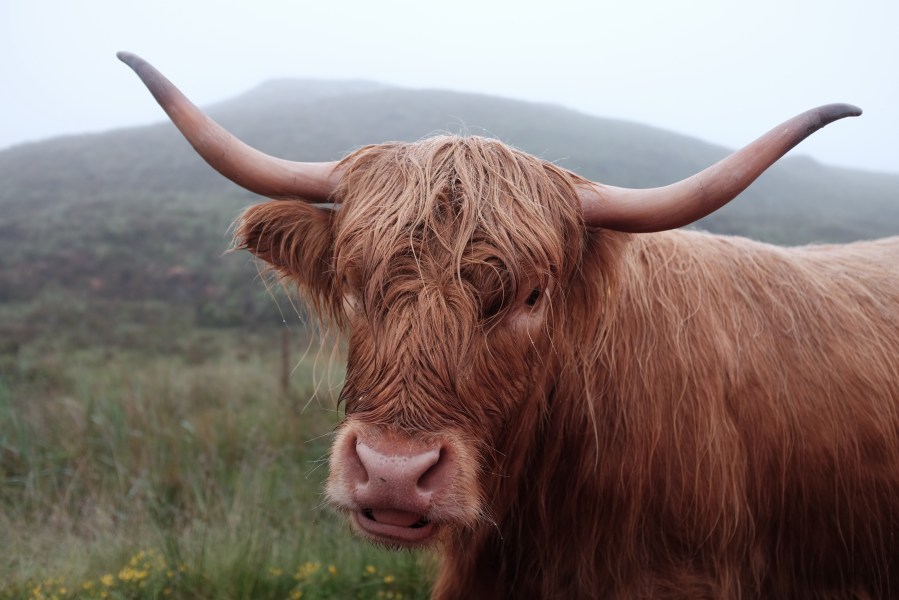
In January 1693 Rob Roy married Mary Helen MacGregor of Comar – his cousin – and they had four sons…. He became a cattle drover, buying and selling Highland cattle…. The MacGregors were a wild clan – cattle rustling and running what was effectively a protection racket…. By the early 1700s Rob Roy had established his own flourishing protection racket….charging landowners around 5% of their annual rent to ensure their cattle remained safe…. Those who didn’t pay could expect to lose everything…. Nowadays this would be seen as criminal – but in those times it was actually considered a respectable way of making a living….img_4923

In 1711 Rob Roy borrowed £1,000 from the Duke of Montrose, a land owner at Murdock Castle, north of Glasgow – he planned to purchase cattle for the following year’s market – and had taken investments from various local chieftains…. In early 1712 he gave his head drover the task of purchasing the cattle on his behalf…which he did…. But the drover then sold the cattle on….and disappeared with the proceeds….

Rob Roy returned home to find he had been made bankrupt and outlawed by the Duke of Montrose…. His land had been seized – and his wife and young family evicted from their home – thrown out into the depths of the savage Highland winter – their home burned to ashes…. The Duke of Montrose was also settling an old score with the Duke of Argyll – who was his sworn enemy….

img_5044
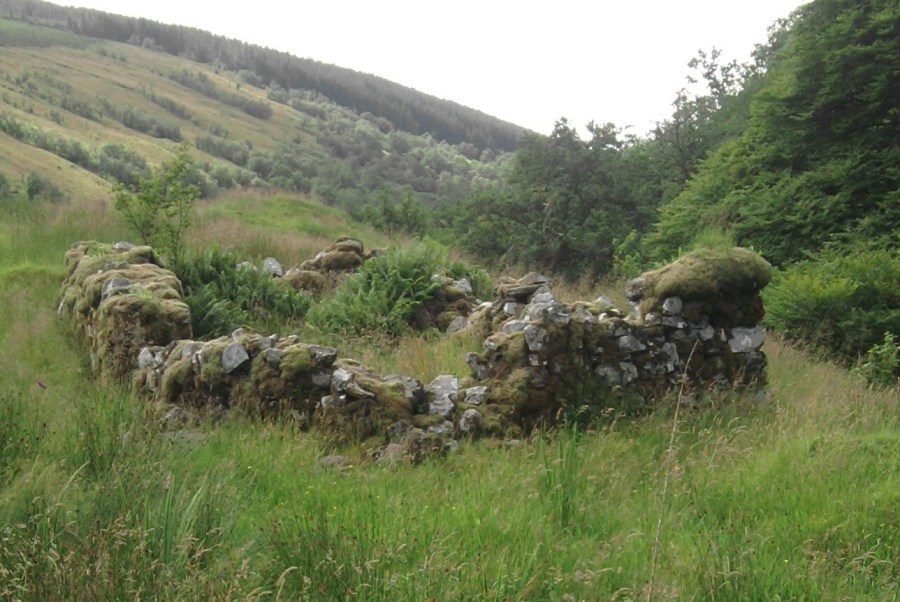
What remains today of Rob Roy’s home at Upper Glen Shira – CC BY SA 3.0

Rob Roy set out to seek revenge – he had never even been given the chance to repay the original loan….he felt he had been unfairly treated…. He set out on a campaign of ‘cattle lifting’, targeting Montrose’s stock…. He became an expert – he excelled in theft and banditry…. He even kidnapped Montrose’s rent-collector, who happened to have £3,000 of rent money upon him at the time…. He was a thorn in the side for the Duke of Montrose – and all the time he had a powerful ally in the Duke of Argyll…. Gradually his attentions began to turn to other landowners in the area and he started to target them too…. Those not willing to pay him protection money would find themselves relieved of their stock…. Now a fully fledged outlaw the ‘law’ were out to find him….but he roamed the hills of Loch Lomond, always in hiding – rather like a Scottish Robin Hood….

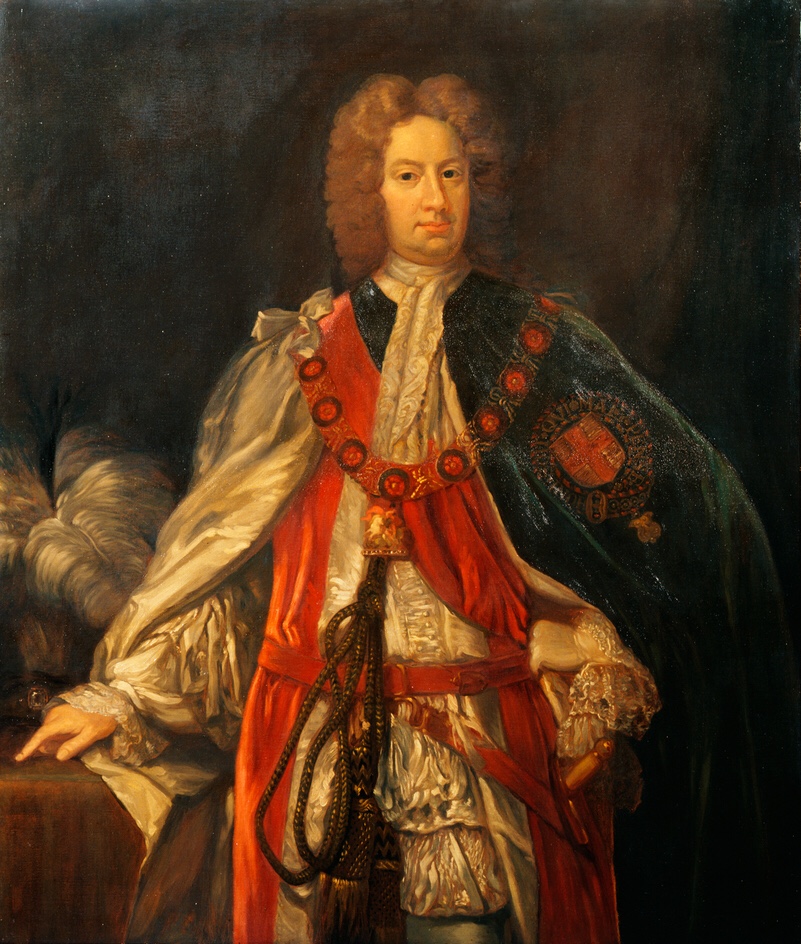
Kneller, Godfrey, 1646-1723; James, 1st Duke of Montrose (1682-1742), Secretary of State for Scotland (1714-1716)
The Duke of Montrose – After Godfrey Kneller – Public domain

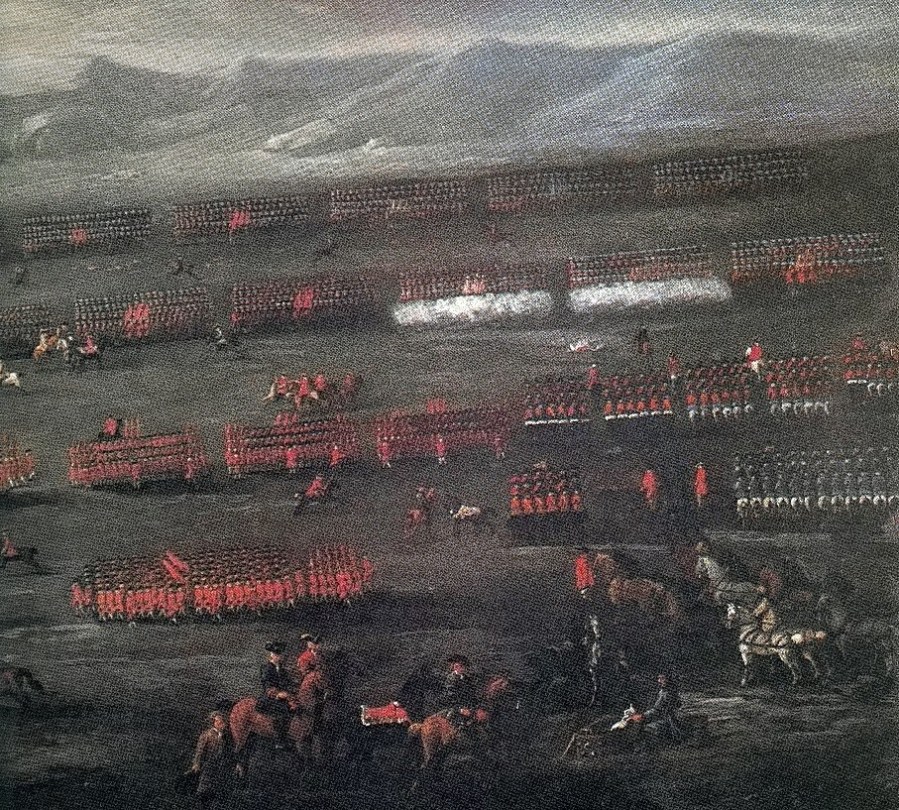
During the November 1715 Jacobite Uprising Rob Roy was used as a guide for the Jacobite army – as it marched from Perth to Stirling….resulting in the Battle of Sheriffmuir – with the Jacobites against the government army, led under the Duke of Argyll…. Eventually the government army prevented the Jacobites from reaching the Lowlands…. Rob Roy was torn between his Jacobite beliefs and his loyalty to the Duke of Argyll….

img_5046
The Battle of Sherriffmuir – John Wootton – Public domain

At the end of this escapade he emerged with a price on his head – both for his earlier banditry and now for treason for his part in the uprising…. He was captured several times – but always managed to escape…. Tales of his exploits began to circulate….

In 1722 he was finally caught and imprisoned for five years…. But his tale had spread to those with influence…. In 1723 Daniel Defoe published ‘Highland Rogue‘ – based upon his story….and so his popularity rose…. Just before he was due to be transported to Australia Rob Roy was granted a Royal pardon…. After which he settled down, gradually returning to live a normal life among his own people in Balquhidder, north of Trossachs….

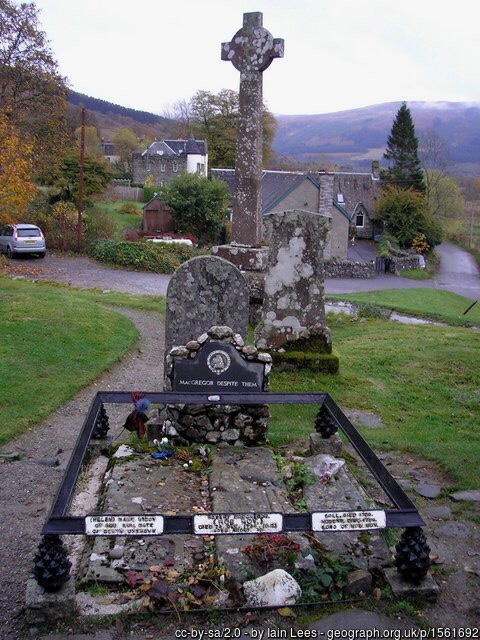
Rob Roy died on the 28th of December 1734, in Balquhidder Glen – and was buried in the Kirkyard – later to be joined by his wife and two of his sons – who were buried beside him….

img_5048

Since then, in 1818 Sir Walter Scott wrote the novel ‘Rob Roy’ – and he has been the subject of two Hollywood films….

On this day in history….22nd October 1877

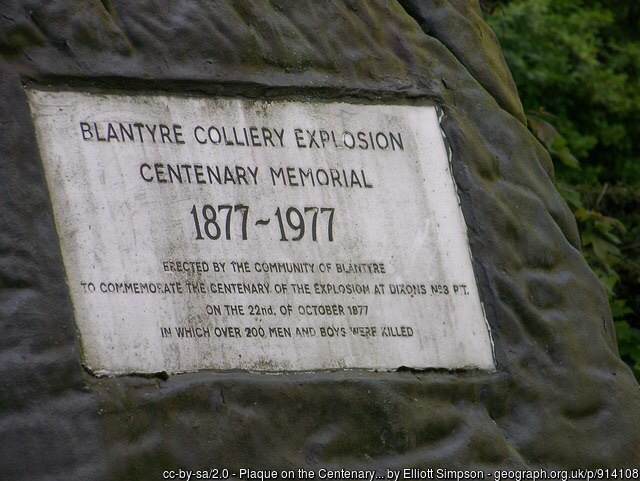
On this day in history : 22nd October 1877 – An explosion at the High Blantyre Colliery sees Scotland’s worst ever mining disaster…. At least 218 men and boys are killed, the youngest just 11-years-old….img_4365

It was a gloomy Monday morning….230 men went down the mine to start work as usual at 5.30am…. At 8.45am a huge underground explosion occurred that could be heard from miles around, an explosion that lasted between 4 and 5 minutes…. Flames could be seen coming from 2 of the 5 pits….

The pit horn would have signalled the disaster….women would have rushed to the scene fearing for their menfolk…. As the news spread workers from neighbouring pits hurried to help… The rescue effort was led by James Gilchrist, manager of Mr John Watson’s Colliery – he had formerly been employed at Blantyre and so knew it well….

The presence of carbon dioxide and debris caused major difficulties but the rescuers persevered throughout the day and into the night….before eventually being forced to suspend the rescue mission due to ‘bad air’…. The search resumed the following morning – those that were brought out alive were so badly burnt or suffering from the effects of ‘choke-damp’ (carbon dioxide) that they died either on the way to or in Glasgow Infirmary….

The bodies recovered from the pit were taken to ‘the death house’ – a temporary mortuary…. They were washed and tended to by the women of the village…. It was here the womenfolk came to identify their husbands, sons, sweethearts and fathers…. For some women it meant several trips to find their loved ones – for many the entire male family members were taken from them…. The disaster left 106 widows and 300 fatherless children….img_4364

Once identified the bodies could be taken home – often in a handcart – so that funeral preparations could be made…. Little did they know that less than 2 years later, on the 9th of July 1879, another disaster was to strike at pit no.1 – claiming another 27 lives….

On this day in history….17th April 1951

On this day in history : 17th April 1951 – The Peak District is officially confirmed as the United Kingdom’s first designated National Park after decades of campaigning by the public….img_2918

It was during the 1880s that Member of Parliament James Bryce started the campaign for public access to the countryside. His first Freedom to Roam Bill failed – but the ball had started to roll…. The 1900s saw a growing appreciation for the outdoors, with people wanting to escape the towns and cities to take advantage of the country air…. The arrival of the motor car and improvements in public transport making the countryside far more accessible to all….

In 1931 a government inquiry recommended the formation of an authority to select designated areas…. Only no further steps were taken….causing major public discontentment, resulting in a mass trespass in 1932…. Scores of walkers exercised their ‘right to walk’ in the Peak District – only to be opposed by the gamekeepers of wealthy landowners. Occasionally things got heated and came to blows; five trespassers found themselves being imprisoned….

In 1936 the SCNP – Standing Committee for National Parks – was set up….a voluntary organisation to lobby government. The result was the establishment of the Principle for National Parks….as part of Labour’s post-war reconstruction a White Paper was produced in 1945. Finally in 1949 the National Parks and Access to the Countryside Act was passed – an Act to establish National Parks to preserve and enhance their natural beauty and provide recreational opportunities for the public….

Nowadays we have a total of 15 National Parks in the United Kingdom; 10 in England, 3 in Wales and 2 in Scotland…. Each is looked after by its own authority – with the aim to conserve and enhance natural beauty, wildlife and cultural heritage – and to promote understanding and enjoyment of the area’s special qualities….

The Peak District with its historic houses, rugged rocky moorlands and limestone valleys creating breathtaking views was the original Park designated in 1951….

Also in 1951 came…. Dartmoor with its open moorlands, medieval villages and wild ponies….

….The Lake District – home to deep glacial lakes, high fells, rural villages – and is now a World Heritage Site….

….And Snowdonia – where the highest mountain in Wales is found…. With its wooded valleys, coastline of sandy beaches and historic villages Snowdonia was the first National Park in Wales….

1952 saw Wales gain another Park – when the Pembrokeshire Coast, with its golden beaches, volcanic headlands and limestone cliffs, was designated…. It is also known for its 300km coastal path and marine wildlife….

In the same year the North York Moors were made into a National Park; wide open moorland with high hills, deep dales, bubbling streams and beautiful coastline….

The Yorkshire Dales were added to the list in 1954; old stone villages and dry stone walls, rolling hills – and the Three Peaks….Pen-y-Ghent, Whernside and Ingleborough….

Exmoor National Park was also established in 1954 – with its rolling hills, moorlands, dramatic coastline and wild ponies….

Northumberland with its heather covered Cheviot Hills and Hadrian’s Wall was designated in 1956 – and is Europe’s largest area of protected night sky….

The last National Park to be designated in this decade was the third of the Parks in Wales – the Brecon Beacons in 1957…. Situated in South Wales with four mountain ranges and rolling hills it is again an International Dark Sky reserve….

In 1976 the Norfolk Broads in East Anglia, which had not originally been named as a National Park but had been recognised as having the same status, adopted the name…. Over 200km of navigable waterways and the habitat of some of Britain’s rarest wildlife….

In 1987 the UK’s largest National Park was designated….the Cairngorms in Scotland. Britain’s highest mountain range and the natural habitat of red squirrels, pine martens and golden eagles….

Scotland’s second National Park, Loch Lomond and the Trossachs was established in 2002…. Mountain ranges, forests, lochs – and the location of the largest lake in the British Isles….

The New Forest was given National Park status in 2005…. Wild heathlands, ancient woodlands, roaming sheep, cattle and of course, ponies….

Finally, the last area to be designated a National Park – the South Downs in 2010. Our newest Park, with its dramatic white cliffs, rolling hills, beautiful villages and rare wildlife, stretches across the South of England….

You cannot deny – this is a beautiful land we live in….

On this day in history….28th December 1879

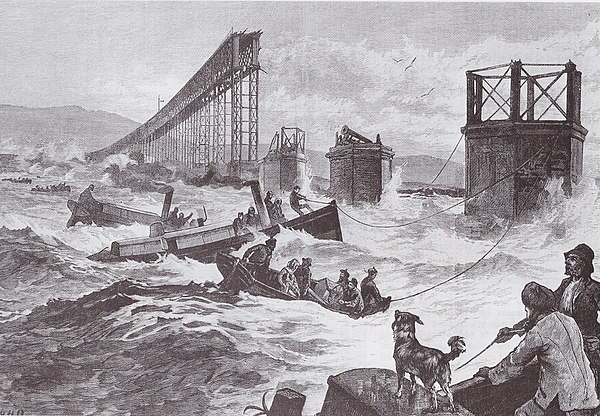
On this day in history : 28th December 1879 – The central section of the Tay Rail Bridge, Dundee, Scotland, collapses in a violent storm, as a train is passing over it…. All onboard are killed….

Illustration of the Tay Bridge disaster – unknown artist – Public domain

It was a Sunday evening at around 7.15pm and a storm estimated at 10 or 11 on the Beaufort Scale was raging…. Trains crossing the Tay Bridge, across the Firth of Tay, were restricted to one at a time…. It was the turn of the train from Burntisland in Fife – a train that consisted of one locomotive, its tender, five carriages and a luggage van…. Onboard were around 75 people….

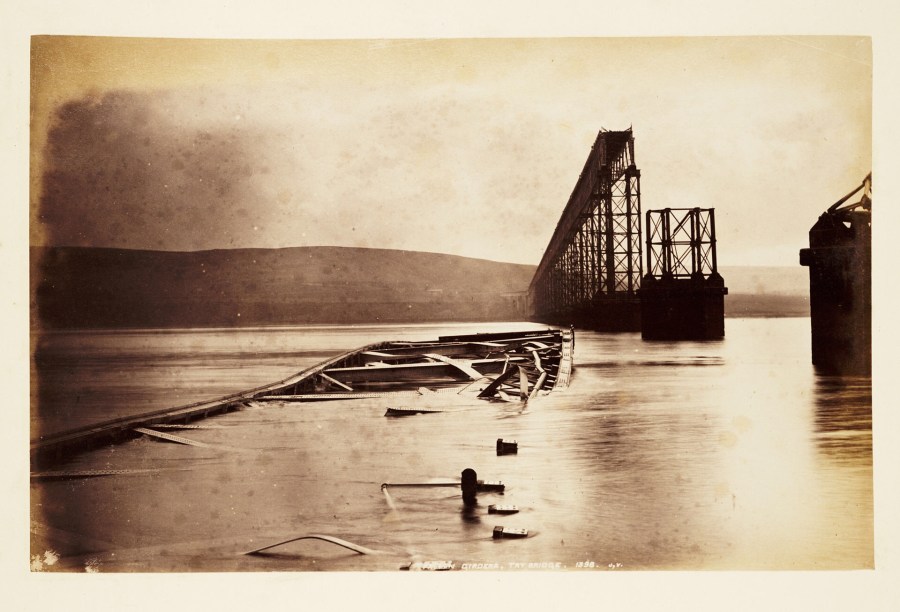
The gale was blowing down the Tay Estuary at right angles to the bridge – suddenly without warning the central navigation spans, which the train was travelling over at the time, collapsed into the Firth below – taking the train with them…. All onboard were lost….

Fallen girders – Image : National Library of Scotland – Public domain

The disaster was to shock Victorian engineers – and it is still today regarded as one of the worst structural engineering failures….

The original Tay Bridge had been designed by Thomas Bouch; he was a well-respected engineer, having much experience…. As well as the design he was also responsible for the construction and maintenance of the bridge…. Having opened in February 1878 it had only been operational for 19 months – its design had won Bouch a knighthood…. So, what went wrong?

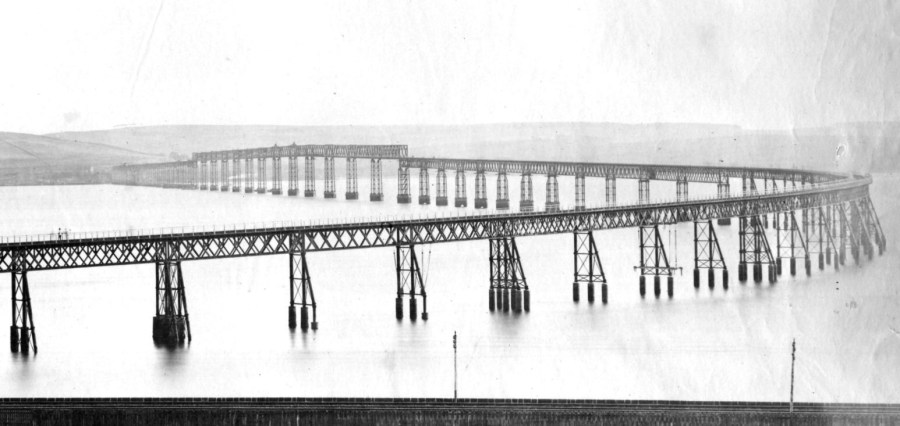
The bridge, at nearly two miles long, consisted of 85 spans – making it the longest bridge in the world at the time…. 72 of the spans were supported on spanning girders below the track – whereas the remaining 13 spans, forming the centre section, were above the track and consisted of bridge girders above the pier tops forming a through tunnel…. This gave an 88ft clearance above the water surface, enabling ships to pass beneath…. It was these high girders that fell….

Original Tay Bridge looking from the north – Unknown author – Public domain

At the following inquiry it was concluded : “The fall of the bridge was occasioned by the insufficiency of the cross bracing and its fastenings to sustain the force of the gale”…. The report went on to say if the wind bracing had been properly constructed and maintained the bridge could have withstood the storm…. All of the blame was placed on Bouch….

Fallen girders with remains of a wooden carriage – Image : National Library of Scotland – Public domain
The locomotive – which was recovered and returned to service – Image : Dundee Central Library – Public domain

Bouch died less than a year after the disaster, his reputation in tatters…. A second Tay Bridge opened on the 20th of June 1887 – this time a straight forward pier and lattice girder construction….

The current Tay Bridge – Image credit : Ross2085 via Flickr CC BY 2.0