On this day in history….20th April 1964

On this day in history : 20th April 1964 – BBC2 television is launched – only things don’t go quite to plan – as a fire breaks out at Battersea Power Station causing a major power cut….

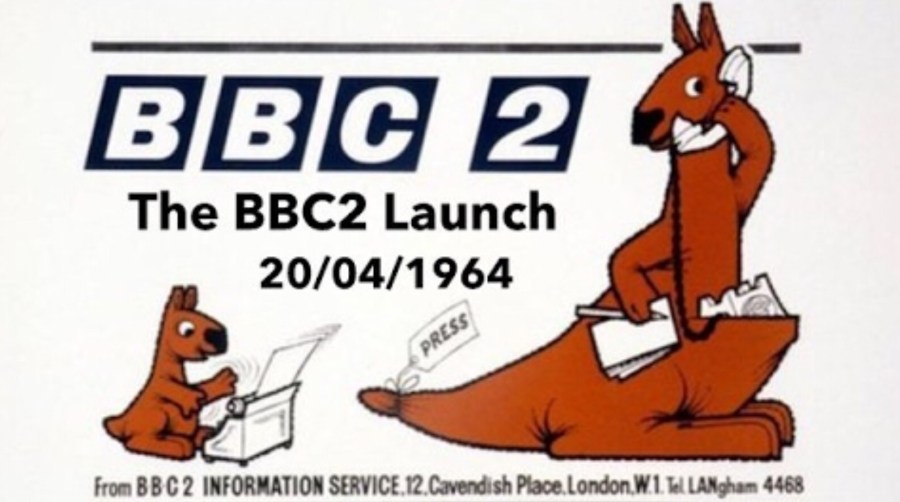
Much publicity had surrounded the coming launch of Britain’s third TV channel – the two kangaroo mascots used to herald its arrival ~ ‘Hullabaloo’ the mother kangaroo and her joey ‘Custard’ ~ were a familiar sight….img_2998

And a right hullabaloo it was too…. The evening had been planned to start at 7.20pm with a news bullet-in and then continue with a programme schedule of music and comedy – including a special of ‘The Alberts’, a performance of ‘Kiss me, Kate’ and was to be rounded off with a celebratory firework display from Southend Pier….

However, just over half an hour before the launch was set to air a fire broke out at Battersea Power Station…. At the same time a 60,000 volt cable carrying electricity from the Midlands to the south of England developed a fault in Buckinghamshire – the result being a total blackout in the west of London and much of the city centre….

As it happened, news anchorman Gerald Priestland, who was to deliver the opening news bullet-in, was not broadcasting from Television Centre…. Instead he was in the north London studios at Alexandra Palace – which still had power…. Amidst the mayhem and chaos he bravely soldiered on – over the next couple of hours TV screens across the land displayed the words ‘Will Start Shortly’ – broken intermittently with news bullet-ins…. Eventually at 9.30pm the evening’s schedule was abandoned….

Power was restored for the channel to launch properly the following day…. At 11am the first complete programme to air was ‘Play School’….


https://youtu.be/85SdjT1Dzzk

On this day in history….5th July 1954

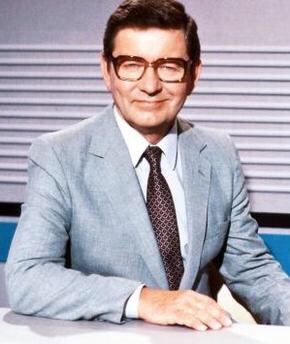
On this day in history : 5th July 1954 – The BBC broadcasts its first television news programme…. The twenty minute bullet-in is introduced by Richard Baker….

Richard Baker – Fair use

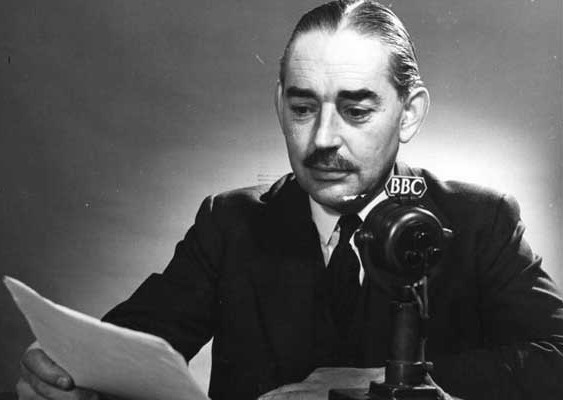
We are all very familiar with the format of today’s TV news programmes; the presenters, news stories from around the world and closer to home – and the film footage that almost always accompanies them…. But how different things were back then…. Richard Baker narrated the news story whilst a supporting relevant still photograph was broadcast for viewers to look at…. It was really like an illustrated summary of the news…. A customary news reel would be shown, usually with recorded commentary from John Snagge or occasionally Andrew Timothy….

John Snagge reading the news in 1944 – Public domain

The BBC’s new news programme certainly wasn’t popular with all…. Some described it as ‘absolutely ghastly!’ and ‘as visually impressive as the fat stock prices’…. BBC Radio 4 were also doubtful about this newfangled way of delivering news to the nation and insisted on keeping control over the editorial of the headlines and the programme content….

The very first programme to be broadcast included a story on French troop movements in Tunisia and covered the truce talks being held near to Hanoi…. The service was intended to be more up to date, as the previous ‘Television Newsreel’ programme often contained news stories several days old….

In 1955 other news readers were introduced, such as Kenneth Kendall – who was the first news presenter to be visually seen – and Robert Dougall…. Television news time also doubled during this period…. Shortly after this expansion by the BBC, on the 21st of September 1955, ITN launched their news programme….

On this day in history….26th January 1926

On this day in history : 26th January 1926 – Scottish engineer and inventor John Logie Baird demonstrates his mechanical television system publicly for the first time….

Baird was born in August 1888 on the West Coast of Scotland and was the son of a clergyman…. He studied at the Glasgow and West of Scotland Technical College but his studies were to be interrupted by the advent of World War One…. Having suffered ill-health for all of his life Baird was declared unfit to serve in the forces and so his war effort was spent working for the Clyde Valley Electrical Power Company, where he served as a superintendent engineer….
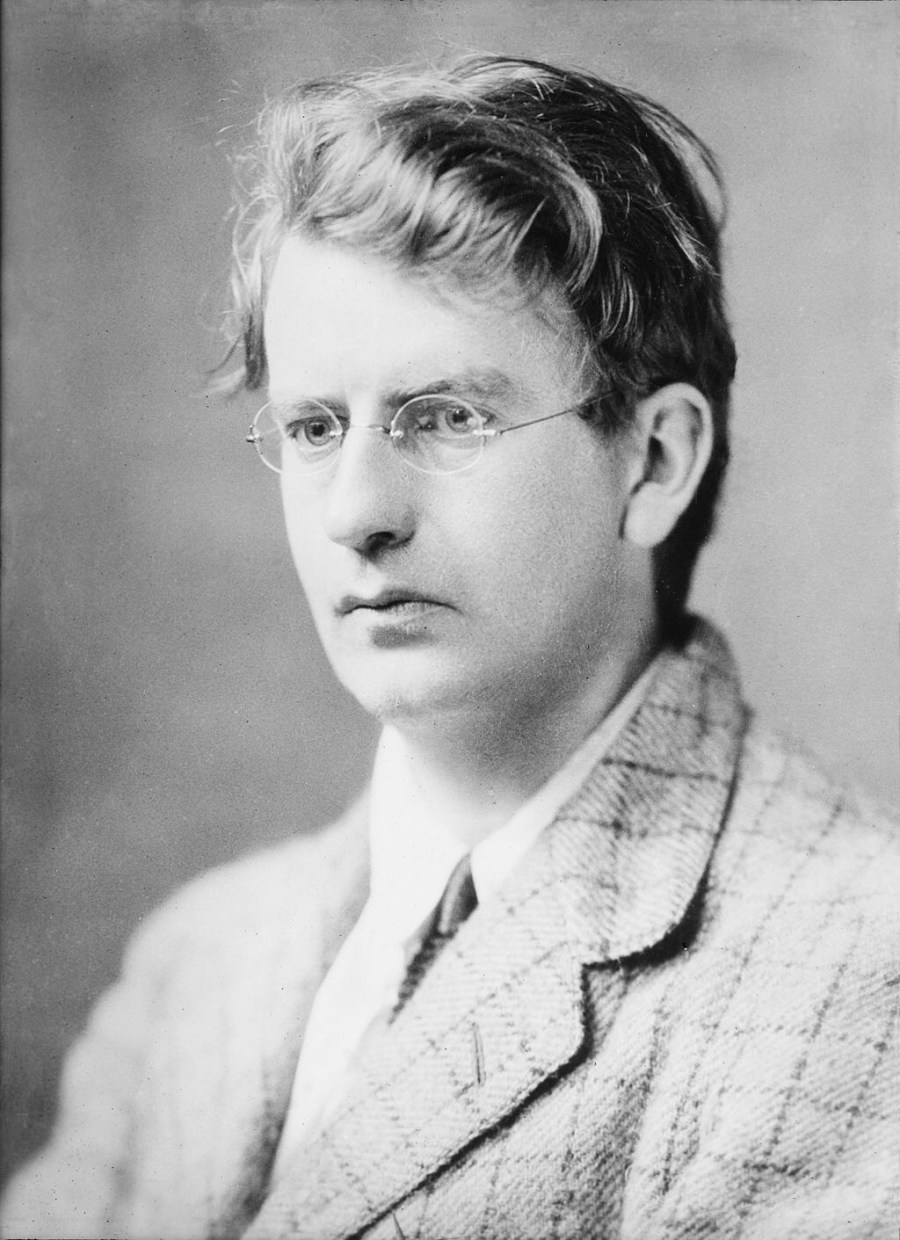
img_5755
John Logie Baird in 1917 – Public domain

After the War he travelled to the West Indies, spending a brief period in Trinidad where he tried to set up a jam making business! For whatever reasons his venture was not successful and he returned to England, to live in Hastings on the South Coast where he began to experiment with transmitting images….

One of his breakthroughs was to successfully transmit an image of the Maltese Cross for a distance of over 10 feet…. His very first demonstration was held in Selfridges in 1925 – but a further breakthrough came in October 1925 when he managed to transmit television pictures in light and shade – making the images much clearer to see….
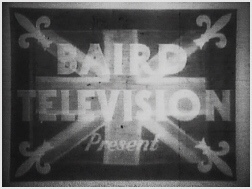
img_5758
Early experimental television broadcast – Fair use

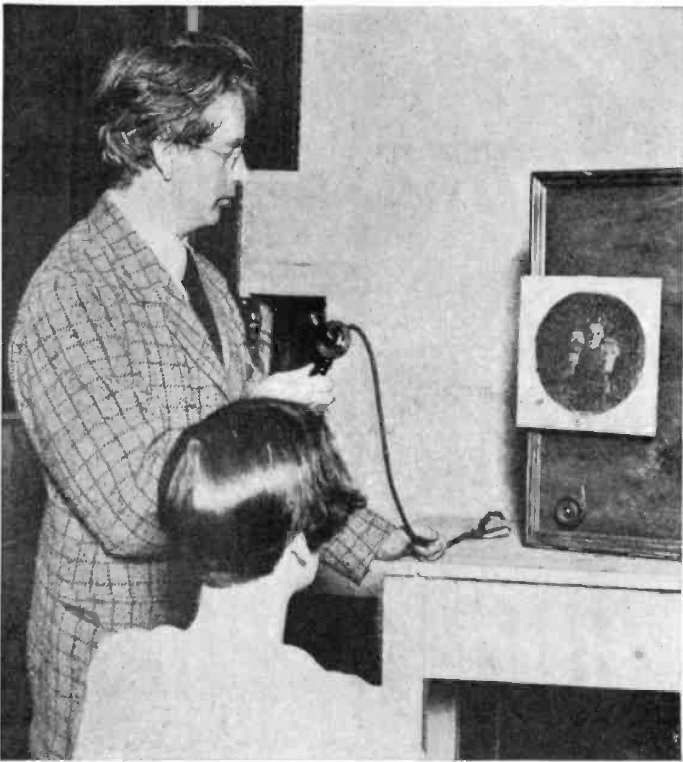
On the 26th of January 1926 he repeated this transmission at his laboratory on 22, Frith Street, Soho, London…. In attendance were members of the Royal Institution of Great Britain – an organisation based in London devoted to scientific research and education…. Also present was a reporter from The Times newspaper….
img_5757
Baird and his television receiver – Public domain

Baird demonstrated the first colour transmission on the 3rd of July 1928…. The test comprised of a young girl wearing a series of different coloured hats…. Her name was Noele Gordon – who went on to have TV success of her own in the TV soap ‘Crossroads’….
img_5756
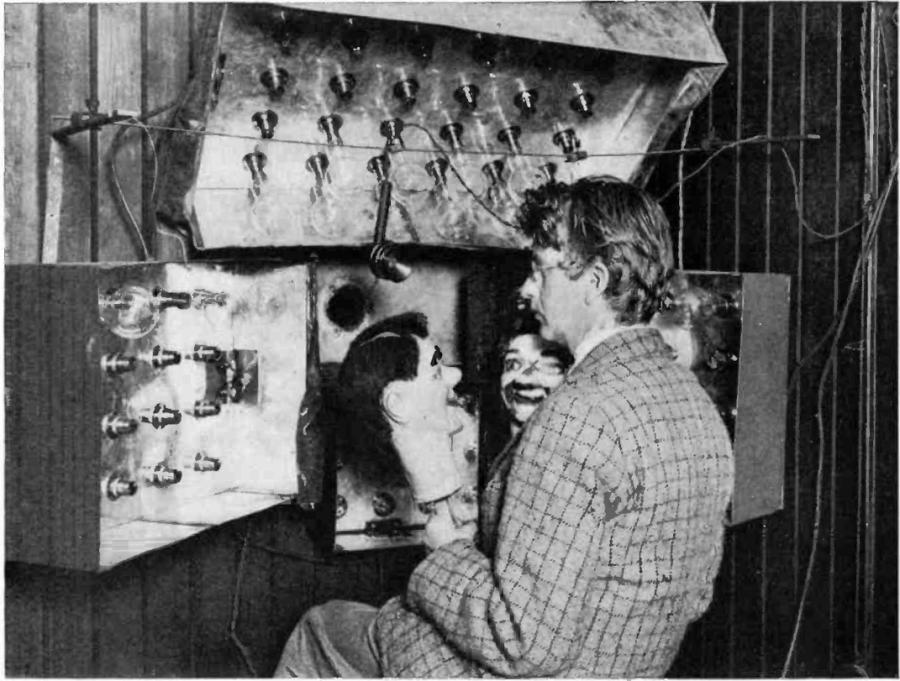
Baird in 1925 with his transmitter equipment – and dummies ‘James’ and ‘Stooky Bill’ – which he used to demonstrate talking and movement – Public domain