On this day in history….5th March 1850

On this day in history : 5th March 1850 – The completion of the Britannia Bridge – linking the island of Anglesey and mainland Wales across the Menai Strait….

Original box section bridge circa 1852 – Public domain

The Menai Strait is a narrow stretch of tidal water, approximately 16 miles long separating Anglesey from the mainland…. Access across it had been solely provided by a road bridge – the Menai Bridge – a mile to the east and which had opened in 1826…. However, with the rise of rail travel a direct link to London was required – particularly to ease the journeys of MPs travelling from Ireland to Westminster, so a second bridge became necessary….

Postcard of the bridge circa 1902 – from the private collection of Jochem Hollestelle – Public domain

Initially consideration was given to using the existing bridge but it was the opinion of George Stephenson – ‘Father of Railways’ – that this particular type of suspension bridge would be unsuitable for locomotive use…. Consent for the new Britannia Bridge was granted on the 30th of June 1845…. Stephenson’s son, Robert Stephenson, was appointed Chief Engineer for the project, his design team included William Fairbairn and Eaton Hodgkinson…. They came up with a revolutionary tubular design; giant wrought iron tubes – two central main spans 140m long and two more spans at each end of 70m long…. It was thought initially that suspension chains would be needed but after careful consideration it was realised that this was not the case…. Compression force and tension would be dissipated as a train travelled across the tubes, enabling a heavy load to travel across the distance of the span….

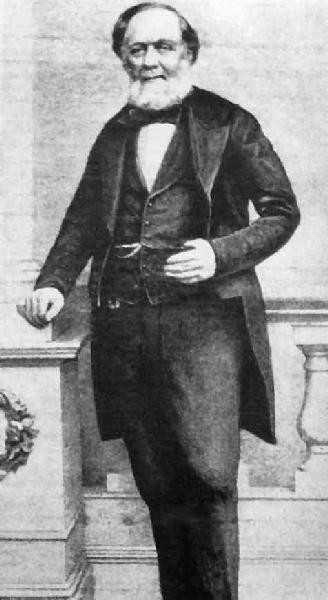
1868 engraving showing Robert Stephenson with his team of engineers who designed the bridge – which can be seen in the background – Engraver James Scott – Public domain

Construction started on the 10th of April 1846 when the foundation stone was laid – the bridge was completed within four years…. On the 5th of March 1850 Stephenson himself fitted the last rivet into place, officially marking completion of the bridge…. On the 18th of March a single tube opened to rail traffic and by the 21st of October it was fully operational….

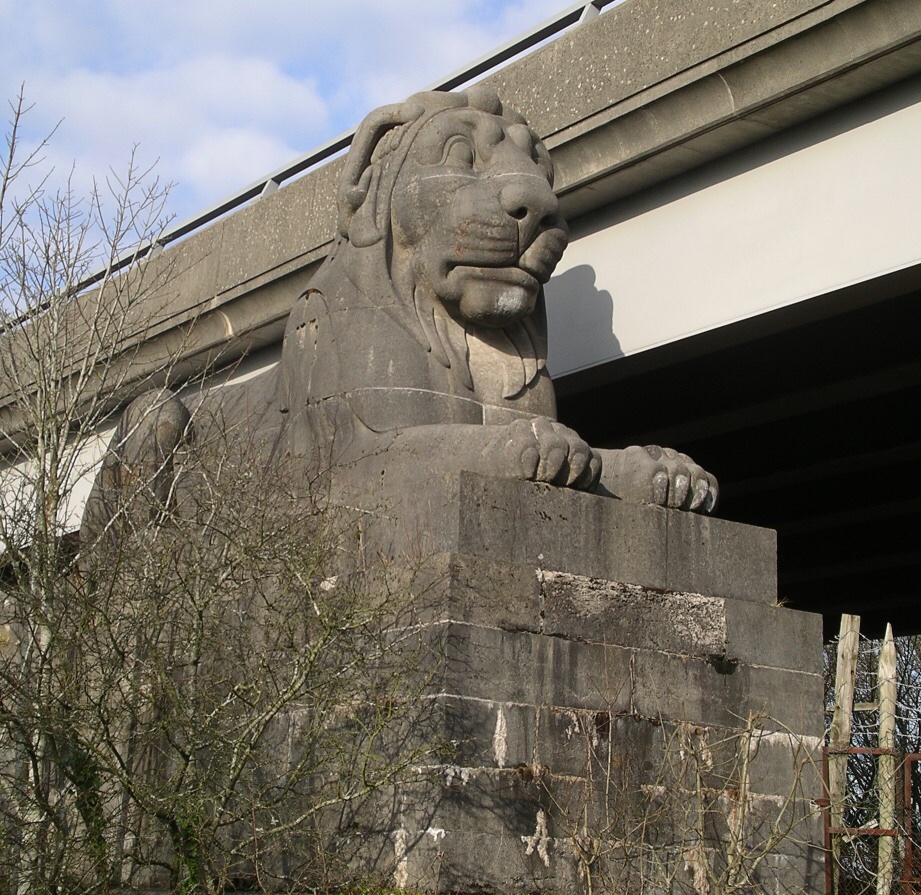
The bridge was decorated by four large limestone lion sculptures by John Thomas – two at each end…. Local poet John Evans wrote “Four fat lions, Without any hair, Two on this side, And two over there”…. And for 120 years those four lions oversaw the save passage of travellers across the Menai Strait….

One of the four stone lions – Image : Velela – own work – Public domain

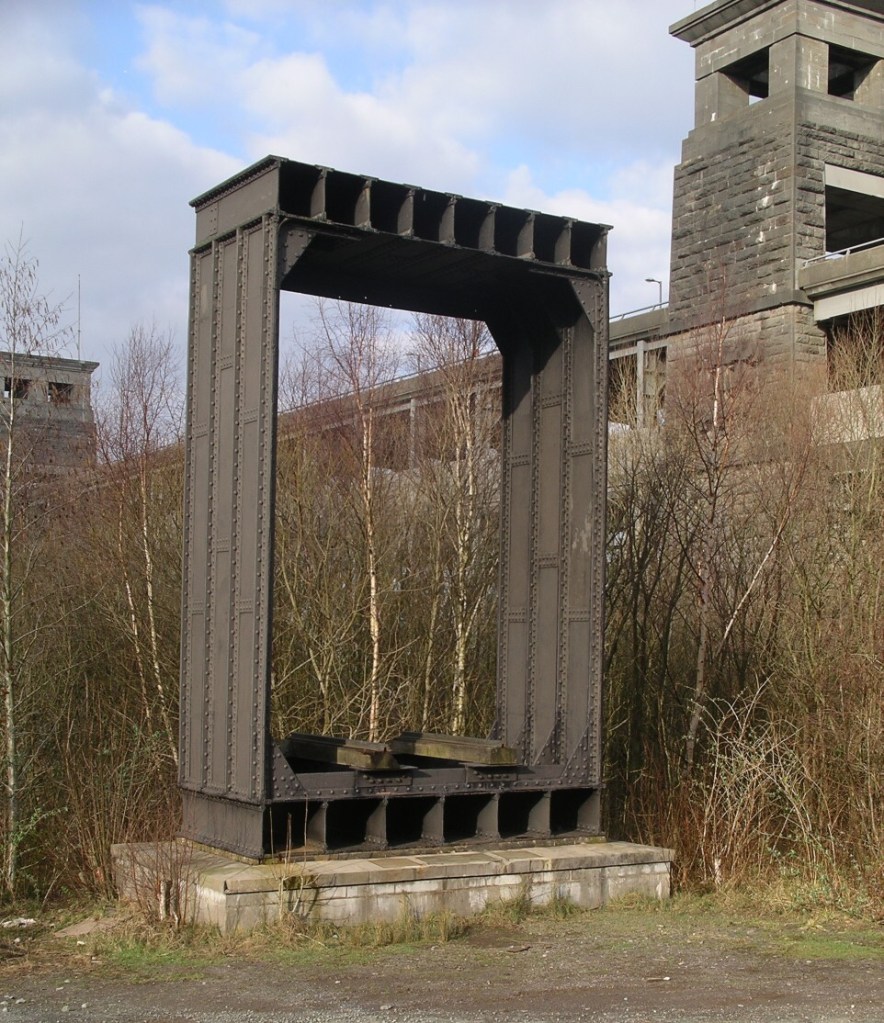
On the evening of the 23rd of May 1970 a group of boys were playing inside the tube structure when they dropped a burning torch…. The wooden, tar coated roof caught fire and because of the nature of the construction of the bridge it was impossible for the emergency services to bring the blaze under control…. It spread from the mainland side all the way across to Anglesey before eventually burning itself out…. The structure was still standing but declared unsafe – tubes were visibly sagging and some had split open….

Section of the original wrought iron tubular bridge – which now stands by the modern crossing – Image : Velela – own work – Public domain

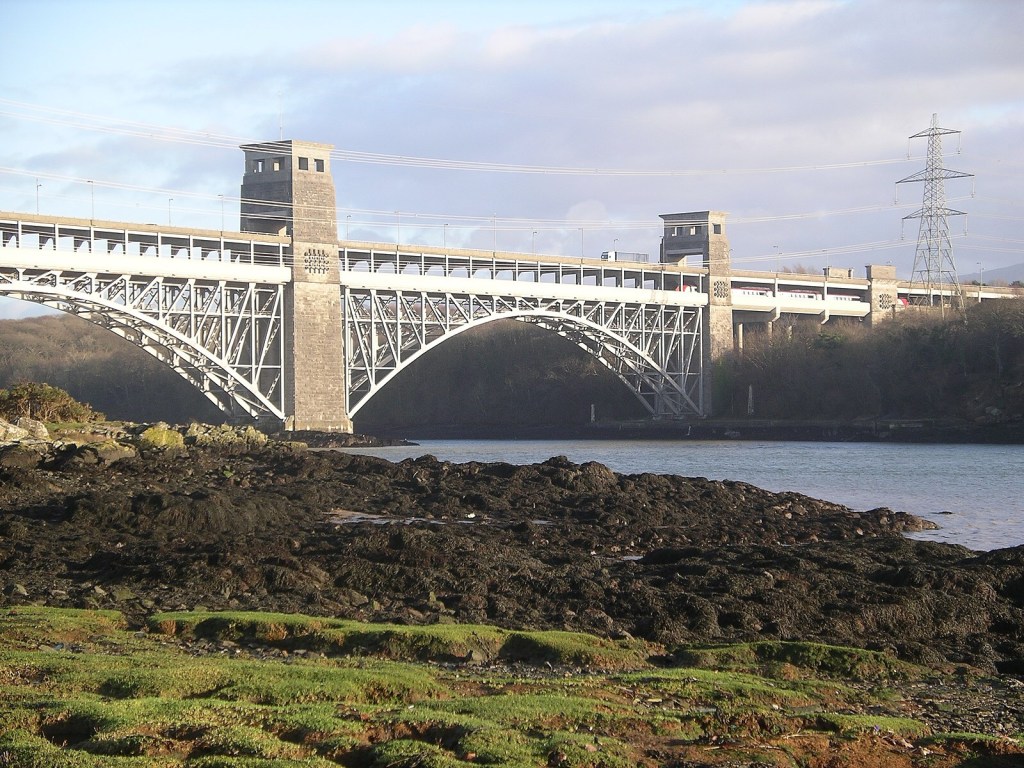
Four years later the bridge came back into use having been reconstructed – but it looked very different…. The tubes had gone and arches spanning between the retained original towers now provided support for the rail deck…. In 1980 a further road deck was added above the railway to carry the main A55 across….

The modern-day bridge – Image : Velela – own work – Public domain

On this day in history….15th January 1867

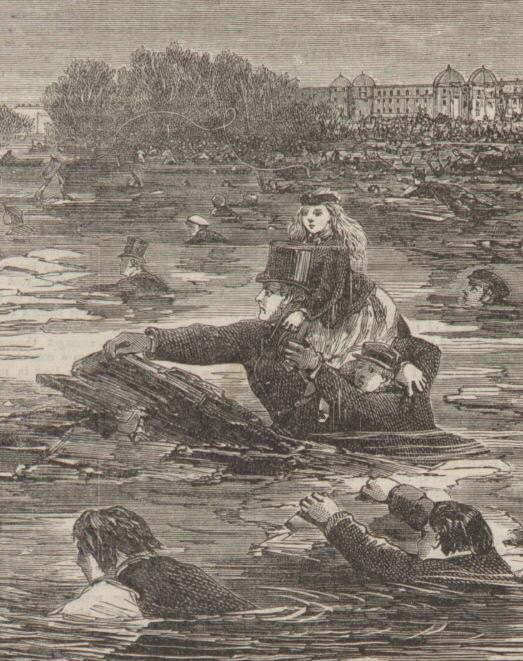
On this day in history : 15th January 1867 – Ice covering the boating lake at Regent’s Park gives way…. Hundreds of skaters are plunged into the icy water – 40 people lose their lives….

img_5598
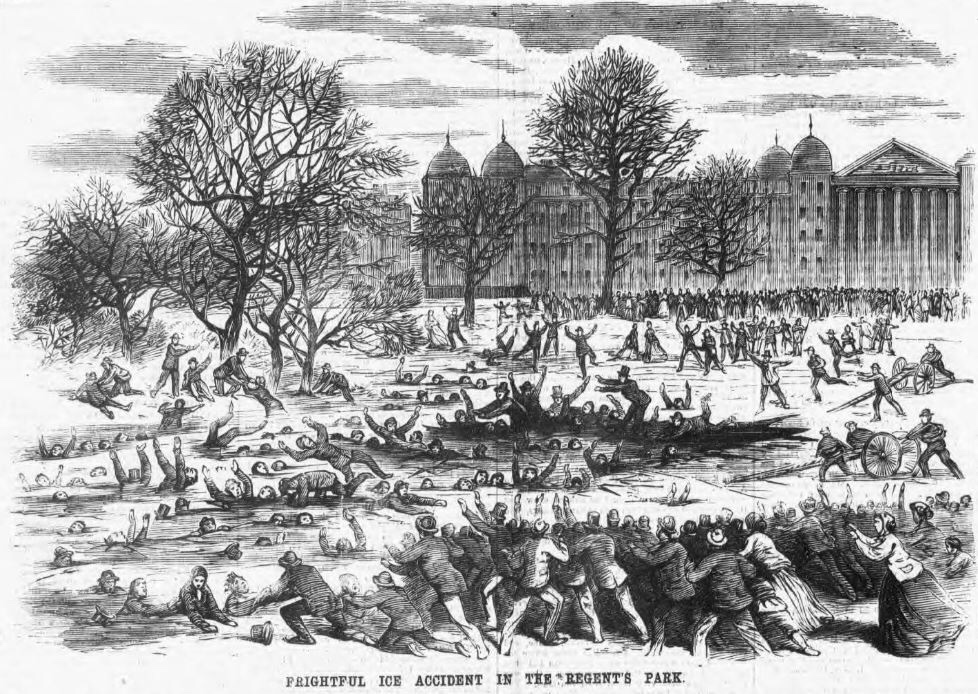
Illustrated Police News – 19 January 1867

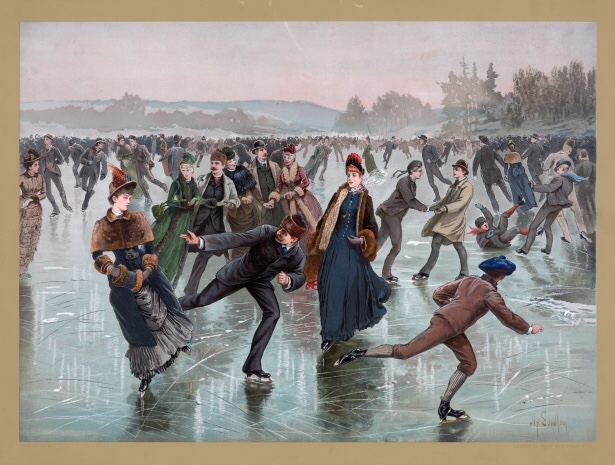
Ice skating was an extremely popular leisure activity during Victorian times – frozen ponds and lakes were often advertised in newspapers…. Up to 300 people were enjoying themselves on the ice in Regent’s Park this particular afternoon – skating, sliding, playing games of ice-hockey….img_5597

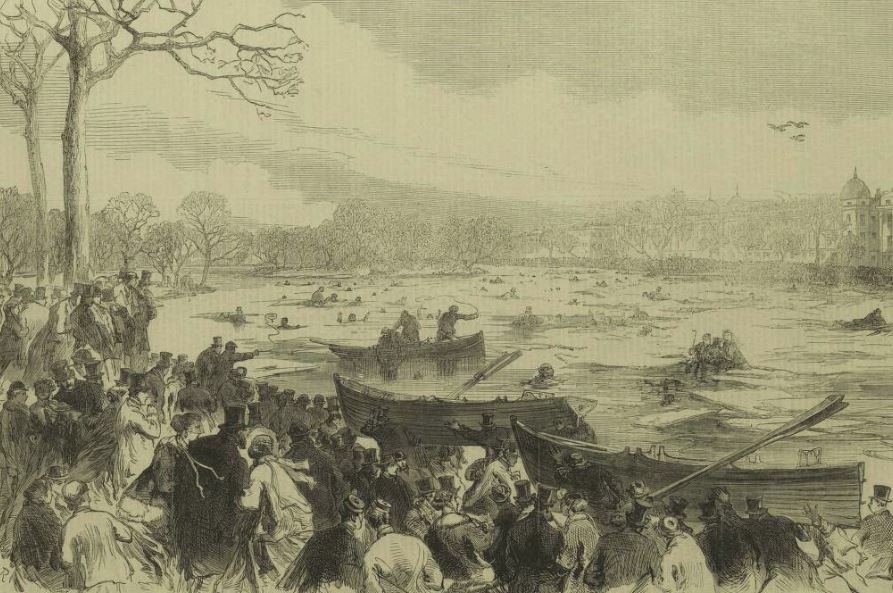
At around 4.15 the ice suddenly gave way with no warning – breaking into thousands of pieces…. Between 100-200 people were plunged into 12 foot of icy water – the weight of their heavy Victorian clothing dragging them down…. Boats were hurriedly launched to try and rescue those floundering in the water….passers-by reached out with branches broken from trees….

img_5599
Illustrated London News – 26 January 1867

Those who lost their lives came from all walks of life, from gentry to the very poor…. Most were young men but there were also women and children among them…. 29-year-old James Griffin was on the ice selling oranges to the skaters – and another, John Bryon, was selling hot roasted chestnuts…. It took over a week to recover all of the bodies, fishermen from Kew were used to drag their nets along the bottom of the lake….

There was much debate at the later inquest, as to the cause of the accident…. Some blamed Skating Club members acting as stewards (known as ‘Icemen’) for breaking the ice around the edges to prevent access to the island…. They in turn blamed the ice-hockey players, people who had been jumping on the ice and even the sun for melting it…. Park keepers also came under scrutiny – as it was thought they may have broken the ice out of concern for the large collection of exotic water fowl housed on the lake…. But in truth the skaters themselves were chiefly to blame for their own misfortune….

img_5600
Penny Illustrated Paper – 26 January 1867

The previous day 21 people had fallen through the ice – thankfully all had been rescued…. An overnight dusting of snow had covered the cracks so they were not visible…. Despite prominent signs being displayed, warning of the danger of thin ice, such was the enthusiasm to have fun that the signs were ignored….

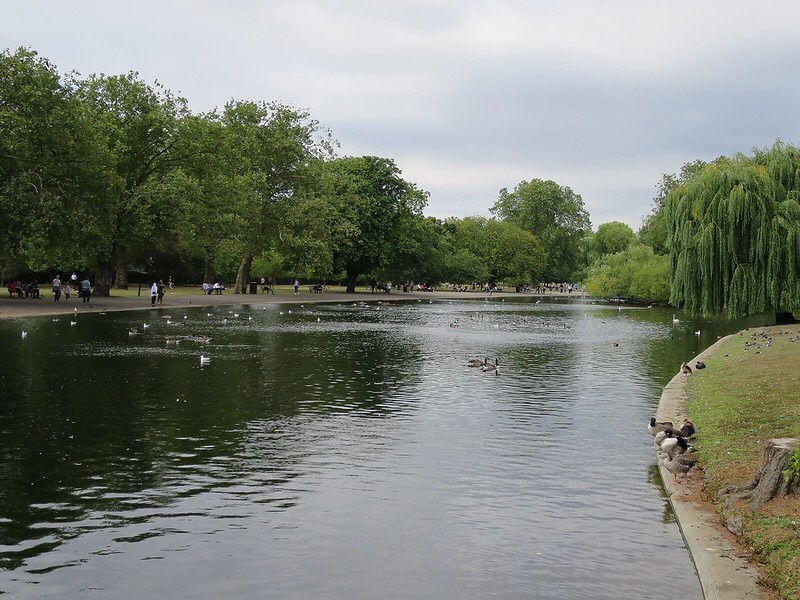
As a precaution to prevent such a tragedy from happening again the lake was drained and the depth reduced to 4 or 5 foot with soil and concrete…. However, the public were slow to learn – years later a similar incident was to happen….only this time because of the depth none of the 100 or so who fell in received anything more than a very cold bath….

img_5601
Regent’s Park Boating Lake – Alan Stanton via Flickr

On this day in history….31st August 1888

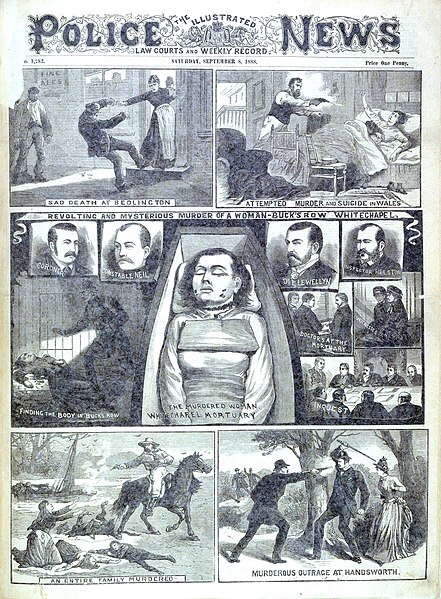
On this day in history : 31st August 1888 – Mary Ann Nichols, an East End of London prostitute, is found murdered and mutilated in Whitechapel…. She is the first victim to be attributed to Jack the Ripper….

img_3789
The Illustrated Police News, 8th September 1888 – Public domain

Mary Ann was born to Caroline and Edward Walker, a locksmith, on the 26th of August 1845…. On the 16th of January 1864 she married William Nichols, who worked for a printing company and together they had five children…. Mary Ann had a problem with alcohol and left her husband several times before the marriage finally broke up in 1881…. At first William supported his estranged wife with an allowance of 5 shillings per week – but in 1882 these payments stopped when William learned of his wife’s prostitution…. The law at the time stated that a man was no longer obliged to provide for his wife if she was earning money through illicit means….

Spending the rest of her days between workhouses and cheap lodging houses Mary Ann made a meagre living on her earnings as a prostitute and on charitable handouts…. As an alcoholic she drank most of her money – she could expect to earn around threepence a time for her trade – the same price as a large glass of gin….

Mary Ann’s last place of residence was at a boarding house in Spitalfields, where she shared a room with Nelly Holland…. At 12.30am on the 31st of August Mary Ann was seen to leave a public house in Brick Lane…. She was then turned away from the lodging house as she did not have the fourpence to pay for her bed for the night…. She was last seen alive by Nelly at 2.30am, standing on the corner of Osborn Street and Whitechapel Road soliciting for ‘business’….

img_3787
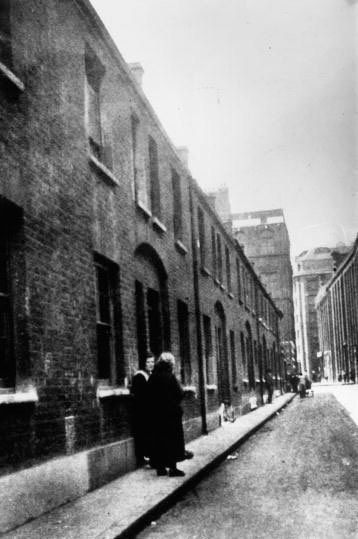
Bucks Row, site of the murder – Image courtesy Hulton Archive – Public domain

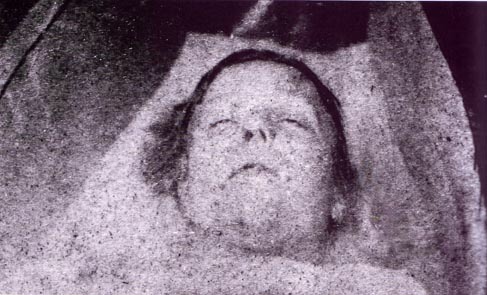
At 3.40am cart-man Charles Allen Cross came across Mary Ann and at first was unsure as to whether she was dead or unconscious…. Mary Ann’s skirts had been raised, so after adjusting them to give her some modesty, Cross and another passing cart-man summonsed the police…. A surgeon, Dr. Henry Llewelyn, was called and on his arrival, at around 4am, he pronounced that she had been dead for about half an hour…. Her throat had been cut twice, which would have killed her instantly – and then her abdomen had been mutilated….

img_3786
Mortuary photograph of Mary Ann Nichols – Public domain

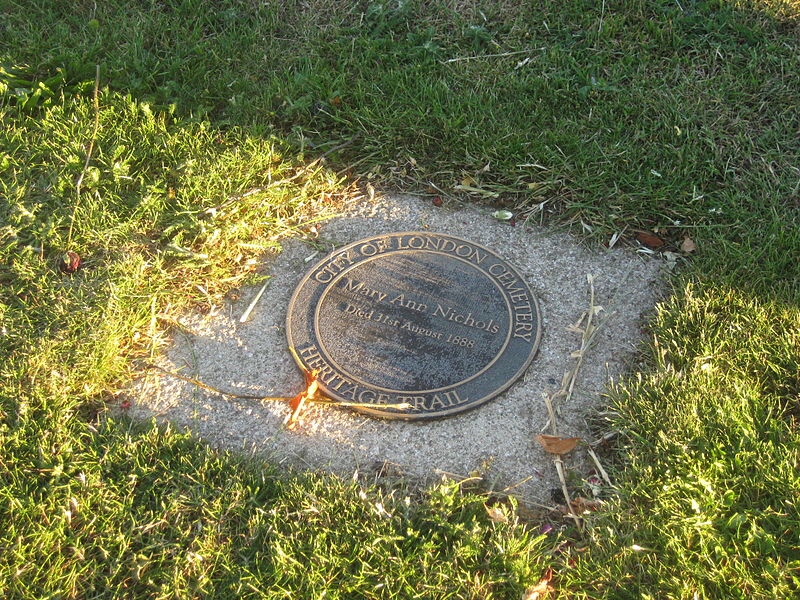
Mary Ann was buried at the City of London Cemetery in a public grave on Thursday the 6th of September 1888…. In 1996 the Cemetery authorities marked her grave with a plaque…. It is thought Jack the Ripper was responsible for the murders of 11 prostitutes between 1885 and 1891….

img_3790
Mary Ann’s grave marker at City of London Cemetery – Image courtesy : Matt Brown CC BY-SA

On this day in history….28th July 1865

On this day in history : 28th July 1865 – Scotland’s last public execution takes place…. A crowd of reportedly 100,000 watch as Dr Edward Pritchard is hanged for the murder of his wife and mother-in-law….

img_3631
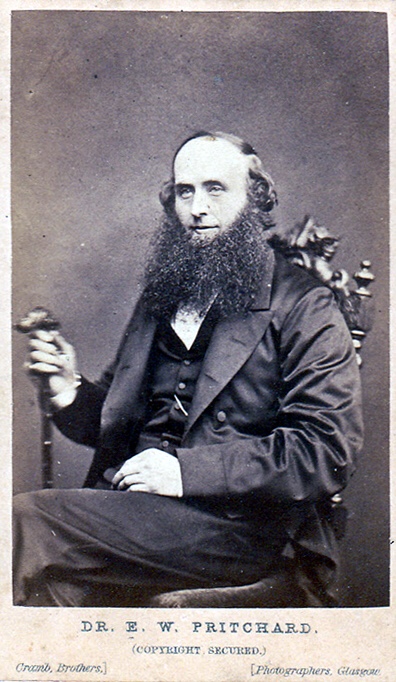
Public domain

Pritchard, born on the 8th of December 1825 in Southsea, Hampshire was the son of a sea captain….and claimed to have studied at King’s College Hospital, London, graduating in 1846…. How much truth is in this is unclear – but he did manage to secure the position of assistant surgeon onboard HMS Victory – and went on to serve on various other ships, which enabled him to travel the world….

On returning to Portsmouth he met Mary-Jane Taylor, the daughter of a wealthy silk merchant from Edinburgh…. The couple were married in 1851 and went on to have five children….

Pritchard took a job in Yorkshire as a GP…. During this time he wrote several books on his travels whilst in the Navy…. He also wrote about ‘water cure’ – or hydrotherapy….and had numerous articles published in The Lancet…. In 1859 he moved his family to Glasgow – it seems with his reputation tarnished as it appears some kind of ‘incident’ had occurred….

On the 5th of May 1863 a fire broke out in the family home at 11, Berkeley Terrace, Glasgow…. It started in the room of 25-year-old servant Elizabeth McGrain…. Strangely she made no attempt to escape – which would suggest she was unconscious or perhaps even already dead…. No charges were ever brought but there were those who had their suspicions….

The family moved to a new address in Glasgow, 131 Sauchiehall Street….and in early 1865 Pritchard’s wife, Mary, became ill…. Pritchard, aided by his colleague Dr Paterson,treated her at home…. On the 10th of February 70-year-old Jane Taylor arrived to nurse her sick daughter – but on the 28th of February she herself was to unexpectedly die…. Just over three weeks later, on the 18th of March, 38-year-old Mary-Jane also passed away….

Paterson, his suspicions aroused, refused to sign the death certificates, although he did not go to the authorities…. Pritchard however, had no such qualms at signing…. The death certificates recorded that Jane had died from paralysis and apoplexy – and his wife from gastric fever…. Both were buried at Grange Cemetery in Edinburgh….

Although Paterson had not publicly reported his suspicions the authorities did however receive an anonymous letter…. The information in contained was enough to prompt an order for the bodies to be exhumed…. Both were found to contain the poisons tartanised antimony, aconite and opium…. It appears Pritchard had been poisoning the food of his wife and mother-in-law….

img_3633
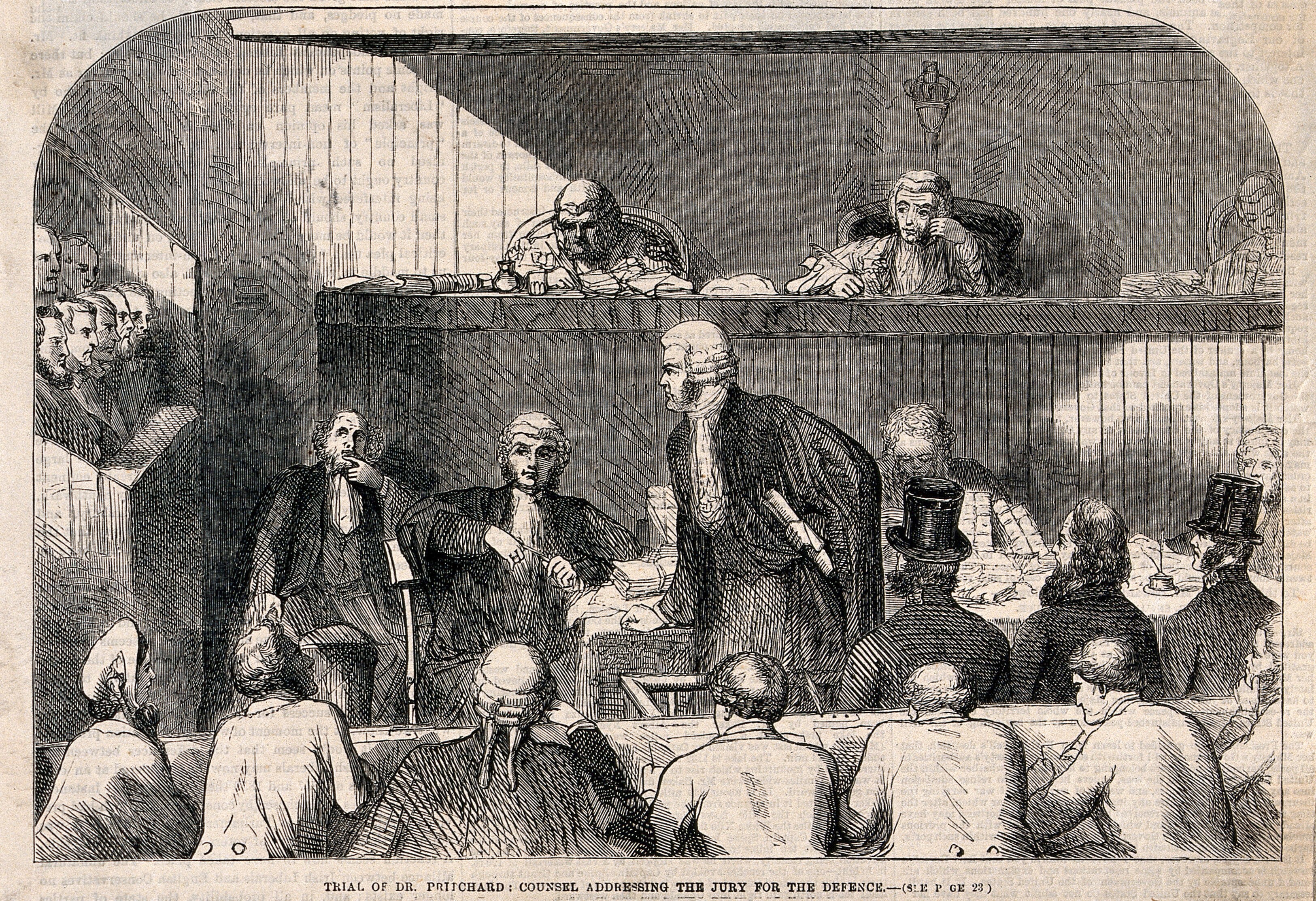
The trial of Dr Edward William Pritchard – wood engraving, 1865 – Credit : The Wellcome Collection CC-BY

Pritchard’s five day trial took place in Edinburgh in July and was presided over by Lord Justice Clerk, Lord Glencorse…. He was found guilty and sentenced to hang…. Following his conviction Pritchard wrote a confession but claimed innocence at the murder of Jane Taylor….

He described how he had been having an affair with servant Mary McLeod…. It had begun in the summer of 1863 and in 1864 she had become pregnant…. Pritchard helped ‘produce a miscarriage’…. He claimed his wife knew of the affair – but his mother-in-law had caught the pair together in his consulting room…. He also implicated that McLeod was an accomplice in the murder of his wife….

However, nine days before his execution date Pritchard made a further confession, exonerating McLeod saying he alone was responsible for both of the murders…. At 8am on the 26th of July at North Prison, Saltmarket, Glasgow – in front of a crowd of possibly 100,000 – Pritchard met his executioner….one Mr William Calcraft….


img_3632
William Calcraft c.1870 – Wheaton (New York) – Public domain

Read more … William Calcraft…. 45 years a hangman….

On this day in history….5th July 1888

On this day in history : 5th July 1888 – Three matchgirls are fired from Bryant and May, accused of telling lies to a journalist about their working conditions; 1,400 female workers go on strike….

img_3650
Matchgirls striking – Public domain

The mood amongst the Bryant and May factory workers had been darkening for a number of years…. It was a time when employers could do pretty much as they pleased…. Employees could be fined for being late, or even for talking…. In the early 1880s boss Theodore Bryant had even deducted a shilling from each pay packet to purchase a statue of William Gladstone…. Such was the disgust, that at its unveiling in 1882 some workers attended the ceremony to throw stones at it…. Some strike action was taken between 1881 and 1886 – but it had little effect….

img_3651
Workers in a match factory (possibly Bryant &; May) – The Graphic – Public domain

Conditions at the factory in Bow, East London were appalling…. Girls as young as 12 worked long hours for very little pay….and the work was dangerous…. Lack of ventilation meant the dreaded ‘phossy jaw’ was almost inevitable….

The phosphorous fumes created during the manufacturing process caused a type of cancer which led to facial deformities…. Phossy jaw is a painful swelling in the jaw that produces a foul smelling pus…. the jaw would then turn green and black as the bone rotted away…. The condition would be fatal without surgery….

img_3652
Phossy jaw – Public domain

In 1888 journalist and campaigner for women’s welfare and rights, Annie Besant, wrote a radical article entitled ‘White Slavery in London’…. She told of the terrible conditions in the factory – respectable Victorians would have been shocked when they learned of the appalling working environment these workers had to endure…. The Bryant and May bosses were furious and singled out three girls they believed were responsible for talking to Besant….and they were sacked….

However, the rest of the match girls decided to take action….1,400 workers went on strike which in turn effected some 3,000 Bryant and May staff…. For three weeks production came to a standstill….strike headquarters were established and workers had to rely on donations from the public as there was no strike pay or indeed benefits available then…. The public showed their support by not buying Bryant and May matches…. Rallies and marches were organised and there was a visit to Parliament to speak with MPs….

img_3653
Clashing with police at a match strikers’ march – Public domain

The bosses threatened to relocate the factory but finally after three weeks gave in to the workers’ demands….and the 3,000 returned to work – fining had ended and the three girls were re-employed….

Things did not end there though…. On the 27th of July 1888 the first meeting of the Union of Women Match Makers was held…. Premises were secured using money left over from the strike fund and the union grew….eventually being renamed so men could join too….

1889 saw a sharp increase in strike action, such as the Great Dock Strike…. Many workers had gained confidence because of the victory of the match girls….

img_3654
Image credit : The Wellcome Collection CC BY-4.0