On this day in history….18th August 1826

On this day in history : 18th August 1826 – Alexander Gordon Laing, a Scottish explorer, becomes the first European to reach Timbuktu – and is murdered there a month later….
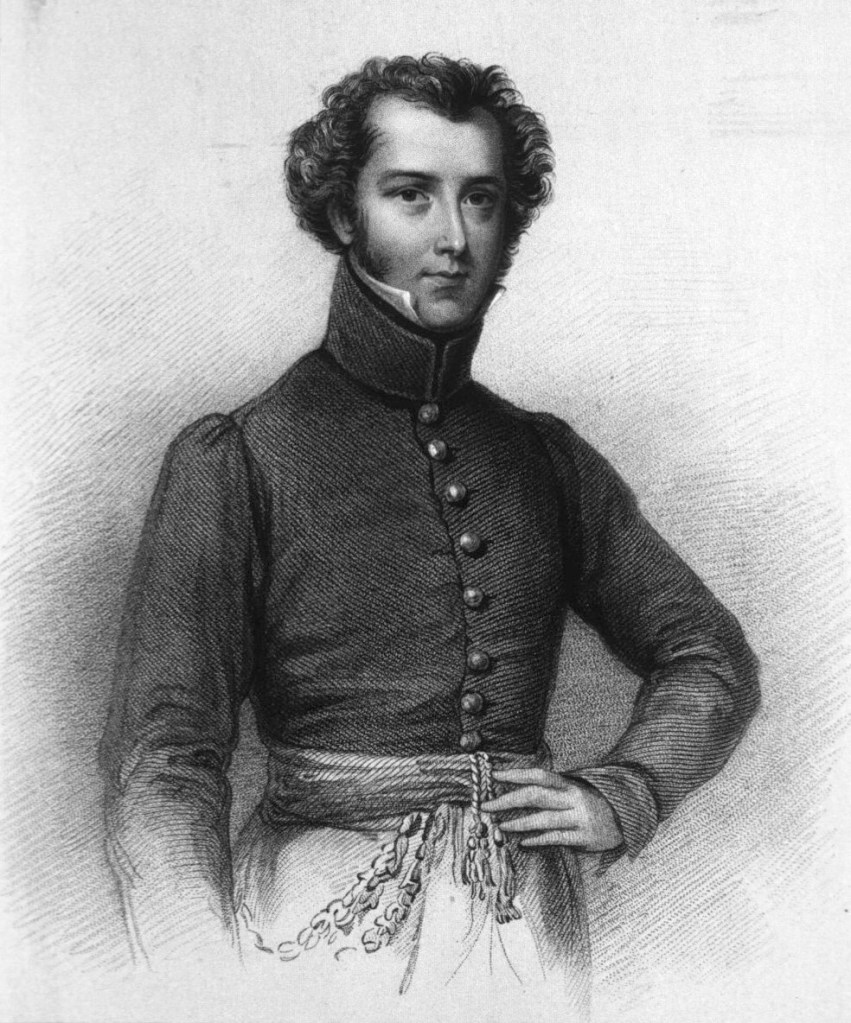
Alexander Gordon Laing – Public domain

Laing had left Tripoli in Libya on the 16th of July 1825 to journey across the Sahara Desert, on his mission to explore the Niger Basin…. He left behind Emma Warrington, his bride of just two days…. It took Laing and his party until the 25th of October to reach the oasis of Ghadames – and they still had 1,000 miles to cover before they would reach their destination…. By December 1825 they had arrived at Salah, the middle of the desert….

On the 10th of January 1826 the party set off on the remaining leg of their journey…. However, it wasn’t long before they were attacked by a band of Tuareg, whilst they slept in their tents…. It is thought Laing may have been mistaken for Mungo Park, a fellow Scottish explorer…. Park was hated and feared by the Tuareg people – as he had a tendency to shoot any African he found disagreeable or threatening….

During the attack most of the party were killed…. Laing himself received substantial injuries…. He suffered a total of 24 serious injuries including a broken jaw, having the lobe of his ear hacked off and a hand severed…. Despite all this he was able to join a caravan travelling south and finally reached Timbuktu (which is now in Mali) on the 18th of August 1826….

Laing’s house in Timbuktu – Image credit : upyernoz CC BY-SA 2.0

He was received with hostility from Fula Chieftain Bello, ruler of Timbuktu….and worried for his own safety he only stayed for a month…. He then set off in the direction of the Senegal River, an area he was familiar with from previous expeditions…. Only he was never to be seen again…. In 1910 a skeleton, believed to be his, was exhumed from a grave by the French authorities….
On this day in history….17th August 1945

On this day in history : 17th August 1945 – George Orwell’s ‘Animal Farm’ – the book which tells the story of a group of farm animals who rebel against their human farmer – is first published….

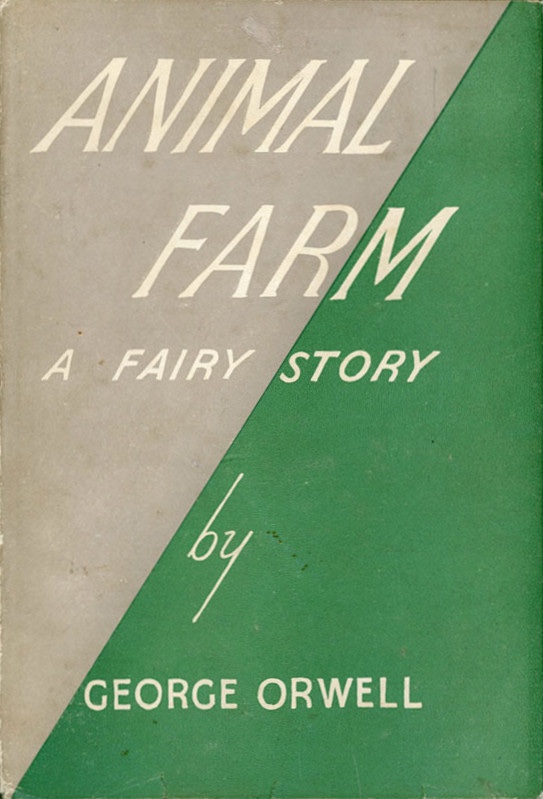
First edition cover – Public domain

Orwell was a democratic socialist and a critic of Stalin…. He claimed the story reflected the events which had led up to the Russian Revolution of 1917…. In his essay ‘Why I Write’ in 1946, he stated that Animal Farm was the first book in which he had attempted to ‘fuse political purposes and artistic purpose into one whole’….

Following his experiences during the Spanish Civil War Orwell had written ‘Homage to Catalonia’ in 1938 – but it did not sell well and he decided fiction was the best way to get his message across…. He saw Stalinism as ‘corruption of original socialist ideals’ – he wanted to expose and condemn Stalin’s methods….

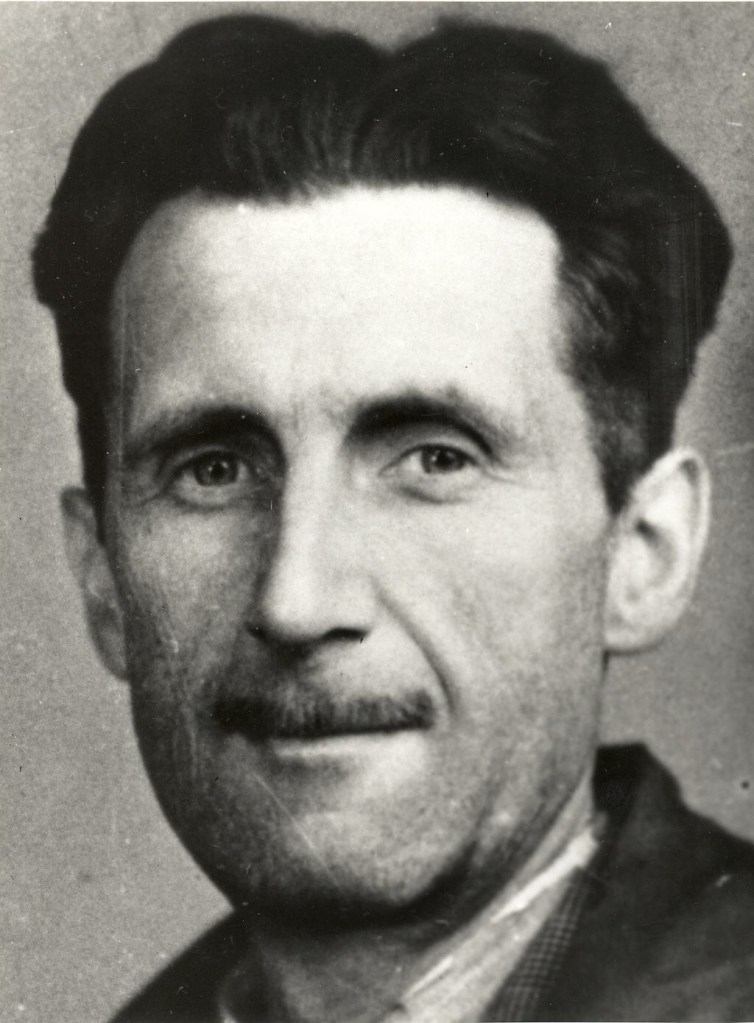
George Orwell – Public domain

Animal Farm was written between November 1943 and February 1944 – at the time when the UK was in a wartime alliance with Russia against Nazi Germany…. The British held Stalin in high esteem and Orwell hated this…. His book was initially rejected by UK and US publishers – but became a success as the relationship with Russia moved towards the Cold War….

The original title had been ‘Animal Farm : A Fairy Story’ but US publishers dropped the second part of the title when they published it in 1946….

On this day in history….16th August 1952

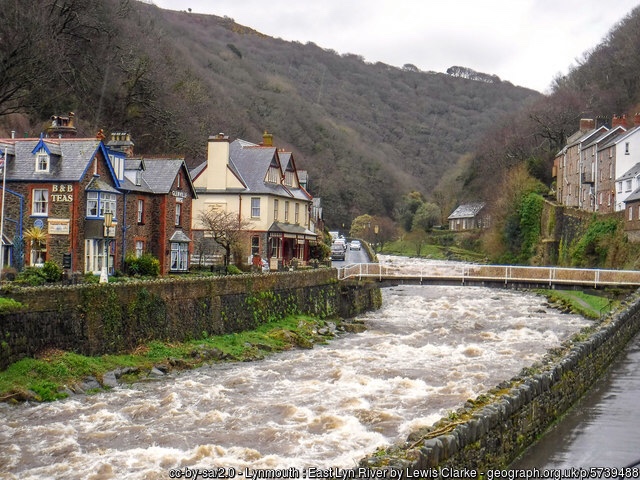
On this day in history : 16th August 1952 – One of the worst flash floods ever to occur in Britain sweeps its way through the North Devon village of Lynmouth….

Lynmouth, Devon

Torrential rainfall deposited 9 inches of rain on already saturated soil…. Over 100 buildings were destroyed or severely damaged – as were 28 bridges…. 38 cars were washed out to sea and 420 people lost their homes – but even more tragically – 34 lost their lives….

Following the flood controversy arose as to whether it had been caused by secret cloud seeding which had been carried out by the RAF between 1949 and 1952…. Cloud seeding is a method of weather modification aimed at altering the type of precipitation falling from clouds….

A 2001 BBC radio documentary fuelled speculation that the flood was linked to Project Cumulus – as the disaster happened just days after the RAF had been performing rain making experiments over Southern England…. However meteorologists deny this could have caused the flooding….

Lynmouth, Devon

On this day in history….15th August 1941

On this day in history : 15th August 1941 – The execution by firing squad, at the Tower of London, of Corporal Josef Jakobs…. It is to be the last ever execution at the Tower….

The Miniature Firing Range, Tower of London – ‘The Shed of Death’ – Photograph from the collections of the Imperial War Museums

Jakobs, born in Luxembourg in 1898, was a German spy – who during World War Two worked for the Abwehr, the German Army’s intelligence department….

On the 31st of January he was flown into Ramsay, Huntingdonshire from Schipol Airport, Holland…. He parachuted from the aircraft and landed in a field but broke his ankle in the process…. The following morning, to get the attention of two farmers, Charles Baldock and Harry Coulson, who were working nearby, he fired his pistol into the air….

The Home Guard were notified and Jakobs, still wearing his flying suit, was arrested…. He was carrying £500 in British currency, a radio transmitter, forged identity papers – and a German sausage! He also carried a photograph of German singer and actress Clara Bauerle, who was his lover and also a spy…. She was already in England and the idea was for him to join her….

Josef Jakobs – Fair use

Jakobs was transferred to Cannon Row Police Station in London, where he gave a voluntary statement to MI5…. He was then taken to Brixton Prison Infirmary where his ankle was treated before being held at Dulwich Hospital for the next two months….

His court martial took place on the 4th and 5th of August 1941 at the Duke of York’s Headquarters in Chelsea…. The British had been aware that he was coming to England as they had been informed by a double agent, Welsh Nationalist Arthur Owens…. Jakobs was found guilty and sentenced to death….

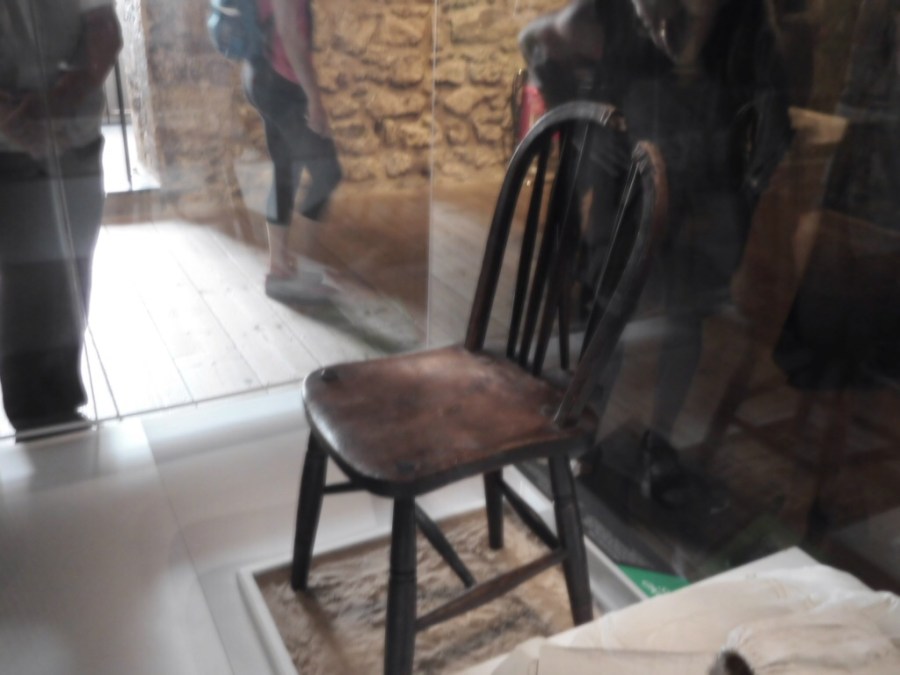
The execution took place ten days later at the miniature rifle range at the Tower of London…. Jakobs was tied blindfolded to a Windsor chair…. Eight soldiers of the Holding Battalion Scots Guards took aim with their 303 Lee-Enfields at a white cotton target pinned above his heart…. At 7.12am a silent signal was given by Lieutenant-Colonel C.R. Gerard…. Jakobs died instantly; five bullets hit him, three of the soldiers had been issued with blanks…. Jakobs was buried in an unmarked grave in St. Mary’s Catholic Cemetery, Kensal Green, London….

The Windsor chair on which Jakobs was executed – Image credit : Hu Nhu – own work – CC BY-SA 4.0

On this day in history….14th August 1979

On this day in history : 14th August 1979 – A freak storm hits the Fastnet Race…. A total of 19 lives are lost, 15 of which are crew and 4 of those involved in the rescue operation….

Memorial to those who died in the 1979 Fastnet Race, Cape Clear Island, Cork, Ireland – Image credit : Fanny Schertzer – own work – CC BY-SA 3.0

303 yachts with some 2,000 crew had set off on the 605 mile race from Cowes on the Isle of Wight in fine weather on the 11th of August…. Their route was to take them along the south coast of England, across the Irish Sea and then to finish in Plymouth….

Only 85 out of the 303 boats reached the finishing line…. Tragedy was to strike in the Irish Sea; a violent storm with Force 10 winds and 50ft waves, lasting over a period of 20 hours, sank, capsized and turned over yachts…. 24 boats were abandoned and at least 75 either capsized or sank….

The rescue operation began at 6.30am on the 14th of August, once the gales had dropped to Force 9…. Emergency services, naval forces and civilian vessels, manned by some 4,000 people, took part – it was to be the biggest rescue operation during peace time….

The disaster resulted in a major rethink of yacht racing – as to its risks and the prevention of future catastrophes….