On this day in history : 16th August 1952 – One of the worst flash floods ever to occur in Britain sweeps its way through the North Devon village of Lynmouth….
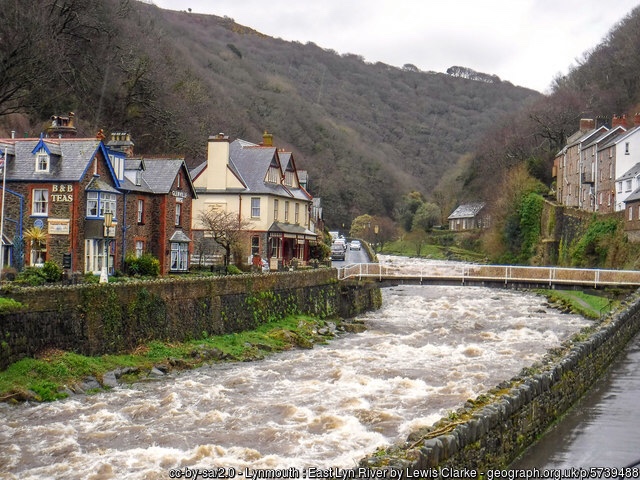
Lynmouth, Devon
Torrential rainfall deposited 9 inches of rain on already saturated soil…. Over 100 buildings were destroyed or severely damaged – as were 28 bridges…. 38 cars were washed out to sea and 420 people lost their homes – but even more tragically – 34 lost their lives….
Following the flood controversy arose as to whether it had been caused by secret cloud seeding which had been carried out by the RAF between 1949 and 1952…. Cloud seeding is a method of weather modification aimed at altering the type of precipitation falling from clouds….
A 2001 BBC radio documentary fuelled speculation that the flood was linked to Project Cumulus – as the disaster happened just days after the RAF had been performing rain making experiments over Southern England…. However meteorologists deny this could have caused the flooding….
On this day in history : 21st May 1950 – Violent storms and a tornado sweep across parts of Southern England, causing devastation and the death of three people….
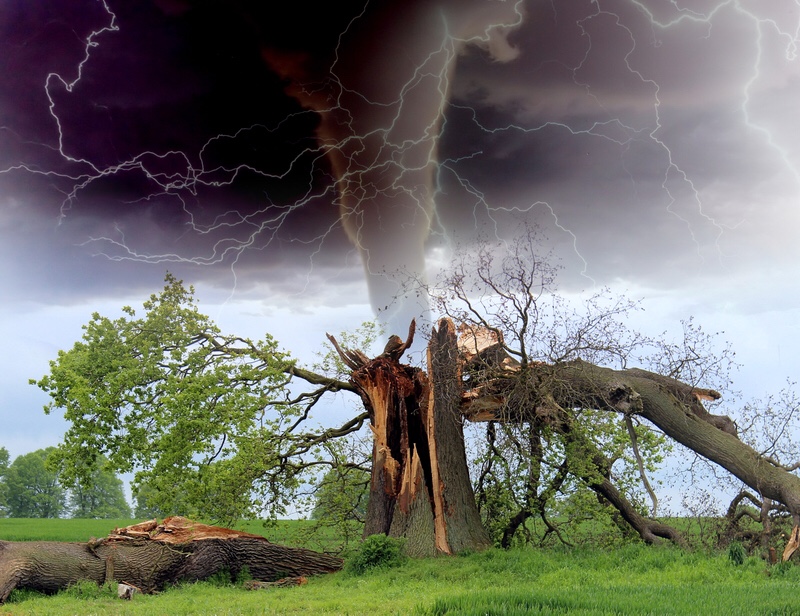
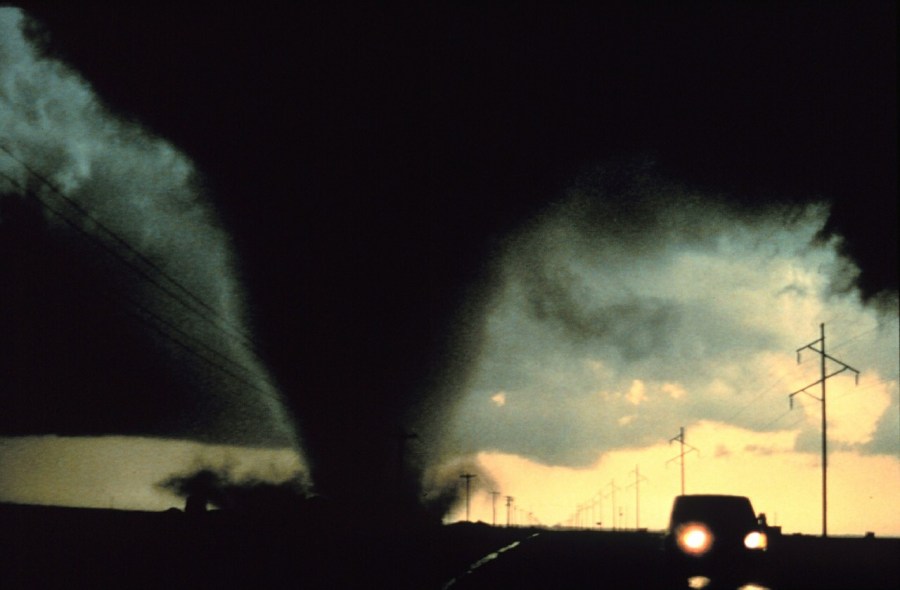
It was a Sunday afternoon….intense dark clouds were seen accumulating between 2.30pm and 4pm over Buckinghamshire, Bedfordshire and the Chiltern Hills – and then the thunderstorms broke out…. But worse was to come, as a tornado formed, which first touched down at Missenden in the Wendover Valley…. Uprooting trees on its way it then changed direction towards the town of Wendover – ripping tiles from the roofs of houses as it passed through….
The tornado was to sweep through the counties to the north of London beginning in Buckinghamshire, travelling as far as Cambridgeshire before eventually dying out in North Norfolk…. Its path, at least 66 miles long, is still the longest tornado trail on record in England – its duration, at 2.5 hours, is the longest lasting on record in Europe….
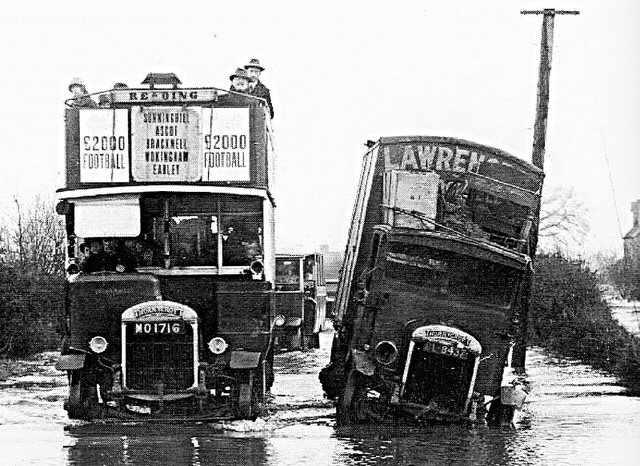
Complete streets of houses lost roof tiles, torrential rain then pouring into the properties…. In Linslade village, Buckinghamshire, approximately 200 houses were damaged, 50 severely…. A shop in Leighton Buzzard was struck by lightening and set ablaze…. Hailstones broke windows, damaged crops, killed poultry and blocked the road at Oakley, Bedfordshire – where they lay a foot deep…. A double decker bus in Ely, Cambridgeshire, overturned….
Many people were made homeless….the Ministry of Supply had to issue some 450 tarpaulins to cover damaged roofs…. Parked cars were lifted up by the tornado – as were horses and cattle…. People were injured and three people lost their lives…. Two, Frederick Cast and James Perry, were struck by lightning in Kempston, Bedfordshire, as they ran for shelter – whilst three others with them were hospitalised…. 8-year-old Jennifer Margaret Reeves was swept away by flood waters and drowned….
On this day in history : 4th April 2000 – Freak weather conditions, including blizzards and flooding, brings chaos to rail, road and air travel – on one of the the coldest April days on record in the UK….
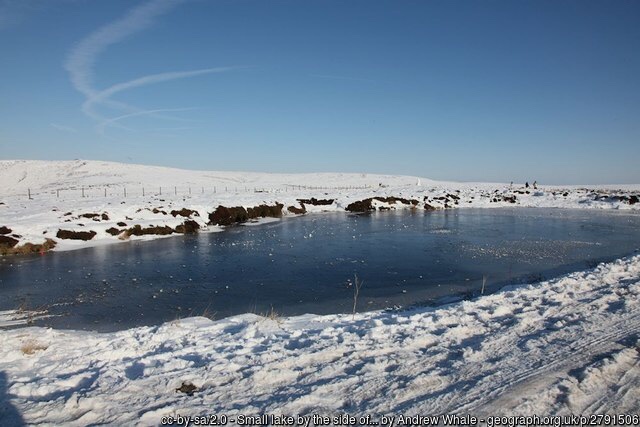
It was two weeks into British summer time and heavy snowfall had blanketed much of the countryside…. One of the worst hit areas were the Pennines, where the A57 Snake Pass was blocked….
Small lake by the side of Snake Pass
Thousands of newborn lambs were frozen in the snow, as gale force winds blew snowdrifts of up to 5ft deep….
The AA reported many accidents across the UK although much of the traffic was at a standstill…. Cars were abandoned on Dartmoor as winds in Devon reached 65mph….
Amber weather warnings were in place…. Across parts of the South heavy rain caused flooding and some homes were flooded….
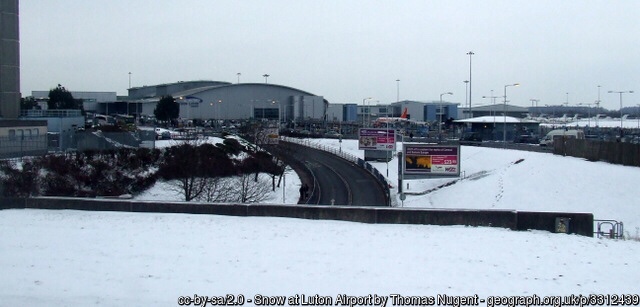
Trains were unable to run and Luton Airport had to close for 10 hours overnight – with some 20 planes being diverted to Birmingham and Stanstead….
Luton Airport – Looking up Airport Way from an aircraft approaching the terminal from the runway….
At the time scientists were identifying a general trend in climate change but were in disagreement as to what was causing it…. Reports were suggesting it was down to a combination of human activity, solar activity and warmer oceans….
On this day in history : 7th January 1928 – The River Thames bursts its banks and floods much of Central London…. Fourteen people lose their lives and thousands more are made homeless…. The Tower of London, Houses of Parliament and Tate Gallery are all swamped….
During Christmas 1927 heavy snow had fallen in the Cotswolds, where the Thames has its source…. A sudden thaw on New Years Eve, followed by excessive heavy rain meant there was double the usual volume of water coming down river…. This coincided with a high spring tide – but at the same time a storm surge, caused by a cyclone in the North Sea meant water levels were raised in the Thames Estuary….
Floods at Reading in January 1928 – showing the impact of the Thames flooding even further down river…. Image credit : Alan Farrow via Flickr
The situation was made even worse by dredging work that had been carried out in the Capital between 1909 and 1928 to deepen the river channel – to allow easier access for shipping in to the Port of London….
The river burst its banks just after midnight – when most Londoners were in their beds…. The first section to break was a 75ft stretch at Millbank – opposite the Tate Gallery…. Water poured into the gallery, up to 8ft deep on the ground floor….18 paintings were damaged beyond repair, 226 badly damaged and a further 67 received minor damage…. Many were by renowned artist J.M.W. Turner….
Westminster Hall and the House of Commons were flooded, as were most underground stations close to the river…. The Blackwall Tunnel was submerged, as was the Rotherhithe Tunnel…. The moat surrounding the Tower of London, which had been empty for over 80 years, was filled…. The flooding extended from the City of London and Southwark right to Putney and Hammersmith….
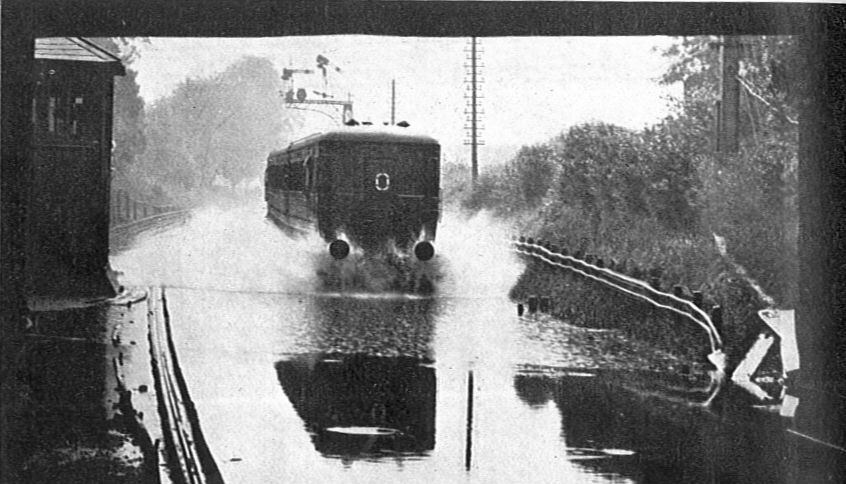
A Southern Railway electric multiple unit tackles floods at Kew Bridge railway station Credit : Andy Dingley (scanner) – Public domain
However, the most devastating part of the disaster has to be the human cost…. As the embankment near to Lambeth Bridge broke floodwaters gushed onto the streets of the run-down working-class area between Southwark and Blackfriars, which backed on to the river…. Water poured into the basements….which were the homes of so many of London’s poorer people….
There was little time to escape; police went from door to door, urging people to leave….many did, wearing just their nightclothes….but for some it was too late….
As the water poured into these basements nine people drowned – and another died from a heart attack brought on by the shock…. Alfred Harding later had to identify the bodies of 4 of his daughters:- Florence Emily, 18 – Lillian Maude, 16 – Rosina, 6 and Doris, who was only 2-years-old….
Two more died in Hammersmith, domestic servants Evelyn Hyde, aged 20 and Annie Masters Moreton, aged 22 – who shared a basement room…. Another two people died in Fulham…. 4,000 were made homeless….
The flood peaked at 1.30am, at a level of over 18ft above the Ordnance Datum line….the highest water level ever recorded in the Thames at London…. The water had subsided by the end of the day – but it took a month to pump all of it away…. The damage took several years to repair….many of the old slum areas had to be demolished, Millbank and the surrounding area had to be virtually rebuilt…. Political rows broke out over who should pay for the clean-up operation – was it the responsibility of local or central government…. Arguments also occurred amongst authorities and politicians over the role the dredging work had played in the disaster….
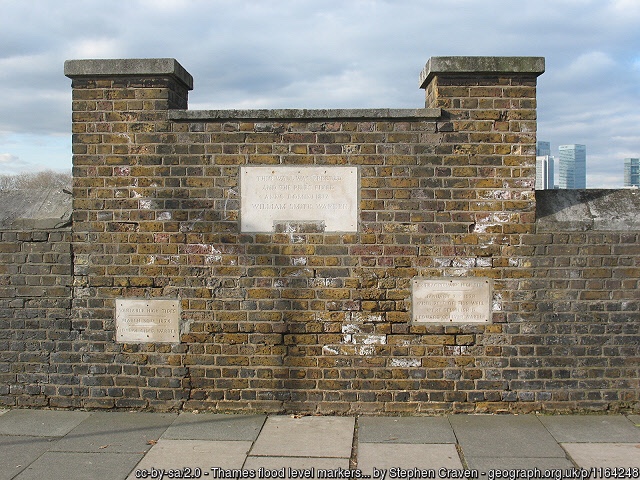
Thames flood level markers at Trinity Hospital, Greenwich
The embankments had once been marshland but were reclaimed during the Victorian era and had been developed for housing and commercial purposes…. As a result of the 1928 flood the river’s embankments were raised…. Thankfully it was the last major flood to occur in the city – but it came close again in 1953 – when the river almost broke the embankment – and did cause some flooding at Bermondsey and other low-lying areas…. A further flood occurred on the Lower Thames in 1959….
At last the government were prompted to consider flood defence – once again there were disagreements over who should foot the bill…. Plans were made in the mid 1960s for a flood barrier – and in 1974 work finally got underway…. The Thames Barrier officially opened in 1984….
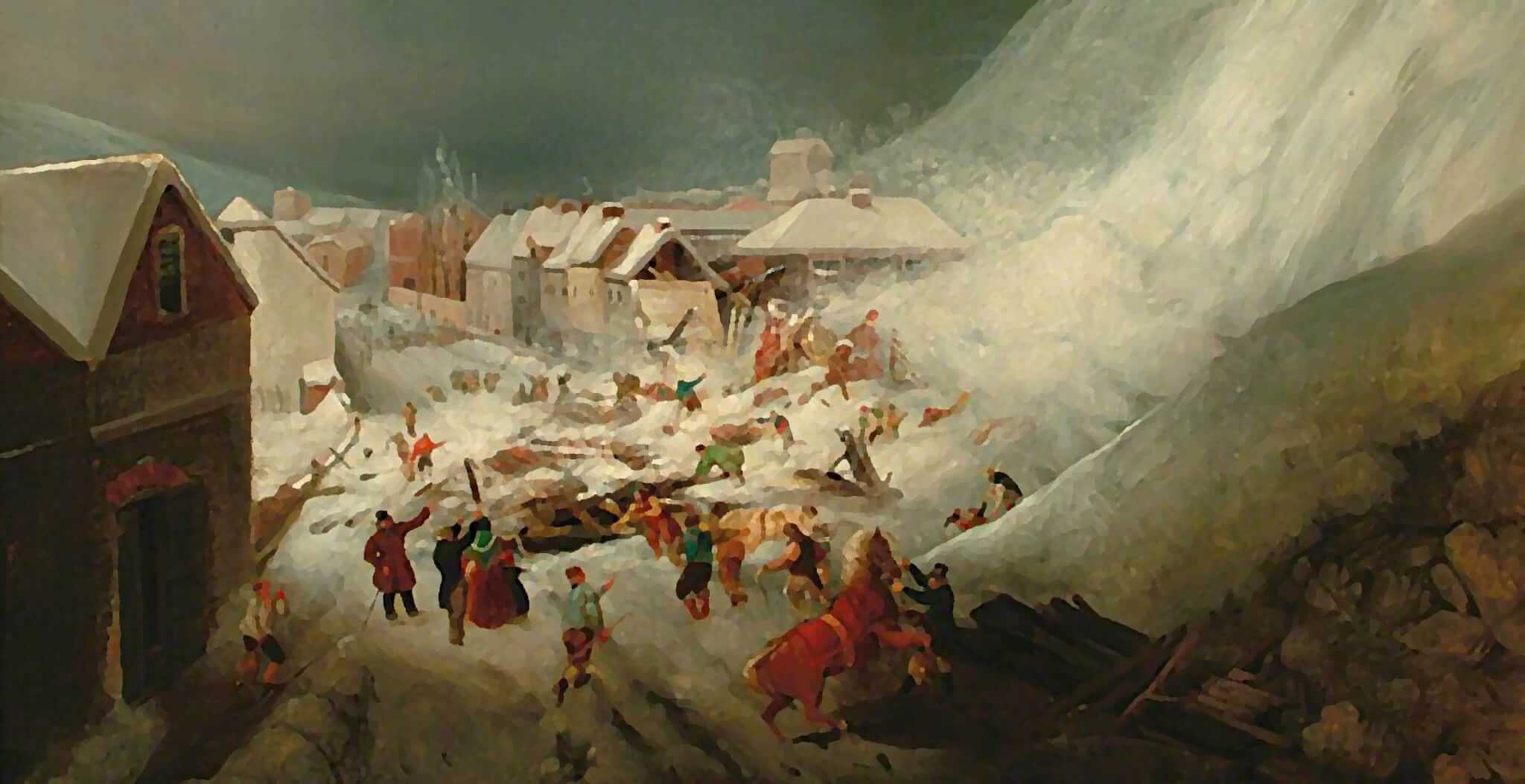
On this day in history : 27th December 1836 – The deadliest avalanche to be recorded in the United Kingdom occurs – not in Scotland or Wales, as would be expected – but in the South East of England….
Oil painting in the Anne of Cleves House Museum
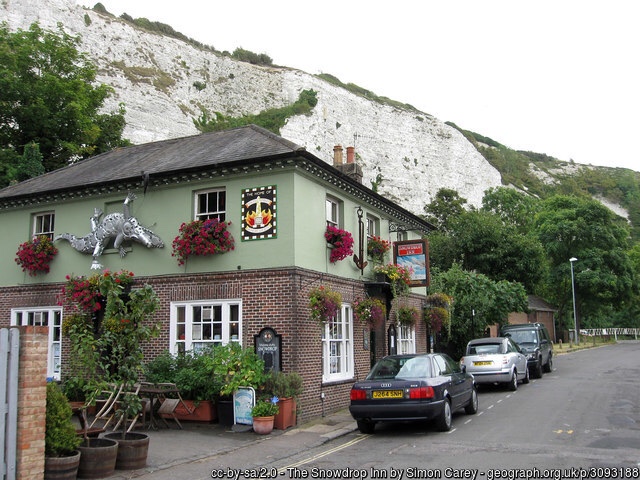
The West Sussex market town of Lewes is situated in a gap within the South Downs, on the River Ouse…. It is surrounded by hills – including to the east Cliffe Hill, rising to 164 metres above sea level….
At the foot of Cliffe Hill lies South Street….and at the time upon which lay ‘Boulder Row’ – a row of workers’ cottages – or ‘poor houses’, owned by South Malling Parish….
The winter of 1836-37 was very severe throughout the whole of the United Kingdom, with heavy snow and freezing temperatures, accompanied by gale force winds…. It had started snowing in the Southeast on Christmas Eve and was particularly heavy over the South Downs…. The snow persisted for the whole of the Christmas period – along with strong winds, which caused snowdrifts – some over 10ft high…. A huge snowdrift, reported as being over 20ft deep, formed on the top of Cliffe Hill, with an overhanging ledge – or ‘cornice’ – at the cliff edge….
Worried passers-by informed the inhabitants of Boulder Row and advised them to leave their homes…. But for reasons only known to them the residents chose to stay….most likely they had no other place to go in the sub-zero temperatures…. Even when on the 26th of December a large mass of snow fell from the cliff top on to a timber yard below – destroying it – they refused to leave….
The inevitable happened at 10.45 am on Tuesday the 27th of December…. The cornice collapsed – causing an avalanche of snow to crash towards Boulder Row beneath…. Witnesses reported that the cottages appeared to be struck at the base by the avalanche – which then broke above them like a huge white wave, completely burying them….
A rescue operation lasting several hours was mounted by the townsfolk…. Seven survivors were pulled from the snow and wreckage – and taken to the local workhouse for treatment…. Among them was a two-year-old child, Fanny Boakes; the white dress she wore that day can be seen in the Anne of Cleves House Museum, in Lewes…. A further eight people lost their lives, having died from suffocation or hypothermia….
The victims were buried in an unmarked, communal paupers grave in South Malling Parish Churchyard…. A fund was set up by the townsfolk to raise money for the families of those killed – and also for a memorial plaque – which is situated on the north wall of the church….
South Malling Church
Memorial tablet : Photo credit Russ Arno – Atlas Obscura
Where the Boulder Row cottages once stood a public house can now be found…. Built in 1840 ‘The Snowdrop Inn’ was named in commemoration of the disaster….