On this day in history….10th May 1940

On this day in history : 10th May 1940 – Winston Churchill becomes Prime Minister following the resignation of Neville Chamberlain – after losing a confidence vote in the House of Commons….

Winston Churchill – Public domain

In 1938 Chamberlain had signed the Munich Agreement with Adolf Hitler, handing over the Sudetenland region of Czechoslovakia to Germany…. In doing so Chamberlain claimed it would bring “peace in our time”…. However, in September 1939 Germany invaded Poland and in return Chamberlain declared war on Germany….

Under the direction of Chamberlain Britain proved ineffective at stopping Hitler – and when British forces were unable to prevent the German occupation of Norway in April 1940, with the loss of some 4,000 British troops, Chamberlain was to face the withdrawal of support from many members of his own Conservative party…. On the 10th of May Germany invaded France, Belgium, Luxembourg and the Netherlands – and Chamberlain completely lost the confidence of the House of Commons….
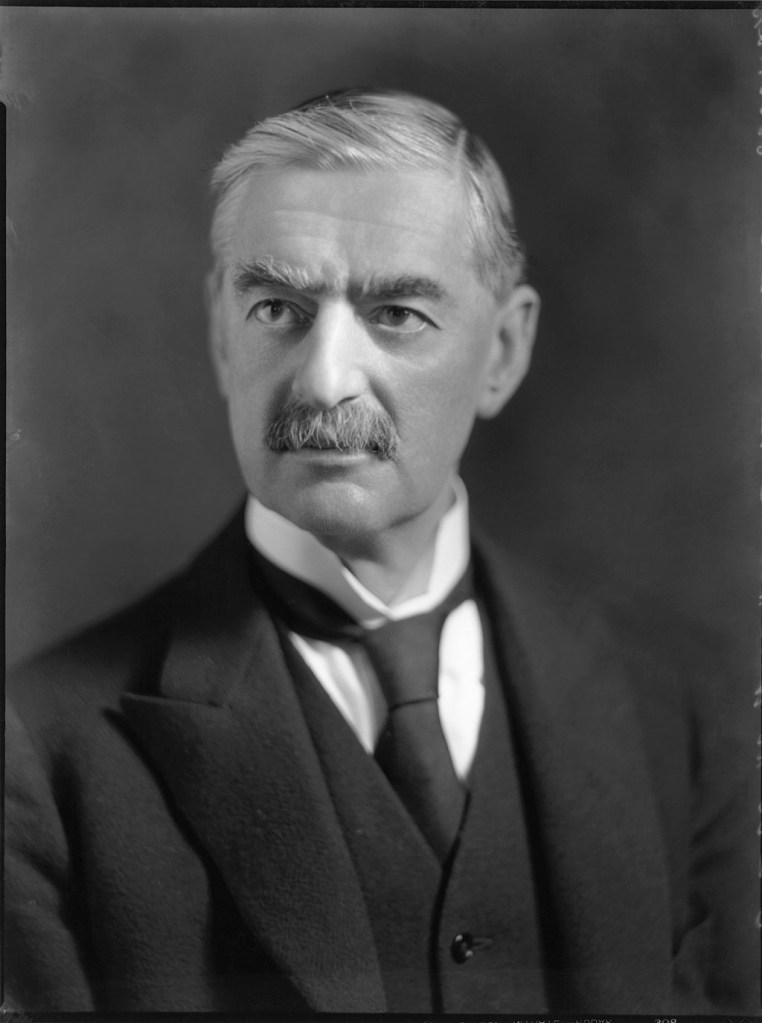
Chamberlain as Prime Minister – Public domain

Initially Lord Halifax was offered the position of Prime Minister but was to decline…. So, with his track record of military leadership Winston Churchill was appointed Prime Minister…. Labour leader Clement Attlee had made it clear his party would not work with a coalition under Chamberlain – but Churchill was to form a successful coalition and quickly won the hearts and support of the nation…. “I have nothing to offer but blood, toil, tears and sweat” ~ Winston Churchill in his first speech as Prime Minister….

Churchill with Lord Halifax 1938 – Public domain

Chamberlain served briefly under Churchill in the War Cabinet as Lord President of the Council, until retiring through ill-health in October 1940…. He died the following month of cancer….
On this day in history….9th May 1935

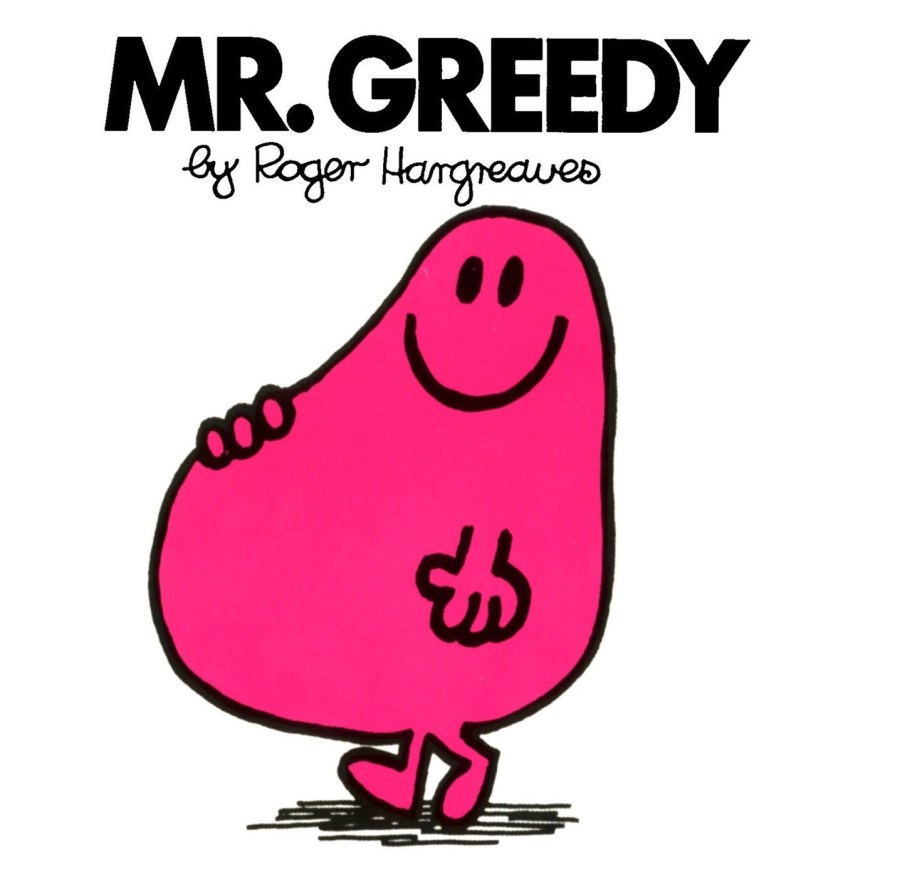
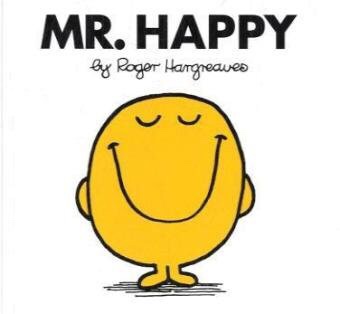
On this day in history : 9th May 1935 – The birth of author and illustrator of children’s books, Roger Hargreaves – best remembered for his much loved Mr Men and Little Miss series of stories….

Charles Roger Hargreaves was born in Cleckheaton, West Yorkshire and attended Sowerby Bridge Grammar School…. He then spent a year working in the family laundry and dry cleaning business before going to work in advertising….

Roger wrote his first Mr Men story – ‘Mr Tickle’ – in 1971…. It came about when his 8-year-old son asked him what a tickle looked like…. In response he drew a figure with a round orange body and long bendy arms – and so the first Mr Men character was born….

Fair use

At the time Roger was the Creative Director of a London advertising company…. He had some difficulty in initially finding a publisher for his books but once he did success came quickly…. In three years more than one million copies had sold…. 1974 saw the BBC animated Mr Men series, narrated by Arthur Lowe – and by 1976 Roger had given up his advertising career to concentrate on his writing…. The Little Miss books were launched in 1981 and they too were made into a TV series in 1983 – this time narrated by husband and wife team John Alderton and Pauline Collins….

Fair use

In all there were 46 Mr Men and 33 Little Miss books…. With over 100 million books being sold Roger was to become Britain’s third best selling author of all time…. His other works included the 25 book series ‘Timbuctoo’, ‘The Roundy and Squary’ books, ‘John Mouse’, ‘Hippo Potto and Mouse’ and the ‘Veggie Fruits’ – but it is undoubtedly the Mr Men and Little Miss stories that won so many hearts….

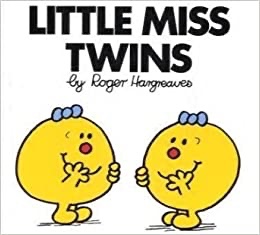
Between 1975 and 1982 Roger and his wife Christine lived on Guernsey with their four children – Adam, Giles and twins Sophie and Amelia – upon whom ‘Little Miss Twins’ was based…. The family then moved to Cowden in Kent…. On the 11th of September 1988 Roger was to die suddenly following a stroke – he was aged just 53…. After his death his son, Adam, continued his work – and in April 2004 Christine sold the rights to the characters to the Chorion entertainment group….

Fair use

On this day in history….8th May 1913

On this day in history : 8th May 1913 – The birth, in South Africa, of British character and comic actor Sid James – best known for his roles in the Carry On films and Hancock’s Half Hour….

Sid James – Fair use

Sid was born Solomon Joel Cohen in Johannesburg…. As a young man he had a variety of jobs, including as a diamond polisher, a coal heaver, dance instructor and hairdresser…. It was whilst working in a hairdressing salon in the Orange Free State that he met his first wife, Berthe Sadie Delmont – known as ‘Toots’ – and they were married on the 12th of August 1936…. Her father bought them a hair salon of their own – but a year later Sid decided he wanted to be an actor…. The couple had one daughter, Elizabeth, in 1937 – but they divorced in 1940….

During World War 2 Sid was a Lieutenant in the entertainment division of the South African Army…. In 1943 he married dancer Meg Sergei – and they had a daughter, Reina, in 1948….

In the December of 1946 Sid and Meg emigrated to the UK and Sid made his first credited film appearances in 1947, in the crime dramas ‘Night Beat’ and ‘Black Memory’…. His first comedy role was in ‘The Lavender Mob’ in 1951…. He and Meg divorced on the 17th of August 1952 and four days later he married Valerie Elizabeth Patsy Assan, an actress using the stage name of Ashton…. They were to have a son, Steve, in 1954, followed later by a daughter, Sue….

Sid began working with Tony Hancock in 1954, first on the radio and later TV…. He played the part of his own namesake ‘Sid’ in Hancock’s Half Hour, which ran for six series, ending in 1960….

Sid James and Tony Hancock in Hancock’s Half Hour – Fair use

He was to take a lead role in ‘Carry On Constable’ in 1960 and a further 18 Carry On films were to follow…. In the 1970s he was to become a familiar face on the small screen with his sitcoms ‘Two In Clover’ (1969-70) and ‘Bless This House’ (1971-76)….

Sid was highly regarded by almost everyone who worked with him, despite his uncouth demeanour he was a gentleman…. However, it was reputed that he did not get on with his Carry On co-star Kenneth Williams…. But he did get on very well with another co-star, Barbara Windsor – the pair had a well-publicised ten year affair….

He was a hard drinking workaholic – perhaps in necessity to service his gambling addiction….and this lifestyle was to take its toll, when in 1967 he suffered a heart attack…. He was soon back at work, on the set of ‘Carry on Doctor’, in which he played a patient and spent most of the film in bed – which was appropriate for his health situation…. He gave up the heavy smoking, lost weight and cut down on the alcohol…. However, on the 26th April 1976, whilst appearing on stage at the Sunderland Empire Theatre, in the farce ‘The Mating Season’ by Northern Irish playwright Sam Cree, he suffered a further heart attack…. Sid died on his way to hospital….

On this day in history….7th May 1915

On this day in history : 7th May 1915 – A German U-boat sinks RMS Lusitania killing 1,198 people – 128 of which are US citizens and turns the American public against the German Empire….

Lusitania in 1907 – Public domain

The Lusitania had been launched on the 7th of June 1906 and was designed to carry passengers transatlantic…. At the time she was the largest ship in the world, measuring 787 feet (240m) and weighing approximately 31,550 tons…. She was especially noted for her speed…. A month after her maiden voyage, which began on the 7th of September 1907, she was awarded the Blue Riband for the fastest Atlantic crossing, averaging at 24 knots….

Lusitania was coming to the end of her 202nd Atlantic crossing and was headed to Liverpool from New York…. On board the British ocean liner, which was part of the Cunard Shipping Line, were 1,959 passengers and crew….

The ship was running parallel to Ireland’s south coast when at 2.10pm she crossed in front of a German U-boat…. Lusitania’s captain, William Thomas Turner, had been warned by the British Admiralty to avoid the south coast of Ireland because of submarine activity – but he chose to ignore the warnings…. Commanding Officer of the U-boat, Walter Schweitzer, gave the order to fire a torpedo – which at 2.12pm struck the Lusitania on the starboard bow…. The initial impact explosion was quickly followed by a second much larger explosion, quite possibly the ship’s boilers….

English drawing of Lusitania being torpedoed – Public domain

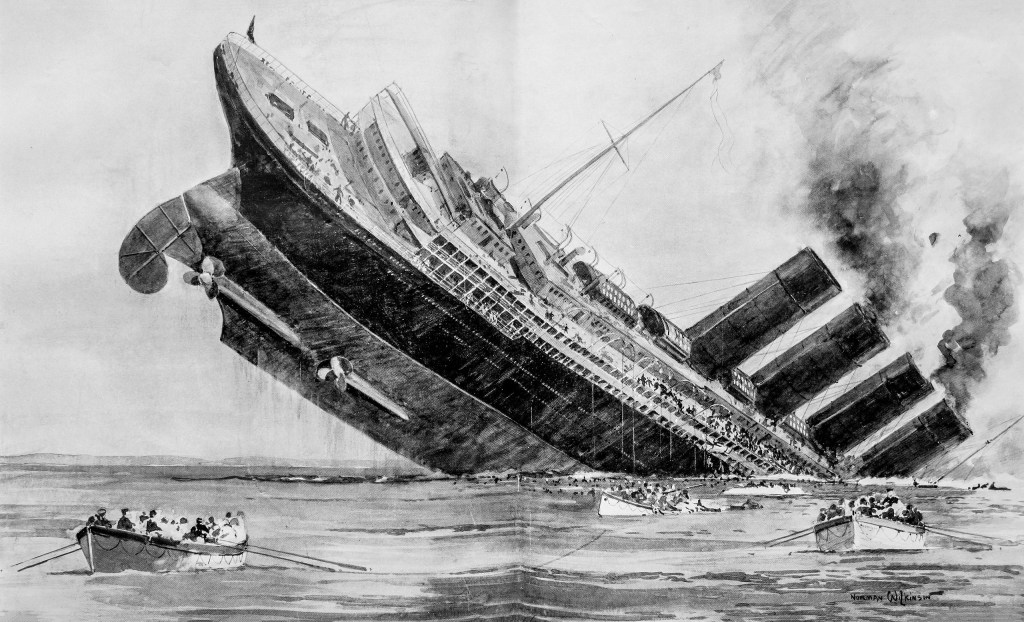
The crew rushed to launch the lifeboats but because of the ship’s list it was all but impossible – only 6 out of the 48 lifeboats were successfully launched…. Within 20 minutes the Lusitania had sunk….

Illustration of the sinking by Norman Wilkinson – Public domain

News of the Lusitania’s sinking soon reached around the world, causing an international outcry – especially in Britain and across the British Empire…. Most of the casualties onboard were British or Canadian but included were 128 Americans…. In 1914 President Woodrow Wilson had declared US neutrality – it took another two years before the States entered the War but the sinking of the Lusitania played a significant part in turning American public opinion against Germany….

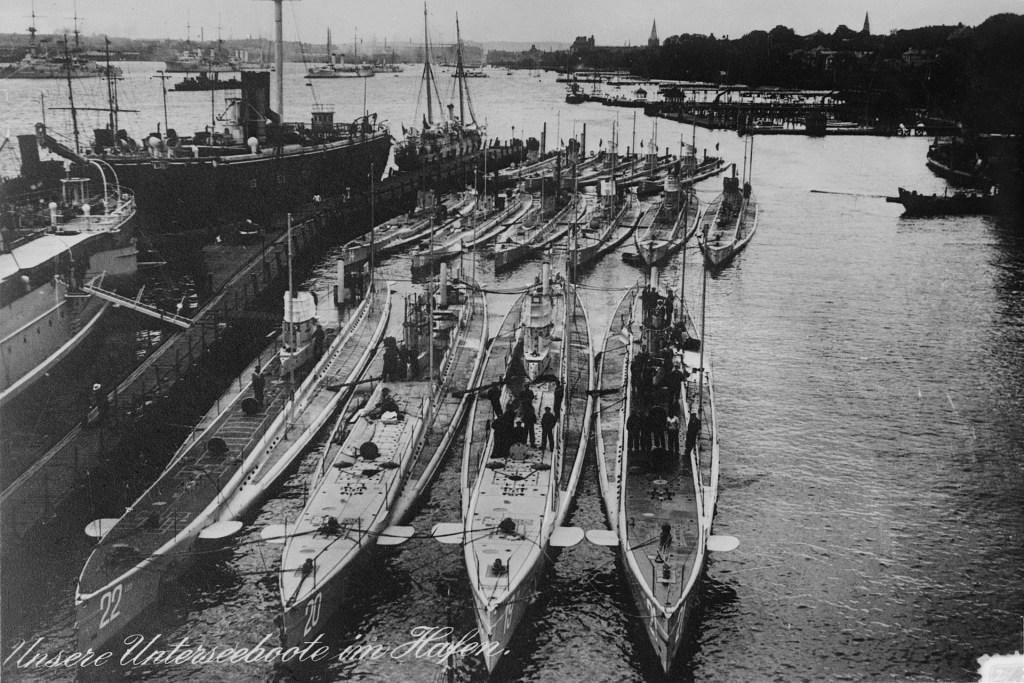
U-20 (second from left) – the submarine responsible for the sinking of Lusitania – Public domain

The Germans justified the attack as necessary as the Lusitania had been carrying 173 tons of rifle ammunition and shells…. Nevertheless Germany apologised to the US and said there would be no more unrestricted submarine warfare…. However, just a few months later, in November 1915, an Italian liner was sunk by a U-boat, killing over 270 people, including more than 25 Americans….

On this day in history….6th May 1910

On this day in history : 6th May 1910 – King Edward VII, known as ‘Bertie’ to his family and close friends, dies from a heart attack at Buckingham Palace….

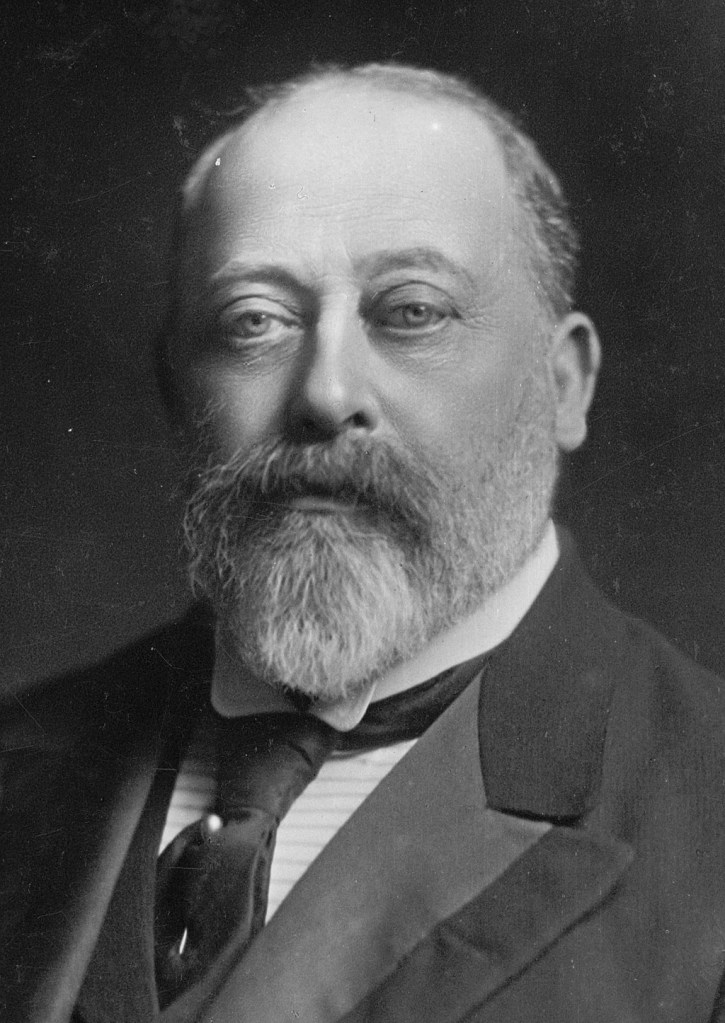
Photograph of Edward VII 1900s W & D Downey – Public domain

Edward, the eldest son of Queen Victoria and Prince Albert, had been born at Buckingham Palace on the 9th of November 1841…. He was to become Prince of Wales a month later, on the 8th of December….

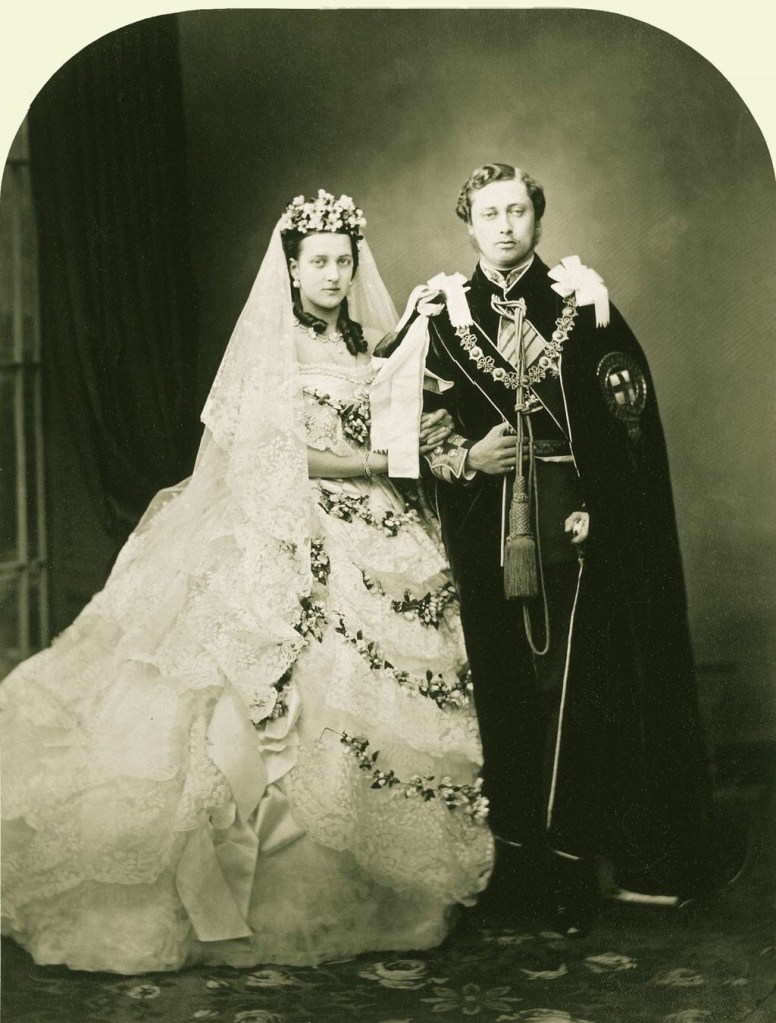
On the 10th of March 1863 he married Danish Princess Alexandra, at St. George’s Chapel, Windsor…. They were to have six children five of whom lived to adulthood – Prince Albert Victor, Prince George (later to become George V), Princess Louise, Princess Victoria and Princess Maud….

Edward and Alexandra on their wedding day 1863 – Public domain

Edward was to have many affairs during his marriage, including with actresses Sarah Bernhardt and Lillie Langtry…. He also had relationships with Lady Randolph Churchill (the mother of Winston Churchill) and Alice Keppell (the great grandmother of Camilla, wife of Prince Charles)…. He had one particularly scandalous affair with an actress before his marriage…. Prince Albert was distraught over the disgrace it brought upon the royal family…. The affair ended – but two weeks later Albert died…. Queen Victoria blamed Edward for the death of her beloved husband – she never forgave him….

Edward (right) with his mother Queen Victoria, Tsar Nicholas II (left), Empress Alexandra and baby Grand Duchess Olga Nikolaevna, 1896 – Public domain

Following the death of Victoria, on the 22nd of January 1901 Edward became King…. The Coronation was set for the 26th of June 1902 but Edward suffered appendicitis two days before – and it had to be postponed until the 9th of August 1902….

Edward was a heavy smoker, regularly smoking over 20 cigarettes a day and a dozen cigars…. In March 1910, whilst in Biarritz, France, he collapsed with a severe case of bronchitis…. He stayed in France to convalesce – his condition went unreported to the British public…. Edward faced much criticism for staying away at a time when political tensions were running high over the unresolved constitutional crisis of the ‘People’s Budget’….

On the 27th of April he arrived back at Buckingham Palace…. Queen Alexandra returned shortly after, having just visited her brother, King George of Greece, in Corfu…. On discovering the condition of her husband she called their children to inform them their father was seriously ill….

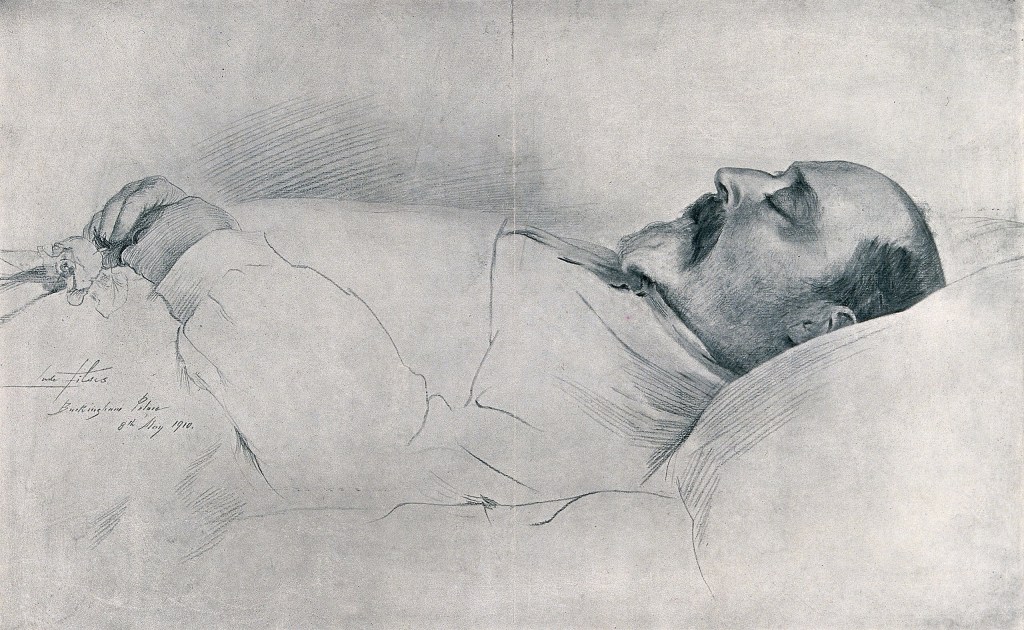
On the 6th of May Edward suffered a series of heart attacks – but refused to go to bed…. “No, I shall not give in; I shall go on; I shall work to the end”…. At 11.30pm he lost consciousness and was carried to bed…. He died fifteen minutes later….

drawing of Edward on his deathbed by Sir Luke Fildes 1910 – Image : Wellcome Images CC BY 4.0