The restoration and living in of an English country cottage
Author: cottagecapers
Hi, I'm Hazel....
I write purely for pleasure; I love to delve in history, customs, traditions and nature....or whatever else grabs my attention at the time....
I am in no way an expert on what I choose to write about - I simply love to find out about things.... Whilst I always endeavour to get the facts right - occasionally I may get things wrong.... I guess you could call this my disclaimer....
I hope you enjoy reading my blog posts.... If so please give me a follow on Twitter or sign up via email for future posts.... If you are on Facebook Cottage Capers has a page with lots of ‘mini blogs’ and snippets.... It’s where we ‘like-minded’ folk can interact.... Hope to meet you again soon....
On this day in history : 23rd March 1540 – Waltham Abbey becomes the last religious community to be closed during the Dissolution of the Monasteries under King Henry VIII….
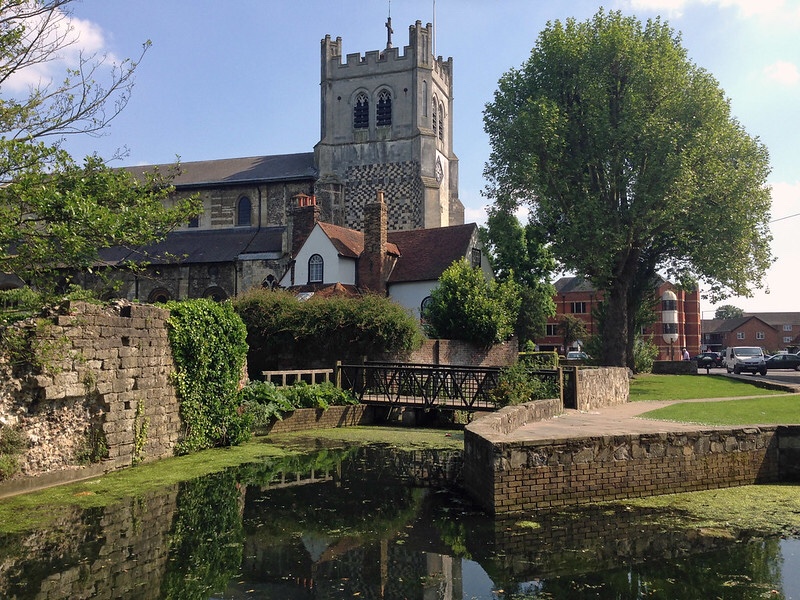
Waltham Abbey Church – Image credit : diamond geezer via Flickr
Henry VIII visited Waltham Abbey in Essex a number of times, actually staying there in 1532 with Anne Boleyn…. He suggested that it could become one of the Church of England’s new cathedrals – but this was never to happen….
After the 1534 Act of Supremecy and the severing of ties with the Catholic Church King Henry was free to do what he wished with the 850 different religious establishments across England…. Between a quarter and a third of the country’s land was owned by churches in England – within two years of the Act the Crown began to disband the monasteries and religious houses, seizing their assets…. In four years all had been dissolved bringing great financial gain to Henry – all that is except for Waltham Abbey….
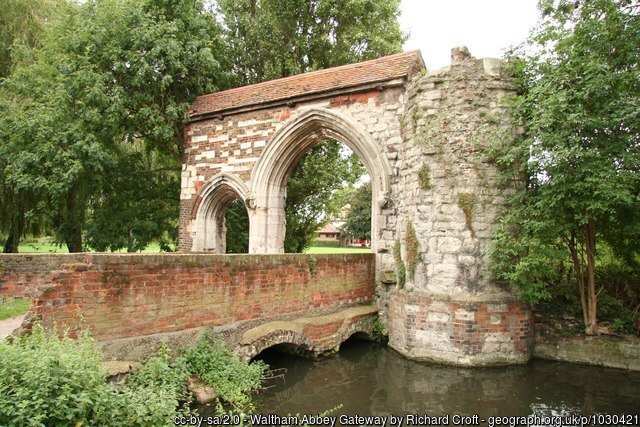
Surviving bridge and gatehouse of the abbey
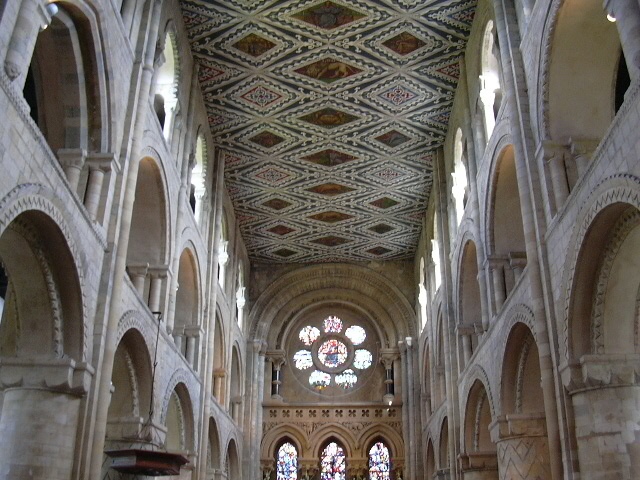
Eventually though even that was to succumb….causing economic disaster to the town, which had grown prosperous from the many pilgrimages to the Abbey…. The last abbot, Robert Fuller, received a generous pension – but over time all of the buildings, with the exception of the parish church nave, were either demolished or fell into neglect….
The nave of Waltham Abbey Church – Image credit : Cnbrb – own work – Public domain
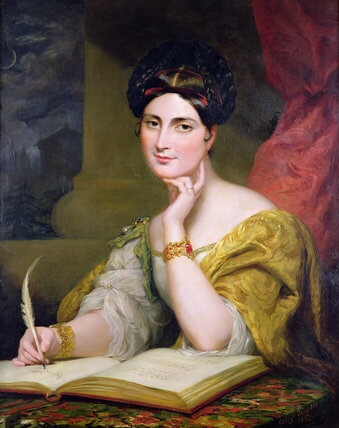
On this day in history : 22nd March 1808 – The birth of author, social reformer and feminist Caroline Norton, who campaigned for women’s rights in Victorian England….
Caroline Norton – Public domain
Born Caroline Elizabeth Sarah Sheridan in London, Caroline was the granddaughter of Irish playwright and poet Richard Brinkley Sheridan…. Her father was Thomas Sheridan, a soldier and her mother was Scottish novelist Caroline Henrietta Callender…. Tragically Thomas died in 1817 whilst serving in South Africa – he left his family virtually penniless….
Caroline was the second of three daughters, all known as beauties and sometimes referred to as ‘The Three Graces’…. Caroline herself was a high-spirited girl and quick of tongue…. Her mother, finding it difficult to control her, packed her off to boarding school in Shalford, Surrey when she was 16….
Some of the girls attending the school were invited to Wonersh Park, the home of local landowner William Norton, Lord Grantley…. It was here that Caroline caught the eye of Lord Grantley’s younger brother, George Norton…. He made up his mind there and then that he was going to marry her…. He wasted no time in writing to her mother….who whilst keen to see her daughter married off, insisted that they wait for three years…. The marriage took place in 1827, she was 19 and not overly happy about the union but agreed as she was all too aware of her family’s continuing financial difficulties….
The marriage was a disaster from the start…. He was somewhat dull, jealous – and a little dim…. She was bright, quick-witted and flirtatious…. They were also completely incompatible in their political views…. Norton was a hardline Tory – and MP for Guildford – whereas Caroline had liberal tendencies and like her grandfather she supported the Whigs…. Because she dared to voice her opinions she suffered regular, savage beatings at the hands of her husband….
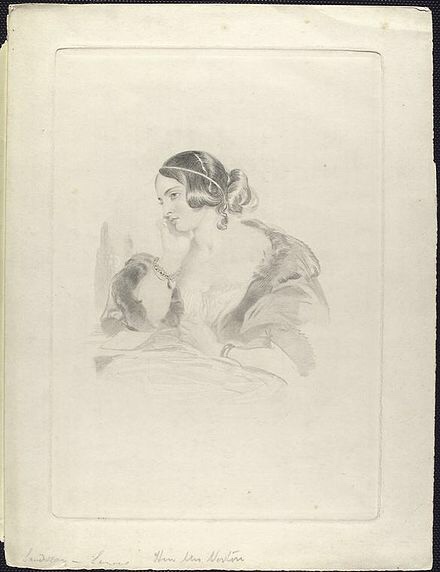
Caroline buried herself in her writing…. She had shown a gift for verse from an early age…. It was two such pieces, ‘The Sorrows of Rosalie’ in 1829 and ‘The Undying One’ in 1830, that led to her being appointed editor of the publications ‘La Belle Assemblee’ and ‘Court Magazine’….thus giving her some financial independence…. She counted amongst her close friends influential people, such as Mary Shelley, Edward Bulwer-Lytton, Benjamin Disraeli, Edward Trelawney, Fanny Kemble and the then Home Secretary Lord Melbourne….
Portrait engraving of Caroline from one of her books – Tucker Collection – New York Library Archives – Public domain
Caroline finally left her husband in 1836…. Norton retaliated by accusing her of having an affair with Lord Melbourne…. It was a friendship he had initially encouraged – for his own gains…. Having lost his Conservative seat Norton had hoped that by using her friendship with Melbourne she could secure him a highly-paid government post…. Caroline and Melbourne, a widower who liked the ladies, were to become the subject of gossip – something Norton had in the beginning turned a blind eye to…. But once his wife had left him he sued Melbourne for seducing her…. He lost the case but Caroline’s reputation was in tatters…. To add to her misery Norton denied her access to their three young sons, Fletcher b.1829, Brinsley b.1831 and William b.1833…. Caroline’s battle against her husband for access to her boys eventually led to the Infant Custody Bill, 1839….
Norton then tried to claim the money she earned from her writing…. This prompted her to write to Queen Victoria, as part of a campaign to ensure women were supported after divorce…. The letter was published and became influential in helping the Marriage and Divorce Act 1857 succeed….
Watercolour sketch of Caroline by Emma Fergusson, 1860, National Portrait Gallery of Scotland – Image : Stephencdickson – own work CC BY-SA 4.0
Caroline herself was refused a divorce by her husband – she was not released from the legality of the marriage until his death in 1875…. Two years later, in March 1877, she married her old friend of 25 years, Sir William Stirling Maxwell, the Scottish historical writer and politician…. Sadly only three months later, on the 15th of June 1877, Caroline was to die….
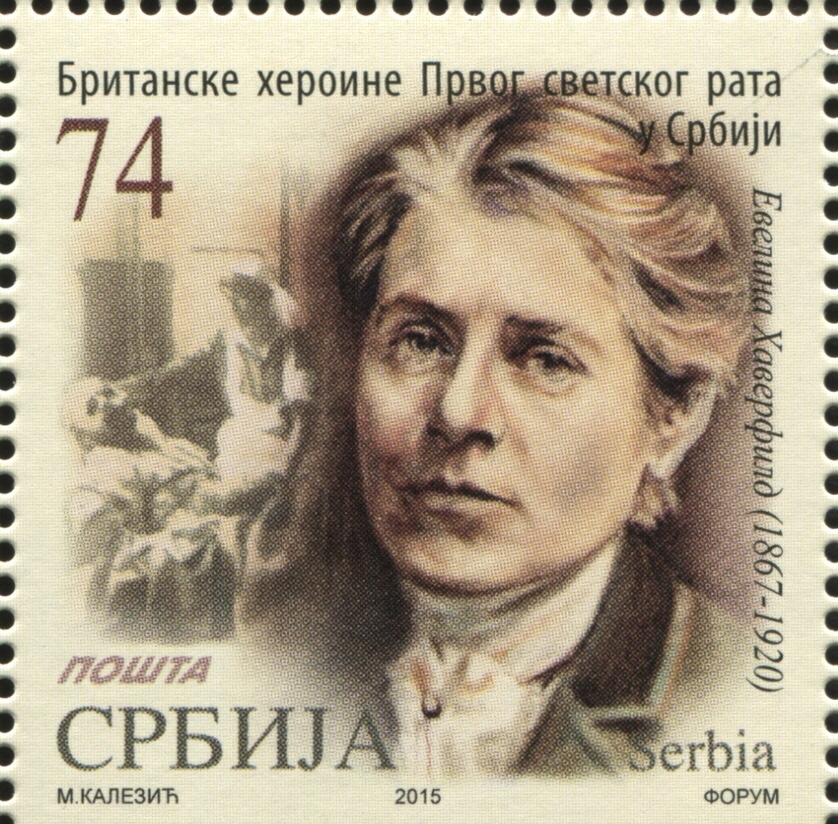
On this day in history : 21st March 1920 – The death of Evelina Haverfield, the British suffragette who during WW1 began to devote herself to helping the Serbian people….
Portrait of Honorable Evelina Haverfield by B. Cundy – The Wellcome Collection CC BY 4.0
Evelina Scarlett, the daughter of William Frederick Scarlett, 3rd Baron Abinger and Helen Magruder Scarlett, was born at Inverlochy Castle, Kingussie, Scotland on the 9th of August 1867…. She grew up in London and Inverlochy before going to school in Düsseldorf, Germany in 1880….
On the 10th of February 1887 Evelina married Royal Artillery Major Henry Wykeham Brooke Tunstall Haverfield – she was 19-years-old, he was 20 years older than her…. They had two sons, John Campbell Haverfield in 1887 followed by Brook Tunstall Haverfield in 1889…. The family made their home in Sherborne, Dorset….only Henry was to die only a few years later in 1895….
Evelina remarried on the 19th of July 1899 – another Royal Artillery Major, John Henry Balguy, a friend of her late husband…. She kept her house in Sherborne – and continued to use the name Haverfield, changing it back by deed poll just a month after the marriage…. She accompanied her new husband to South Africa during the Second World War…. Being an accomplished horsewoman herself she formed a retirement camp for horses…. After 10 years Evelina and Balguy went their separate ways as it was not a happy union, although they never actually divorced….
After joining the Sherborne branch of the National Union of Women’s Suffrage Evelina attended a rally at the Royal Albert Hall…. Inspired she then in 1908 joined the Women’s Social and Political Union, founded by Emmeline Pankhurst…. She was arrested several times, once with Emmeline during a demonstration, another time along with 200 other suffragettes for smashing windows and in 1910 for assaulting a police officer…. She reportedly claimed in court that she had not hit him hard enough and “next time I will bring a revolver!”She eventually found herself in Holloway serving a two week sentence after attempting to break through a police cordon outside the House of Parliament…..
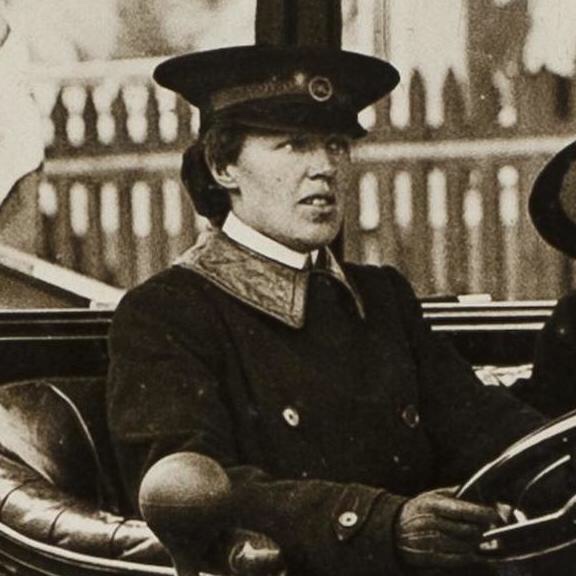
In 1911 Evelina began a relationship with Vera ‘Jack’’ Holme, also known as the Pankhursts’ Chauffeur……it was a friendship that was to last for the rest of her life…. They soon began to live together, quite possibly as a couple – and Vera made Evelina the sole heir in her Will….
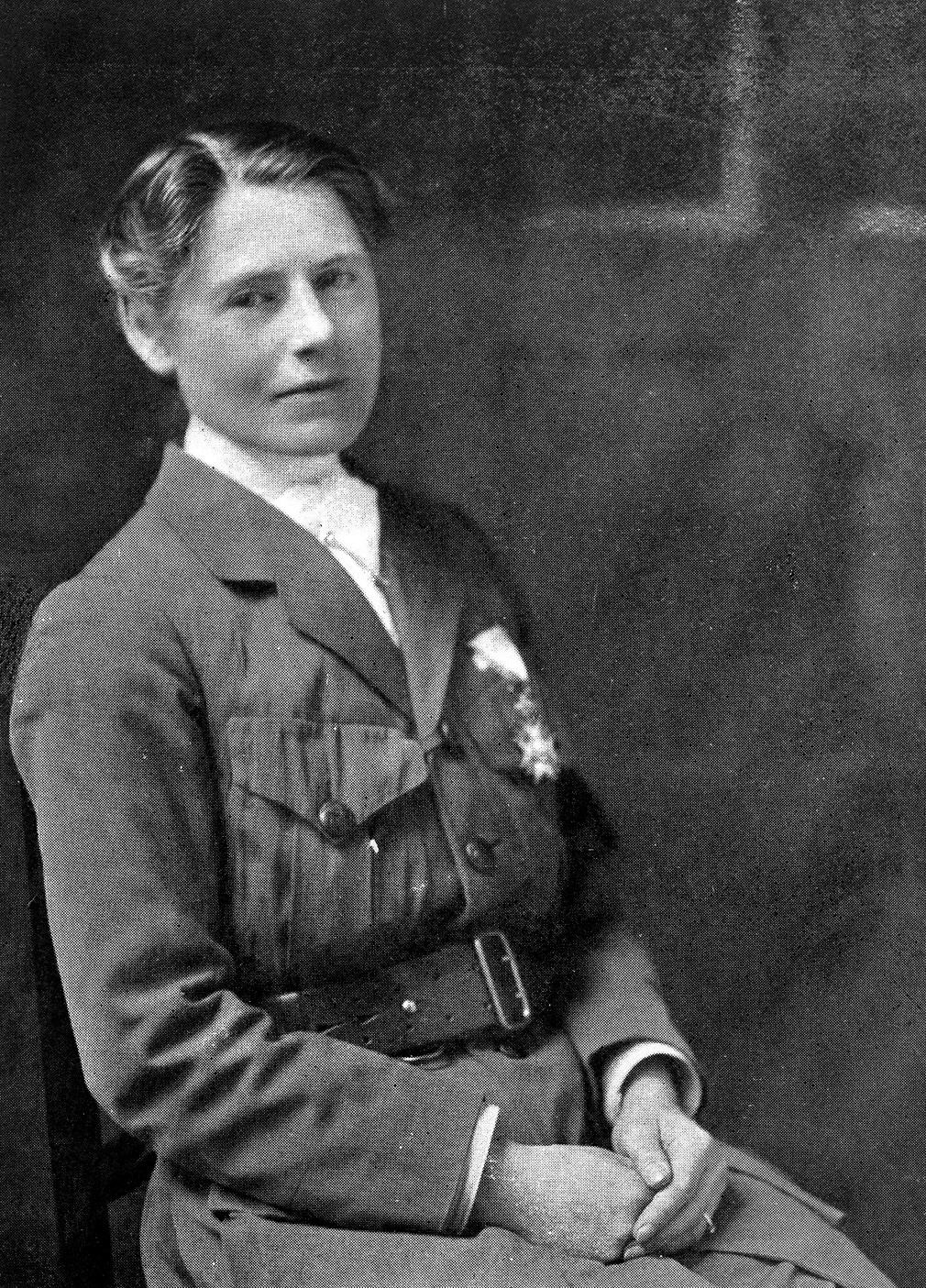
Not a lot is known about the early life of Vera Holme…. She was born on the 29th of August 1881 in Birkdale, Lancashire to parents Richard and Mary Holme…. She may have been educated in France before becoming an actress…. Vera was known to be a lesbian, she tended to dress in masculine clothes and adopted mannish mannerisms…. She joined the WSPU in 1908, soon becoming an active member, working alongside the likes of Annie Kennedy, Clara Codd and Elsie Howey…. It was in 1909 that a wealthy supporter of the WSPU bought Emmeline Pankhurst an automobile that Vera was appointed her chauffeur…. Vera also spent time in Holloway….during 1911 after being convicted of stone throwing….
Vera ‘Jack’ Holme – LSE Library via Flickr
At the outbreak of WW1 Evelina founded the Women’s Emergency Corps, to help with the war effort….an organisation that helped women to become doctors, nurses and motorcycle messengers….
In 1915 she received instructions to organise the dispatch of the Scottish Women’s Hospital units to Serbia, an expedition she herself accompanied…. The Scottish Women’s Hospital to Foreign Services had been founded in 1914, providing nurses, doctors, ambulance drivers, cooks and orderlies to what was to become four hospitals in Serbia…. The conditions in Serbia were beyond dire….the Serbian army had just 300 doctors for half a million men…. As well as battle injuries to contend with there was also a typhus epidemic affecting both the military and civilians alike…. However, in 1916 the volunteers were forced to leave after Serbia was finally invaded…. A hard resistance campaign had been fought against the invading Austrians but eventually starvation, disease and exhaustion were to take their toll in the winter of 1915 – Serbia could no longer hold out….
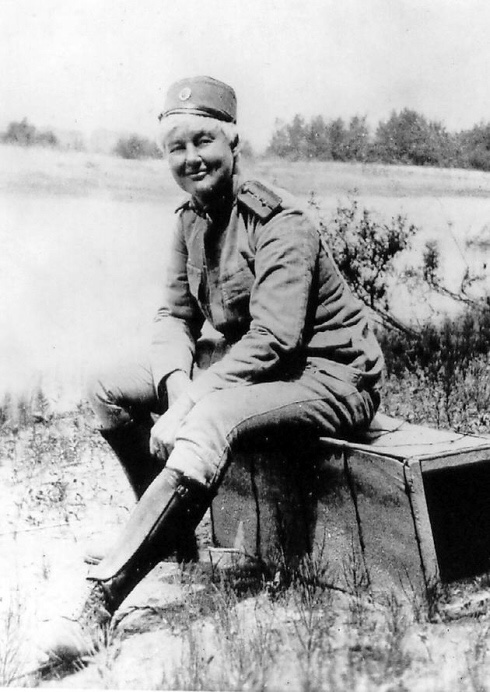
In August 1916 Evelina was dispatched to Serbia via Russia as ‘Head of Transport Column’ – she was in charge of an army of 75 women…. She was then later to co-found with Flora Sandes the ‘Evelina Haverfield’s and Flora Sandes’ Fund for Promoting Comforts for Serbian Soldiers and Prisoners’…. Back in England she raised awareness of the situation in Serbia….
Flora Sandes in Serbian Army uniform ca.1918 – Public domain
After the War Evelina and Vera travelled back to Serbia and they set up a children’s health centre and orphanage in the small mountain town of Bajina Bašta…. The centre was later to be named after her – and she was to receive the highest Serbian award….the Order of the White Eagle….
On the 21stof March 1920 Evelina died of pneumonia…. She was buried with full military honours of the cemetery in Bajina Bašta…. Shops and offices closed for the day and all the inhabitants of the town attended…. Her work was continued after her death – a British medical mission remained in Bajina Bašta until 1922; now a hospital stands in its place where a plaque commemorating Evelina Haverfield hangs…. She is still held in the highest esteem by the Serbian people….
Evelina Haverfield on a 2015 Serbian postage stamp – Post of Serbia – Public domain
On her death Evelina left Vera £50 a year for life in her Will – even though it was contested by the man who was still legally her husband….
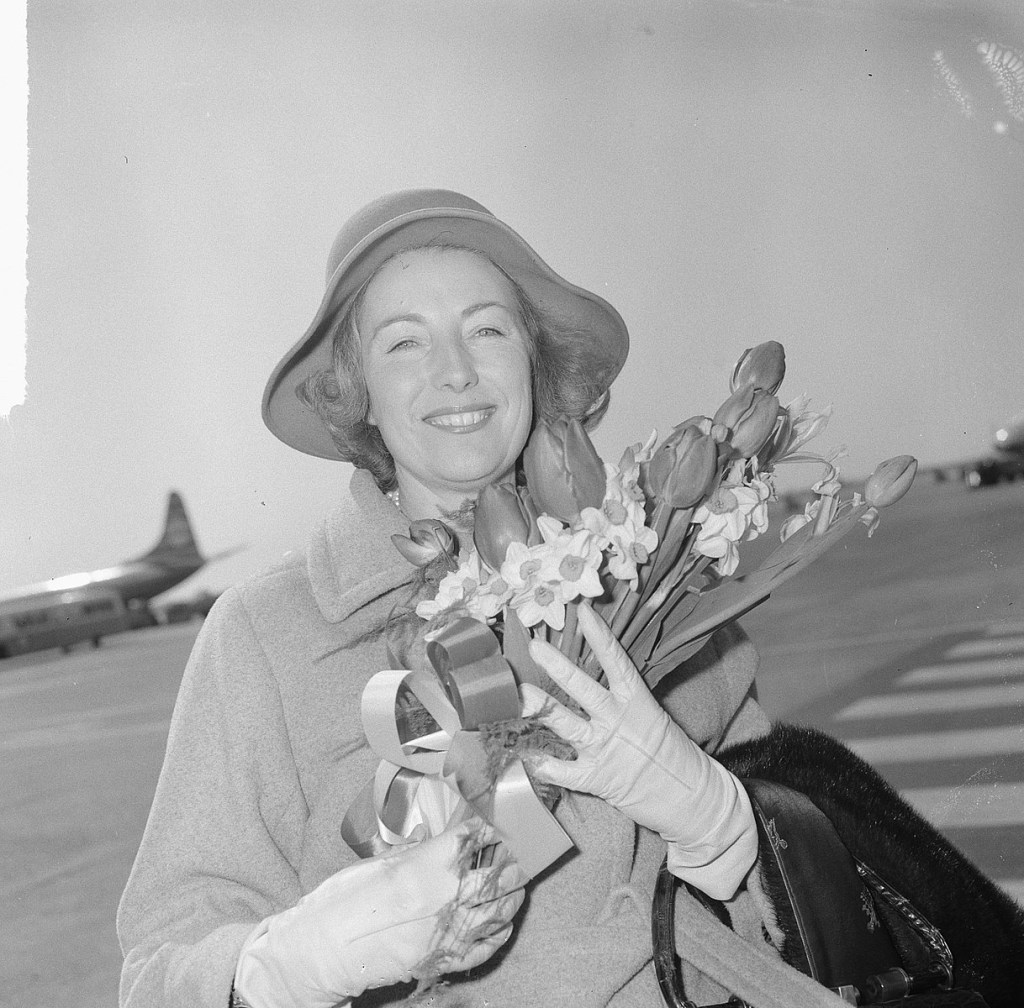
On this day in history : 20th March 1917 – The birth, in East Ham, London, of singer, songwriter and actress Dame Vera Lynn – known as ‘the Forces’ Sweetheart’….
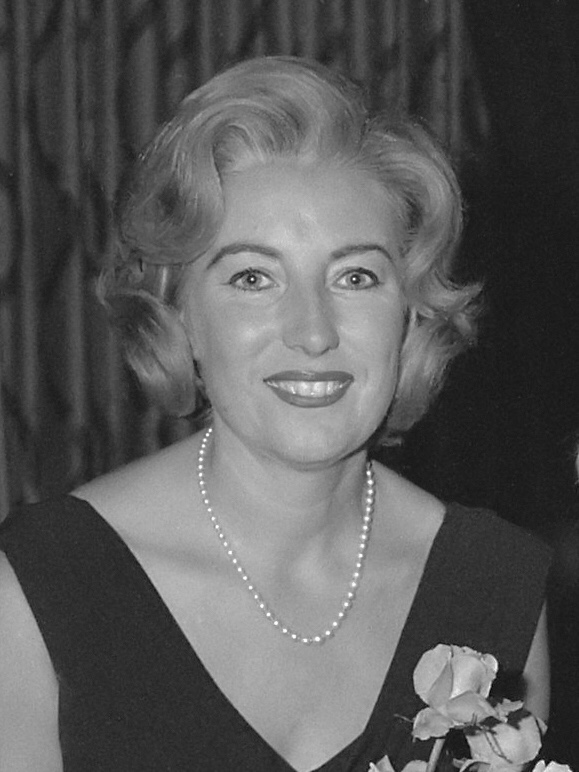
Dame Vera Lynn in 1962 – Eric Koch / Anefo – National Archief Netherlands CC BY-SA 3.0
Born Vera Margaret Welch, into a working class family, she began to sing in working mens’ clubs at the age of 7…. When she was 11 she took her grandmother’s maiden name of ‘Lynn’ as her stage name and joined a singing troupe – ‘Madame Harris’s Kracker Kabaret Kids’….
Vera left school at the age of 14 and was spotted by a booking agent, who found her work at events and parties…. She began to perform on the radio in 1935 with Joe Loss and his orchestra….and in 1936 her first solo recording ‘Up the Wooden Hill to Bedfordshire’ was released…. Her first hits came in 1937 with ‘Red Sails inthe Sunset’ and ‘The Little Boy that Santa Claus Forgot’….
But Vera is probably best known for her 1939 trademark song ‘We’ll Meet Again’, written by the young composers Ross Parker and Hughie Charles, which became popular in World War 2 – as did ‘The White Cliffs of Dover’….
In 1941 Vera was given her own radio show, ‘Sincerely Yours’, which sent messages to the troops serving overseas….she and her band would perform requests…. It was also in 1941 that Vera married Harry Lewis, a clarinetist and saxophonist…. They had one child, a daughter, Virginia Penelope Anne Lewis….
Singing in a munitions factory 1941 – Ministry of Information, Photo Division photographer – Public domain
Vera appeared in the films ‘We’ll Meet Again’ and ‘Rhythm Serenade’ in 1943…. During the War she also toured Egypt, India and Burma, giving concerts as a member of the Entertainments National Service Association….
After the War the family moved to Finchley, North London…. It was the early 1960s that they relocated to Ditchling in East Sussex – and is where Vera lived for the rest of her life…. Her husband died in 1998….
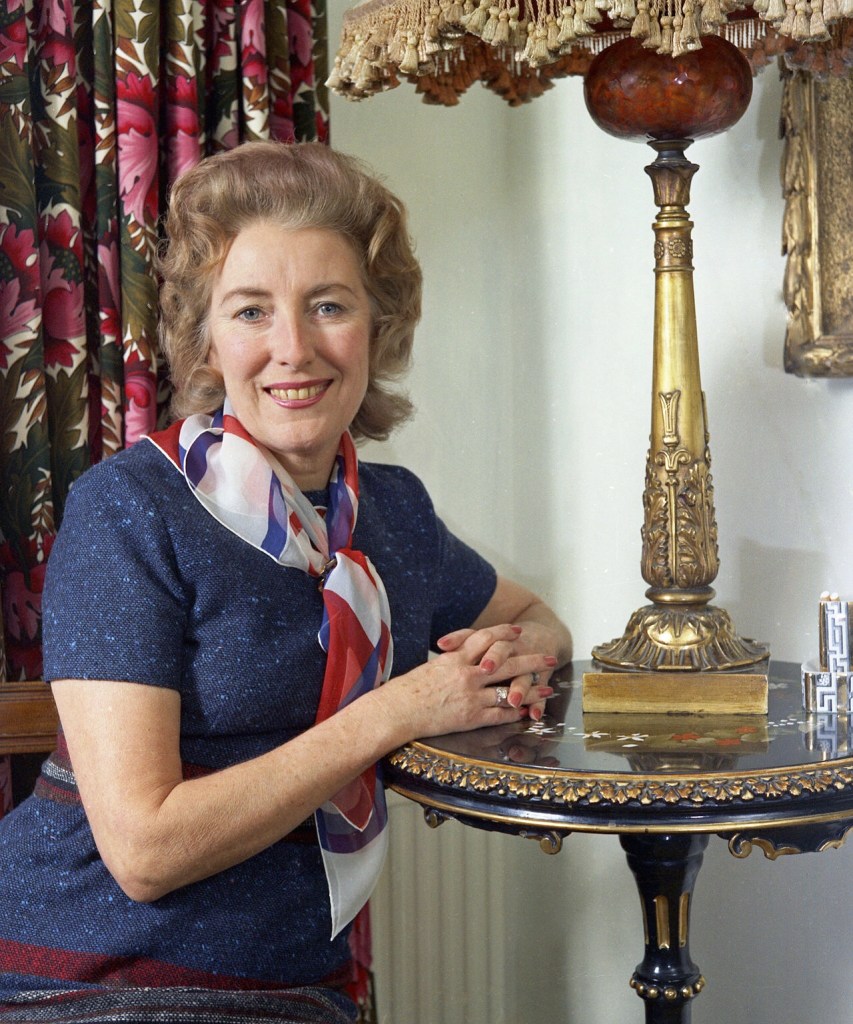
Dame Vera Lynn in 1973 – Allan Warren – own work CC BY-SA 3.0
Her popularity continued after the War and then in 1952 her record ‘Auf Wiederseh’n Sweetheart’ became the first release by a British artist to top the US charts – where it stayed for nine weeks….
During the late 1960s and early 70s Vera hosted her own variety shows on BBC1 – she also appeared as a guest on other shows, such as Morcambe & Wise …. She appeared at the Royal Variety Performance four times…. In 1969 Vera was awarded an Order of the British Empire (OBE)…. Then in 1975 she was made Dame Commander of the Order of the British Empire (DBE)…. In 2017 Dame Vera became the oldest living artist to have an album in the top 10 of the British charts – with ‘100’ to celebrate her 100th birthday….
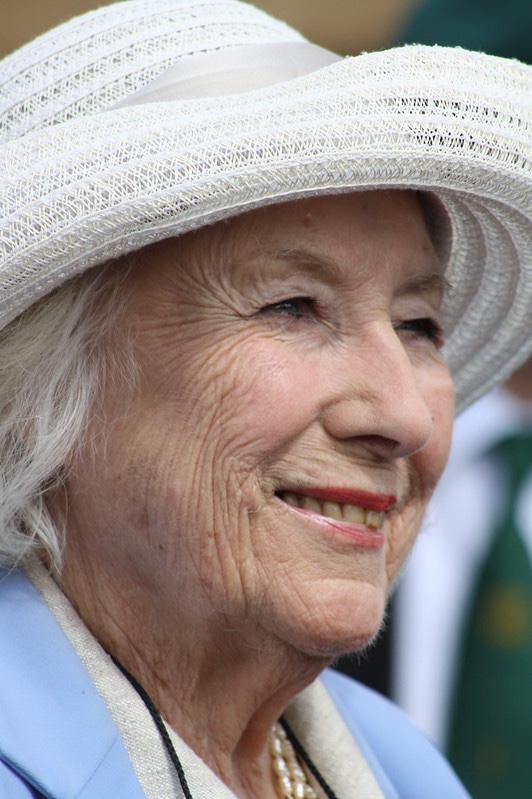
Dame Vera Lynn 2009 – at the War and Peace Show…. Photo credit : Nicki via Flickr
She wrote three memoirs – ‘Vocal Refrain’, 1975, ‘We’ll Meet Again’, 1989 and ‘Some Sunny Day’, 2009….
Dame Vera Lynn died on the 18th of June 2020, aged 103, at her home in Ditchling…. She was given a military funeral, with a procession from her home to Woodvale Crematorium, Brighton on the 10th of July 2020…. The route was lined by those wishing to pay their respects – members of the British Army, Royal Air Force, Royal Navy and Royal British Legion accompanied her cortège….and she was honoured with a Battle of Britain Spitfire flypast….
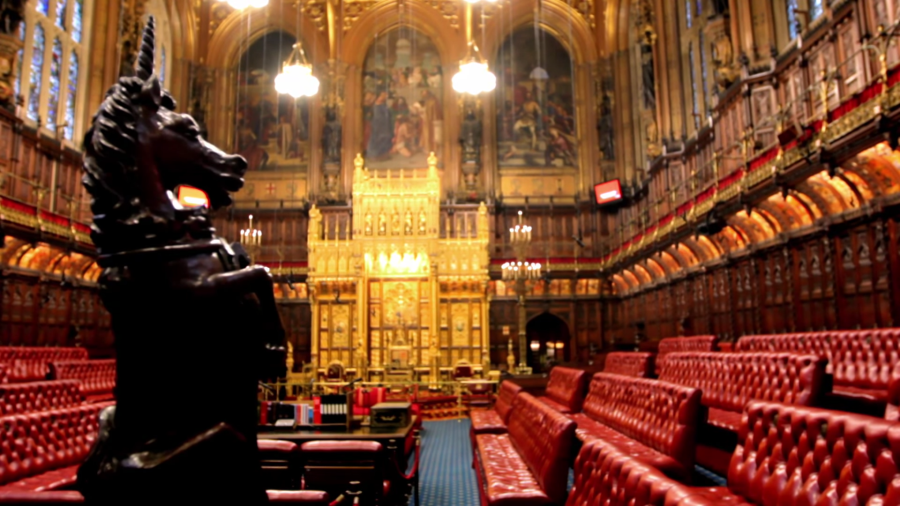
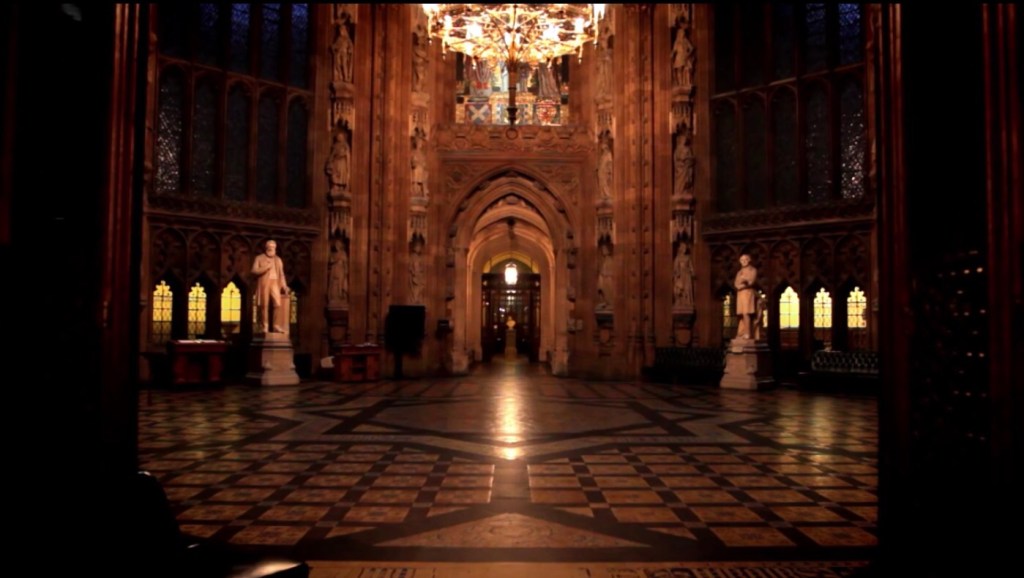
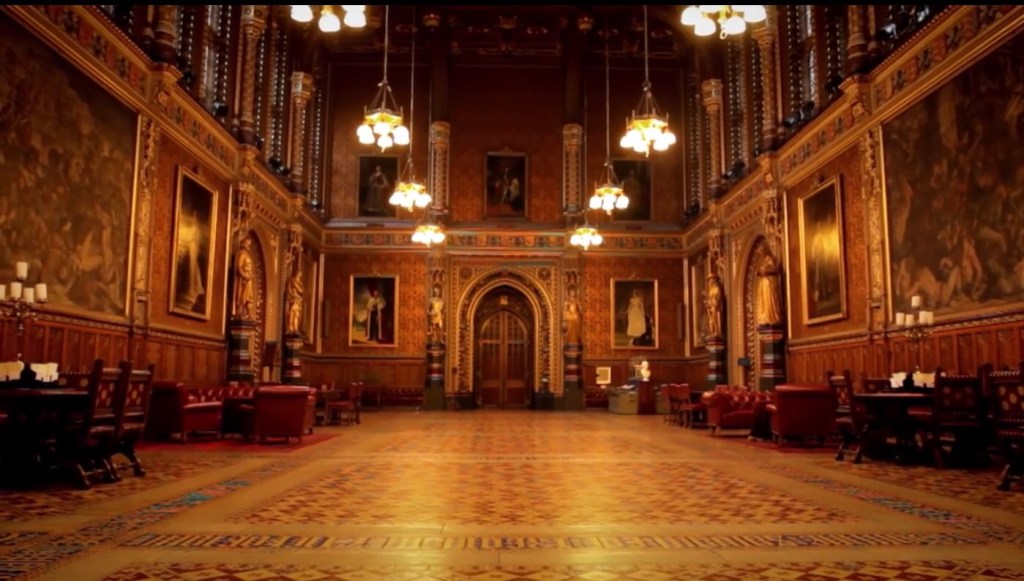
On this day in history : 19th March 1649 – The House of Commons passes an Act abolishing the House of Lords, declaring it “useless and dangerous to the people of England”….
During the reigns of the Tudor monarchs the Crown had steadily grown in power, reaching its height with the reign of King Henry VIII…. The House of Lords continued to be more powerful than the House of Commons – but the Commons was growing in its influence….
When King Charles I came to power he clashed with Parliament over tax revenues and this eventually led to the English Civil Wars…. Charles lost both the first and second Civil War and after his execution the country fell under the control of Oliver Cromwell, Lord Protector of England, Scotland and Ireland…. On the 17th of March 1649 the Monarchy was abolished….
Now the Parliamentarians turned their attention to the House of Lords…. Although its power had diminished with the Bishops Exclusion Act of 1642 there were still enough royal sympathisers to be a nuisance…. So, two days after getting rid of the Monarchy the House of Lords was abolished by an Act of Parliament declaring “The Commons of England by too long experience that the House of Lords is useless and dangerous to the people of England”….
The House of Lords did not reassemble until 1660, once the Monarchy had been restored and King Charles II had taken the throne….



 Cottage Capers