On this day in history….5th December 1952

On this day in history : 5th December 1952 – ‘The Great Smog’…. A terrible killer fog descends on London and causes the death of thousands of Londoners….

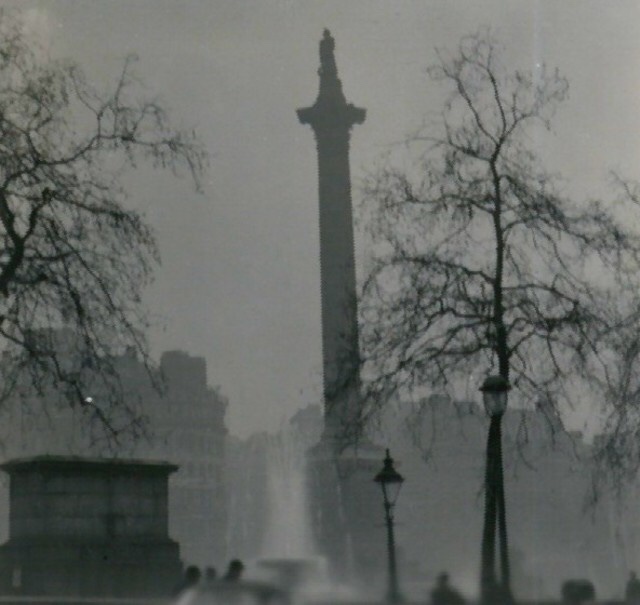
A high pressure weather system had stalled over the South of England, causing a ‘temperature inversion’ – meaning the cold air at ground level becomes trapped by a layer of warmer air at a higher level…. A thick fog had formed – and with no breeze to disperse it – was unable to escape…. It was soon to turn a sickly yellowy-brown colour, as it filled with sulphur pollutants and soot, mainly from the many coal fires as people tried to keep their houses warm in the cold snap…. Smoke from factories and fumes from vehicles also contributed….
img_4811
Nelson’s Column during the Great Smog – N T Stobbs CC BY-SA 2.0

Londoners were used to ‘pea-soupers’ – but this was like nothing before…. Visibility was so poor that the transport system (other than the underground) ground to a halt…. Even the ambulance service stopped…. School children were kept home, sporting events called-off…. The smog seeped into buildings….theatre performances were cancelled and cinemas closed as people were unable to see the screens…. Criminals had a field day, as looting, bag snatches and burglaries became epidemic….

But by far the worse impact the fog was to have was on people’s health…. Most at risk were the young, elderly and those with respiratory problems – heavy smokers were particularly vulnerable…. It is estimated 4,000 died during the period and immediate aftermath – although experts claim the number to be more like 8,000 lives lost due to the smog – the most common causes of death being pneumonia and bronchitis…. Well into the summer of 1953 the death rate remained well above normal levels…. With that taken into consideration the final smog-related death toll could amount to as high as 12,000…. A further 100,000 are estimated to have been made ill….25,000 Londoners claimed sickness benefit during the period….

The smog finally lifted on Tuesday the 9th of December, the sulphurous cloud drifting out over the North Sea…. A government investigation resulted in the Clean Air Act of 1956 being passed by Parliament – authorising authorities to set up smoke-free zones and the restriction of burning coal in urban areas….

The Great Smog of 1952 is recorded as the tenth deadliest disaster ever to have hit Britain….
 

On this day in history….4th December 1961

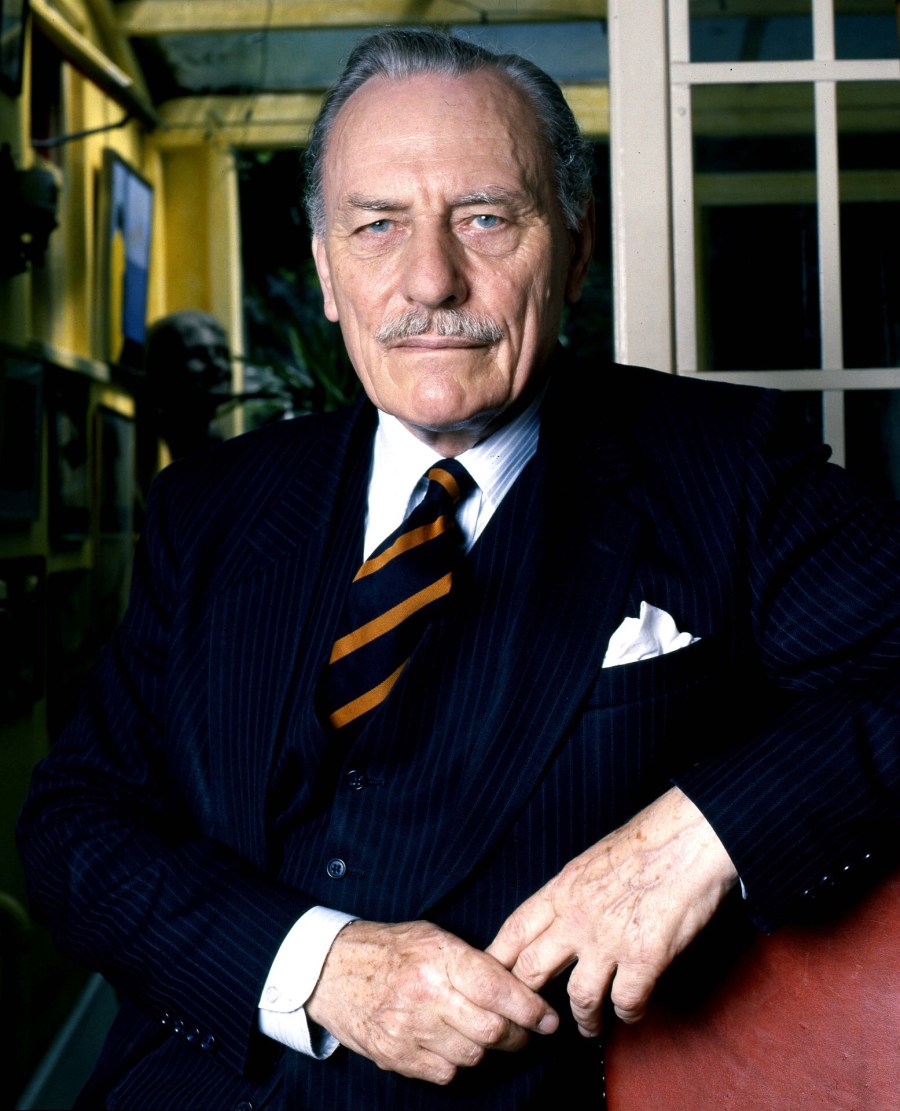
On this day in history : 4th December 1961 – Health Minister Enoch Powell announces in the House of Commons the decision to make the oral contraceptive pill available to British women on the National Health Service – at a subsidised cost of 2 shillings per month….

img_4729
Enoch Powell – Allan Warren CC BY-SA 3.0

Life for women in the early ’60s was very different to how we know it today…. The Victorian attitude towards sex was still prevalent…. There was a fear of pregnancy out of wedlock, as unmarried mothers were shunned by society – often being forced to give up their babies for adoption (abortion not being an option)…. Women tended to marry earlier and were usually expected to stay at home and raise a family….

img_4731
Robert Wade ‘The Modern Housewife’ via Flickr

The arrival of the pill was to change all that….it was to give women freedom…. A reliable, convenient oral contraceptive – meaning women had control of their own bodies and the choice of when to have a baby…. It was to become a real liberation….

However, GPs were slow on the uptake….and the Government of the time were reluctant to be seen promoting promiscuity…. The pill could only be prescribed to married women – and mainly to those who were older, already had children and did not want any more…. It was to remain this way until 1967, when finally attitudes slowly began to change….

By 1964 half a million British women were taking the pill….the birth rate began to fall – and fewer children were being put up for adoption…. In 1974 family planning clinics were given the go ahead to prescribe single women with the pill – this caused considerable controversy at the time….

Couples no longer felt the pressure to marry in order to live together…. In the early ’60s it is estimated fewer than 1 in 100 adults under the age of 50 had ever cohabited – nowadays it is 1 in 6…. Nobody bats an eye at a couple who have not ‘tied the knot’ – and the same goes for children born outside of marriage….

It is estimated 70% of women in Britain have used the pill at some stage in their lives…. Currently some 3.5 million women between the ages of 16 and 49 do so today….

img_4730
Tristanb at English Wikipedia CC BY-SA 3.0

On this day in history….3rd December 1988

On this day in history : 3rd December 1988 – Junior Health Minister Edwina Currie provokes outrage in the egg industry by saying ‘most of the egg production in this country, sadly, is now affected with salmonella’….

img_4722Later Mrs Currie claimed it was a slip of the tongue and that she had meant to say ‘much’ rather than ‘most’…. But egg producers, farmers and politicians were furious at the remarks made by Mrs Currie during a television interview – some called for her resignation…. The British Egg Industry Council stated her words to be ‘factually incorrect and highly irresponsible’….

Initially it appeared Edwina Currie had the support of the Prime Minister – Margaret Thatcher and the Health Secretary – Kenneth Clarke (years later Edwina admitted they had not backed her) but there were many in the Government who were extremely angry….

img_4720
Edwina Currie (in 2009) – Brian Minkoff CC BY-SA 3.0

Edwina (who had by now become known a ‘Eggwina’) managed to ride the storm and hold on to her job for a further two weeks – but on the 16th of December amidst the threats of writs being brought against the Government – she was forced to resign…. The aftermath of the storm saw egg sales plummet by 60%….as a result some 4,000,000 hens were slaughtered….

It was in 2001 that a Whitehall report proved that she had been chiefly right…. In 1988 Britain had been facing a salmonella epidemic – but the risks had been played down….

With the British Lion food Safety Scheme we can now be assured all eggs carrying the lion stamp are free from contamination…. Launched in 1998 the British Lion Code of Practice ensures the highest standards of food safety…. All hens are vaccinated against salmonella and a ‘passport’ system enables all eggs, hens and feed to be fully traceable…. In 2013 Edwina Currie herself helped launch a new version of the Lion Code of Practice – salmonella in British eggs has been effectively eradicated….

img_4721
Borb CC BY-SA 3.0

On this day in history….2nd December 1966

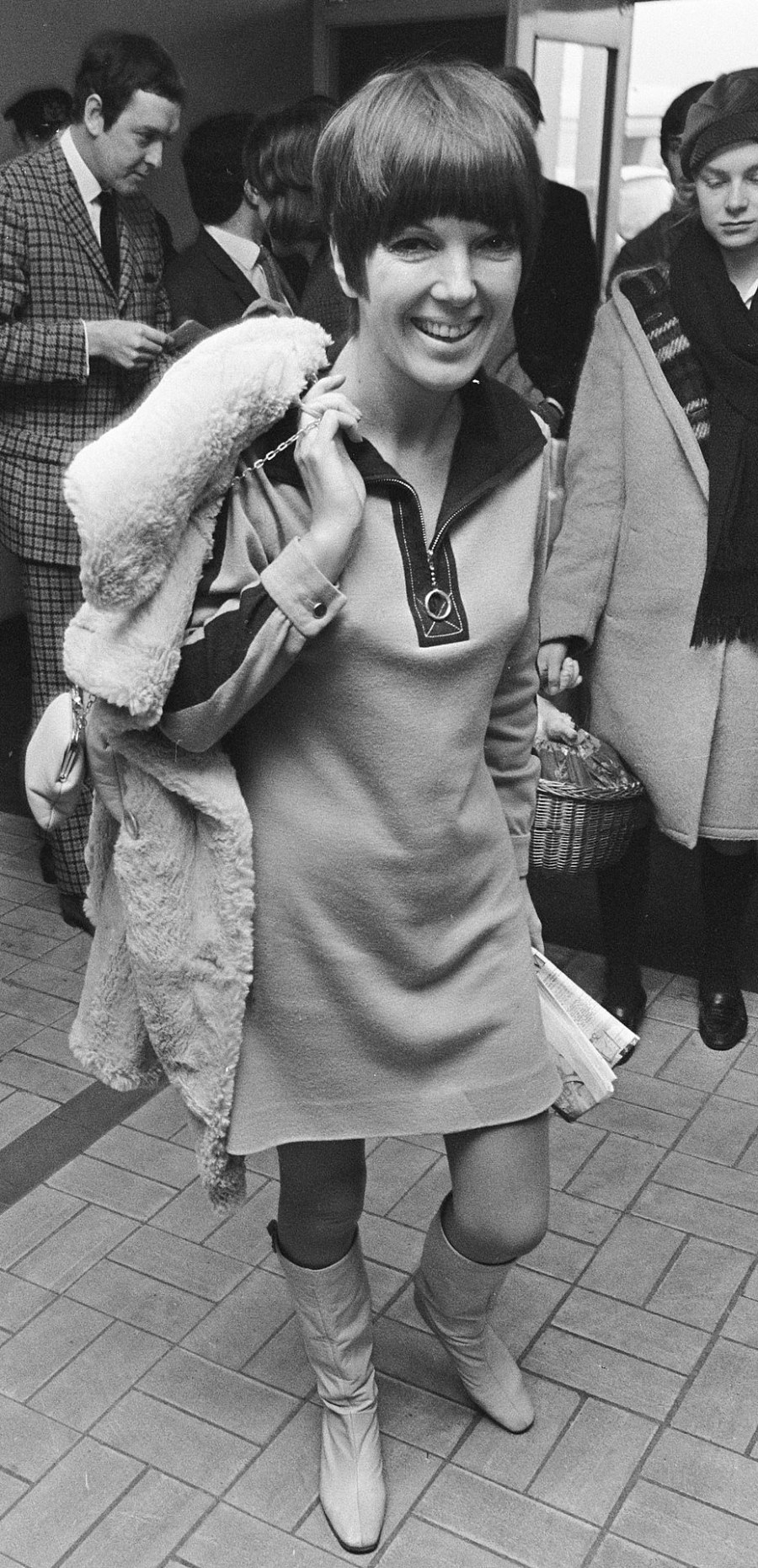
On this day in history : 2nd December 1966 – The miniskirt is banned from the Houses of Parliament….

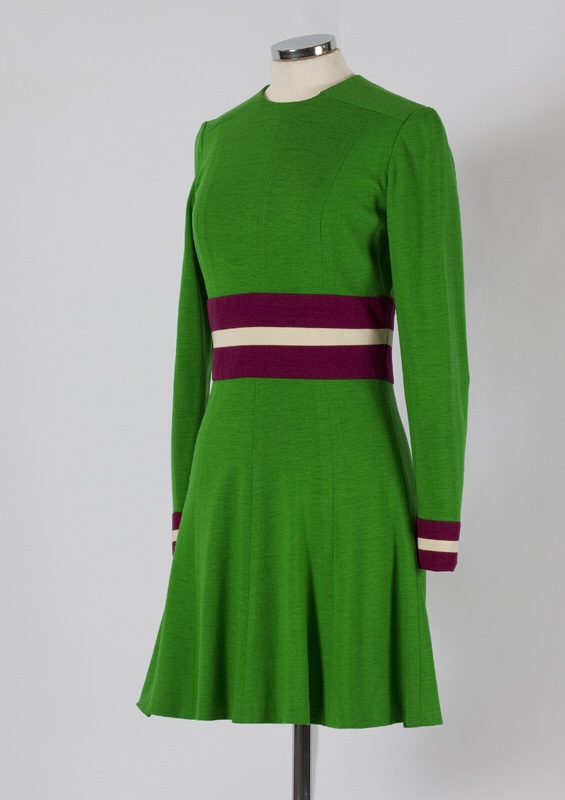
img_4719
Jersey minidress by Mary Quant, late 1960s – Peloponnesian Folklore Foundation CC BY-SA 4.0

The short skirt, regarded as a symbol of the Swinging Sixties, had taken London by storm…. For some, wearing it was a form of rebellion against the oppression of women…. To wear a miniskirt was often not just to follow a fashion trend but as a statement of female empowerment…. Women were seeing liberation in many different areas of their lives; the availability of the contraceptive pill was seeing young women express their femininity as never before….

Mary Quant, often credited for bringing us the miniskirt, had started experimenting with shorter skirts in the 1950s – when designing for her King’s Road boutique…. Her inspiration came from the memory of seeing a young tap dancer in a tiny skirt over thick black tights….

img_4718
Mary Quant wearing a minidress of her own design, 16 December 1966 – Jac. de Nijs / Anefo CC BY-SA 3.0 nl

Quant had a love for the Mini Cooper car – and so named the skirt after it…. She claimed car and skirt complimented each other – both being ‘optimistic, exuberant, young, flirty’….

At the time of the skirt’s ban from Parliament n 1966 there were just 26 female MPs….

On this day in history….1st December 1990

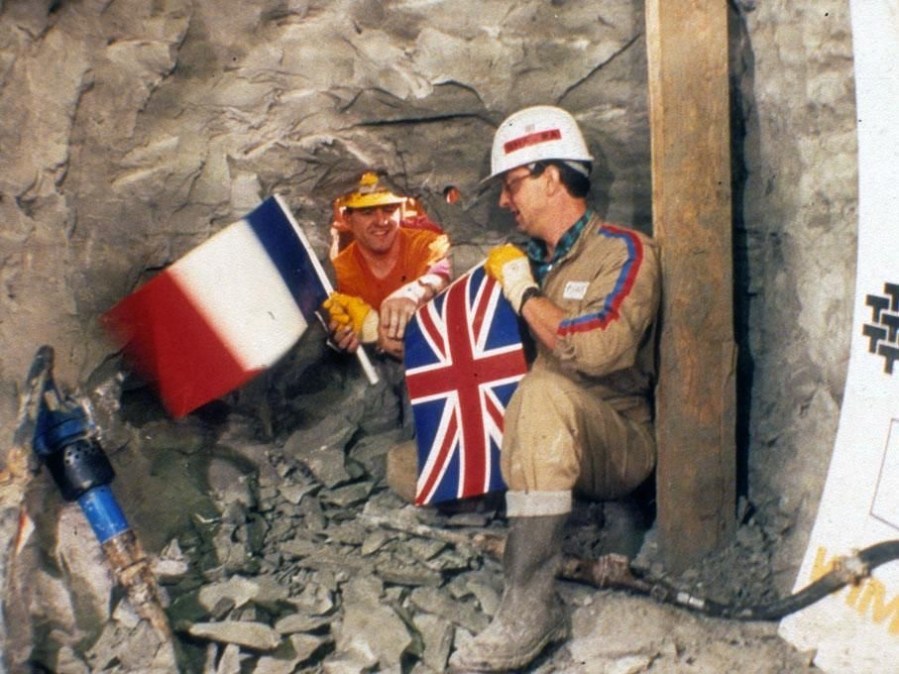
On this day in history : 1st December 1990 – Construction workers drill through the final half metre thick section of rock separating the two halves of the Channel Tunnel….

img_4717
Overlooking Channel Tunnel entrance – Mutzy CCO

For the first time since the Ice-Age Britain and France are joined…. It was a feat of engineering that had taken two years….involving 13,000 workers and the construction of 95 miles of tunnels – averaging 150 feet below sea level…. 8,000,000 cubic metres of soil were removed; this equates to 2,400 per hour….

On the morning that the break through was made drilling started at 11am…. As soon as there was a hole big enough, construction workers Phillippe Cozette of France and Brit Graham Fagg shook hands and exchanged the flags of their respective nations….

img_4716
Image via Pinterest (originally via Twitter)

Later a party of French delegates drove to Folkestone to get their passports stamped; a British group did likewise, by walking to Calais….

The Channel Tunnel was officially opened on the 6th of May 1994….