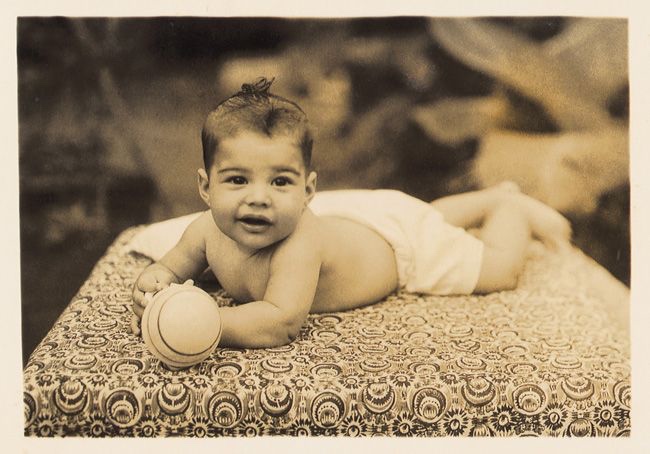
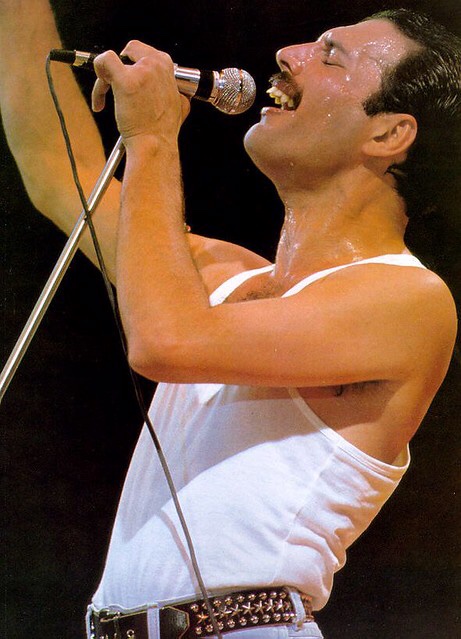
On this day in history : 5th September 1946 – The birth of one of our most well-loved musicians, Freddie Mercury…. He was born Farrokh Bulsara in Stone Town, Zanzibar, which is now part of Tanzania….
Via Pinterest
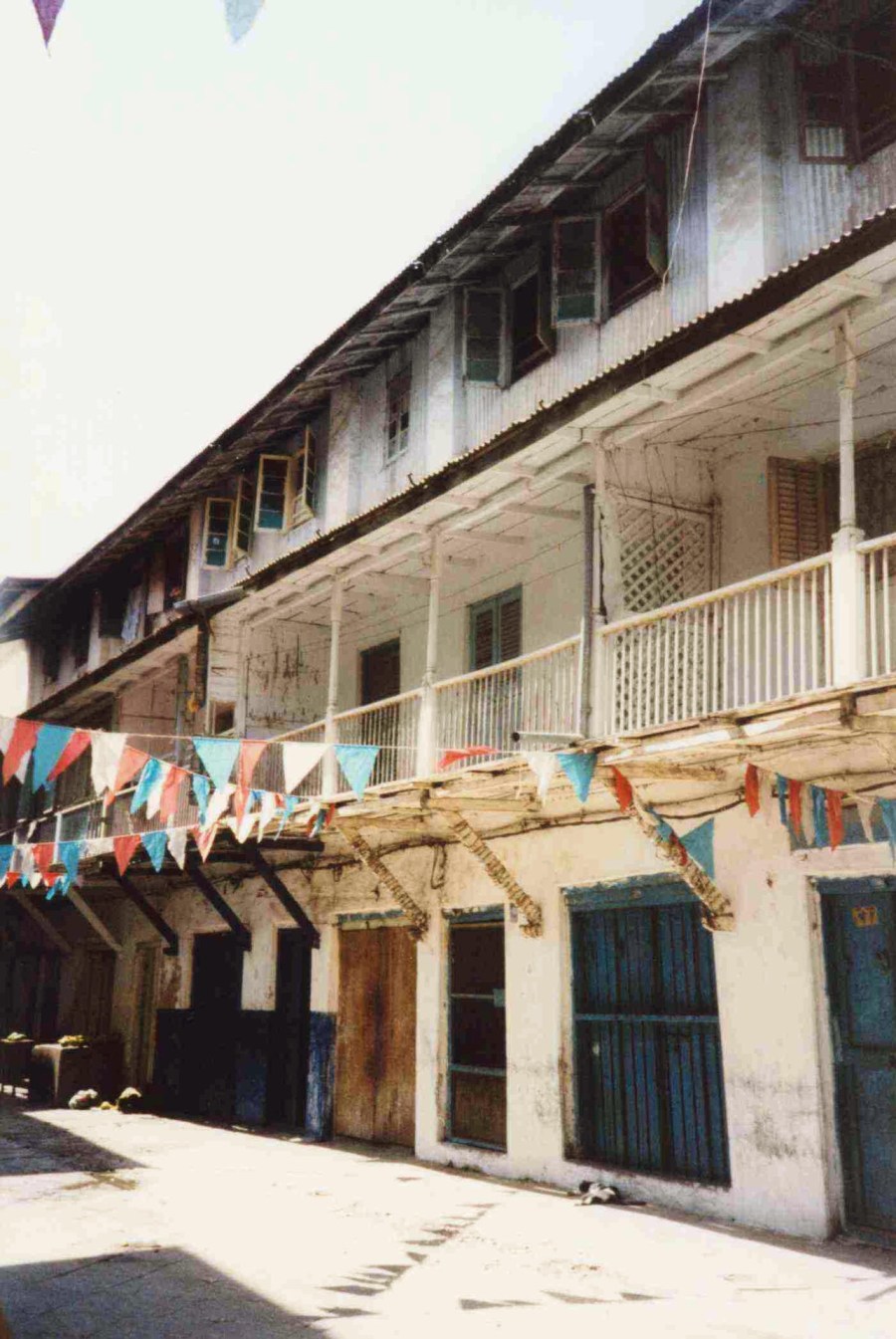
Freddie was born a British citizen but spent much of his childhood in India; he began to learn to play the piano at the age of 7…. In 1964 the Bulsara family fled Zanzibar due to the revolution and came to live in England – at 22, Gladstone Avenue, Feltham, Middlesex….
The house in Zanzibar where Freddie lived during his childhood – Image credit : Moongateclimber CC BY-SA 3.0
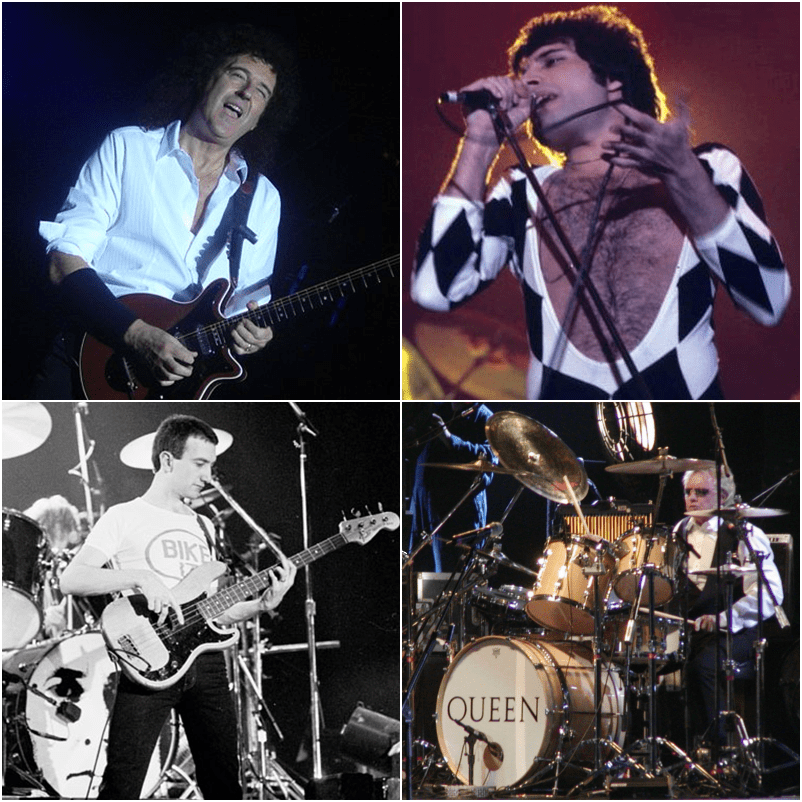
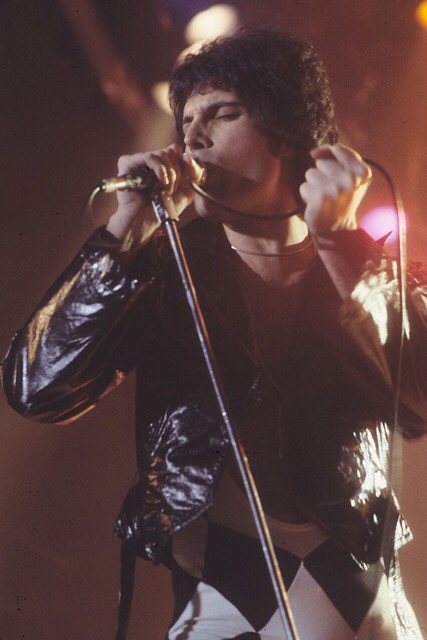
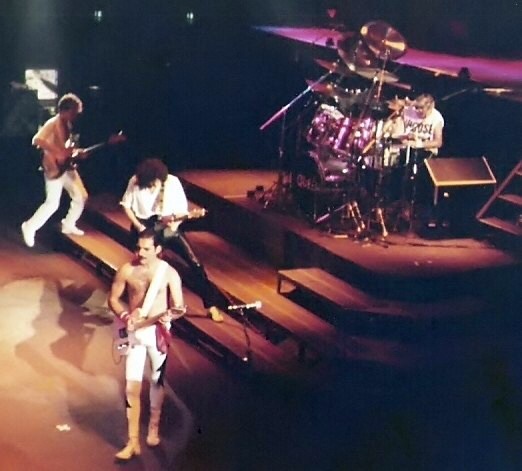
Freddie studied art at Isleworth Polytechnic, West London and went on to earn a diploma in Art and Graphic Design at Ealing Art College…. After graduating he had a variety of jobs, including selling second-hand clothing at Kensington Market and working as a baggage handler at Heathrow Airport…. He also joined several bands but it was in April 1970 that he teamed up with Brian May and Roger Taylor (and they were joined by bassist John Deacon in 1971)…. It was also around this time that he changed his name to Freddie Mercury….
Compilation by KPFC – CC BY-SA 4.0Image credit : Carl Lender via FlickrImage credit : Kentarotakizawa via FlickrQueen, Frankfurt, Germany, 1984 – Image credit : Thomas Steffan CC BY-SA 3.0
On this day in history : 4th September 1939 – The first 200 Citizen’s Advice Bureau establishments open across Britain – the day after the outbreak of World War 2….
The Government had begun to consider the need for an information service in 1935…. By 1938 World War 2 was looming, so the National Council of Social Services formed a group to study and understand how to meet the needs of the civilian population during war time…. Their recommendations being :- “Citizen Advice Bureaux should be established throughout the country, particularly in the large cities and industrial areas where social disorganisation may be acute”….
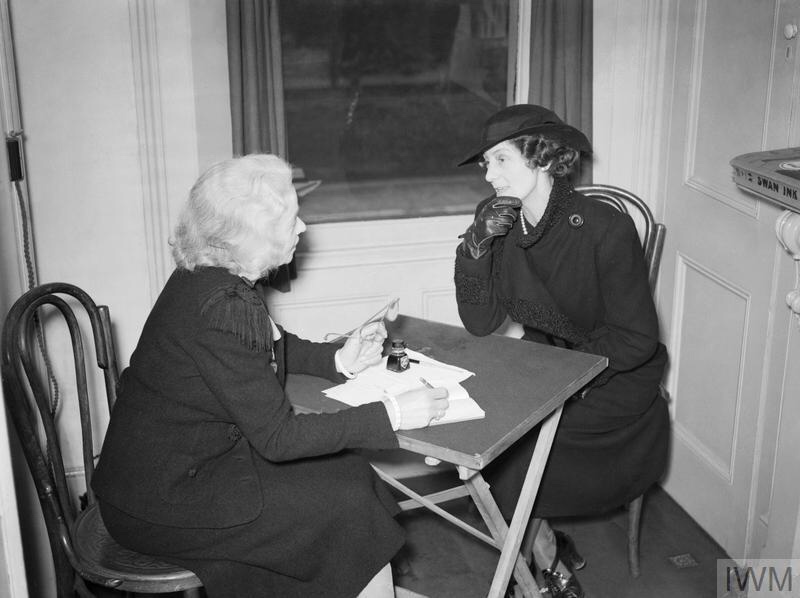
THE WORK OF THE CITIZENS’ ADVICE BUREAU, ELDON HOUSE, CROYDON, ENGLAND, 1940 (D 522) A widow of a civil servant seeks advice about her delayed pension from volunteer Mrs Wraight at the Citizens’ Advice Bureau in Croydon. Mrs Wraight was one of 12 volunteers working at the bureau at this time. Copyright: � IWM. Original Source: http://www.iwm.org.uk/collections/item/object/205197564
On the 3rd of September 1939 World War 2 was declared; the following day the first 200 Citizen’s Advice Bureaux opened…. Initially volunteers ran the service from private houses or sometimes public buildings – dealing with problems such as lost ration books, evacuation and homelessness….
Godalming Citizen’s Advice Bureau, 2013 – Juan J Martinez via Flickr
On this day in history : 3rd September 1935 – Sir Malcolm Campbell breaks his own land speed record by reaching 304.331 miles per hour on the Bonneville salt flats in Utah….
Sir Malcolm Campbell – Public domain
This record made Campbell the first to drive an automobile over 300mph – and it was the ninth time he had topped his own land speed record…. He had first set a record of 146.6mph eleven years before at Pennine Sands in Wales – and in 1932 had reached over 250mph…. On the 7th of March 1935 he topped 275mph – just six months before his record at the Bonneville salt flats…. All of his cars were named ‘Bluebird’….
Campbell also set four water speed records, topping at just under 142mph…. His son, Donald, was to follow in his tracks….becoming the first to reach 400mph…. Only to be killed in an accident in 1967….
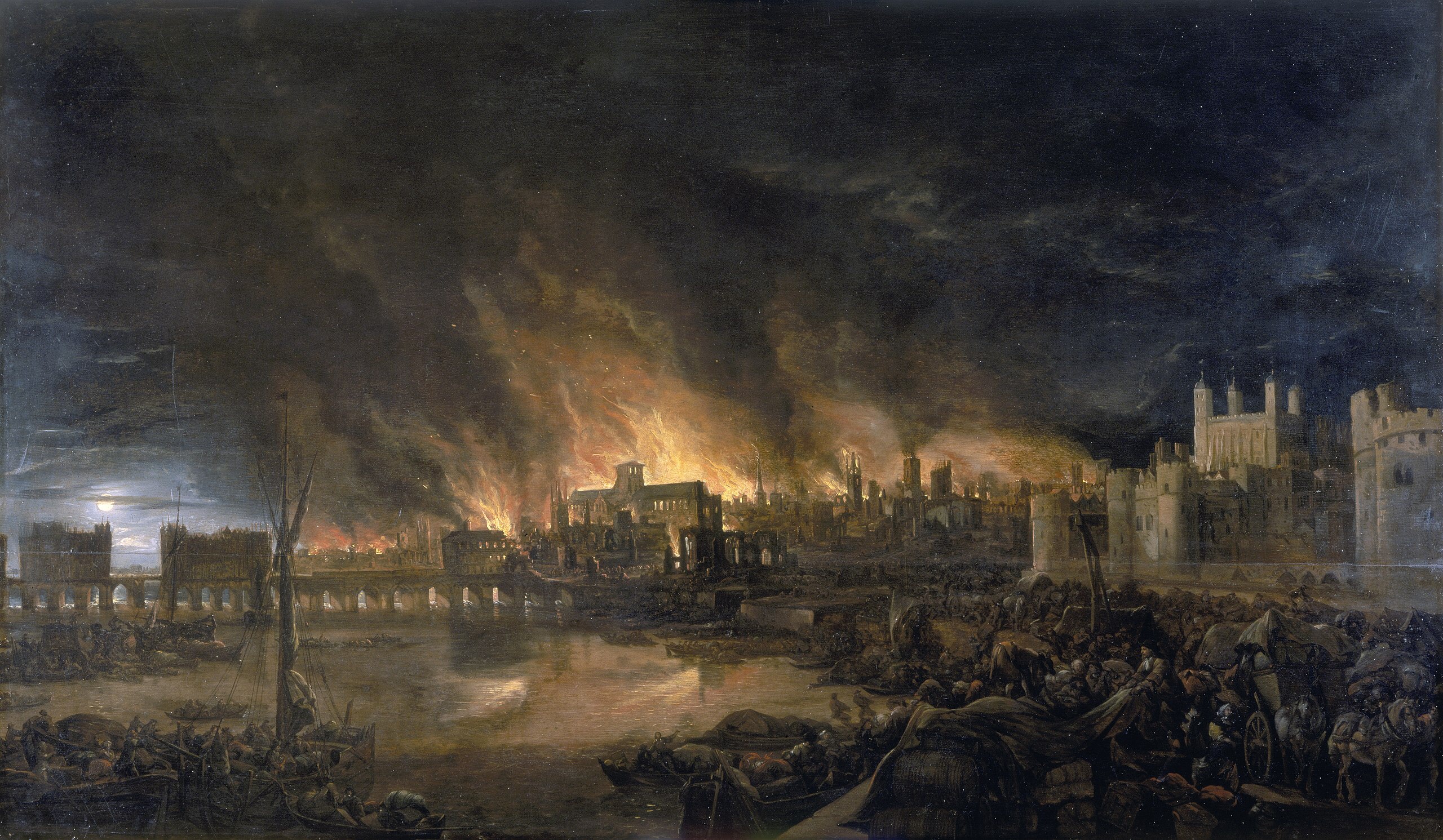
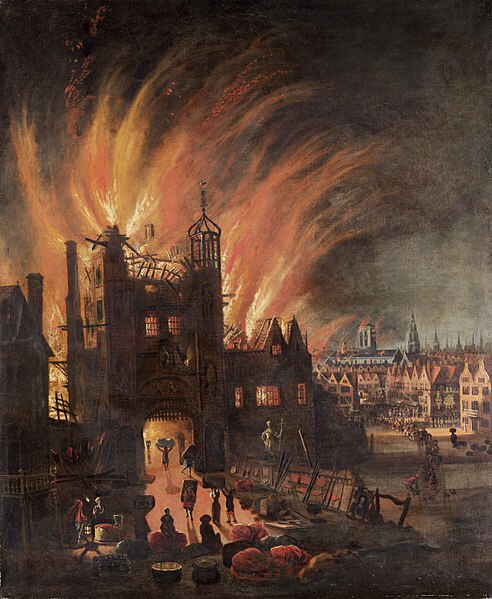
On this day in history : 2nd September 1666 – The Great Fire of London starts in a baker’s shop in Pudding Lane…. The fire blazes for four days and destroys over 13,000 buildings….
Unknown artist – Public domain
The fire started in the bakery of Thomas Farriner, shortly after midnight and rapidly spread across the old medieval city – the flames fanned by a strong easterly wind…. Fires were commonplace at the time and were usually quickly put out – but it had been a very hot summer and there had been no rain for weeks and the old timber and thatched roofs of the buildings were very dry and provided a ready fuel….
The main fire fighting technique of the time was to demolish buildings to create firebreaks…. However, hesitation by the Lord Mayor of the time, Thomas Bloodworth, who said -“Pish! A woman might piss it out!”- meant by the time demolition commenced it was too late to be effective….
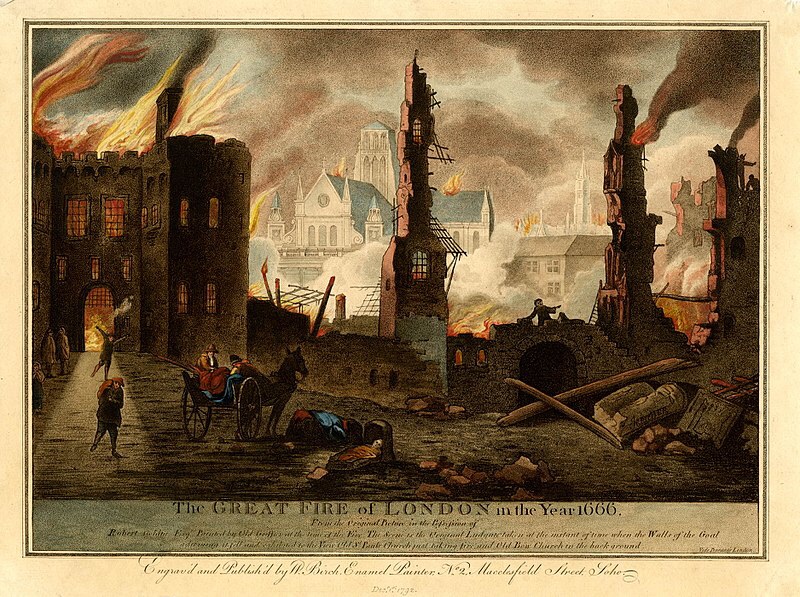
Ludgate and old St Paul’s – Unknown artist – Public domain
As a last resort gunpowder was used to blow up houses in the path of the fire to create a larger firebreak – which in turn started rumours circulating that the French were invading! By the time the fire had finally been put out only a fifth of the old city was left standing…. 13,200 houses had been destroyed, 87 churches, St. Paul’s Cathedral and most of the city authorities buildings…. Out of 80,000 inhabitants living in the city at the time it is estimated around 70,000 were made homeless…. Surprisingly the death toll, although officially unknown, is not thought to have been particularly high – only six deaths were recorded at the time…. However, it could be argued this figure is irrelevant and the true number may well have been much higher than believed, as deaths of the poor were not usually reported…. Such was the intensity of the heat many of the remains would have been cremated beyond recognition of even being human….
On this day in history : 1st September 1958 – A series of confrontations over fishing rights begins between Britain and Iceland and becomes known as the ‘Cod Wars’….
The term Cod Wars was coined by a British journalist in early September 1958; although they were hardly all out ‘wars’ there were certainly some very heated exchanges…. At the peak of hostilities a total of 37 Royal Navy warships were mobilised to protect British trawlers who were fishing in the disputed waters….
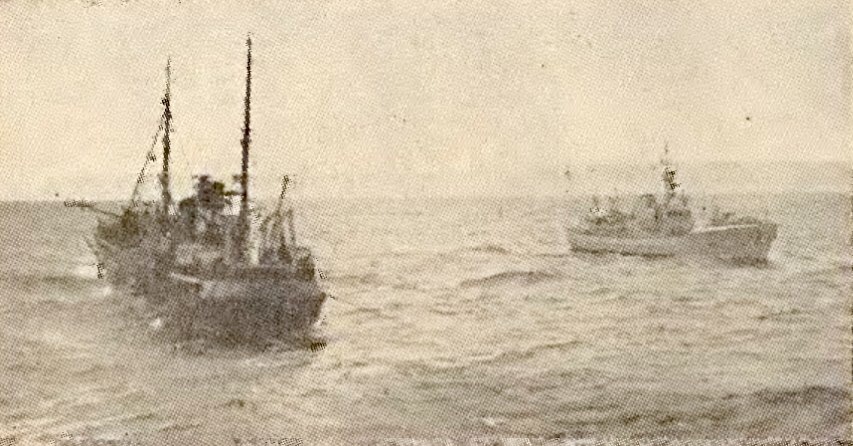
British trawler Coventry City passes Icelandic Coast Guard patrol vessel Albert off the Westfjords, 1958 – original uploader Kjallakr – Public domain
The first Cod War took place in the autumn of 1958 – the disagreement being over who could fish in the seas around Iceland – which then had the standard 4 mile zone around its shores…. Iceland was worried that foreign vessels were over-fishing – and so increased the zone to 12 miles…. Britain was unhappy about this and ignored the new restriction…. There were a number of skirmishes – with Icelandic patrol boats firing across the bows of British trawlers and the Royal Navy threatening to sink Iceland’s boats…. Eventually Britain backed down and an agreement was made between the two countries that any future disputes would be settled through the International Court of Justice….
However, in 1972 Iceland conveniently ‘forgot’ about this agreement and extended the exclusion zone to 50 miles…. Once again Britain refused to recognise this and a second Cod War ensued – with Iceland’s patrol boats chasing British and German trawlers out of its newly claimed waters…. Iceland started to cut the nets of foreign trawlers and there were cases of Royal Navy ships being rammed by the Icelandic Coast Guard…. In March 1973 ‘Brucella’, a British trawler, refused to leave the zone and crew from an Icelandic vessel boarded her and began firing rifles, damaging the trawler’s lifeboats and bridge…. Thankfully nobody was hurt….
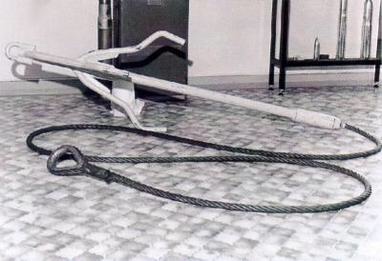
Example of a net cutter, as first used in the second Cod War CC BY-SA 3.0
An even more serious incident occurred in July 1974; a large British trawler, the C.S Forester, was seen fishing within the zone and an Icelandic patrol boat gave chase – pursuing the trawler for more than 100 miles…. The patrol boat then shelled the trawler (using non-explosive ammunition) – at least two of these shells hit and caused considerable damage…. The trawler was then towed to an Icelandic port, impounded and the skipper jailed…. Only after the C.S Forester’s owners paid a substantial amount of money was he released along with the trawler….
After negotiations between Iceland and Britain it was agreed British trawlers could fish in certain parts of the zone, sticking to an annual quota of fish…. This agreement was to last for two years, being set to expire on the 13th of November 1975….
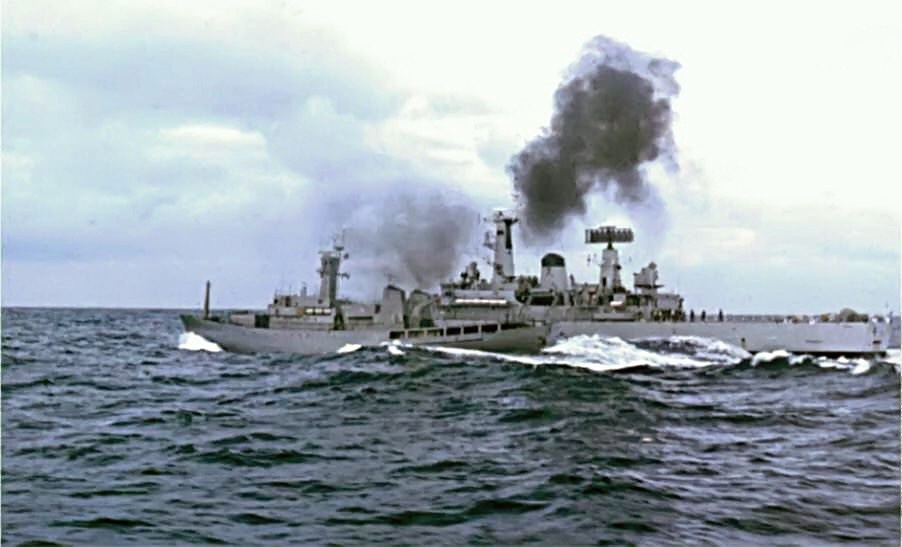
As soon as this date arrived the third Cod War began….as Iceland immediately extended the zone once more….to 200 miles! Britain was furious – as were many other European countries – and this time things got even more heated…. One incident involved an Icelandic patrol boat and three Royal Navy ships – the patrol boat was rammed and began to sink…. In retaliation it began to fire, first blank and then live ammunition…. A British ship, the Star Aquarius, was hit – but only minor damage occurred and there were no casualties….
The collision of British frigate HMS Scylla and Icelandic patrol boat Odinn during the third Cod War – Image credit : Isaac Newton CC BY-SA 2.5
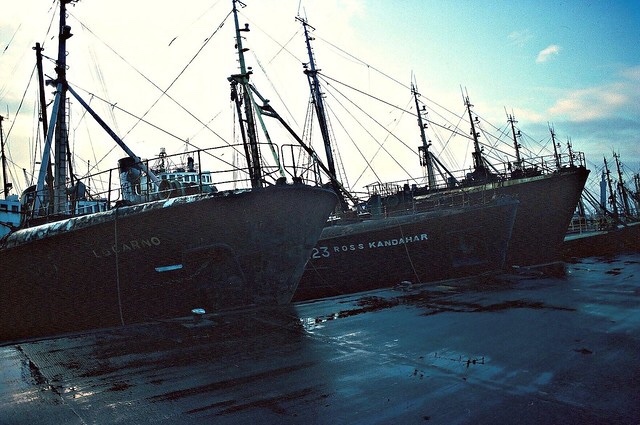
In total there were 55 cases of Royal Navy ships ramming Icelandic vessels in this third Cod War…. Things finally came to a head in the spring of 1976…. Near to the town of Keflavik in Western Iceland there was located a US-manned NATO naval air base – crucial to American operations…. The Icelandic government threatened to close it down and this led the US to put considerable pressure on Britain to back down and acknowledge Iceland’s self-imposed fishing territorial rights…. On the 28th of May 1976 an agreement was finally reached – one that definitely was not in Britain’s favour…. For the following six months a maximum of just 24 trawlers were allowed to fish in the zone with a total catch limited to 50,000 tons – after that period Britain had no right to fish within 200 miles of Iceland…. Britain’s already declining fishing industry was hit hard – ports such as Hull, Grimsby and Fleetwood were severely economically affected…. Thousands of fishermen and associated trades lost their jobs….
Laid-up trawlers at Grimsby Docks in the 1970s, after the Cod Wars – Photo credit : John Gulliver via Flickr



 Cottage Capers