On this day in history….11th January 1866

On this day in history : 11th January 1866 – SS London, a British steamship, sinks in the Bay of Biscay…. At least 220 lives are lost….

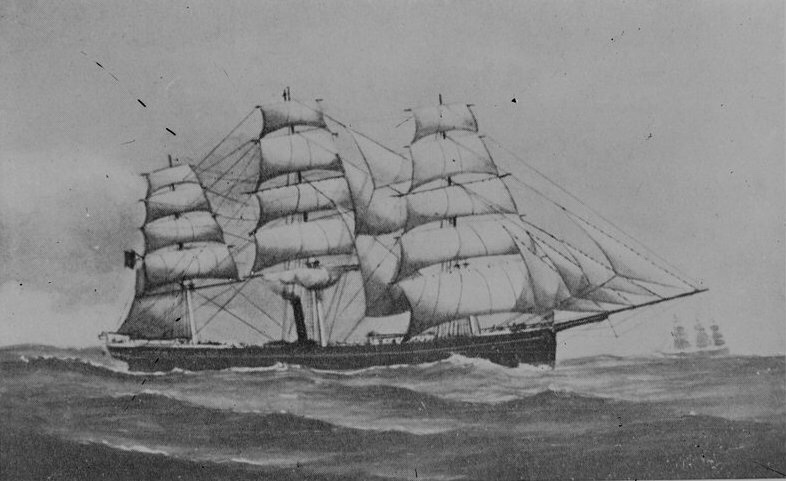
Although a steamship SS London looked more like a sailing ship – a ‘hybrid’ ship, as they were known…. The London was just 2-years-old, having been built at the Blackwall Yard and then launched on the River Thames on the 20th of July 1884…. She was considered to be modern, luxurious – and had a top-speed of 11 knots…. She also boasted 7 lifeboats – more than the legal requirement for a ship of her size at the time…. Tragically, these lifeboats were to be of little use….
img_5477
SS London – Image from the John Oxley Library, State Library of Queensland – Public domain

SS London’s final voyage began on the 28th of December 1865…. She left London’s East India Docks, under the command of Captain Martin – an experienced Australian navigator – and sailed to Gravesend in Kent…. From here she went on to Plymouth, arriving on the 4th of January 1866 – a day late, as due to storms she had taken refuge near to Portsmouth…. On the 6th of January she finally set sail for Melbourne, a voyage expected to take between 60 to 90 days….

On board were some 239 passengers and crew, including 6 stowaways…. Out of the 92 crew all were men with the exception of 1 woman, who acted as part nurse / part stewardess…. The average age of the crew members was just 24….

The 3rd class passengers would have been herded together, sleeping in dormitory-type accommodation…. At the opposite end of the scale 1st class passengers enjoyed the luxury of having their own cabins…. Among the passengers were several celebrities and dignitaries – including Gustavus V Brooke, a well-known Shakespearean actor of the time and very popular in Australia…. Also on board was the eldest son of William Debenham – founder of the chain of department stores….

By the second day the weather had started to deteriorate and by the 8th of January it had turned into a howling gale…. The following day it was so severe that a lifeboat was torn away, followed by the jib-boom and then the tops of the mainmast and foremast…. By the 10th of January people were in fear for their lives; 2 more lifeboats had been lost, along with more sails…. It was at this point that the captain decided to turn back – and he steered towards the eye of the storm…. A decision that was later to be criticised, as they had already come through the worst of the storm….

A huge wave crashed on to the deck, the engine hatch was smashed and water flooded the engine room, putting the fires out…. A massive hole appeared which the crew attempted to plug with mattresses and tarpaulins…. Both crew and passengers frantically tried to pump out the water….

At 5am on the 12th of January another huge wave crashed into the stern, smashing all the portholes…. The captain decided it was time to abandon ship and a lifeboat was launched…. However, it promptly sank, as all the lifeboats had been swamped….

By now the passengers were giving up hope….and had all but resigned themselves to their fate…. Many had spent time with the 3 ministers on board the ship, praying and trying to find some comfort…. Matters were not helped by the attitude of the captain, who repeatedly told them there was no hope….

Another lifeboat was successfully launched – but by now spirits were so crushed that nobody, especially the women, would attempt to get into it…. In the end it was 16 crew members and 3 male passengers who took the places in the boat…. Ironically, they were the only ones to survive – and were rescued the following day….
img_5478
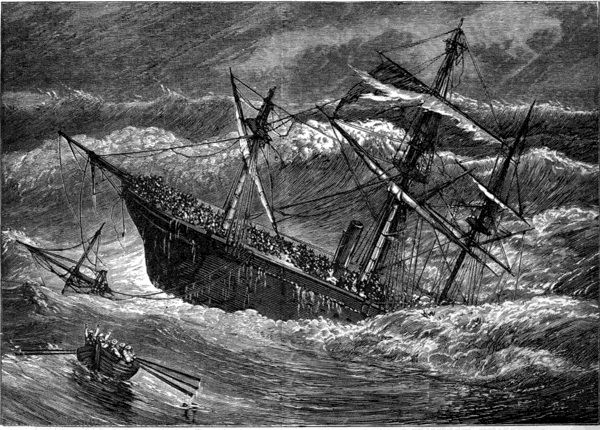
The London going down – Frederick Whymper – From page 293 of the 1887 book ‘The Sea : its stirring story of adventure, peril & heroism’ – Public domain

SS London went down taking at least 220 men, women and children with her…. The successfully launched lifeboat was just 100ft away – and so the 19 onboard had little choice but to witness the sinking…. It is said as the doomed ship sank beneath the waves the last thing to be heard from her was the sound of singing – the popular hymn of the time ‘Rock of Ages’….

Following the sinking of SS London there was much controversy…. The public were furious and arguments raged in Parliament…. A public inquiry was held and concluded 3 main factors contributed to London’s fate…. The captain’s decision to turn back into the storm to return to Plymouth being the first…. Secondly, the ship was over-laden – she was carrying 345 tons of railway iron…. Finally, 50 tons of coal carried on the upper deck had blocked the scupper holes, which then prevented the drainage of seawater….

In the weeks and months to follow several bottles containing messages washed up on the French shores of the Bay of Biscay, containing farewell letters from some of those lost on SS London….

Rock of Ages, cleft for me,
Let me hide myself in Thee;
Let the water and the blood,
From Thy riven side which flowed,
Be of sin the double cure,
Cleanse me from its guilt and power....
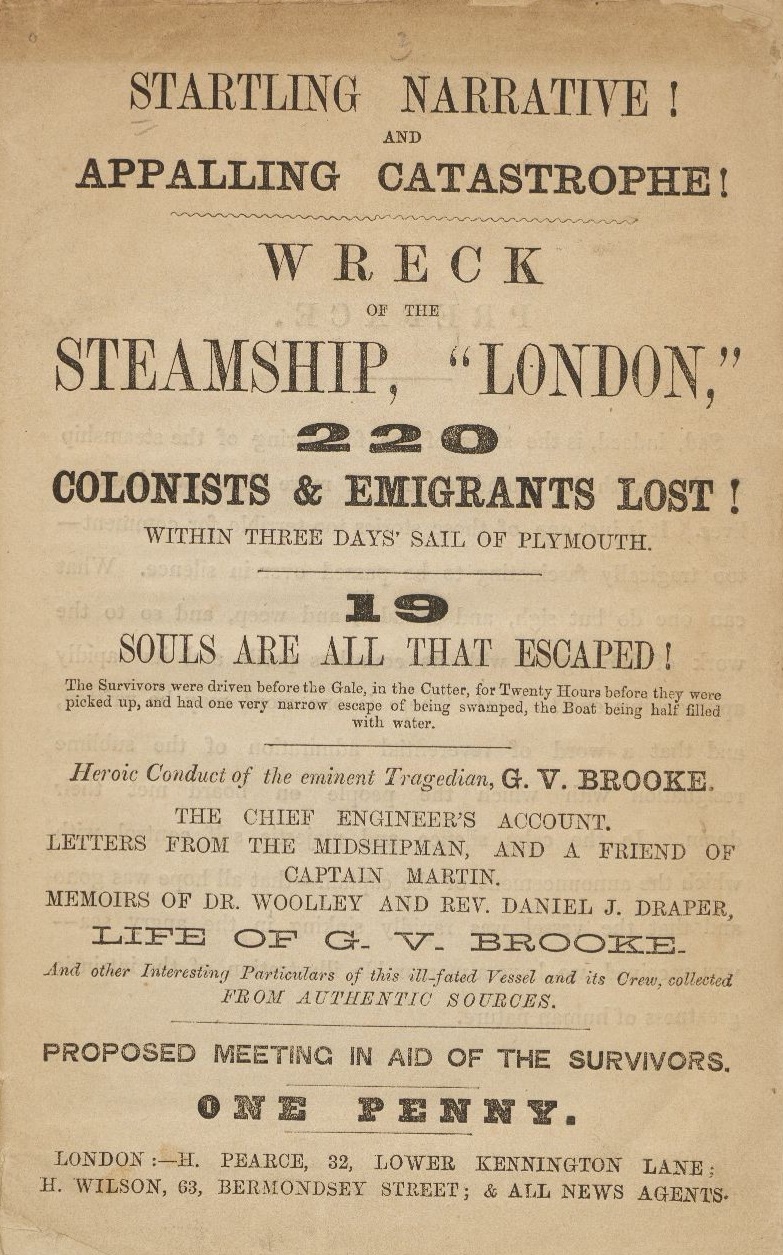
img_5479
1866 pamphlet describing the disaster – H.Pearce (publisher) – Houghton Library – Public domain

On this day in history….10th January 1985

On this day in history : 10th January 1985 – At the launch of the Sinclair C5 a row breaks out over the electric tricycle’s safety….

img_5464
1985 Sinclair C5 – harry_nl via Flickr

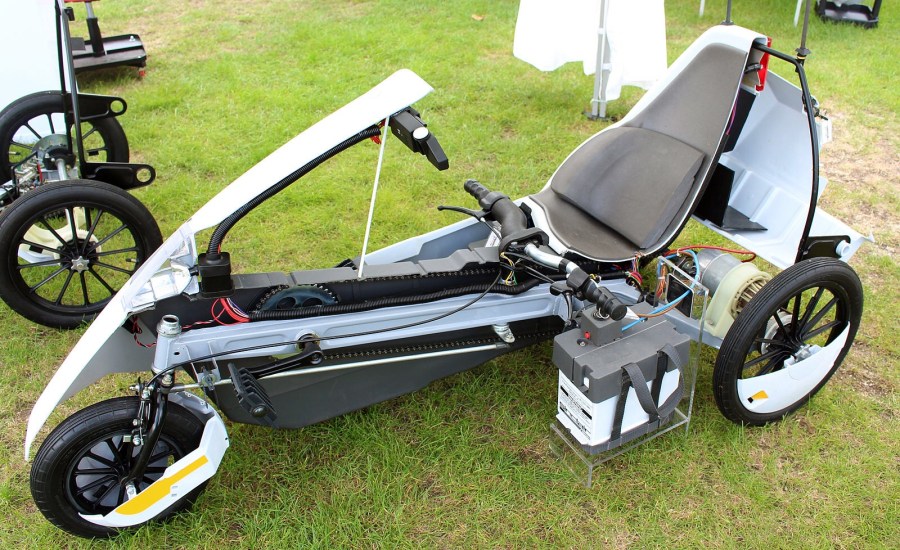
Launched by entrepreneur, inventor and computer millionaire Sir Clive Sinclair, the C5 was designed for short journeys…. Sir Clive said it was a perfect runabout, ideal for shopping, going to the office or school…. The open-topped, battery operated machine – steered via a handlebar located under the knees of the driver – could be driven on the road by anyone over the age of 14…. The driver was not obliged to wear a helmet, needed no driving licence, insurance or road tax…. It had a top-speed of 15mph and could be purchased at a cost of £399 (or £428 for mail order delivery)….

img_5466
Sinclair C5 sectioned – Image : Prioryman – own work – CC BY-SA 4.0

However, safety concerns were raised at the lavish Press launch, which was held at Alexandra Palace in North London…. At 6ft long and just 2ft 6″ high the British Safety Council said it was too close to the ground and the driver would have poor visibility in traffic…. At a top-speed of only 15mph safety experts expressed concern that the C5 was too vulnerable amongst other cars…. Dr. Murray MacKay, head of the Accident Research Unit at Birmingham University, described it as ‘a sort of milk float’….

To add insult to injury, many of the machines specially laid on at the launch for the journalists to try out, did not work…. The Sunday Times referred to the C5 as a ‘Formula One bath chair’….

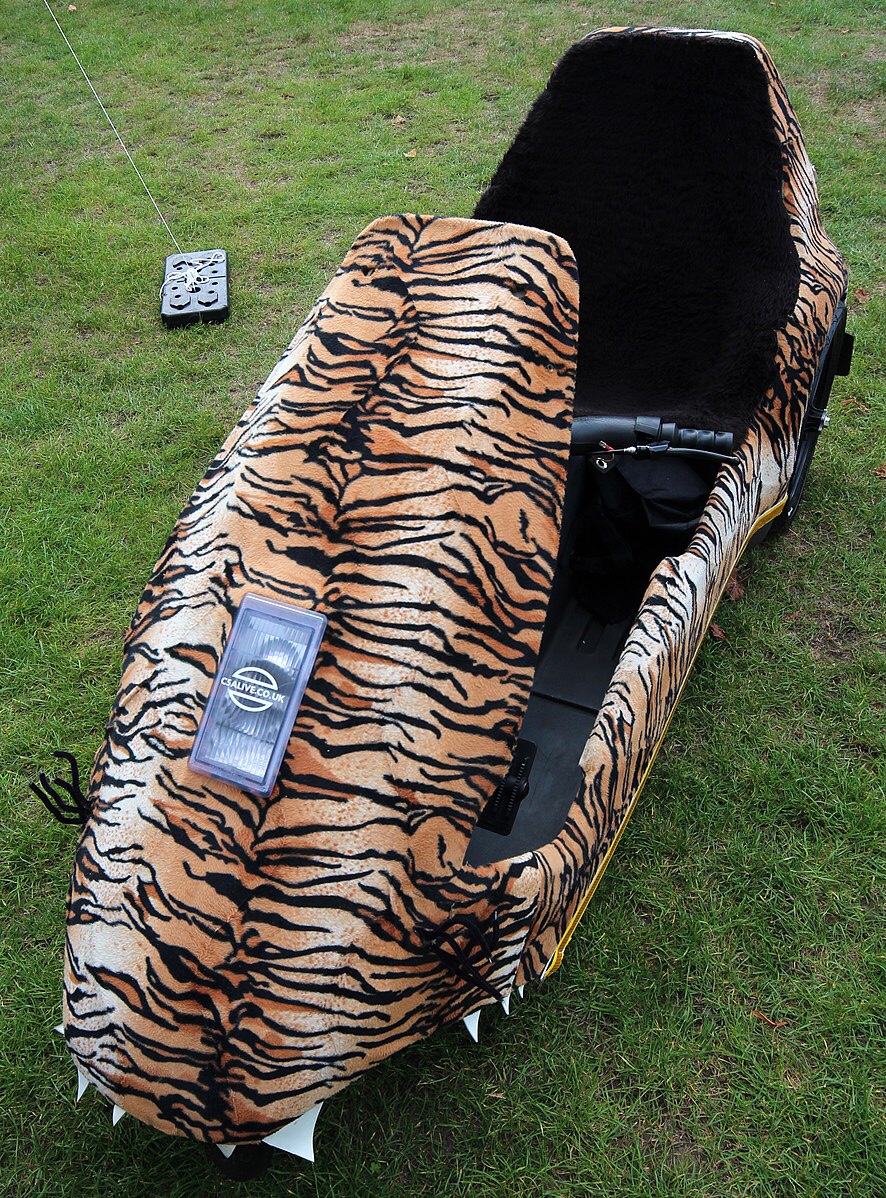
The Sinclair C5 was to go on to become a commercial flop…. Sir Clive had predicted sales of 100,000 plus – but in reality only 12,000 were ever produced…. However, it has gained cult status in later years – with collectors paying as much as £5,000 as an investment…. Enthusiasts meet at gatherings – some even performing elaborate modifications to their machines….

img_5468
Modified with tiger stripes! – Image :  Prioryman – own work – CC BY-SA 4.0
img_5465
Sinclair C5 modified with a jet engine! – Image : Prioryman – own work CC BY-SA 4.0

The C5 also had some very notable fans…. Princes William and Harry had one each to ride around on at Kensington Palace – and Sir Elton John owned two….

img_5467
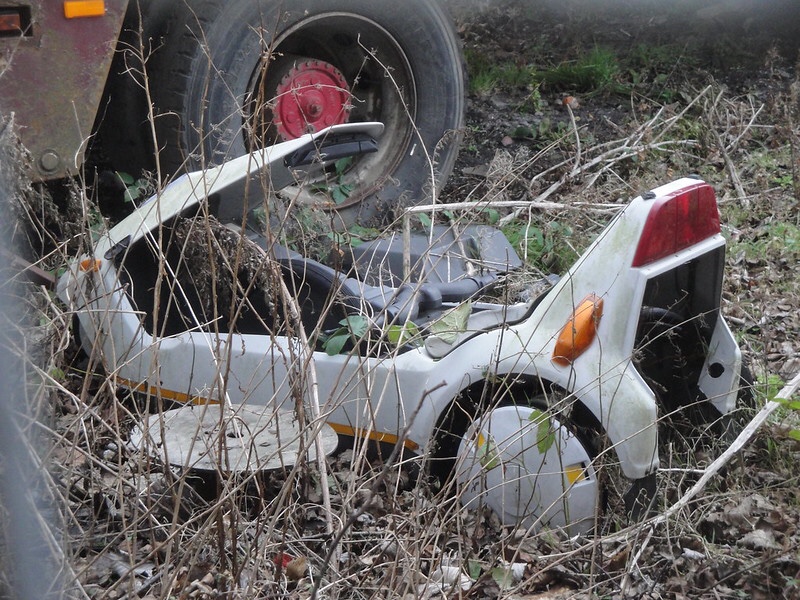
Abandoned and long forgotten…. Image : Alan Gold via Flickr

On this day in history….9th January 1806

On this day in history : 9th January 1806 – The state funeral of Vice Admiral Lord Nelson takes place at St. Paul’s Cathedral….

img_5463
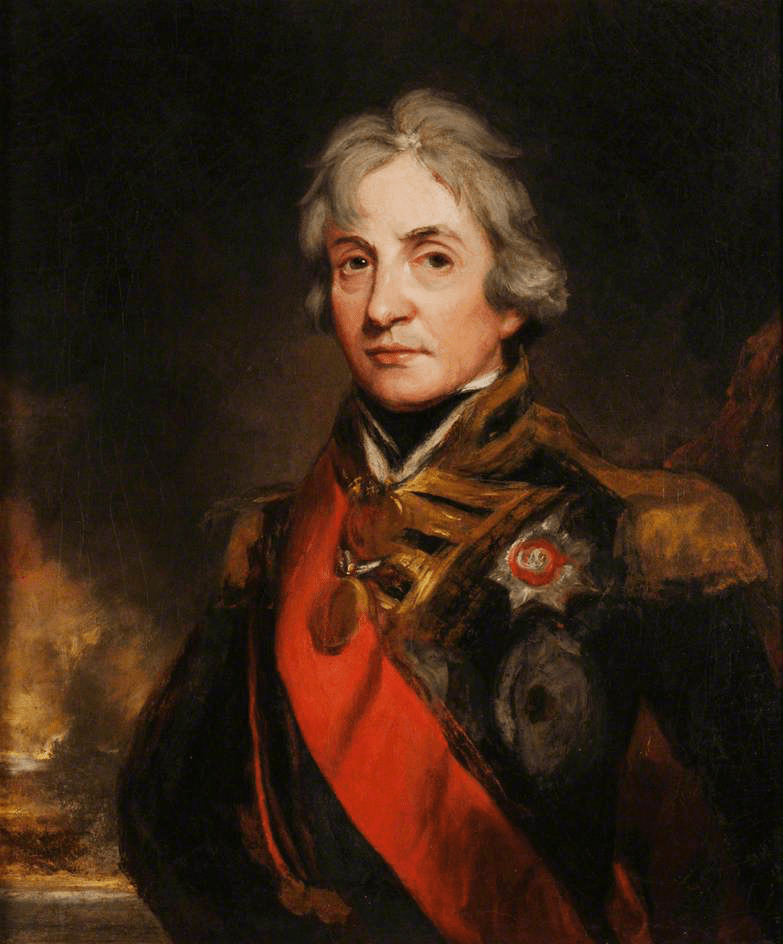
Lord Horatio Nelson by John Hoppner – Public domain

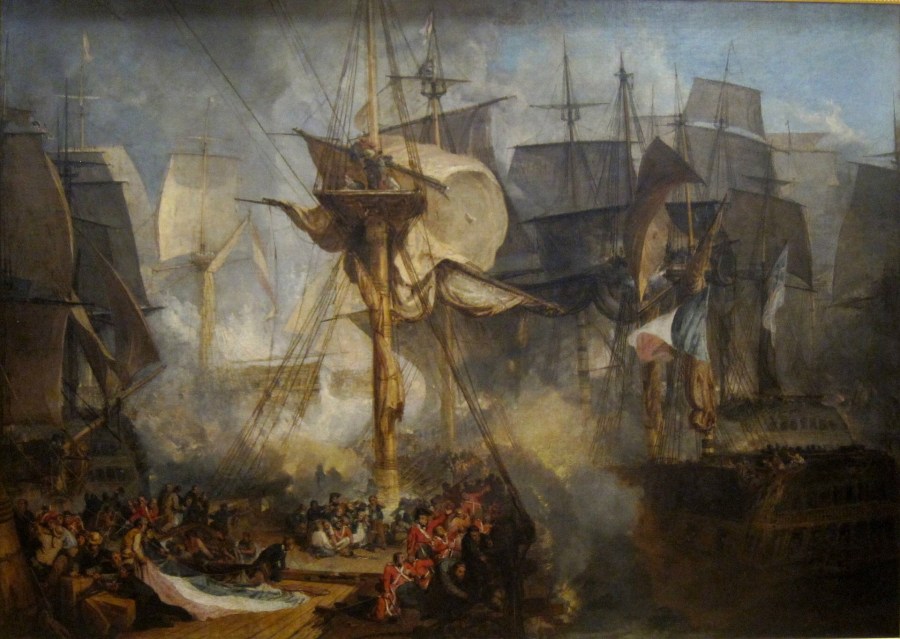
Nelson had been killed at the Battle of Trafalgar on the 21st of October 1805 after being shot by a French musket-man…. His body was preserved in spirit and carried back to England onboard HMS Victory…. The usual practice was to bury the dead at sea but Nelson’s second in command, Lord Collingwood, knew the nation would wish to mourn and honour this greatest of naval heroes….

img_5460
The Battle of Trafalgar – J.M.W. Turner (oil on canvas) – Public domain

HMS Victory eventually arrived at Greenwich on the 23rd of December…. Lord Nelson’s body was then transferred to the Commissioner’s yacht and arrived at Greenwich Hospital on the 24th – where he lay in state in the Painted Hall for 3 days, from the 5th to 7th of January 1806….

Nelson had been placed inside a coffin made from the main-mast of the L’Orient – a French ship that had been destroyed at the Battle of the Nile…. This had then been placed into a lead coffin which was soldered up – and then this in turn was enclosed in yet another coffin, made from elm…. The first mourner to pay his respects was the Prince of Wales – and over the following days it is thought as many as 100,000 visited….

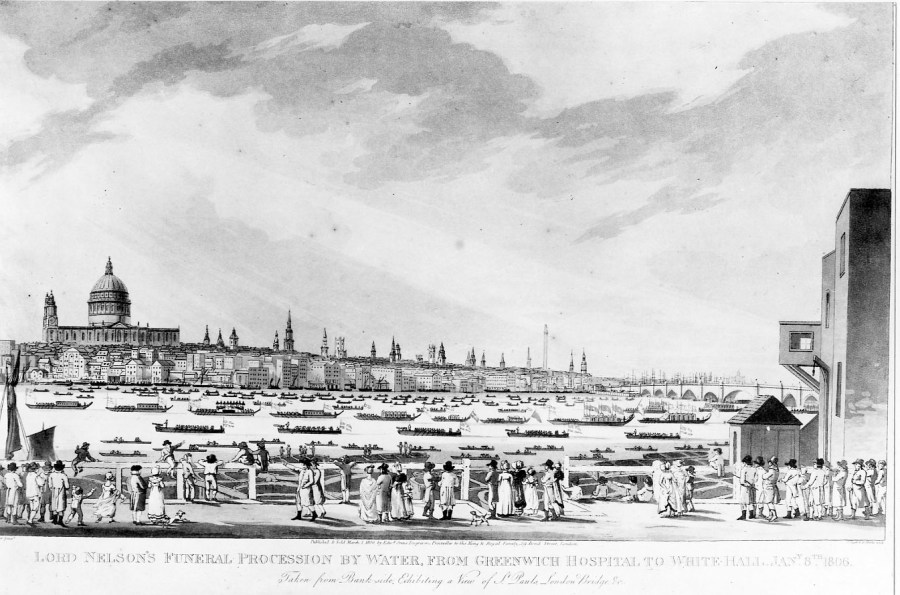
On the 8th of January Lord Nelson was transported up the River Thames onboard the King’s Barge…. A large canopy, festooned with black ostrich feathers, was placed over the coffin and a two-mile procession of boats followed the barge….

img_5462
Lord Nelson’s Funeral Procession by Water, from Greenwich Hospital to White Hall – Augustus Charles Pugin – Public domain

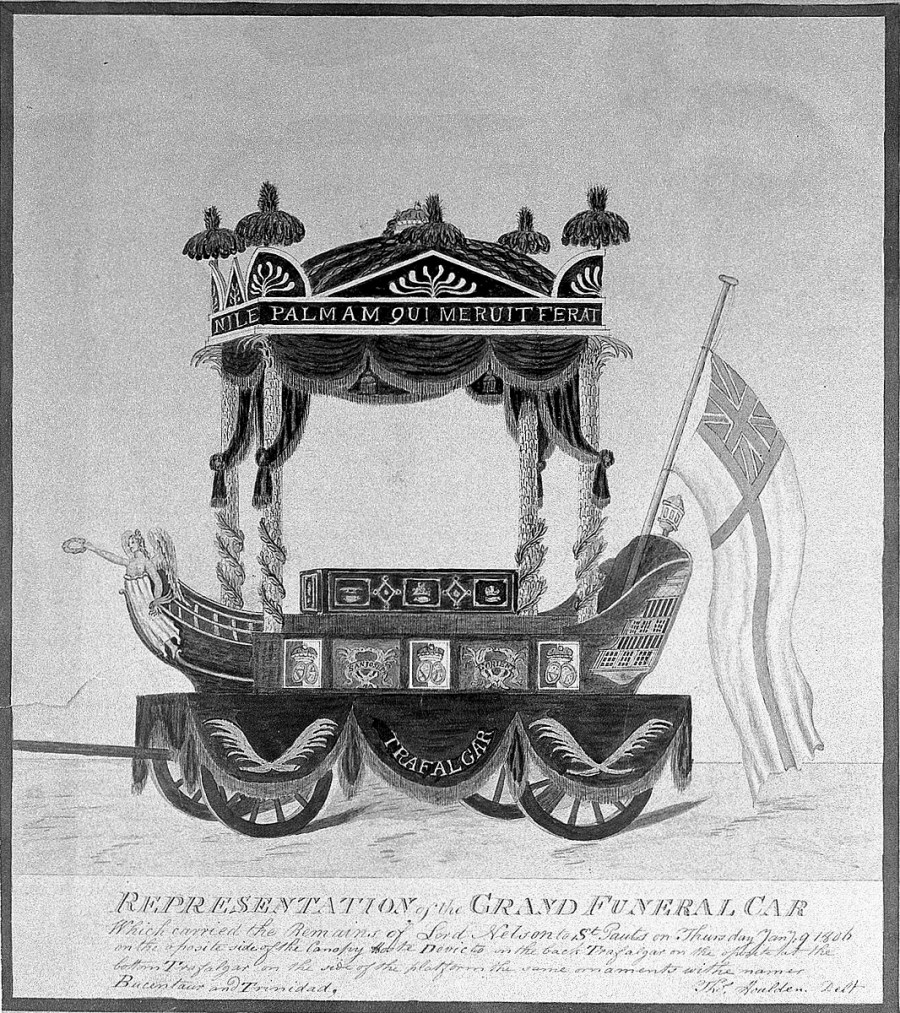
On arriving at Whitehall Steps, near to Westminster, Nelson was taken to the Admiralty in Whitehall…. The following day was dry and bright….30,000 troops and many thousands of public lined the streets to watch the procession from Whitehall to St. Paul’s Cathedral…. Nelson’s ornate funeral carriage had been designed to look like HMS Victory…. It was accompanied by royalty, nobility, ministers, high-ranking military officers and over 10,000 soldiers….

img_5458
representation of the Grand Funeral Car of Lord Nelson : The Wellcome Collection

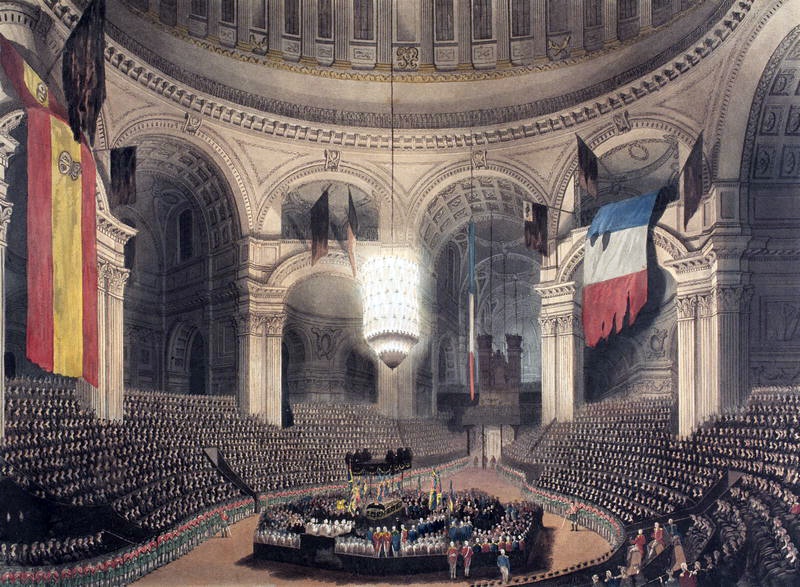
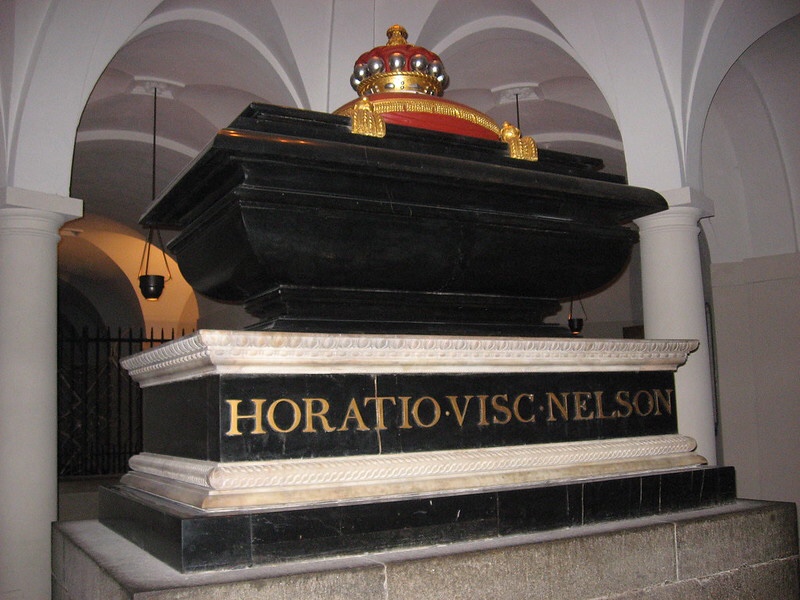
7,000 attended the funeral service, which began at 1pm and ended at 6pm…. The coffin was placed within a marble sarcophagus in the crypt of the cathedral – a resting place which had originally been intended for Cardinal Wolsey…. As the ship’s flag was removed from the coffin it was seized by HMS Victory’s seamen – who ripped it into pieces so they could each keep a personal momento….

img_5461
Arrival of Admiral Lord Nelson’s funeral carriage for internment at St. Paul’s Cathedral – Augustus Charles Pugin – Public domain
img_5459
Lord Nelson’s Tomb, St. Paul’s Cathedral – image: reverendlukewarm via Flickr

On this day in history….8th January 1989

On this day in history : 8th January 1989 – The Kegworth air disaster ~ A Boeing 737 crashes on to the M1 motorway near to East Midlands airport…. 47 people are killed….

img_5455
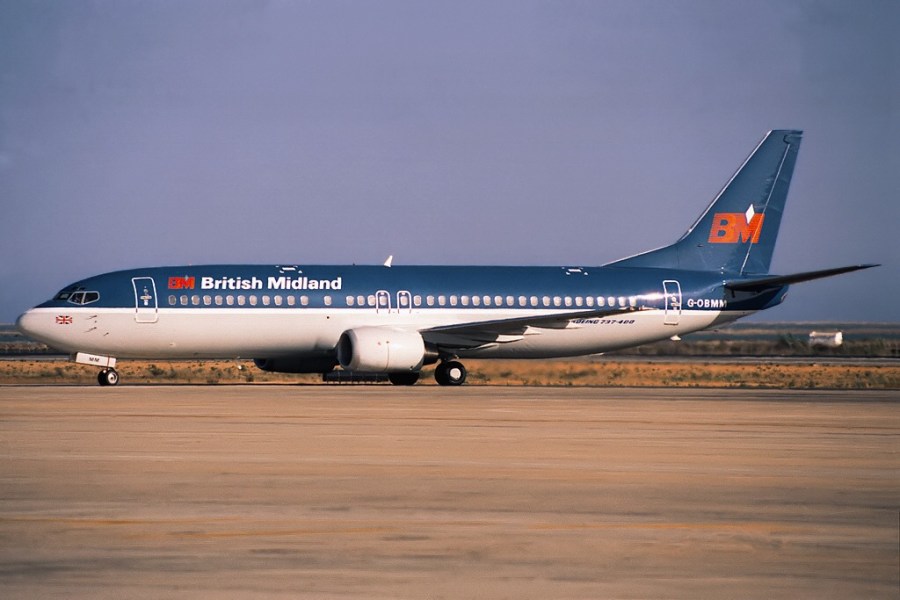
A British Midland Boeing 737-400, similar to the aircraft which crashed – Pedro Aragao CC BY-SA 3.0

The British Midland operated Boeing 737, Flight 092, had taken off from Heathrow at 19.52hrs and was bound for Dublin, when one of the brand new aircraft’s engines caught fire – forcing it to divert to East Midlands airport….

It had begun its descent, passing low over the village of Kegworth in Leicestershire, when it was reported that the second engine had also failed…. The chances of this happening are a hundred million to one….

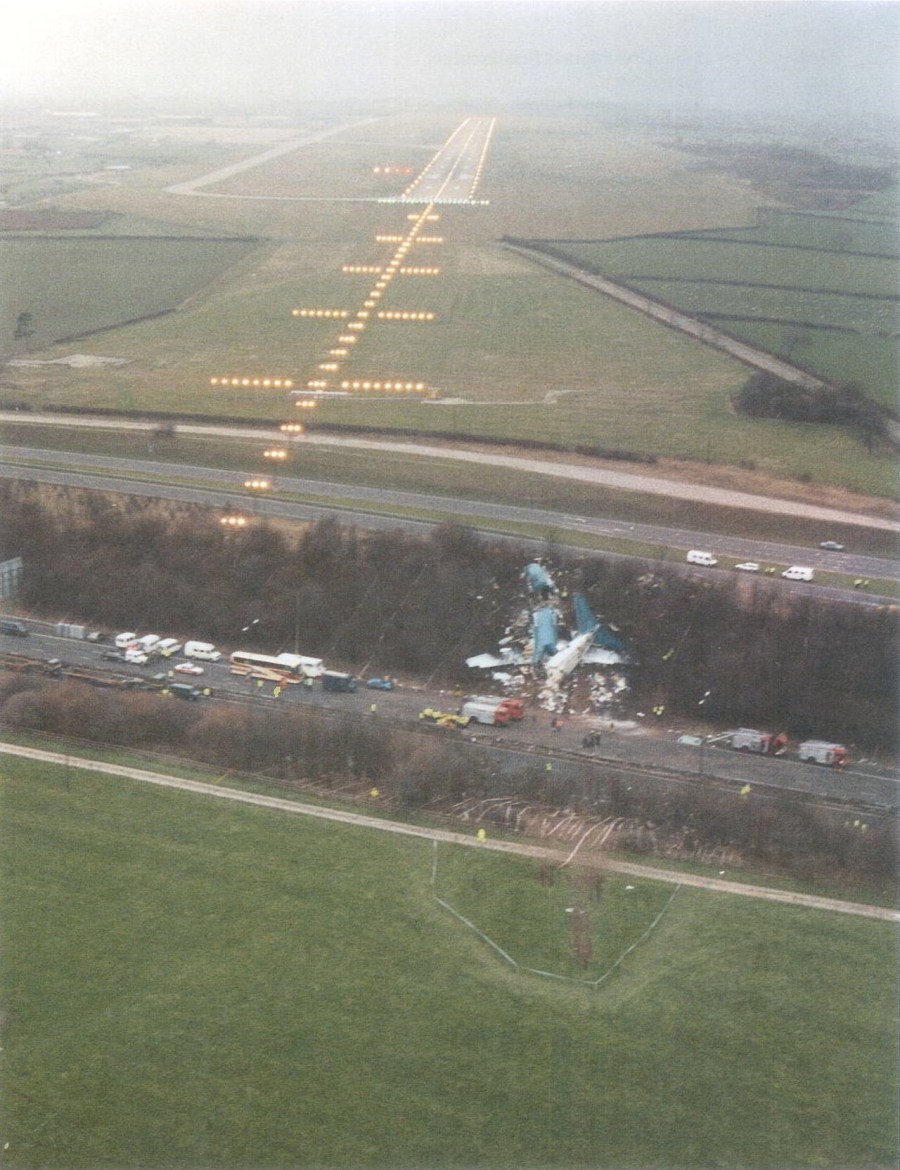
The plane crashed on to the motorway and broke into three pieces at 20.26hrs – thankfully no vehicles on the ground were caught in the impact…. The aircraft was just a few hundred metres from the runway….

img_5457
Scene of the disaster – Image : Air Accidents Investigation Branch – OGL v1.0

The UK’s Air Accidents Investigation Branch discovered a fan blade had broken in the left engine, causing the air conditioning to malfunction…. Subsequently the flight deck filled with smoke and the crew wrongly assumed a fault had occurred in the right engine…. Earlier models of the Boeing 737 had ventilated the flight deck from the right – but the new 737-400 series operated a different system – only the crew had not been made aware of this – and they had shut down the wrong engine….

Out of the 126 crew and passengers on board 47 were killed and 74 were seriously injured….

img_5456
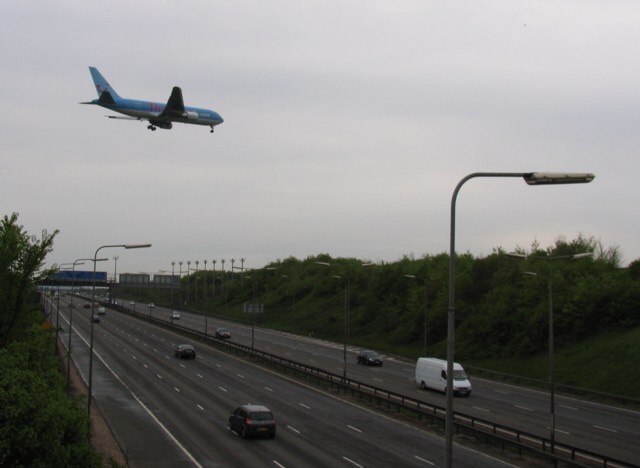
Site of the disaster – photo taken May 2006 – Andrew Tatlow – CC BY-SA 2.0

On this day in history….7th January 1928

On this day in history : 7th January 1928 – The River Thames bursts its banks and floods much of Central London…. Fourteen people lose their lives and thousands more are made homeless…. The Tower of London, Houses of Parliament and Tate Gallery are all swamped….

During Christmas 1927 heavy snow had fallen in the Cotswolds, where the Thames has its source…. A sudden thaw on New Years Eve, followed by excessive heavy rain meant there was double the usual volume of water coming down river…. This coincided with a high spring tide – but at the same time a storm surge, caused by a cyclone in the North Sea meant water levels were raised in the Thames Estuary….

img_2095
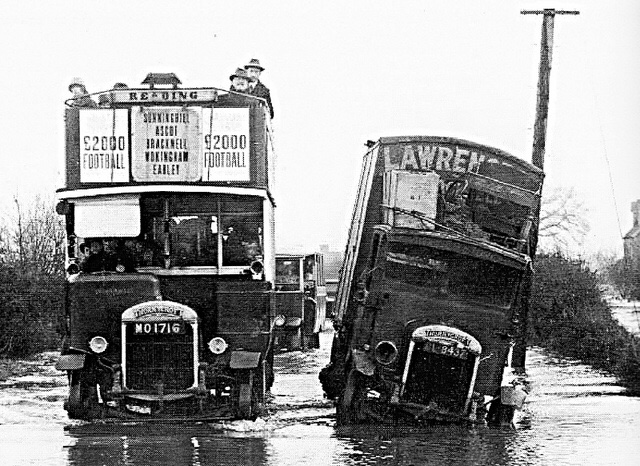
Floods at Reading in January 1928 – showing the impact of the Thames flooding even further down river…. Image credit : Alan Farrow via Flickr

The situation was made even worse by dredging work that had been carried out in the Capital between 1909 and 1928 to deepen the river channel – to allow easier access for shipping in to the Port of London….

The river burst its banks just after midnight – when most Londoners were in their beds…. The first section to break was a 75ft stretch at Millbank – opposite the Tate Gallery…. Water poured into the gallery, up to 8ft deep on the ground floor….18 paintings were damaged beyond repair, 226 badly damaged and a further 67 received minor damage…. Many were by renowned artist J.M.W. Turner….

Westminster Hall and the House of Commons were flooded, as were most underground stations close to the river…. The Blackwall Tunnel was submerged, as was the Rotherhithe Tunnel…. The moat surrounding the Tower of London, which had been empty for over 80 years, was filled…. The flooding extended from the City of London and Southwark right to Putney and Hammersmith….

img_2090
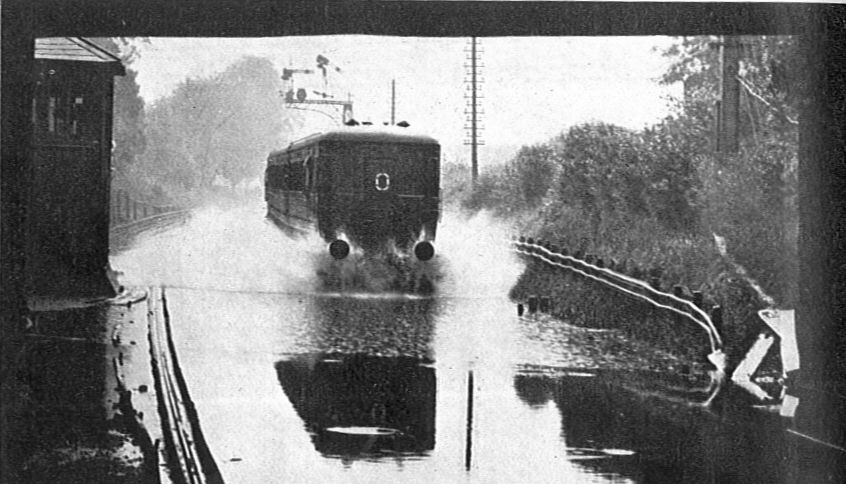
A Southern Railway electric multiple unit tackles floods at Kew Bridge railway station Credit : Andy Dingley (scanner) – Public domain

However, the most devastating part of the disaster has to be the human cost…. As the embankment near to Lambeth Bridge broke floodwaters gushed onto the streets of the run-down working-class area between Southwark and Blackfriars, which backed on to the river…. Water poured into the basements….which were the homes of so many of London’s poorer people….

There was little time to escape; police went from door to door, urging people to leave….many did, wearing just their nightclothes….but for some it was too late….

As the water poured into these basements nine people drowned – and another died from a heart attack brought on by the shock…. Alfred Harding later had to identify the bodies of 4 of his daughters:- Florence Emily, 18 – Lillian Maude, 16 – Rosina, 6 and Doris, who was only 2-years-old….

Two more died in Hammersmith, domestic servants Evelyn Hyde, aged 20 and Annie Masters Moreton, aged 22 – who shared a basement room…. Another two people died in Fulham…. 4,000 were made homeless….

The flood peaked at 1.30am, at a level of over 18ft above the Ordnance Datum line….the highest water level ever recorded in the Thames at London…. The water had subsided by the end of the day – but it took a month to pump all of it away…. The damage took several years to repair….many of the old slum areas had to be demolished, Millbank and the surrounding area had to be virtually rebuilt…. Political rows broke out over who should pay for the clean-up operation – was it the responsibility of local or central government…. Arguments also occurred amongst authorities and politicians over the role the dredging work had played in the disaster….

img_2093
Thames flood level markers at Trinity Hospital, Greenwich

The embankments had once been marshland but were reclaimed during the Victorian era and had been developed for housing and commercial purposes…. As a result of the 1928 flood the river’s embankments were raised…. Thankfully it was the last major flood to occur in the city – but it came close again in 1953 – when the river almost broke the embankment – and did cause some flooding at Bermondsey and other low-lying areas…. A further flood occurred on the Lower Thames in 1959….

At last the government were prompted to consider flood defence – once again there were disagreements over who should foot the bill…. Plans were made in the mid 1960s for a flood barrier – and in 1974 work finally got underway…. The Thames Barrier officially opened in 1984….