On this day in history….21st February 1958

On this day in history : 21st February 1958 – Gerald Holtom designs the ND peace symbol adopted by the Campaign for Nuclear Disarmament…. It is later to become an international peace symbol….

img_2443

Gerald Herbert Holtom (1914-1985) was a British artist and designer, having studied at the Royal College of Art….

During World War II he had been a conscientious objector and was invited by the Direct Action Committee to design artwork for use on their first Aldermaston march during the Easter of 1958 – the 4th – 7th of April…. The Direct Action Committee (DAC) was a pacifist organisation against nuclear war and existed between 1957 and 1961….

Holtom presented his sketches at a DAC meeting at the Peace News offices in North London on the 21st of February 1958…. The design incorporates the semaphore signals for ‘N’ and ‘D’ (standing for nuclear disarmament)….

  • ‘N’ – Two arms outstretched, pointing 45 degrees downwards
  • ‘D’ – One arm raised over the head

The symbol made its first public appearance on Good Friday in Trafalgar Square – where the march to Aldermaston began…. Several thousand people marched for 4 days to the Atomic Weapons Establishment….

From 1959 an annual Easter march from Aldermaston to London was organised by the Campaign for Nuclear Disarmament – (CND)….
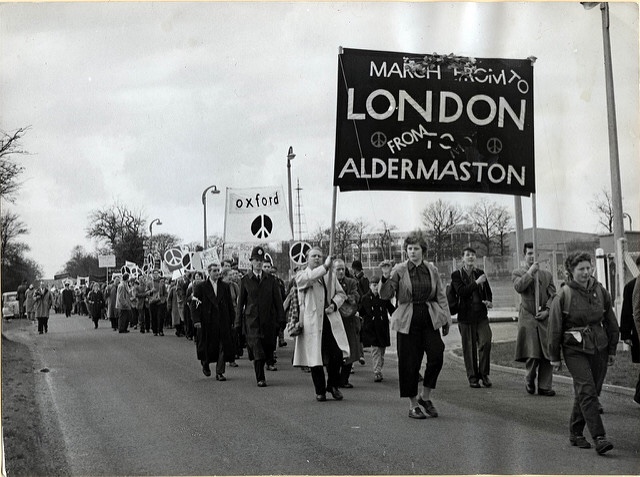
img_2448
1959 march…. Photo credit: Carl Guderian via Flickr

CND was founded in November 1957, at the height of the Cold War…. The ND peace logo had not been copyrighted and once adopted by CND became recognised as their symbol – and later as a general-purpose peace symbol throughout the world….

img_2447

On this day in history….20th February 1673

On this day in history : 20th February 1673 – The first ever recorded auction – ‘by the candle’ – of wine is held at a coffee house in London….

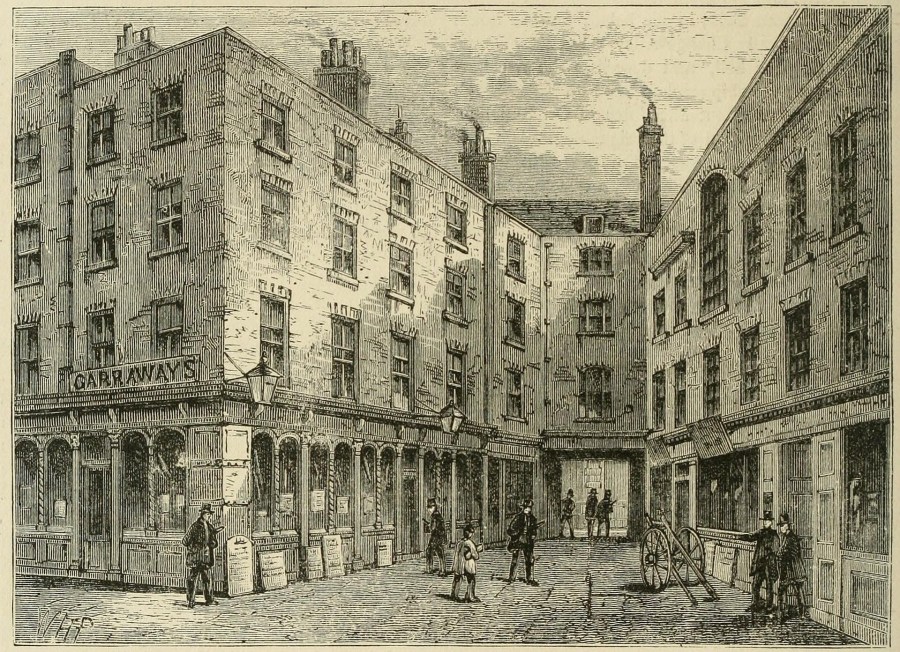
Garraway’s Coffee House, City of London

During the 17th century coffee houses became the ‘in-place’ to be seen…. Previously socialising and indeed many a business deal had taken place in the nation’s inns and ale houses – but these were now being viewed as too rowdy and boisterous…. Coffee houses offered an alternative; it wasn’t that the coffee tasted particularly good, the early form of the beverage really didn’t – but the caffeine ‘buzz’ would have been quite addictive…. Soon coffee houses became centres of business with each establishment associated with its different trades and professions…. Whereas one might be frequented by artists or actors another might be where merchants would gather and a further one a place for medical men to congregate…. By 1702 it is thought that over 500 coffee houses had sprung up in London alone and by 1800 this number had risen to over 8,000….

One such establishment was Garraway’s Coffee House, which was opened by Thomas Garway in the 1650s…. Garway was a tobacconist and coffee merchant by trade – and before opening his coffee house is believed to have been the first to sell tea – as a ‘cure of all disorders’ – to the public in England…. He began to sell the commodity at Garraway’s in 1657 – in those days tea sold at between 80p – £2.50 per pound in weight….that’s well over £500 in today’s terms, making an extremely expensive cuppa!

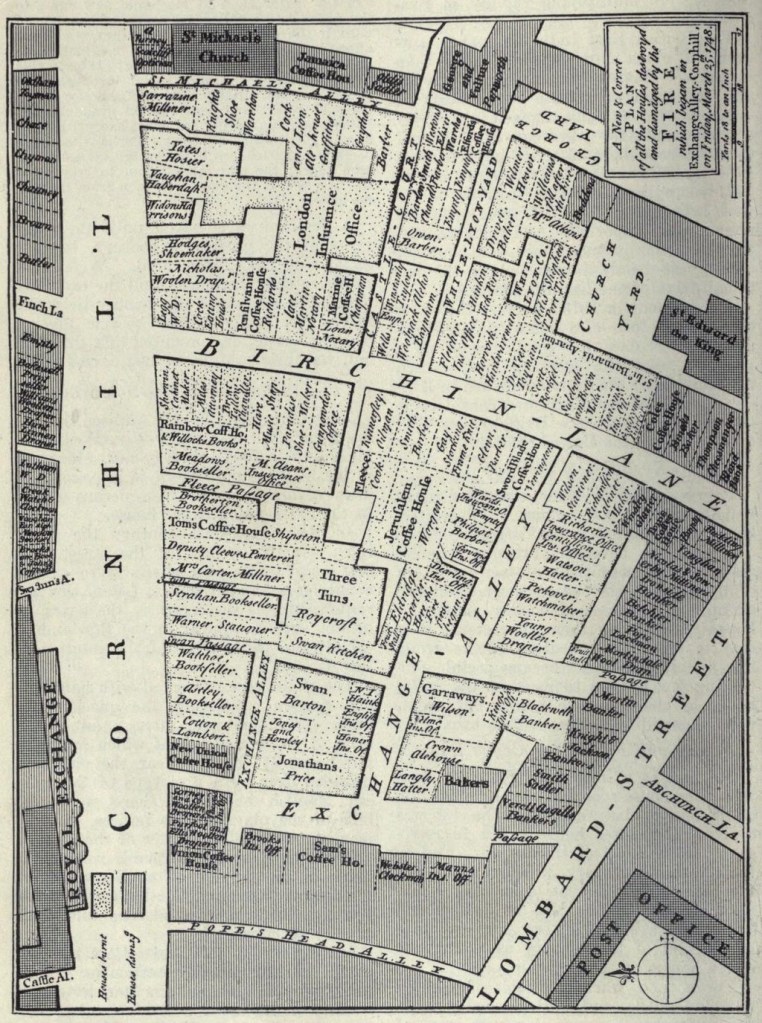
Garraway’s was situated in Exchange Alley, a shortcut between Cornhill and Lombard Street, the hub of the City’s financial world…. It was built on a corner and had various entrances into the building – with small rooms on the ground floor along with a kitchen and on the upper floor a large coffee room…. Just ten years later it was destroyed by the Great Fire of London and had to be rebuilt…. Exchange Alley became known as ‘Change Alley’ and Garraway’s was one of three celebrated coffee houses in the immediate area – all of which were patronised by traders in shares and commodities…. Both Charles Dickens and Daniel Defoe referred to Garraway’s in their works….

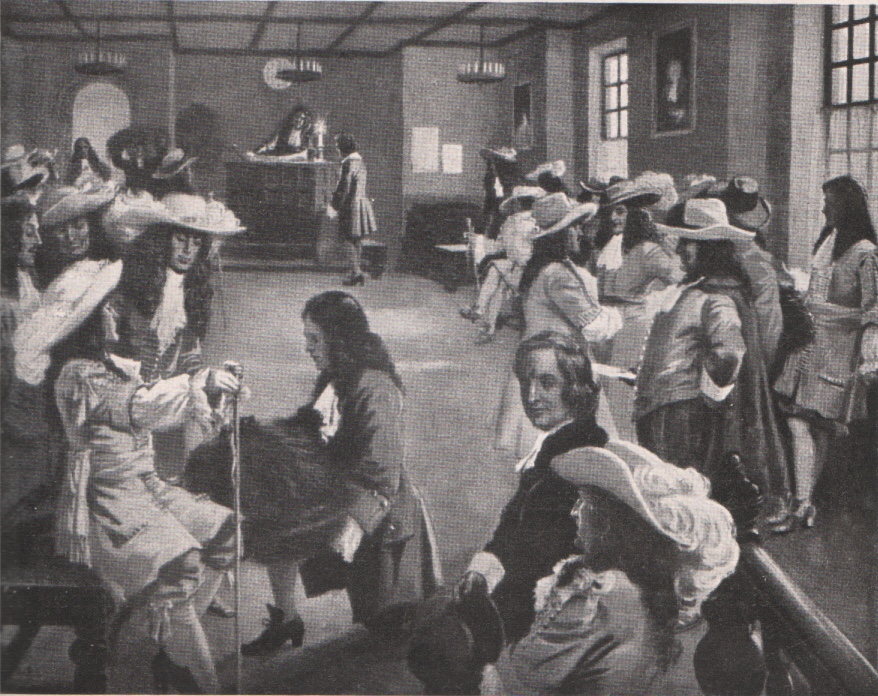
As the business grew Garraway’s began to hold auctions…. A small rostrum was installed in the upstairs room for the auctioneer and rough settles were provided for the bidders…. The windows and walls of the lower floor were adorned with placards advertising upcoming sales…. Up to thirty sales a day could take place, selling everything from furs to drugs, timber to tea….and then in 1673 wine…. As well as becoming famous for its wine sales, both by the bottle and crate, it was also to become well-known for its auction of fine brandy….

Auction room at Garraway’s

Auctions then were not as we know them today – they were conducted ‘by the candle’…. At the commencement of the sale, after the auctioneer had read out the description of the goods and the terms and conditions of the sale, a length of candle (typically an inch) would be lit…. He who placed the last bid before the candle had burned out would be deemed the winner….

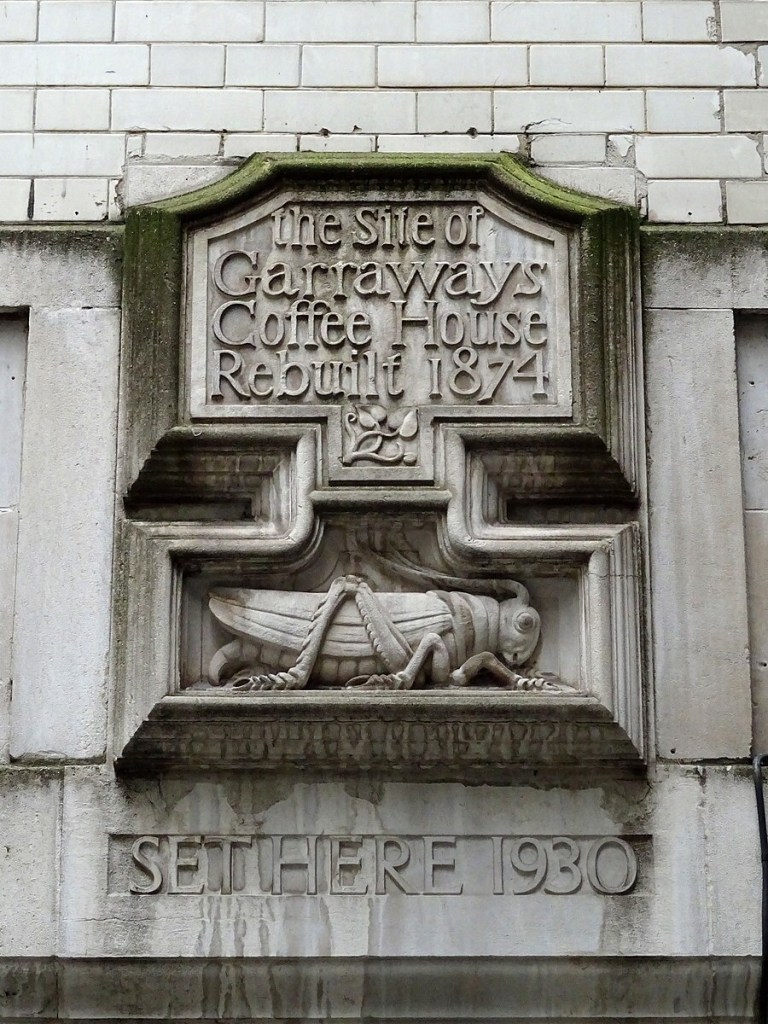
Garraway’s Coffee House has now long gone…. It was to develop to become a famous drinking establishment and sandwich shop…. Then in 1748 the building was once more to be destroyed by fire and had to be rebuilt again…. However, by the mid 1800s coffee houses were declining in popularity – and Garraway’s eventually closed on the 11th of August 1866 – and the premises became home to a bank…. All that remains as a reminder of the once great coffee house is an ornate stone plaque on the wall where it once stood and a mahogany panel at 32 Cornhill which reads “Place of great commercial transaction and frequented by people of quality”….

Image credit : Spudgun67 – own work

On this day in history….18th February 1969

On this day in history : 18th February 1969 – The marriage of Lulu and Maurice Gibb (of the Bee Gees) in a Buckinghamshire church – thousands of fans flock to see….

Lulu and Maurice had met in a BBC canteen whilst filming for Top of the Pops…. Lulu was 20 and Maurice 19…. In a whirlwind romance they moved in together in Highgate, north London and were married soon after….

The marriage took place at St. James’ Church, Gerrard’s Cross…. It was thought of as the ‘showbiz wedding of the year’….

Lulu had tried to keep the wedding plans quiet – it was to be a small family affair…. She and the three Gibb brothers were the only celebrities present…. However, word got out and thousands of fans, mostly women, clamoured to see the pop stars….


Lulu arrived 20 minutes late in a green Rolls Royce….as she did so the crowd surged forward, some – including children – were hurt…. The police had to form a cordon in order to allow her to reach the church…. She wore a long, white, fur-trimmed coat with a fur hood over a white silk mini-dress….

Inside the church waiting were Maurice and his best man, brother Robin…. Barry was also at the wedding – although he had raised concerns about the marriage as he believed the couple to be too young….

After the service, which was conducted by the Reverend Gordon Harrison, the newly weds found themselves trapped in the church for a further 10 minutes whilst a path could be cleared to their waiting car…. They were then whisked away to a reception in London….


Four years into the marriage Maurice was frequently out night-clubbing, drinking heavily and indulging in mammoth spending sprees…. On one notorious 4-day splurge he bought an Aston Martin, a Bentley and a Rolls Royce…. Lulu could take no more – the couple separated and in 1975 she divorced him – although they remained on good terms…. Maurice died of a heart attack in January 2003….

On this day in history….17th February 1883

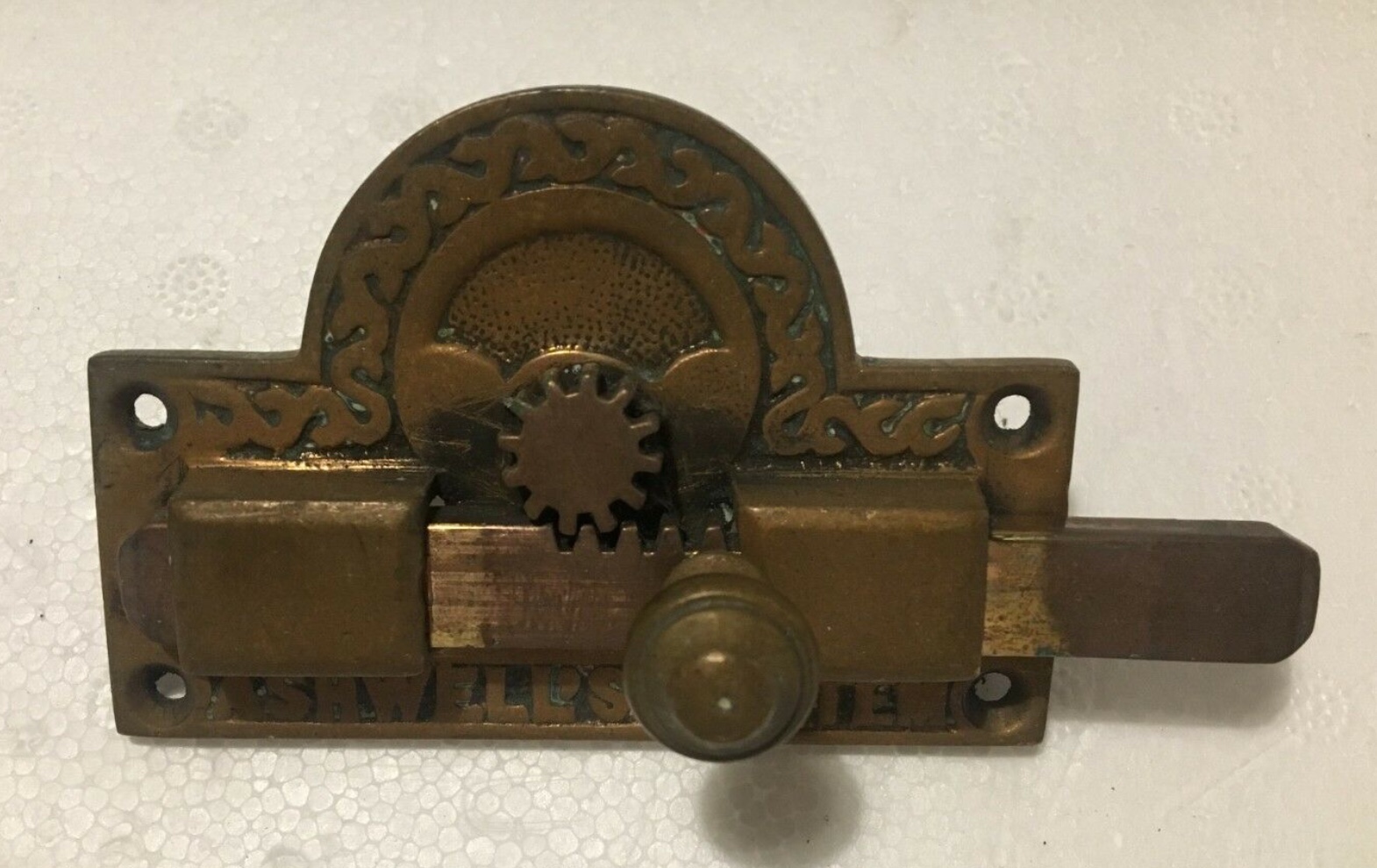
On this day in history : 17th February 1883 – Mr. A Ashwell of Herne Hill, South London patents the ‘Vacant – Engaged’ lock for lavatory doors….

img_2428

The story goes that Mr. Ashwell got the inspiration for his ‘Ashwell’s Patent Toilet Lock’ whilst travelling on a train between Herne Hill and London…. What was needed was a bolt that drives a cog-wheel and then turns a disc indicating whether the lavatory is occupied or not…. Come on, admit it ~ far better than having to sing in the loo….

It was in 1892 that John Nevil Maskelyne patented the coin-operated lock for public conveniences…. Maskelyne was actually an English stage magician as well as an inventor…. You could say he ‘coined’ the phrase ‘to spend a penny’….

On this day in history….16th February 1927

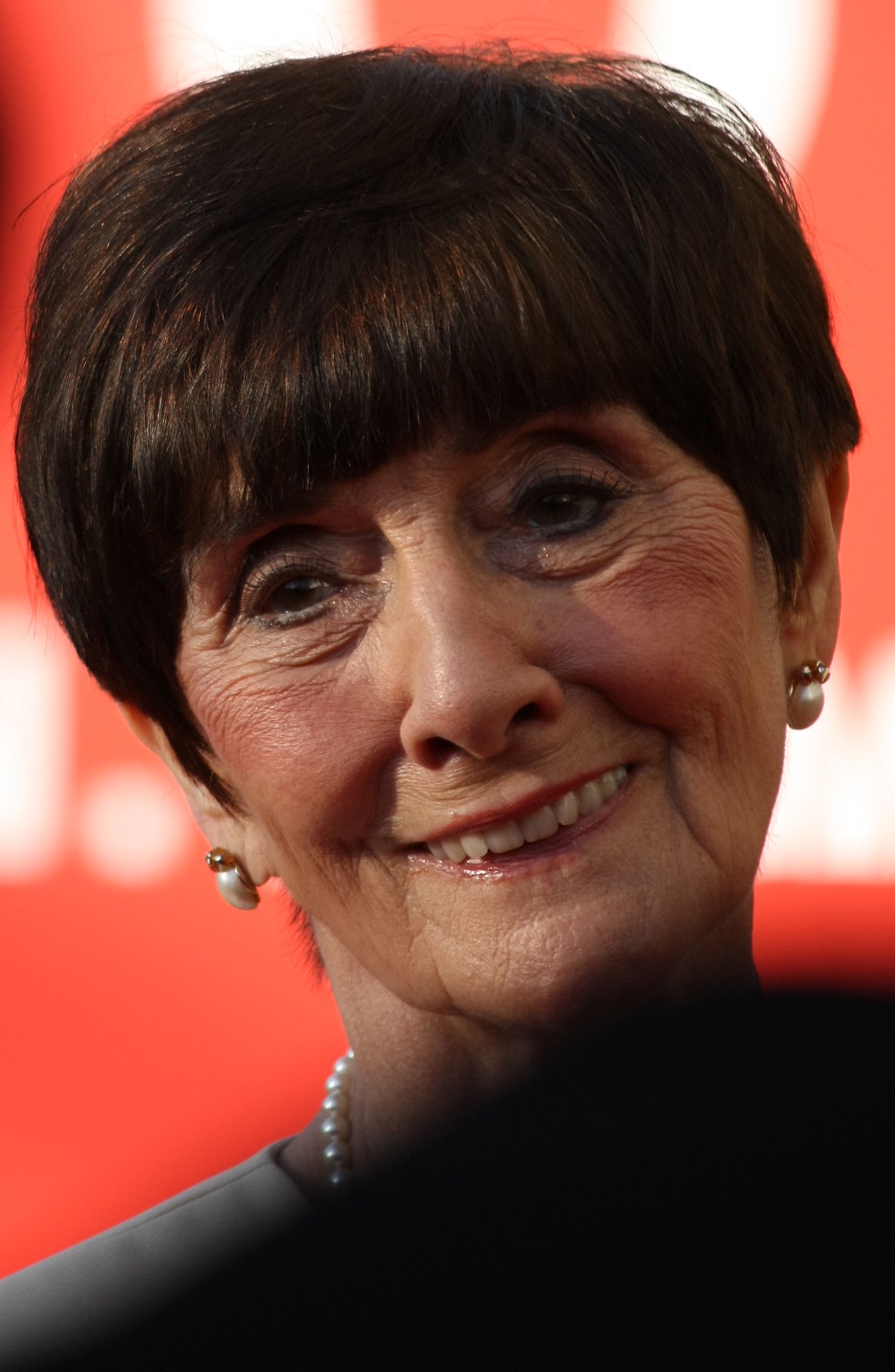
On this day in history : 16th February 1927 – The birth of actress June Muriel Brown MBE – best known to us as the gossiping, chain-smoking busy-body Dot Cotton in EastEnders….

img_2415
June Brown MBE in 2009 – image credit: Joe Freeman – Flickr CC BY 2.0

June was born in Needham Market, Suffolk to Louisa Ann and Henry William Melton Brown. She was one of five children but her baby brother died at just 15 days old and she also lost an elder sister….

After attending school in Ipswich June then won a scholarship to Ipswich High School…. She was evacuated to the Welsh village of Pontyates during World War 2 but spent the latter part of it in the Wrens (Royal Navy)….

June was classically trained as an actress at The Old Vic Theatre School in Lambeth…. When she was 23 she married actor John Garley – but tragically he died in 1957 having taken his own life after suffering from depression….

In 1958 June remarried, another actor named Robert Arnold and they had six children (one of whom died in infancy) in their 45-year marriage, before Robert sadly passed away in 2003…. June continued to live in their Surrey home….

img_2416
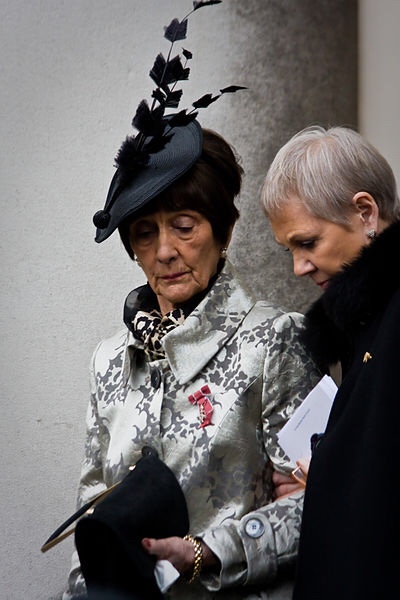
June Brown at the funeral service for actress Wendy Richard. 9th March 2009. Image credit: Gary Knight via Wikimedia

In her varied and extensive career June was seen in many TV shows:- Coronation Street, Angels, Minder, The Bill….the list is endless. She had parts in costume dramas such as The Duchess of Duke Street and Oliver Twist…. She also had roles in several big screen films and was active in British Theatre….

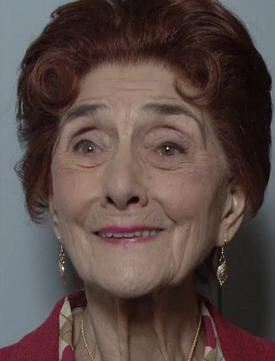
But the role we know June for most of all is that of Dorothy Branning in EastEnders – or as most of us called her….’Dot Cotton’…. The first ever episode of EastEnders was shown on the 19th of February 1985 and June joined the cast in July of the same year – her first screen appearance as Dot being on the 4th of July…. She was recommended to the producers of the show by Leslie Grantham, who played ‘Dirty’ Den Watts….

img_2418
Dot Cotton – Fair use

June won several awards for her role in the soap, among them Lifetime Achievement Award in the 2005 British Soap Awards…. June was awarded an MBE in the 2008 Queen’s Birthday Honours List for her services to drama….

Dot Cotton – “You know me, I’m not one to gossip” – with her sometimes tragic storylines but often comical character was one of our TV favourites….. She was a national treasure, just like the real-life woman who played her….

June passed away on the 3rd of April 2022, aged 95….

img_2417
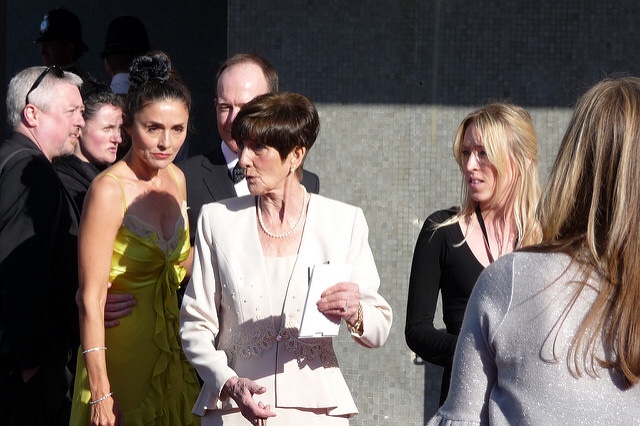
June Brown at the BAFTA’s 2009. Image credit: Damien Everett via Flickr